
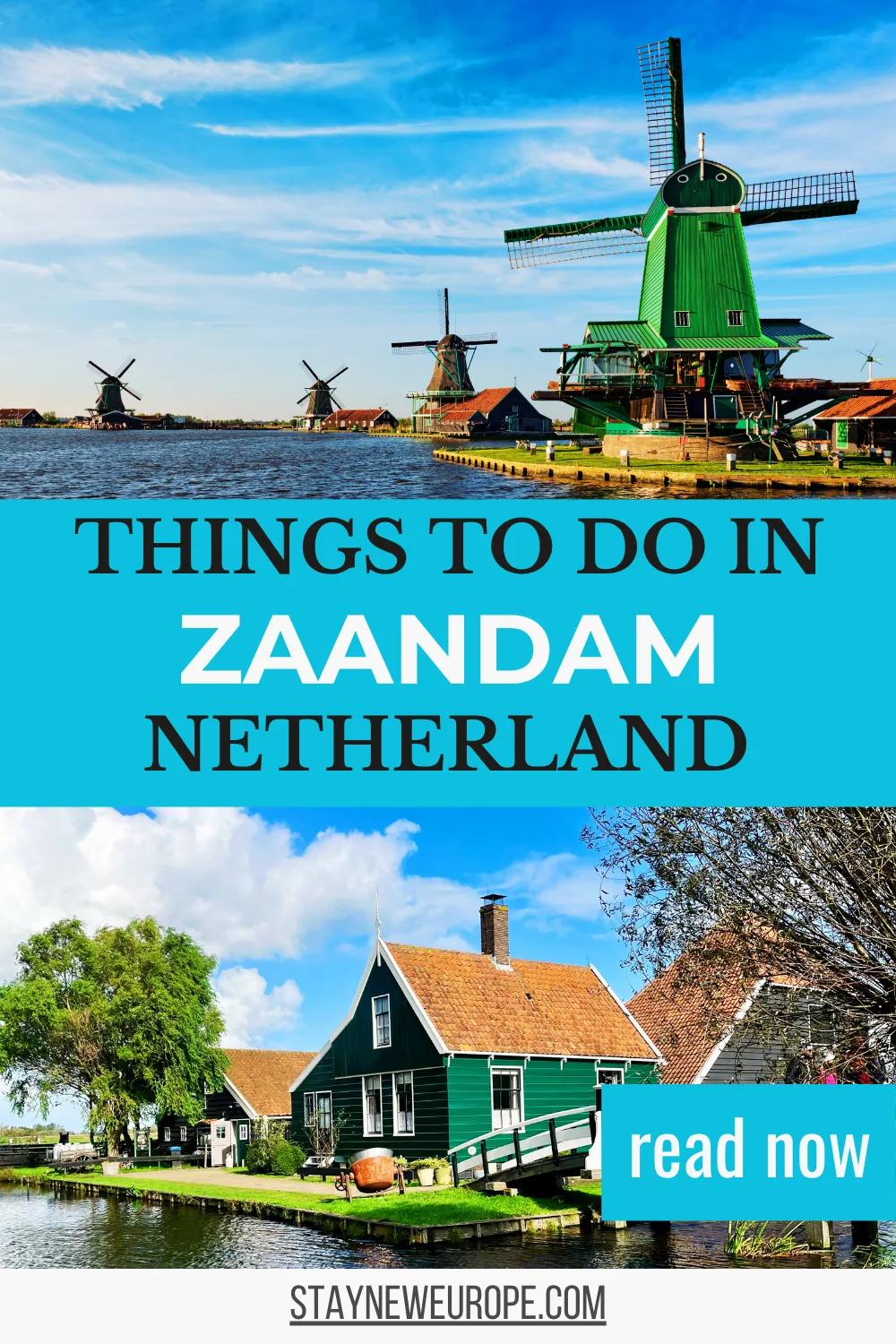
Most people only hear about Zaandam when they’re already on a train to Zaanse Schans — and that’s a shame, because they’re missing half the story. This is a city where a Russian tsar disguised himself as a shipyard worker, where Claude Monet spent an entire summer painting in the rain, and where a hotel looks like someone stacked 70 dollhouses on top of each other and called it architecture. I’ll be honest with you: I almost skipped Zaandam entirely. It sits just 12 minutes north of Amsterdam by train, and that proximity makes it dangerously easy to treat it as a footnote — a quick windmill tick-off before heading back to the canal bars. Don’t make that mistake.
Zaandam is the kind of place that surprises you precisely because you weren’t expecting much. The city proper has a raw, lived-in charm, a canal you can actually sit beside without being charged for the privilege, and a history so dense with famous visitors that the museum has run out of wall space. And then, just a train stop away, you have one of the most photogenic villages in all of Europe. Whether you’re planning a day trip from Amsterdam or building a longer itinerary in North Holland, this guide covers everything — the icons, the hidden corners, the Saturday market where locals buy their cheese, and a few things nobody puts on the tourist leaflets.
I’ve arranged these things to do in Zaandam roughly in the order you’d naturally encounter them, starting from the train station and radiating outward. But honestly? Wander. That’s half the point.
Before You Arrive: What Zaandam Actually Is
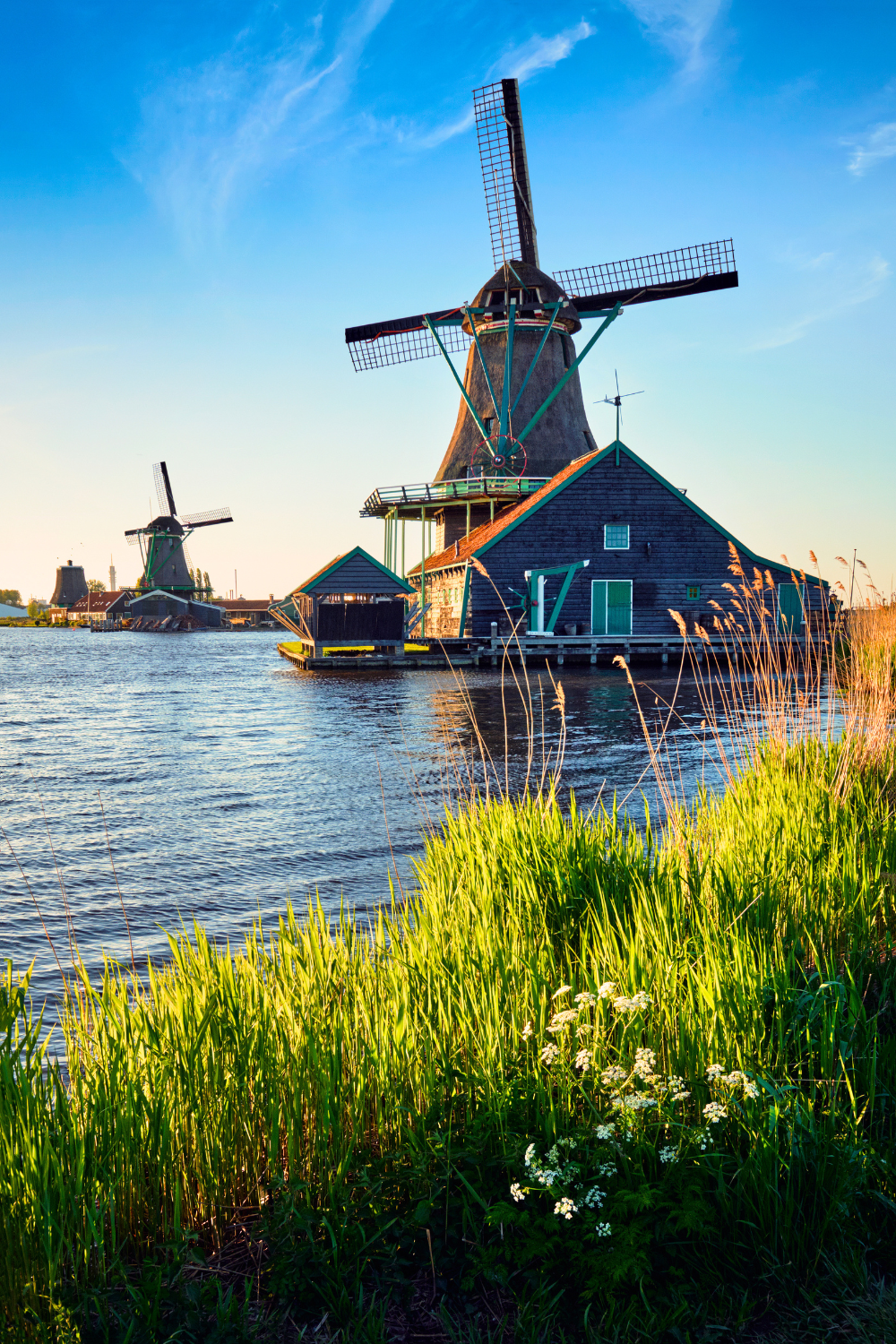
Zaandam sits in the Zaanstreek — the stretch of low, boggy, fiercely Dutch land north of Amsterdam that was, for a century or two, the industrial engine of Western Europe. At its peak, more than a thousand windmills lined the Zaan River, grinding spices, pressing oil, sawing timber, and making paper. This was the world’s first proper industrial region, and it made the Dutch trading empire possible.
Today, Zaandam is the capital of the municipality of Zaanstad, a working city of around 160,000 people — not a theme park, not a museum district, just a place where people live. That’s what I love about it. The green-painted wooden houses aren’t a reconstruction; they’re the real thing, and plenty of them are still occupied. The cocoa you smell in the air near certain factory districts? Real. The Zaan River running through it all? Genuinely beautiful at sunset, particularly from the old draw bridges.
Zaandam makes an easy and rewarding day trip from Amsterdam, but it genuinely rewards an overnight stay. The tourism crowd thins out considerably once the afternoon trains depart, and the city becomes something more like itself: quiet, local, and unexpectedly lovely.
1. The Inntel Hotel Amsterdam Zaandam — The Building That Stops You in Your Tracks
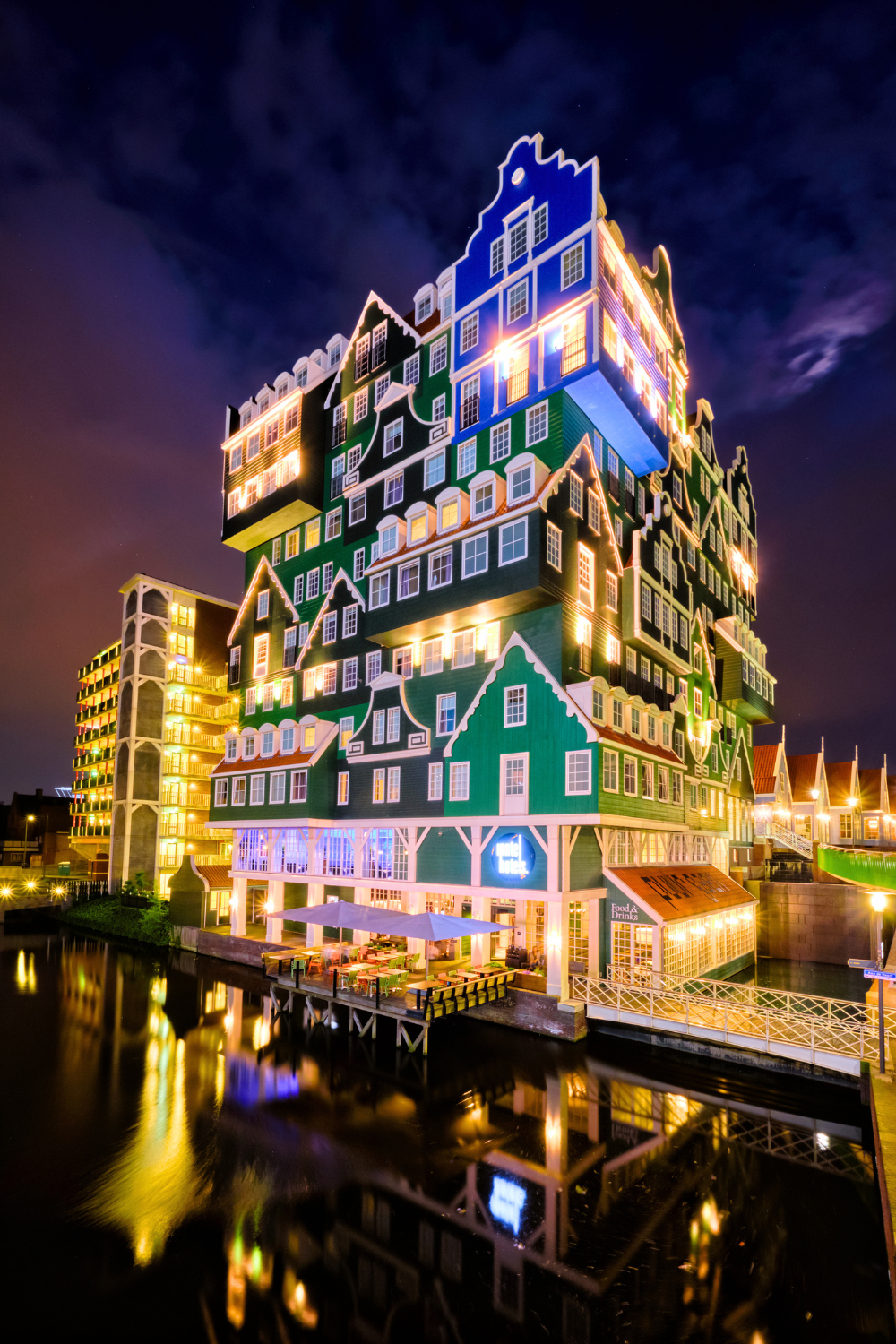
The first time you see it, you’ll probably stop walking mid-stride and just stare. I did. The Inntel Hotel Amsterdam Zaandam is one of those rare buildings that actually lives up to its photographs, and then some.
Completed in 2010 and designed by Wilfried van Winden, the hotel stacks nearly 70 traditional Zaanse houses — each slightly different in colour, angle, and style — on top of each other, reaching 40 metres into the North Holland sky. The effect is somewhere between a fever dream and a masterclass in contextual architecture. It’s simultaneously absurd and perfect, and it sits right across from the main train station, meaning it’s literally the first thing you see when you arrive in Zaandam.
Each mini-façade references a different chapter of local history: step rooftops, painted shutters, the characteristic green-and-white colour palette of the Zaan region. Look carefully and you’ll spot one blue house among the green ones — that’s a deliberate nod to Claude Monet’s famous painting of the Blue House in Zaandam, which he made during his 1871 summer stay here. The hotel itself is four-star and very comfortable, but you don’t need to be a guest to stand outside and take the photo. Head past the Bagels & Beans café to the elevated boardwalk over the canal for the best angle.
Local tip: The hotel’s ground-floor canal terrace is a brilliant spot for a drink in the afternoon sun. Grab a Dutch beer or a koffie verkeerd and watch the Zaan River do its thing. Non-guests are entirely welcome.
2. The Stadhuis (Town Hall) — When Architecture Becomes a Statement
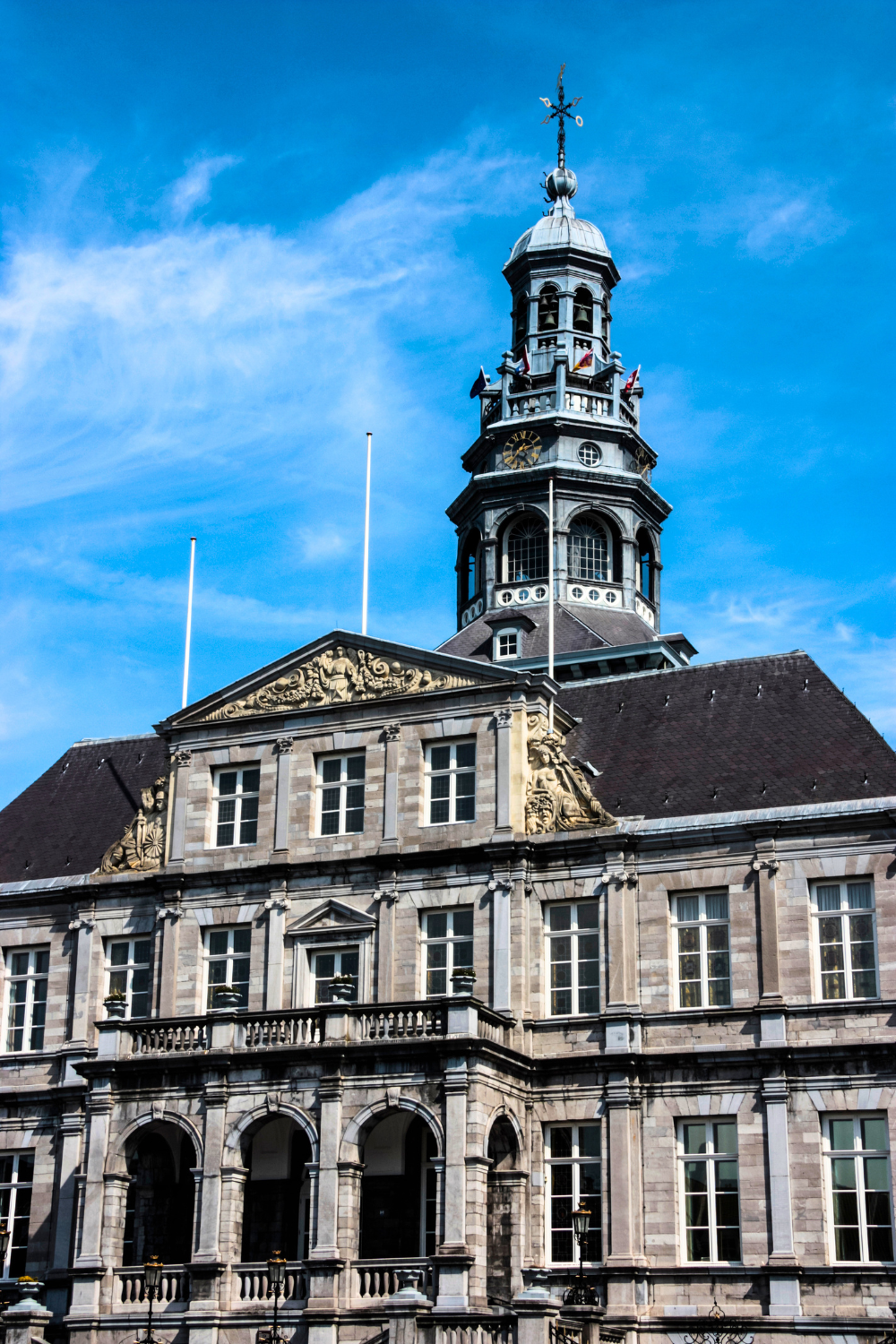
Right next to the hotel and the train station, Zaandam’s city hall — the Stadhuis — is another architectural curveball that takes a moment to process. Rather than building a single grand civic structure, the architects created a collection of buildings with Zaan-style façades that look like a colourful streetscape from a Dutch village — except they’re all connected and they contain the offices of the municipal government.
The clock tower at its centre is particularly good: a squat, jaunty structure topped with golden clock faces and flanked by swan sculptures, framed by steep red-tiled rooftops and green-painted gables. It has an almost fairy-tale quality to it. The whole complex was designed with a deliberate respect for the regional vernacular architecture of the Zaanstreek, making it feel rooted in its surroundings even though it’s entirely modern.
This one surprised me. I walked past it the first morning expecting a forgettable government building, and instead found myself spending twenty minutes circling it, working out angles. It’s the kind of civic architecture that actually makes you feel good about a place — like the city takes pride in what it looks like.
Local tip: The courtyard behind the main entrance is quieter and often overlooked by visitors. Sit on one of the benches and you’ll have the whole green-and-red roofline to yourself, without the bustle of the main pedestrian street.
3. Gedempte Gracht — The Canal That Came Back to Life
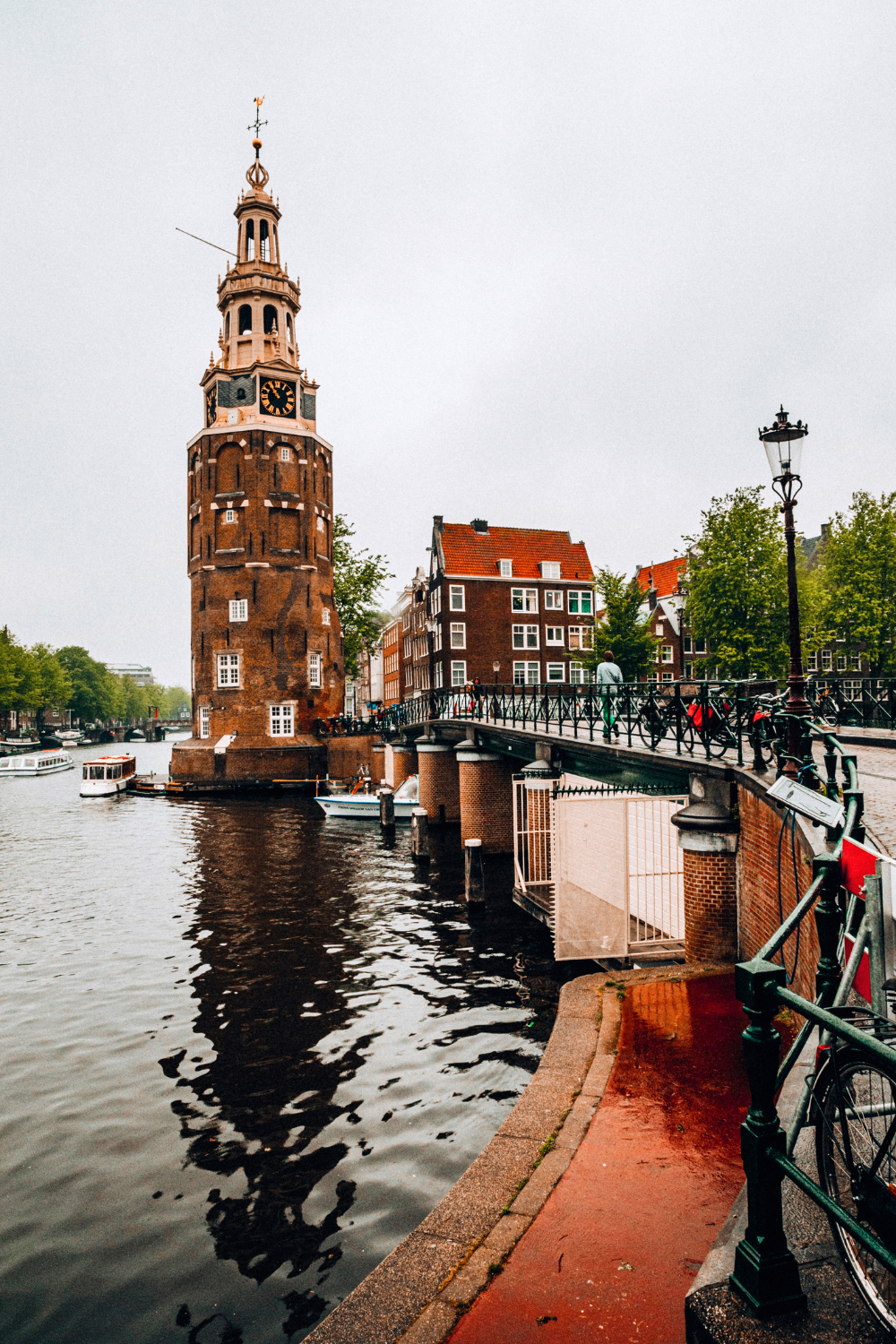
Gedempte Gracht is Zaandam’s main shopping street, but what makes it genuinely interesting is the canal that runs through its heart — a canal that was paved over for decades and only recently restored. That’s right: they dug it back up. And the result is one of the prettier main streets in the Netherlands.
The canal is narrow and decorative rather than navigable, lined with arched pedestrian bridges, hanging flower baskets (particularly spectacular in late spring), and the usual mix of local boutiques and high-street brands. Walking its length takes about ten minutes at a leisurely pace, and the combination of old Zaanse architecture modernised for retail use and the restored waterway gives it a character that feels genuinely Dutch rather than generically pedestrianised.
The cafés along the Gracht — places like Lagome and a handful of smaller bakeries — open around 9am, which means this is a good place to start a morning slowly. Order something sweet, grab a window seat, and watch Zaandam begin its day. This is where locals do their shopping and errands, and the unpretentious rhythm of it is part of the appeal.
Local tip: Walk the full length of the Gracht and continue past the Beatrixbrug bridge to find the newer residential district around the Zaan River waterfront. It’s mostly modern housing but the river views from the drawbridges are genuinely beautiful, especially in golden-hour light.
4. The Czaar Peterhuisje — Where History Gets Very Small
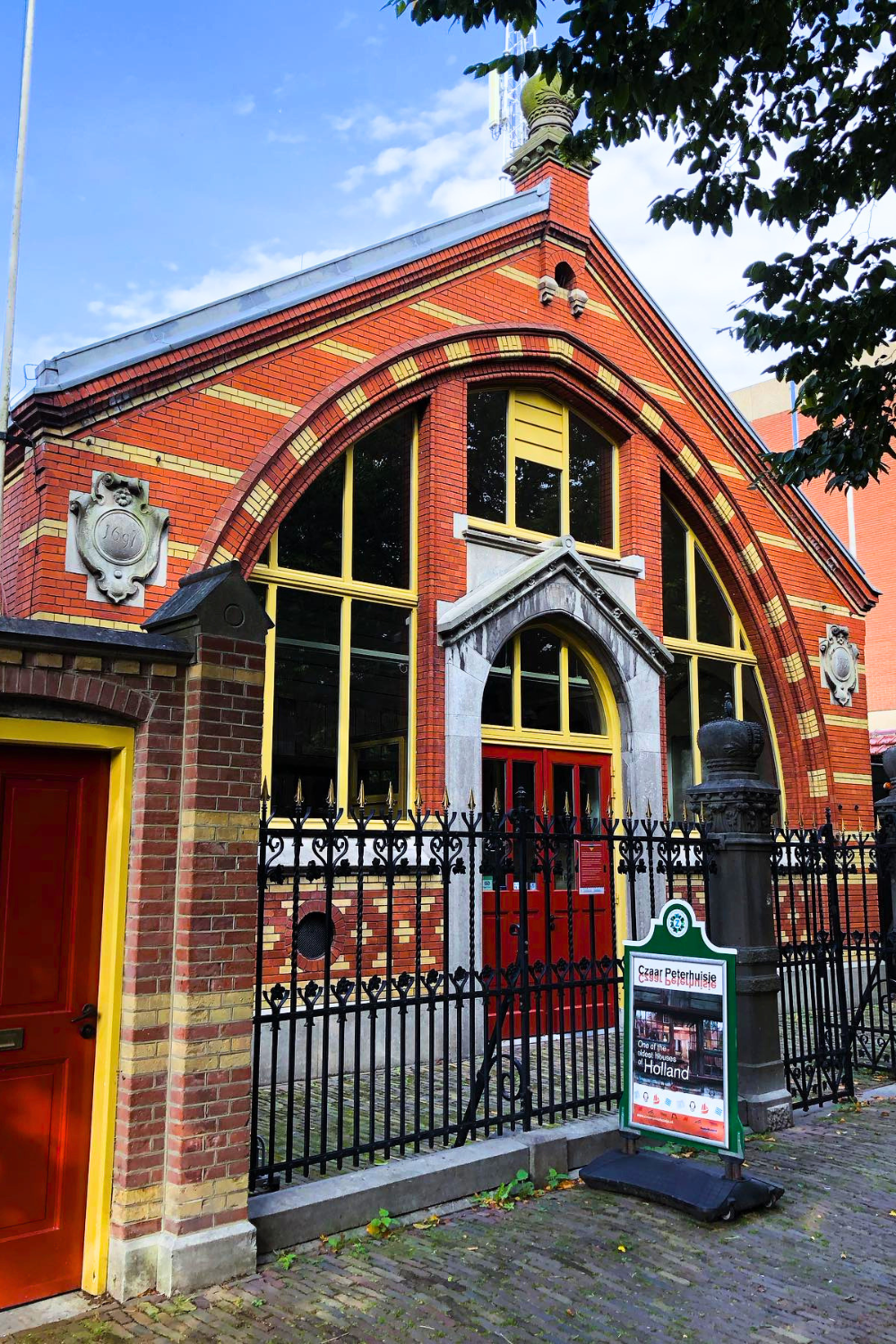
Let me be honest with you: the Czaar Peterhuisje is tiny. We’re talking about a wooden house roughly the size of a large shed, so cramped and low-ceilinged that you have to duck to move between rooms. And yet it’s one of the most fascinating historical buildings in the entire Netherlands, partly because of who slept there and partly because of the absurdity of the whole situation.
In 1697, Peter the Great — Tsar of all Russia, one of the most powerful men on earth, a man who stood 2.03 metres tall — came to Zaandam incognito. He was fascinated by the shipbuilding techniques of the Dutch, who were then the world’s greatest maritime power, and he wanted to learn the craft first-hand rather than just read about it. So he disguised himself as a common worker named Pieter Mikhailov, stayed in this tiny timber house belonging to a local blacksmith named Gerrit Kist, and went to work in the shipyards.
The disguise lasted about a week before everyone figured out who he was. The scale of the house — built partly from reclaimed ship timbers, now one of the oldest wooden houses in the Netherlands — is worth contemplating. This man, who ruled an empire spanning eleven time zones, chose to sleep in a space no bigger than a student dormitory room.
The museum has been operating in some form since 1823, making it the second-oldest museum in the Netherlands, and it’s been visited by Napoleon, various European monarchs, and countless tourists since. Climb the stairs (carefully — they’re steep), read the exhibits about the Dutch Golden Age shipbuilding industry, and marvel at the cheek of the man.
Local tip: Combine your visit with the Zaans Museum at Zaanse Schans using the package ticket — it works out cheaper and the two museums complement each other beautifully. Ask about the combination at the entrance.
5. The Monet Atelier — The Impressionist in the Drizzle
This one genuinely surprised me, and I say that as someone who is usually lukewarm about reproducing art museums. The Monet Atelier in central Zaandam turns out to be rather wonderful.
In the summer of 1871, Claude Monet came to Zaandam with his young wife Camille, rented a room, and proceeded to spend months painting the town in all its foggy, canal-reflected, windmill-dotted glory. He made 25 paintings during his time here — a remarkable body of work that shows this part of the Netherlands through Impressionist eyes, before the Industrial Revolution fully changed its character. The Atelier displays high-quality reproductions of all 25 of those paintings, hung at the right height, in rooms designed with a contemplative atmosphere.
What makes it particularly clever is the interplay between the paintings and the city itself. The museum provides walking maps that take you to the actual locations where Monet stood when he made each painting. You can compare what he saw with what exists today — in some cases the view is astonishingly similar, in others utterly transformed. It’s a surprisingly moving exercise, this business of seeing the same river through two sets of eyes separated by 150 years.
The Atelier also functions as an active cultural space — it hosts painting workshops and lectures throughout the year and serves as the starting point for guided Monet Walks through the city.
Local tip: Pick up the Monet Walks map at the Atelier before you explore the city. The walks are self-guided, free, and take you to corners of Zaandam that aren’t on any standard tourist route. The walk along the Zaan past the Blue House location is particularly good.
6. The Blue House (Het Blauwe Huis) — Monet’s Actual Muse
Speaking of Monet: one of his most famous Zaandam paintings depicts a modest blue-painted wooden house near a bridge, rendered in that soft, colour-saturated Impressionist style. That house still exists. You can find it near the William Pontbrug, and it’s painted blue to this day — a single vivid note among the characteristic greens of the Zaanstreek.
It’s not a museum or a shop. It’s just a house, and that’s what makes it special. There’s something quietly lovely about standing in front of an ordinary family home and knowing that a master painter found it worth recording, and that it has endured, in approximately the form he saw it, for a century and a half.
Most visitors to Zaandam walk straight past it because it’s not signposted loudly. The area around it is residential and peaceful — a far cry from the tourist circuits of central Zaandam.
Local tip: Visit in the morning when the light is soft and coming from the east. The combination of blue paint, green water, and the old bridge makes for genuinely beautiful photography — and unlike the Instagram spots in Amsterdam, you’ll most likely have it almost to yourself.
7. The Czaar Peter Monument & Dam Square — The Bronze Giant
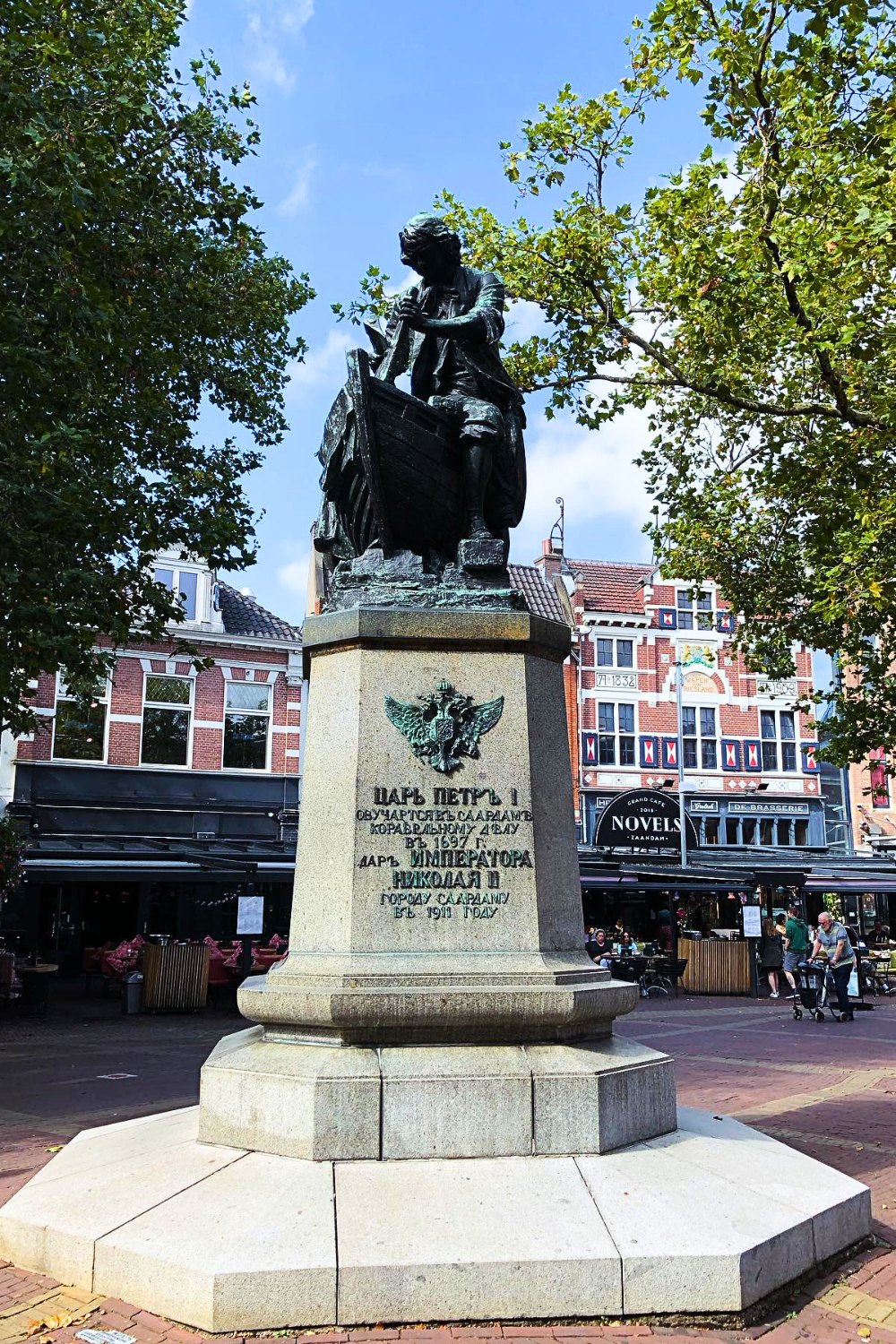
On the main Dam Square in central Zaandam stands a bronze statue of Peter the Great: larger than life, looking imperious, and generally giving the impression of a man who would not be happy about being recognised. It was installed in 1911 as a gift from Tsar Nicholas II — one Russian autocrat honouring another, separated by two centuries.
The square itself has a pleasant, unhurried energy. There are benches, cafés with outdoor seating, and a fountain that the local pigeons have entirely claimed as their own. It’s a nice place to sit and eat something — grab a stroopwafel from one of the stalls and watch the world go by. Dam Square in Zaandam has none of the frantic tourist energy of its Amsterdam namesake, and all the better for it.
The monument also gives you a good excuse to orientate yourself spatially in Zaandam. From here, you’re within easy walking distance of the canal, the Czaar Peterhuisje, and the main shopping district.
Local tip: A few bars and restaurants around Dam Square stay lively into the evening, making this a surprisingly decent spot for Zaandam’s modest but genuine nightlife. Local bars tend to fill up on Friday and Saturday nights with a refreshingly unpretentious crowd.
8. Zaanse Schans — The Windmill Village Worth Every Cliché
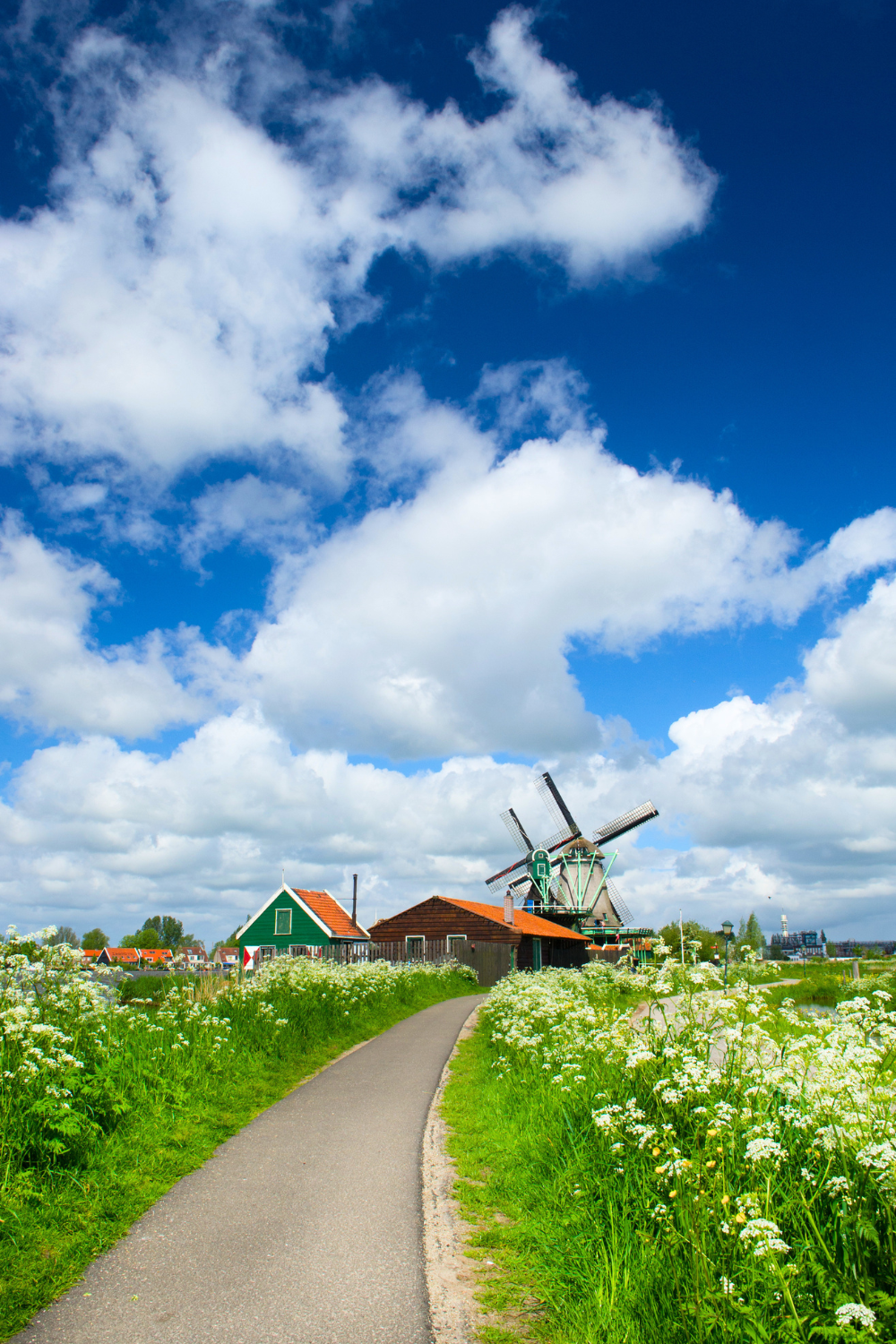
I know. You’ve seen the photos. You think you know what Zaanse Schans is — a postcard with admission charges and too many tour buses. And you’re partially right. But it’s also genuinely, undeniably magnificent, and I would be doing you a disservice if I told you to skip it because it’s popular.
Zaanse Schans is a neighbourhood of Zaandam — not a theme park, but an actual living community where some residents still have permanent addresses — that was established as a preservation project from the 1960s onwards. Historic buildings, windmills, workshops, and green wooden houses were transported from across the Zaanstreek region to create a kind of open-air museum of traditional Dutch industrial life. The outside is entirely free to visit. You pay only for individual windmill entries (around €6 each) or the full Zaans Museum package.
The windmills are the stars. De Kat (The Cat) is a paint and dye mill from 1664, still grinding pigments for traditional Dutch paints. De Huisman grinds spices just as it has since 1786. Het Jonge Schaap is a working sawmill. Climbing inside any one of these — feeling the whole structure move around you as the sails turn overhead — is an experience that photographs simply cannot prepare you for.
Beyond the mills, there’s a clog workshop where you can watch artisans carve wooden shoes by hand, a cheese farm offering samples of young and aged Gouda, a bakery museum, a pewter foundry, and — perhaps most wonderfully — the first-ever Albert Heijn grocery store, reconstructed exactly as it looked in the late 19th century.
Local tip: Come before 9am or after 4pm. The coach tours arrive mid-morning and leave mid-afternoon, and the difference in atmosphere is dramatic. Early morning with a thin mist over the Zaan and the windmills turning in the quiet — that’s the version of Zaanse Schans that earns all the fuss.
9. The Zaans Museum — Understanding the Region Properly
Sitting right at the entrance to Zaanse Schans, the Zaans Museum is the best place to actually understand what you’re looking at when you wander through the region. Its permanent collection covers the industrial and cultural history of the Zaanstreek from the 17th century onward, and it does so with the kind of craft and intelligence that makes you forget you’re in a regional museum.
The star exhibit is a panoramic painting — 11 metres wide — showing the Zaan River as it looked around 1800, when over a thousand windmills lined its banks. Standing in front of it and then walking outside to the view of the ten surviving mills is a quietly profound exercise in how much the world has changed, and how much hasn’t. The Verkade Experience within the museum takes you through the history of one of the Netherlands’ most beloved biscuit and chocolate brands, which was founded in the Zaanstreek and whose cocoa-scented factory still operates nearby.
The museum has a Museumkaart arrangement that makes combined ticketing with other Zaandam attractions very worthwhile. If you’re a culture enthusiast, budget two hours minimum.
Local tip: The museum shop is genuinely good — not the usual tourist tat, but locally produced foods, high-quality prints, and books about regional history and Monet in Zaandam. Worth a browse even if you’re in a hurry.
10. Windmill De Schoolmeester — The One Without the Crowds
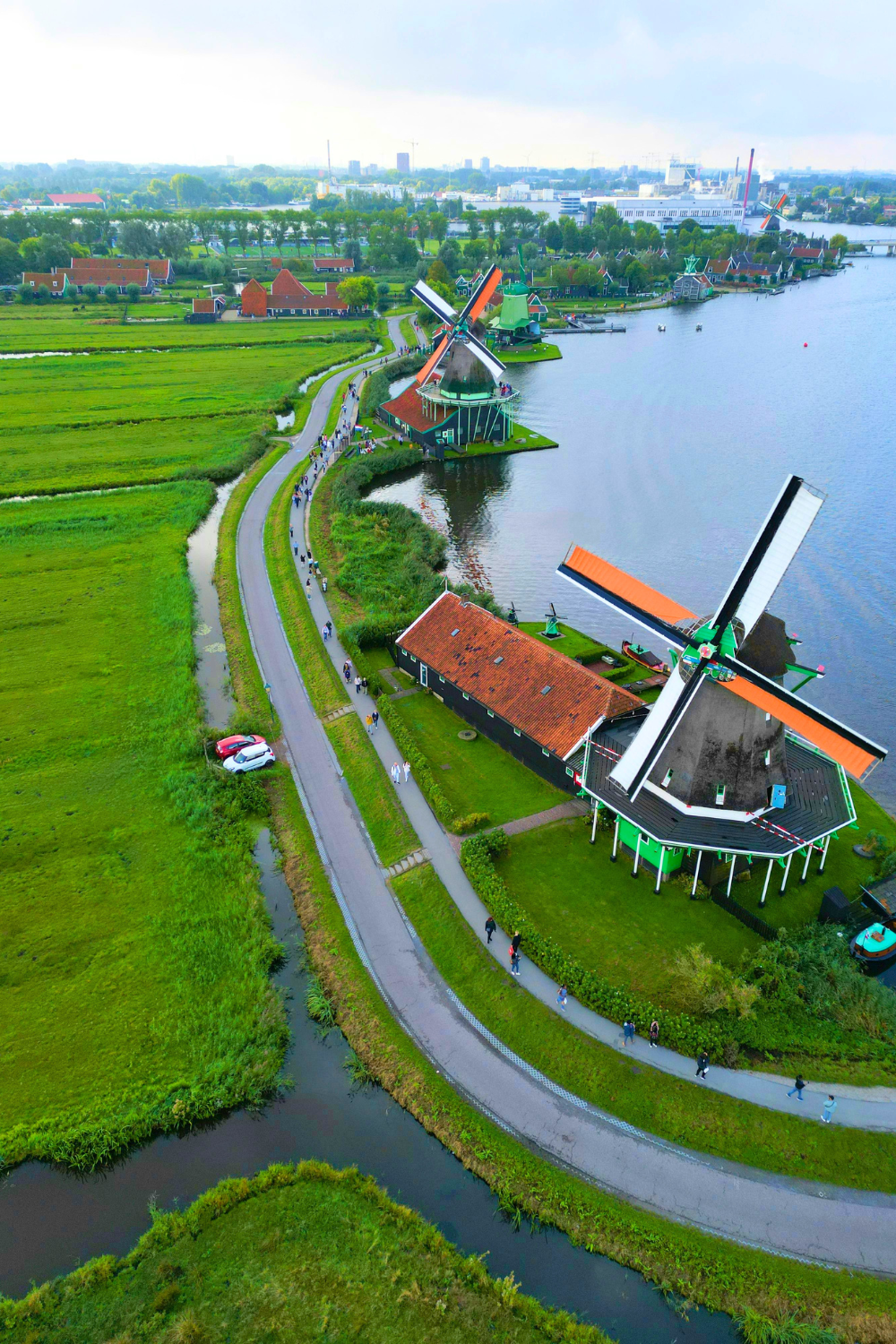
Here’s the thing about Zaanse Schans: it’s not the only place with windmills. Not even close. The wider Zaanstreek has several working mills scattered across its landscape, and one of them — De Schoolmeester in the nearby village of Westzaan — is, I’d argue, a better experience than any of the Zaanse Schans windmills, precisely because almost nobody goes there.
De Schoolmeester, built in 1692, is the only remaining wind-powered paper mill in the world. It still operates, still makes paper the way it has for over three centuries, and it’s open five days a week. You can go inside, watch the machinery turn, and talk to the volunteer millers who run the place with a genuine passion for what they do. There are no souvenir shops. There are no tour buses idling outside. There’s just an ancient windmill doing what ancient windmills do.
Getting there from Zaandam requires a short bike ride or a bus, which keeps the crowds away and makes the approach along the flat polderland feel like a genuine discovery.
Local tip: Check De Schoolmeester’s website before you go — opening days vary seasonally. If you’re lucky enough to visit on a windy day, the mill will be running at full speed. There is nothing quite like hearing the structure groan and thump as the sails pick up in a proper Zaanstreek wind.
11. The Rozengracht Market — Saturday Morning as It Should Be
If you’re in Zaandam on a Thursday or Saturday, do not sleep in. The Rozengracht market in the city centre is one of those properly local markets that feels like it exists for residents rather than visitors — and that’s precisely what makes it so good.
The market sprawls across the street on market days and offers exactly what you’d want from a Dutch street market: fresh herring, stroopwafels made on the spot, piles of flowers, local cheese (some stalls will vacuum-pack it for travel, which is clever), bread, vegetables, and the kind of chaotic, cheerful energy that you only get when actual local people are actually doing their actual shopping.
The cheese prices here are significantly more affordable than anything you’ll find at Zaanse Schans, and the quality is comparable. The stroopwafels fresh from the iron are something else entirely — warm, chewy, caramel-filled, and best eaten immediately while standing next to the stall.
Local tip: Saturday’s market is larger and more varied than Thursday’s, with a wider range of products. But Thursday is quieter and has a pleasantly unhurried atmosphere that suits a slow morning. Either way, arrive by 10am before the stalls at the popular end start to thin out.
12. Hembrugterrein — The Industrial Complex Turned Creative Hub
Just at the edge of Zaandam, on a peninsula stretching into the Zaan River, lies one of the most atmospheric spots in the entire region: the Hembrugterrein, a former arms and ammunition factory that operated from 1895 to 2003 and has since been transformed into a creative and cultural complex.
The site is enormous — over 100 red-brick industrial buildings spread across a heavily wooded peninsula — and it has the kind of grand, slightly melancholy beauty that only genuinely old industrial spaces have. Rust-coloured brick, oversized factory windows, mature trees growing through cracked concrete, and the river visible through gaps in the buildings. It’s the sort of place that photographers, urban explorers, and architects absolutely lose their minds over, and rightly so.
Today the complex houses restaurants, art studios, market events, and creative businesses. The Hembrug Museum tells the history of the factory. There are regular open events, including a popular monthly flea market. Even on a quiet Tuesday afternoon, it’s worth walking just to absorb the scale and atmosphere of the place.
Local tip: The restaurant on site has outdoor seating overlooking the Zaan River, and the sunsets from the Hembrugterrein can be spectacular. Combine an afternoon visit with an early dinner here if the timing works — it’s a very different Zaandam from the green-house postcard, and all the more interesting for it.
13. Cycling Along the Zaan River — The Best Way to See Everything
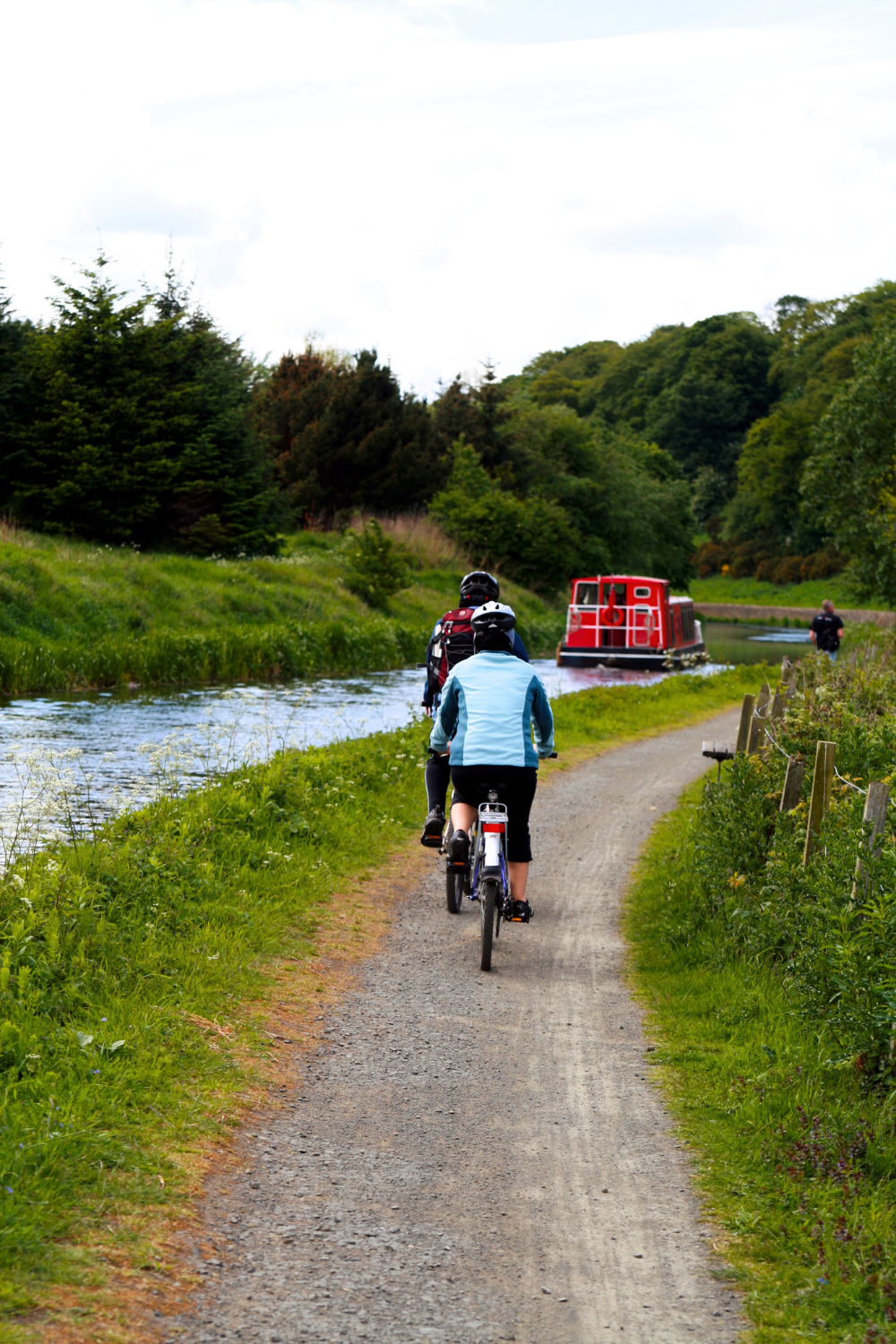
Let me tell you something: Zaandam and the Zaanstreek were designed for bicycles. The land is absolutely flat, the distances between interesting things are perfectly calibrated for cycling rather than walking, the bike paths are excellent, and the scenery — polders, drawbridges, the occasional windmill on the horizon — is exactly what you came to the Netherlands to see.
Renting a bike from Zaandam gives you access to a completely different experience of the region. You can cycle from the town centre to Zaanse Schans in about fifteen minutes, continue north past Zaandijk to the village of Westzaan and De Schoolmeester windmill, or head east along the polder roads through an almost completely flat landscape of reed beds, grazing sheep, and absolute silence broken only by wind.
The riverside route south from Zaandam toward Amsterdam passes through some genuinely beautiful semi-rural stretches before the city starts to appear. Pack a lunch, find a waterside spot, and have a picnic. This is the Netherlands at its most Dutch, and it costs almost nothing.
Local tip: Bike rental is available at and near Zaandam station. If you have an Amsterdam & Region Travel Ticket, check whether it includes any bike-share benefits. The ride from Amsterdam to Zaandam itself (cycling, not train) takes roughly 60–75 minutes and is a genuinely lovely way to arrive — crossing the IJ River and watching the city give way to countryside within minutes.
14. The Zaanbocht — Quiet Canalside Wandering at Its Best
Away from the main tourist circuit, the Zaanbocht is the kind of neighbourhood you stumble into and immediately wish you’d brought more time. It’s an old residential and small-industry district along a bend in the Zaan River, characterised by traditional green wooden houses, small bridges, and the general feeling that not much has changed here in the past hundred years.
This is where you see the real daily life of Zaandam: laundry on balconies, small boats moored behind garden gates, cats sleeping in windowsills, the smell of something cooking drifting from an open kitchen. It’s not a tourist attraction in any formal sense — there are no opening hours, no entrance fees, nothing to “do” except walk and look. And that turns out to be quite a lot.
The Zaanbocht makes for a good late-afternoon wander after you’ve done the museums and the windmills, when the light is golden and you just want to move slowly through an interesting place.
Local tip: Bring a good camera and a long lens. The combination of green wooden façades, water reflections, and soft late-afternoon light makes for some genuinely lovely photography. The narrow streets near the Zaan are particularly good.
15. A Boat Tour of the Zaan River — Everything from the Water
This is the thing that completely changes how you understand the region. From the level of the road or the riverbank, you see the Zaan River as a backdrop. From a boat, you realise that the whole Zaanstreek is built in relation to it — the windmills angled to catch the prevailing wind, the houses arranged along it, the old industrial buildings using it for transport. The river is not a detail. The river is the whole point.
Several boat tours operate from Zaandam and from the Zaanse Schans, ranging from short sunset cruises to longer tours that take in multiple sections of the river. The smaller, more personal operations are worth seeking out — guides who actually know the history of the mills and the families who operated them, rather than just the generic highlights. The Tripadvisor reviews for the boat tours out of Zaandam regularly mention one particular local guide named Raymond by name, which is always a good sign.
A boat tour in the early evening, when the day-trippers have gone and the light starts to go warm over the river, is one of the best experiences the Zaanstreek has to offer.
Local tip: Book ahead in summer, particularly for small-group tours. And if you get a choice of seating, sit on the side facing west for the afternoon and evening runs — the light on the windmill sails as the sun drops is worth a little strategic planning.
16. The Darwin Park and the Green Spaces — Breathing Room
Zaandam has several parks and green spaces that are largely the preserve of locals, and the best of them is Darwin Park, a pleasant area that offers exactly what you need after a day of museums and windmills: somewhere to sit under a tree and do nothing in particular.
The polders around Zaandam are also worth exploring on foot — these protected wetland areas are home to local wildlife, including various wading birds, and on a clear day offer wide, uninterrupted views of the North Holland sky that feel enormous after the compressed urban lanes of Amsterdam. There’s a Heemtuin (nature garden) in Zaandam that’s particularly good for a quiet hour, with a wildflower meadow and a small pond that attracts urban wildlife in considerable numbers.
Local tip: If you’re visiting in spring, the polderland around Zaandam has wildflowers in the verges of the dyke roads that are genuinely beautiful. A weekday morning cycle through this landscape, with almost no traffic, is one of the more peaceful things I’ve done in the Netherlands.
17. Westzaan — The Ribbon Village Nobody Visits
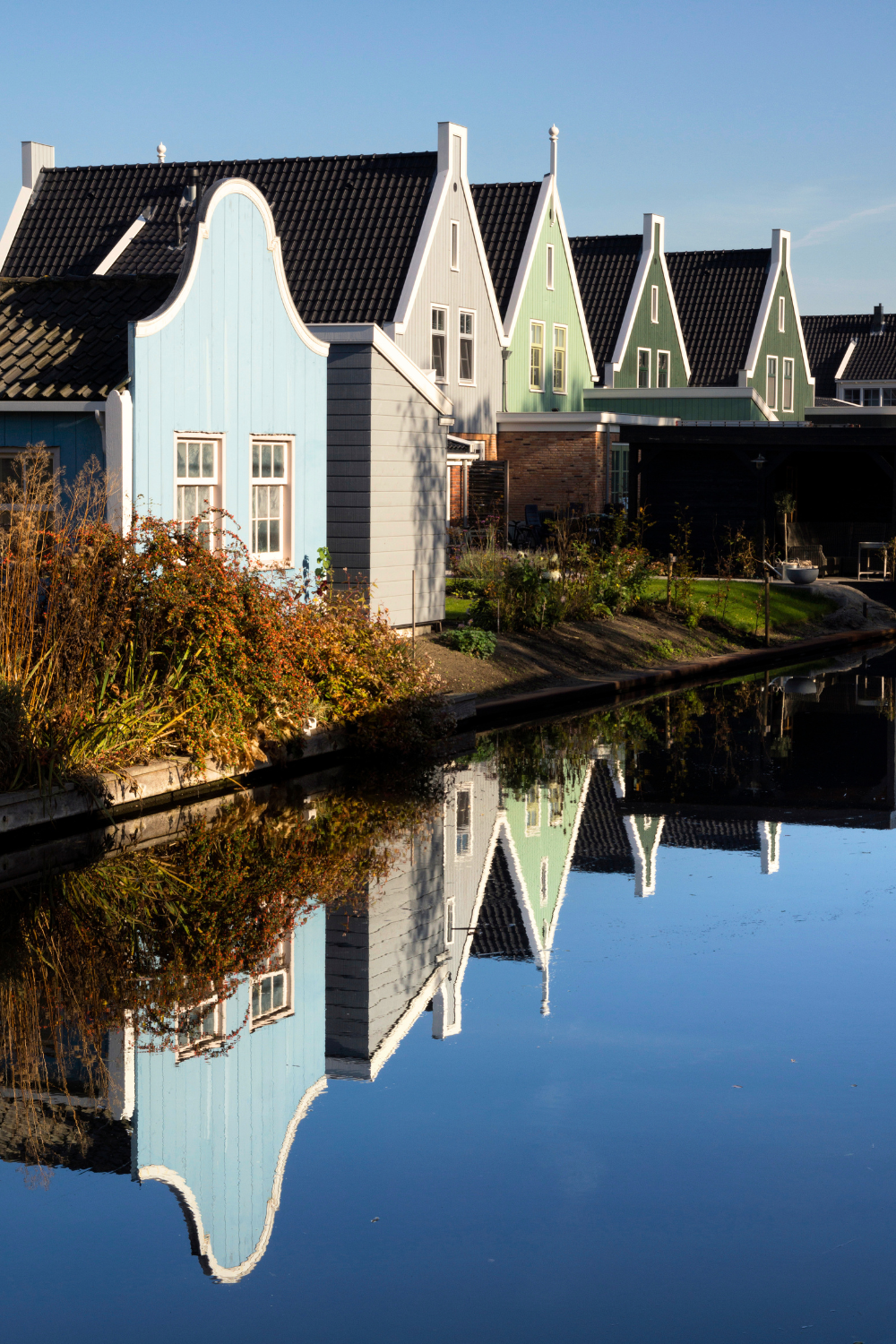
A short cycle or bus ride from Zaandam, the village of Westzaan is what I’d call a lintdorp — a ribbon village, built in a single long line along its main road, with water on either side. It has been inhabited and largely unchanged in character since the 17th century, and it has an extraordinary tranquility about it.
The main street of Westzaan runs past traditional green houses, a windmill or two, small bridges crossing the water on either side, and a church that has been watching over this village since before the Dutch Republic became a global trading power. There are almost no shops, no tourist facilities, and no particular “attraction” in any formal sense. It is simply a beautiful Dutch village that still feels like a Dutch village rather than a performance of one.
Westzaan is also where De Schoolmeester windmill stands, which gives you two very good reasons to make the trip.
Local tip: The walk or cycle from Zaandam to Westzaan (roughly 3–4 km) takes you through polder landscape with wide views and very little traffic. Don’t rush it. Stop at the small drawbridges to watch the waterway traffic — there’s usually a flat-bottomed boat or two moving through, and the whole scene feels like a Dutch Golden Age painting done in real life.
18. The Inntel Hotel Breakfast or a Coffee at Bagels & Beans — Getting Your Morning Right
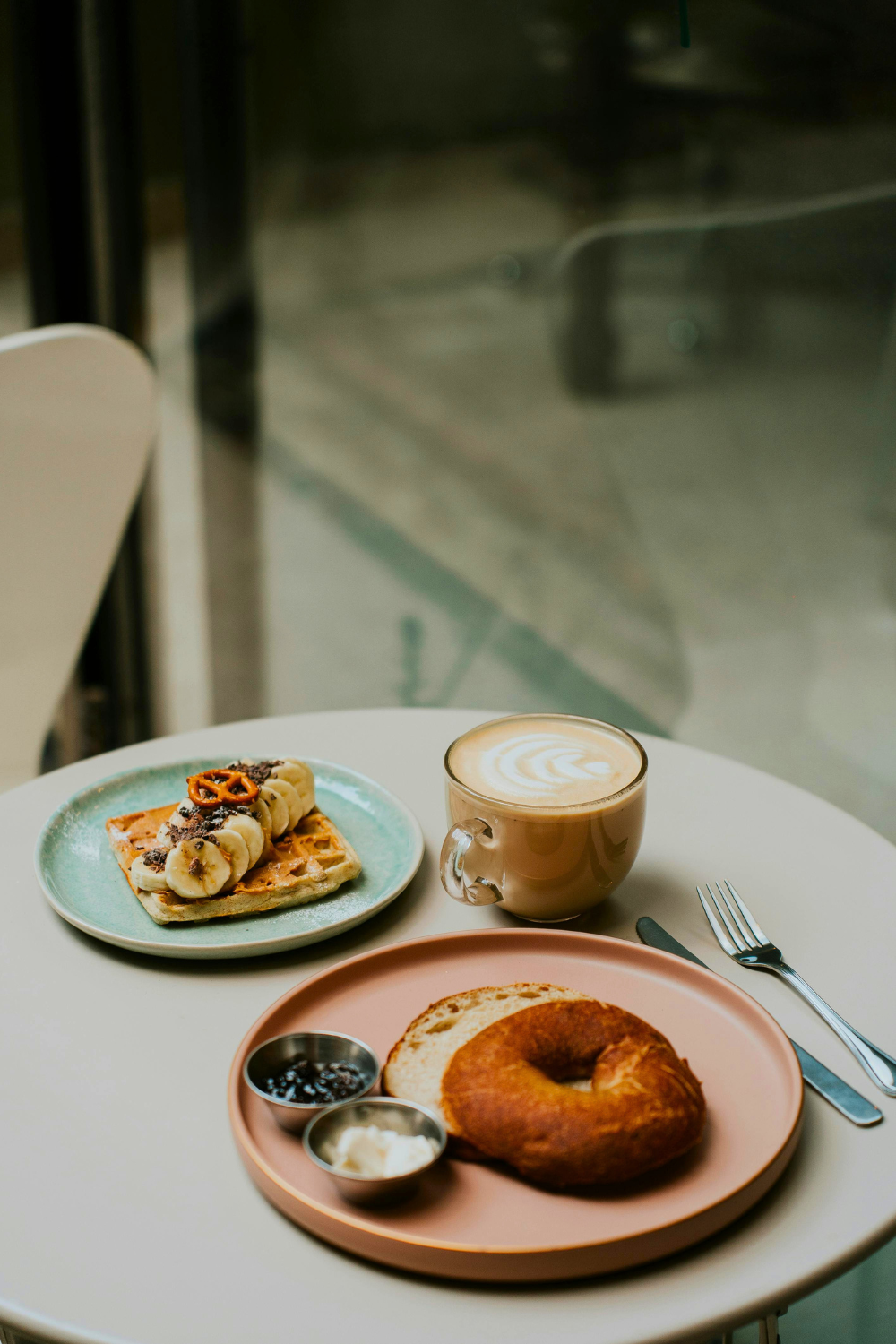
This isn’t exactly a “destination” in the usual sense, but hear me out: starting your Zaandam day correctly makes an enormous difference. The area immediately around the train station — the Stadshart — has several good options for a morning coffee before the museums and windmills begin.
Bagels & Beans, right near the Inntel Hotel, is the most reliable option: good coffee, decent bagels, outdoor seating on the canal-side boardwalk, and that excellent view of the hotel’s stacked facades to contemplate over your koffie verkeerd. The Lagome Café on Stadhuisplein is another solid choice, with a slightly more local and less tourist-facing feel.
If you’re staying at the Inntel Hotel itself, the breakfast room has views of the canal that justify the hotel’s existence all on their own.
Local tip: Most museums and attractions in Zaandam don’t open until 10am or later. Use this to your advantage — arrive early by train, have a leisurely breakfast, walk the canal, photograph the hotel while it’s still quiet, and then time your arrival at the Czaar Peterhuisje or Zaans Museum exactly as the doors open.
19. The Hondsbossche Sluis — Hydraulic Engineering as Drama
This is a genuinely niche recommendation, and I mean that as a compliment. The Hondsbossche Sluis is a historic sluice (water lock) in Zaandam that has been managing water levels in the Zaan River system since the 19th century. It’s a piece of Dutch water engineering infrastructure — the kind of thing that makes the Netherlands possible — and it’s rather beautiful in an honest, functional way.
The Dutch relationship with water is unlike anything else in the world. This country exists largely because of engineering, and the Hondsbossche Sluis is a small, accessible, and not-at-all-crowded example of the hydraulic systems that underpin Dutch life. The Julianabrug drawbridge nearby is also worth a few minutes of contemplation — these working drawbridges open regularly for river traffic, and watching the whole mechanism operate is oddly satisfying.
Local tip: Position yourself on the riverbank and wait for a boat to come through. The drawbridge goes up, traffic stops, the boat passes, the bridge descends. The whole sequence takes about five minutes and is entirely free to watch. It’s the kind of slow, mechanical, purposeful process that feels almost meditative.
20. Day Trip Out to Fort Kijkuit & the Dutch Water Line — UNESCO Heritage on the Doorstep
For those who’ve covered the Zaandam highlights and want to stretch further, the Dutch Water Line is one of Europe’s most remarkable and least-celebrated UNESCO World Heritage Sites. This 200-kilometre defensive line, stretching from the Zuiderzee to the Rhine, was built around Amsterdam and could be flooded in sections to hold off invading armies. The whole system relied on the precise management of water — very Dutch, very clever.
Parts of the northern section pass through the Zaanstreek, and Fort Kijkuit makes an excellent starting point for exploration. The fort itself is well-preserved and atmospheric, sitting in flat polder landscape with wide views and a real sense of strategic history. Combined with a cycle through the surrounding countryside, it makes for a superb half-day extension.
Local tip: The fort is best visited on a weekday when guided tour groups are less likely to be present. Bring good walking shoes — the ground around the moat and earthworks can be uneven, particularly after rain.
Practical Tips for Visiting Zaandam
Getting there is completely painless. From Amsterdam Centraal, trains run to Zaandam every 10–15 minutes, and the journey takes 11–14 minutes on the faster service. A single ticket costs around €3.50. If you’re planning to explore multiple areas of the region — Zaanse Schans, Volendam, Edam, or other day trips — the 1–3 day Amsterdam & Region Travel Ticket (around €21–€40 depending on duration) covers trains, trams, metro, and regional buses and pays for itself quickly.
From Zaandam, Zaanse Schans is two stops and about seven minutes by train to Zaandijk Zaanse Schans station, followed by a 10–15 minute walk. The whole journey from central Zaandam is under 25 minutes door to windmill.
On opening times: most cafés and shops along Gedempte Gracht open around 9am. The Monet Atelier and Czaar Peterhuisje open later in the morning, typically around 10–11am — check current opening times online before you go, as these do change seasonally. The Zaanse Schans village is free and open 365 days a year; individual windmills and museums charge separate entry and have their own hours.
The Rozengracht market runs on Thursday and Saturday mornings. The Saturday market is larger; Thursday is quieter. Both are worth it.
On parking: if you’re driving, be aware that Zaandam has a reputation for strict enforcement of parking rules in the centre. Use the official car parks and pay attention to the parking meters — a number of visitors have reported issues with unclear signage. Public transport is significantly easier.
The best time to visit for weather is May through September, though the tulip fields around Amsterdam peak in April. Spring and early autumn offer the best light and relatively manageable crowds. The windmills run throughout the year but the majority are open to visitors from April through October.
A Note on Staying Overnight
Zaandam rewards an overnight stay disproportionately. Once the day-trippers have gone home to Amsterdam, the city becomes quieter, more local, and rather more interesting. The Inntel Hotel Amsterdam Zaandam is the obvious choice — it’s genuinely good, the location is unbeatable, and staying there means you wake up to that extraordinary façade. There’s also a Best Western Zaan Inn for more budget-conscious travellers.
Staying overnight means you can do Zaanse Schans first thing in the morning — that 8am start before the coach tours arrive is worth its weight in gold — and spend the evening wandering the quieter residential neighbourhoods along the Zaan at your leisure.
There’s a particular quality to places that don’t try too hard to be loved. Zaandam is one of them — a city that’s been going about its business for four centuries, that happened to attract a Russian tsar and a French Impressionist master along the way, and that hasn’t let either of those facts go to its head. Come for the windmills. Stay for the canal at dusk, the Saturday market cheese, and the feeling of being somewhere that still belongs to the people who actually live there. That’s a rarer thing than it sounds.

