
I’ll be honest with you — I was a little smug about Paris before I went. I’d read the books, seen the films, heard the stories. I thought I had the city figured out before I’d even packed a bag. Then I stepped off the Eurostar at Gare du Nord on a grey Tuesday morning, smelled a boulangerie two doors down, and bought a warm pain au chocolat for €1.20 that I consumed in approximately four bites standing on the pavement. And just like that, the city had me.
Paris isn’t subtle. It doesn’t ease you in gently or wait for you to come around to it. It just grabs you by the collar and insists on being magnificent. The light is different here. The coffee tastes better. Even the disagreements feel more intellectual. After several trips — and one particularly ill-fated attempt to order duck confit with what I confidently believed was perfect French — I can tell you that Paris rewards the curious, the unhurried, and the quietly hungry.
This list of things you need to do in Paris isn’t the usual recycled top-ten you’ve already scrolled past a hundred times. Yes, we’re going to talk about the Eiffel Tower — obviously we are — but we’re also going to talk about a hidden 19th-century passage that smells of old books, a canal neighbourhood the guidebooks only recently discovered, and a food market that will rearrange your feelings about cheese. Let’s go.
Before You Go: A Few Things Worth Knowing
Paris is divided into 20 arrondissements — numbered districts that spiral outward from the centre like a snail shell. Knowing roughly which arrondissement you’re in tells you a lot about what’s nearby and what kind of neighbourhood you’re wandering through. The 1st and 4th are central and tourist-heavy. The 11th and 10th are younger, more residential, and frankly more fun for eating and drinking. The 18th gives you Montmartre. The 5th and 6th give you the Latin Quarter and Saint-Germain-des-Prés. None of them are bad. Some of them will become your favourites.
Paris is also a city best explored on foot, at least between the major arrondissements of the Right and Left Banks. The metro is excellent, the bike-share scheme (Vélib’) is easy to use, but nothing beats getting genuinely lost down a side street lined with wrought-iron balconies and stumbling across a fromagerie that has been operating since 1870. Budget more time than you think you need, and plan fewer things per day than you think you should. Paris is not a city you tick off a list. It’s a city you absorb.
1. See the Eiffel Tower — But Do It Right
Every first-time visitor walks toward the Eiffel Tower expecting to be slightly disappointed. It’s too famous, too photographed, too on-the-nose. And then it comes into view and you realise: no, it’s actually extraordinary. There’s no getting around it.
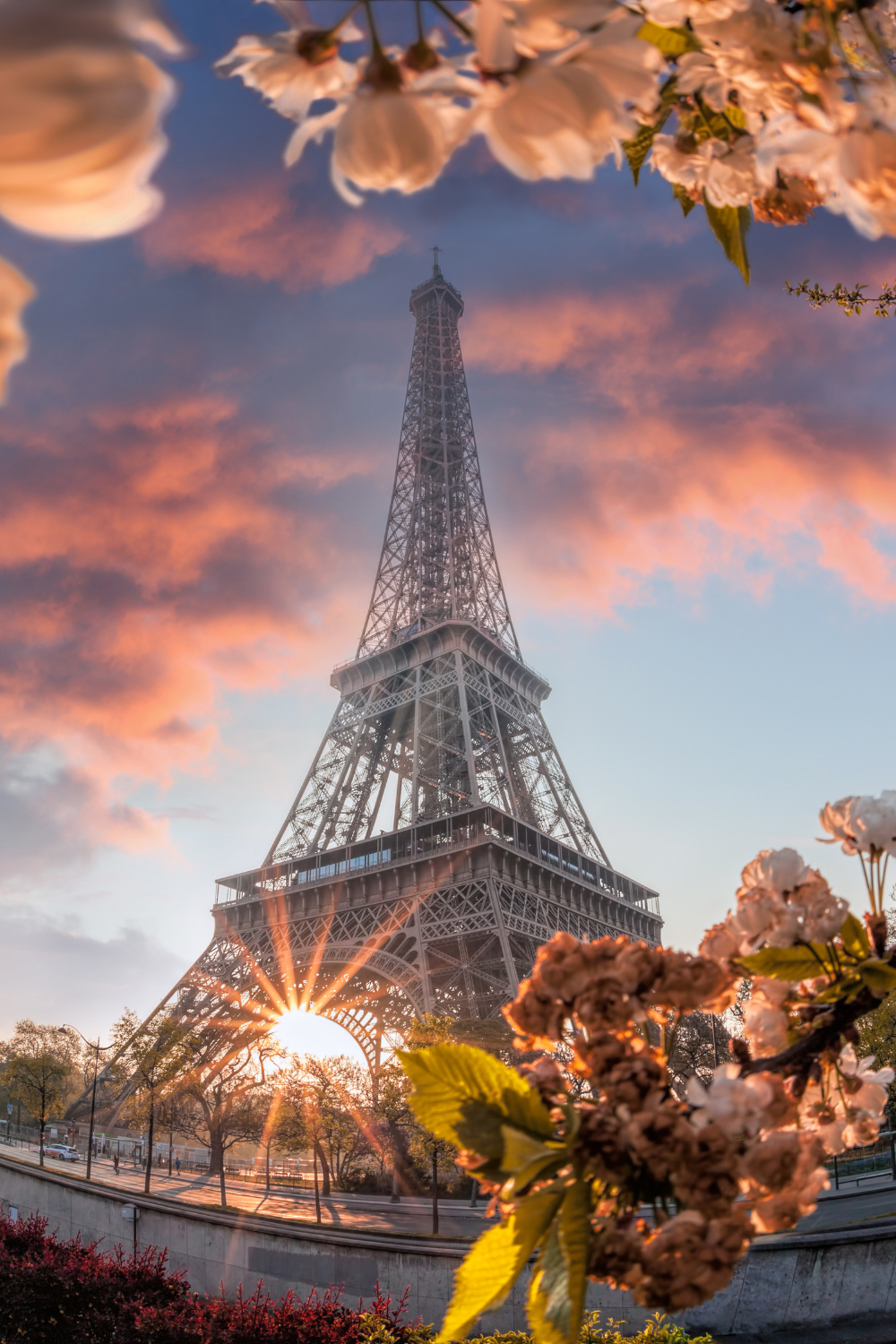
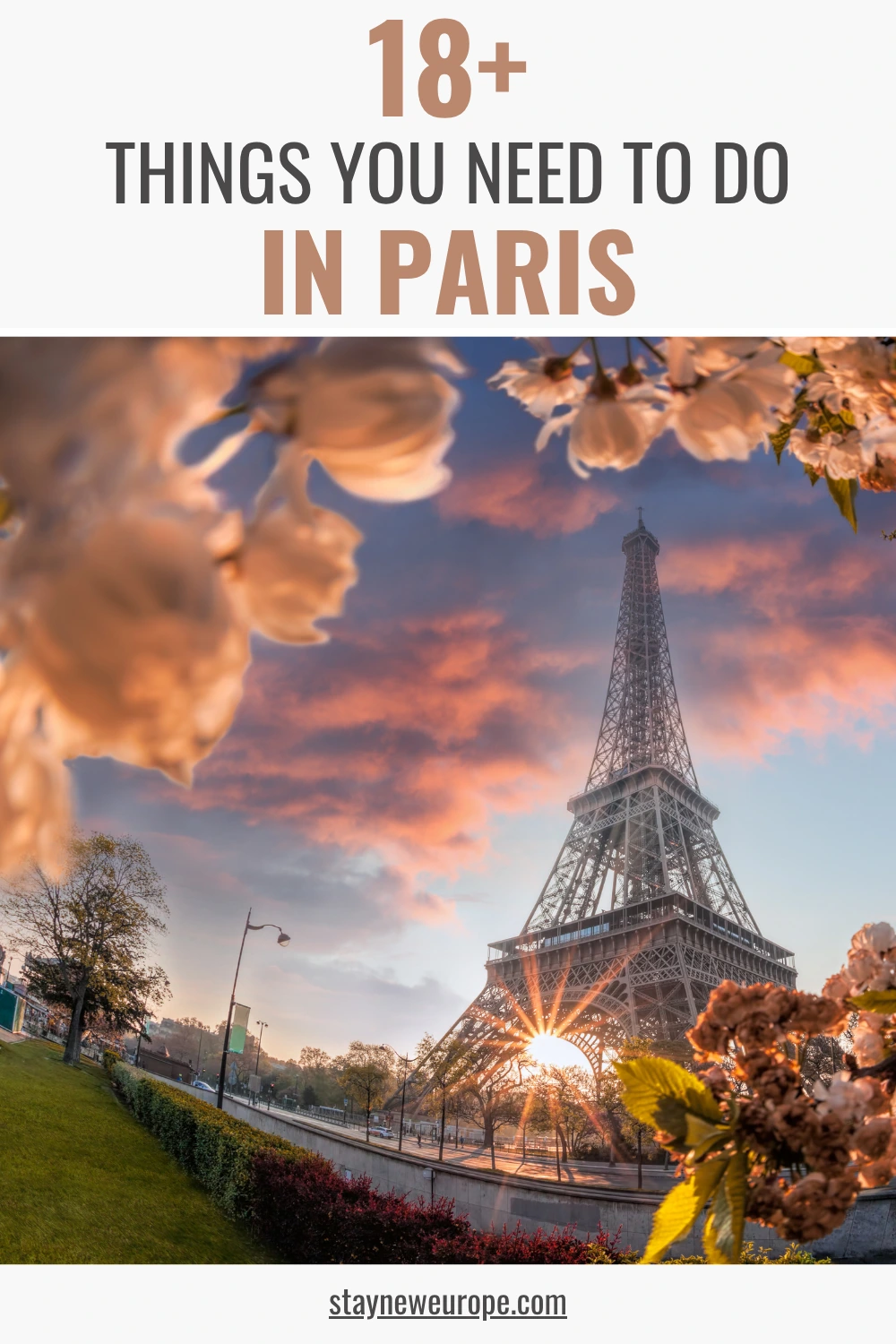
The trick is not fighting the crowds — it’s outflanking them. Instead of jostling for space directly beneath the tower, walk to the far end of the Champ de Mars, the long park that stretches out before it, and sit on the grass. From there, you get the full sweep of the iron lattice against the sky, you can spread out a picnic, and you don’t have to queue for anything. Alternatively, cross to the Place du Trocadéro on the opposite bank of the Seine. This elevated plaza frames the tower perfectly and is — hands down — the best photo spot in Paris.
If you’ve been before and want a fresh perspective, take the stairs (not the lift) to the second floor. The view of Paris from mid-height, looking straight down at the city grid, is genuinely different from the top. The lines of Haussmann’s boulevards make sudden sense from up there.
Local tip: The tower sparkles for five minutes at the top of every hour after dark until 1am. Find a quiet spot on the Pont de Bir-Hakeim — a double-decker bridge nearby — and watch from there. It’s one of those Paris moments that sounds cheesy until you’re standing there in the cold with your coat pulled up and your breath fogging in the air, and then it’s simply wonderful.
2. Lose a Morning at the Louvre
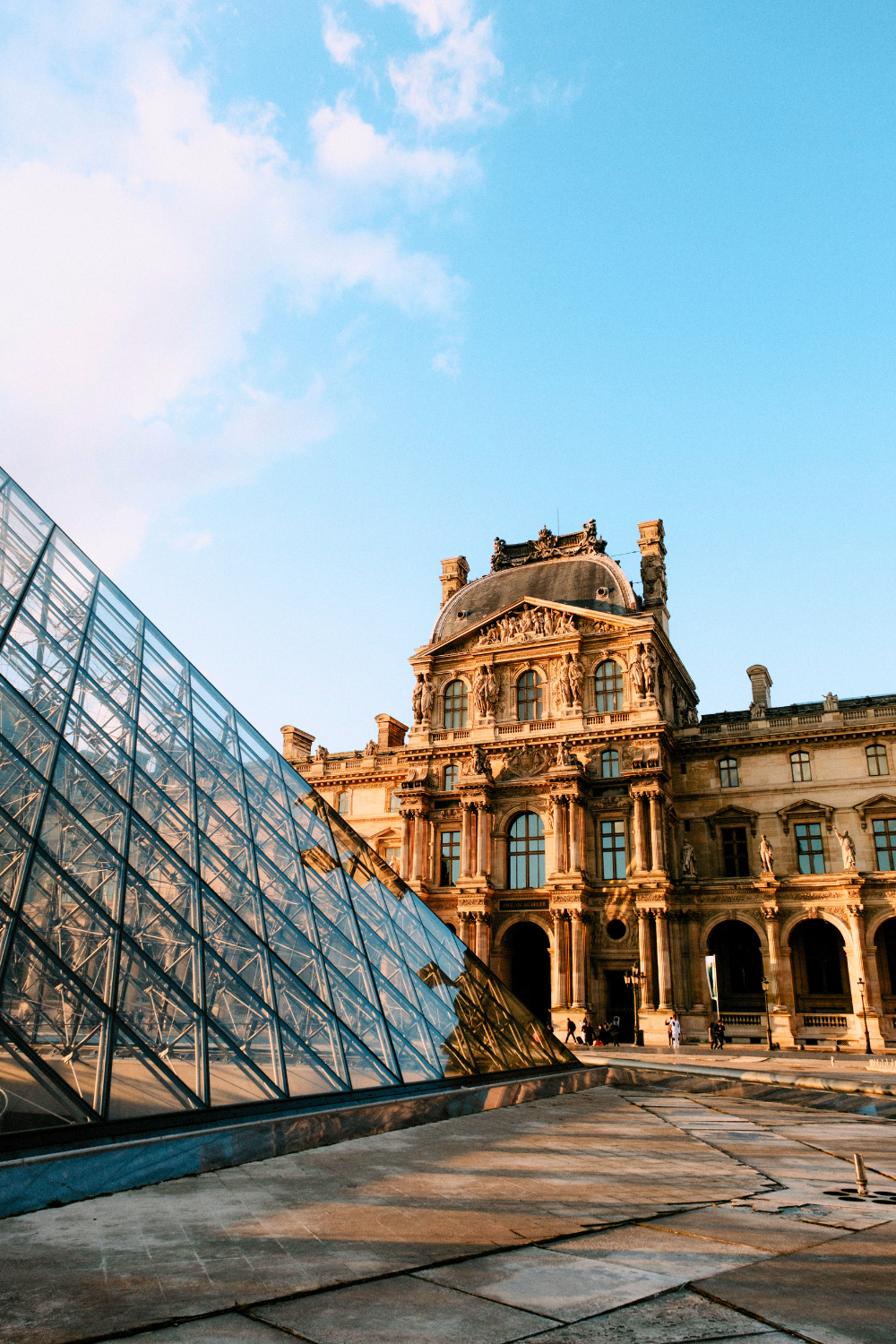
Let me be upfront with you: the Louvre is enormous. It is not a museum you “do” in two hours. It contains approximately 35,000 works of art across three wings, and if you spent just thirty seconds in front of every piece, it would take you over a hundred days. So let go of the idea of seeing everything and instead choose your battles.
The Mona Lisa — La Joconde in French — is smaller than you expect and surrounded by more phones than you’d like, but it is worth standing in front of. Not so much for the painting itself (though it’s undeniably brilliant up close) but for the bizarre, almost comedic ritual of 200 people photographing a painting through a glass barrier from fifteen feet away. The Winged Victory of Samothrace, however, is the piece that consistently stops visitors in their tracks. She stands at the top of a grand staircase, headless and magnificent, marble drapery flying as if she’s just landed from battle. Give her the time she deserves.
Book tickets in advance — always — and consider arriving early on a Wednesday or Friday evening when the museum stays open until 9:45pm and the daytime rush has thinned to a manageable trickle.
Local tip: The least-visited wing is the Richelieu wing, which houses French and Flemish masterpieces, 17th-century decorative arts, and the extraordinary Apartments of Napoleon III — recreated in their full gilt excess and genuinely jaw-dropping. You’ll often have entire rooms to yourself.
3. Have Coffee at Café de Flore
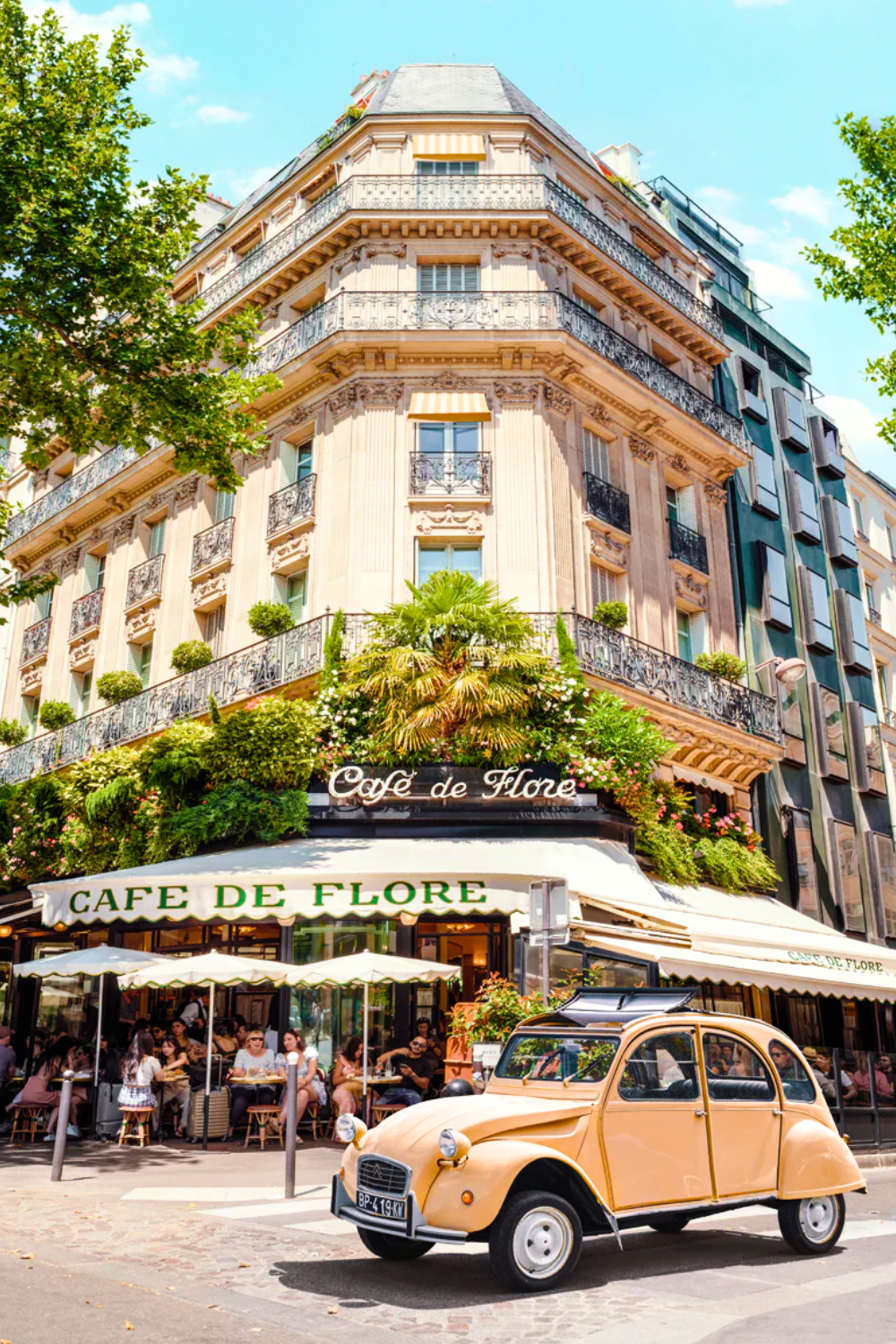
There are roughly 1,500 cafés in Paris, and most of them are fine. Café de Flore, on the Boulevard Saint-Germain-des-Prés, is something else entirely. This is one of the oldest coffeehouses in the city, and its red banquettes and black-jacketed waiters have remained reassuringly unchanged since Simone de Beauvoir and Jean-Paul Sartre used to camp here for hours with a single coffee and the ambition to change Western philosophy.
Yes, it’s €5.50 for a café crème. Yes, it is technically a tourist spot. But here’s the thing about Café de Flore — it’s still frequented by locals, still full of writers and editors from the publishing houses on nearby Rue Jacob, still feels like a place where something interesting might be about to happen. Order a coffee and a croissant, take a seat by the window or at one of the outside tables on the pavement, and sit with it for a while. Don’t rush. This is the point.
The 6th arrondissement around Saint-Germain-des-Prés is one of the city’s most beautiful neighbourhoods. After your coffee, wander south toward the Jardin du Luxembourg or east along Boulevard Saint-Germain past independent bookshops and galleries.
Local tip: The upstairs at Café de Flore is less hectic than the ground floor and has the same menu. Ask to be seated en haut when you arrive.
4. Spend a Lazy Afternoon on the Banks of the Seine
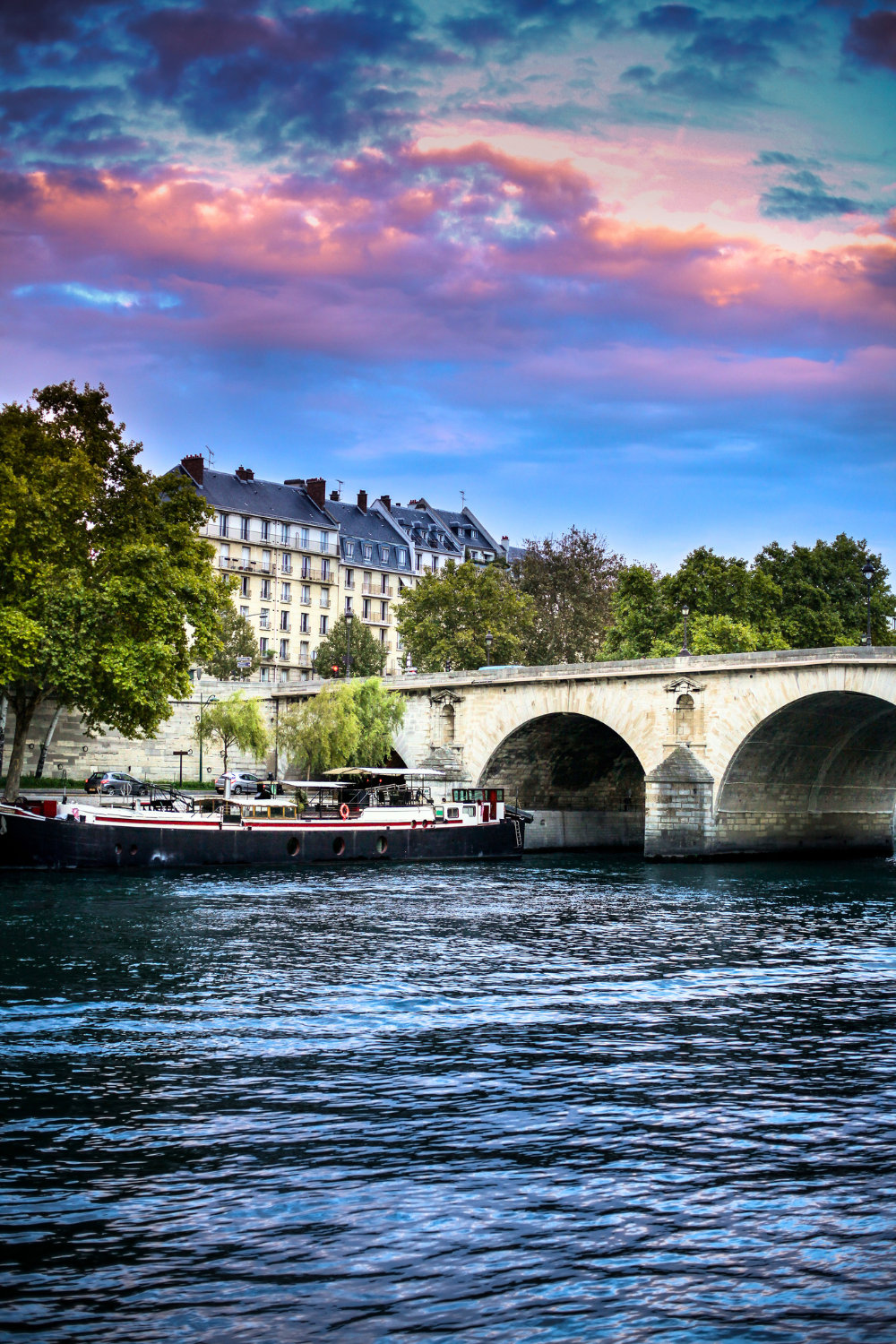
If Paris has a soul, it lives along the Seine. The river bisects the city from east to west, and its banks — the quais — are where the city breathes. On warm days, Parisians spread blankets, uncork bottles, and occupy every square metre of available stone or grass with the focused leisure of people who take their free time seriously.
The best stretch for this, in my opinion, is the Île Saint-Louis — the smaller of the two islands in the middle of the river, just behind Notre-Dame. Pick up supplies from a nearby market or one of the excellent fromageries on the island itself, find a spot on the southern quai where the stones slope gently toward the water, and spend an afternoon doing absolutely nothing productive. No agenda. No sightseeing. Just bread, cheese, wine, and the sound of the river.
The bouquinistes — the famous green stalls that line the quais on both banks — are worth exploring too. They’ve been selling second-hand books, vintage prints, old postcards, and the occasional genuine antique here for centuries. Even if you don’t buy anything, browsing them feels like a specifically Parisian ritual.
Local tip: The quais below street level (the lower embankment paths, accessible via stone staircases) are quieter than the pavement above and give you a completely different relationship with the river. On Sunday mornings, they’re almost deserted.
5. Climb to Sacré-Cœur at Dawn
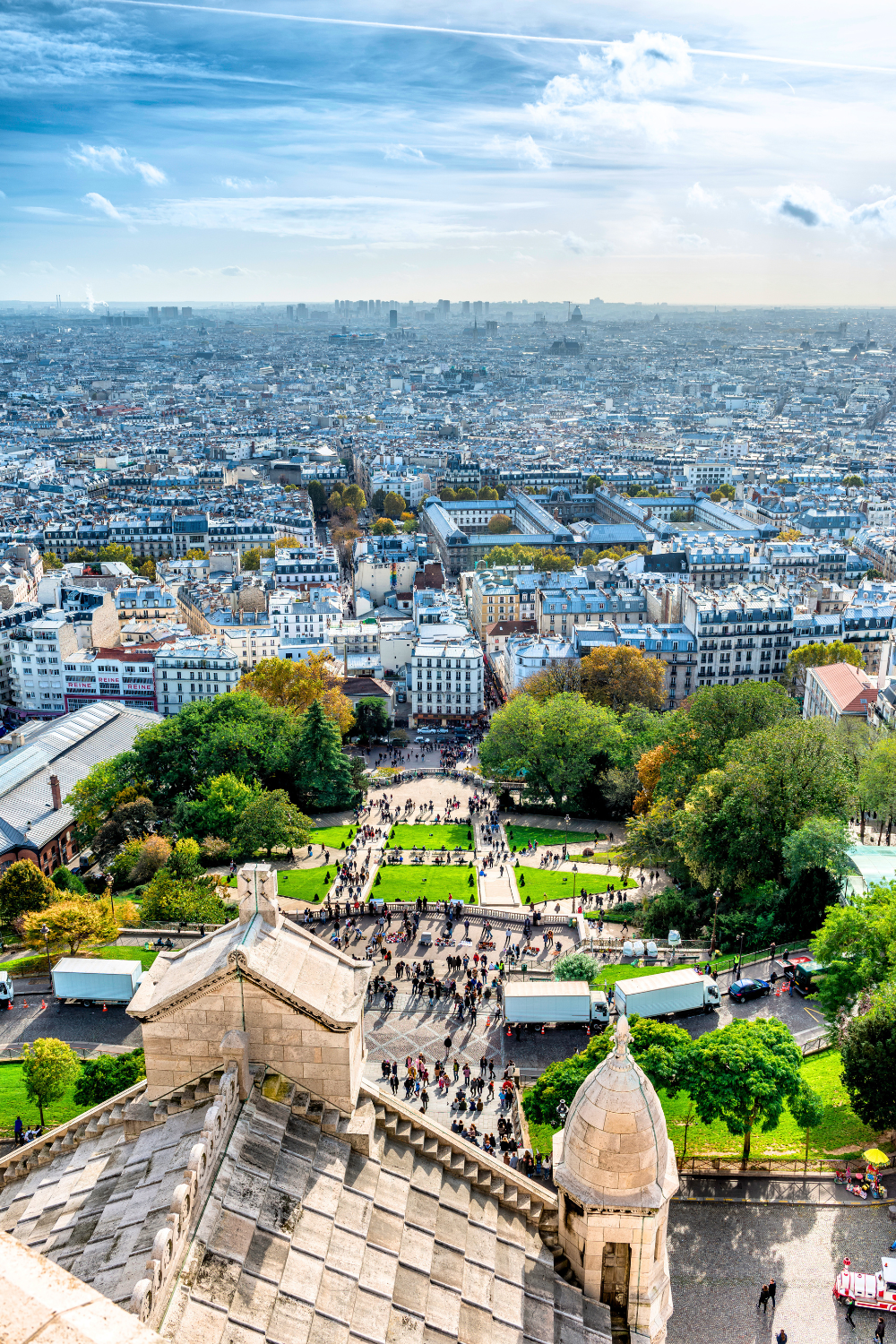
Montmartre sits on a hill in the north of Paris — the butte — and Sacré-Cœur basilica sits at its summit, white and faintly Byzantine, visible from half the city. Most visitors arrive mid-morning, navigate the gauntlet of bracelet-sellers on the steps, and see it in full tourist mode. Go at dawn instead.
The basilica itself is stunning — a pure-white Romano-Byzantine confection that looks like it arrived from somewhere further south and warmer. The interior is dim and gold and genuinely peaceful. But the real reward is the view from the steps, watching the city emerge from the grey-blue morning mist, the rooftops and domes and spires slowly coming into focus as the light shifts. Paris from above at this hour is something close to cinematic.
Afterward, spend time wandering the streets of Montmartre itself before the day-trippers arrive. The area around Place du Tertre — where artists have been setting up their easels for a century — comes alive slowly in the morning, and the steep cobbled streets around Rue Lepic and Rue des Abbesses have a particular magic before the cafés fully open.
Local tip: The funicular railway (runs on a standard metro ticket) takes you up the hill if you’d rather not tackle the steps. But walk down — the descent through the winding streets is one of the great urban walks in Europe.
6. Get Wonderfully Lost in the Marais
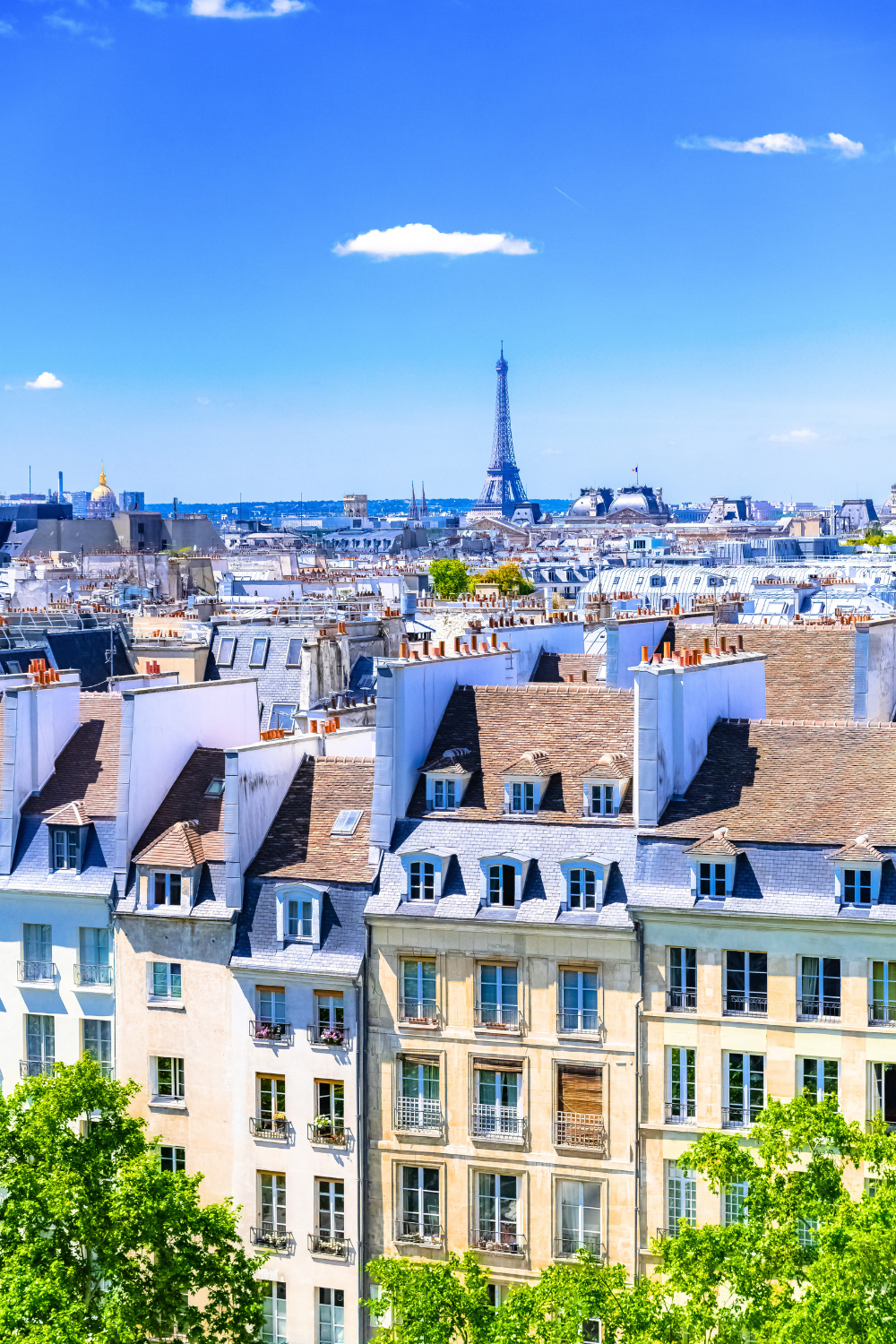
The Marais — the 3rd and 4th arrondissements, occupying a chunk of the Right Bank — is the neighbourhood I’d recommend to anyone who asked me where to spend a free day in Paris with no particular plan. It’s the kind of area where having no plan is, in fact, the plan.
The streets here pre-date Haussmann’s 19th-century modernisation of the city, which means they’re narrow, irregular, and full of character. Medieval Jewish bakeries selling challah and rugelach sit next to cutting-edge concept stores and restored Renaissance mansions — called hôtels particuliers — that now house museums and galleries. The Place des Vosges, the oldest planned square in Paris, is a short walk from a falafel stand that is, genuinely, one of the best things I’ve eaten in any city.
The Marais is also Paris’s LGBTQ+ neighbourhood, centred around Rue Sainte-Croix de la Bretonnerie, and has an energy that feels cosmopolitan and welcoming. The covered market at Marché des Enfants Rouges — one of the oldest in Paris, operating since 1615 — is a wonderful lunch stop with street food stalls from Morocco, Japan, Italy, and France all under one roof.
Local tip: The Musée Carnavalet, dedicated to the history of Paris, is free and spectacular. It reopened after a full renovation in 2021 and is now one of the most beautifully presented museums in the city. Don’t miss it.
7. Walk Through the Covered Passages
This one surprised me more than almost anything else in Paris, and I can’t believe it took me three visits to discover it properly. Hidden in the 2nd arrondissement, largely unknown to most tourists, are around fifteen surviving passages couverts — covered arcades built in the early 19th century as proto-shopping malls, with glass roofs, mosaic floors, and a particular quality of light that feels suspended in time.
The finest is the Galerie Vivienne, off the Rue Vivienne — a soaring, vaulted passage with neoclassical reliefs, a wine shop, an antiquarian bookshop, and a tearoom serving lunch. It’s extraordinarily beautiful in a completely understated way. The Passage Jouffroy next door has a toy museum, a wax museum entrance (you can skip that), and a hotel that has barely changed since 1847. The Passage des Panoramas, the oldest surviving passage in Paris, is more lived-in and slightly scruffy in the best possible way — full of stamp dealers, restaurants, and an engraver still working by hand.
Collectively, they tell you something about Paris that the big landmarks don’t: that this city has been layering history on top of itself for so long that you can step off a busy boulevard and find yourself, in thirty seconds, in a world that feels like 1840.
Local tip: Come at lunchtime on a weekday — the restaurants inside the passages fill up with office workers from the surrounding financial district, and you’ll eat cheaply alongside actual Parisians in a setting no tourist brochure has ever adequately captured.
8. Eat Your Way Through a Parisian Market
Markets in Paris are not just places to buy food. They are civic institutions, weekly rituals, social occasions. The French have a relationship with fresh produce that is, frankly, instructive. A good tomato is a good tomato. A bad croissant is a personal affront. Quality is not negotiable.
The Marché d’Aligre in the 12th arrondissement is the one I keep coming back to. It’s open Tuesday through Sunday, and on weekends it combines an indoor covered market with an outdoor flea market spilling across the surrounding streets. The produce stalls are extraordinary — North African vendors selling preserved lemons and harissa alongside French farmers with wheels of cheese the size of car tyres. The wine shop inside the covered Beauvau market has bottles you won’t find in any supermarket.
The Marché Bastille (Boulevard Richard-Lenoir, Thursday and Sunday mornings) is larger and more central if you’re staying in that part of the city. Rue Montorgueil in the 2nd is technically not a market but a permanently market-like street of food shops, fromageries, fishmongers, and bakeries that has been feeding the neighbourhood for centuries.
Local tip: Go hungry, bring cash, and don’t rush. Stallholders at Aligre respond warmly to basic French (“Bonjour, c’est combien?” goes a long way) and will often let you taste before you buy.
9. Visit Notre-Dame Cathedral
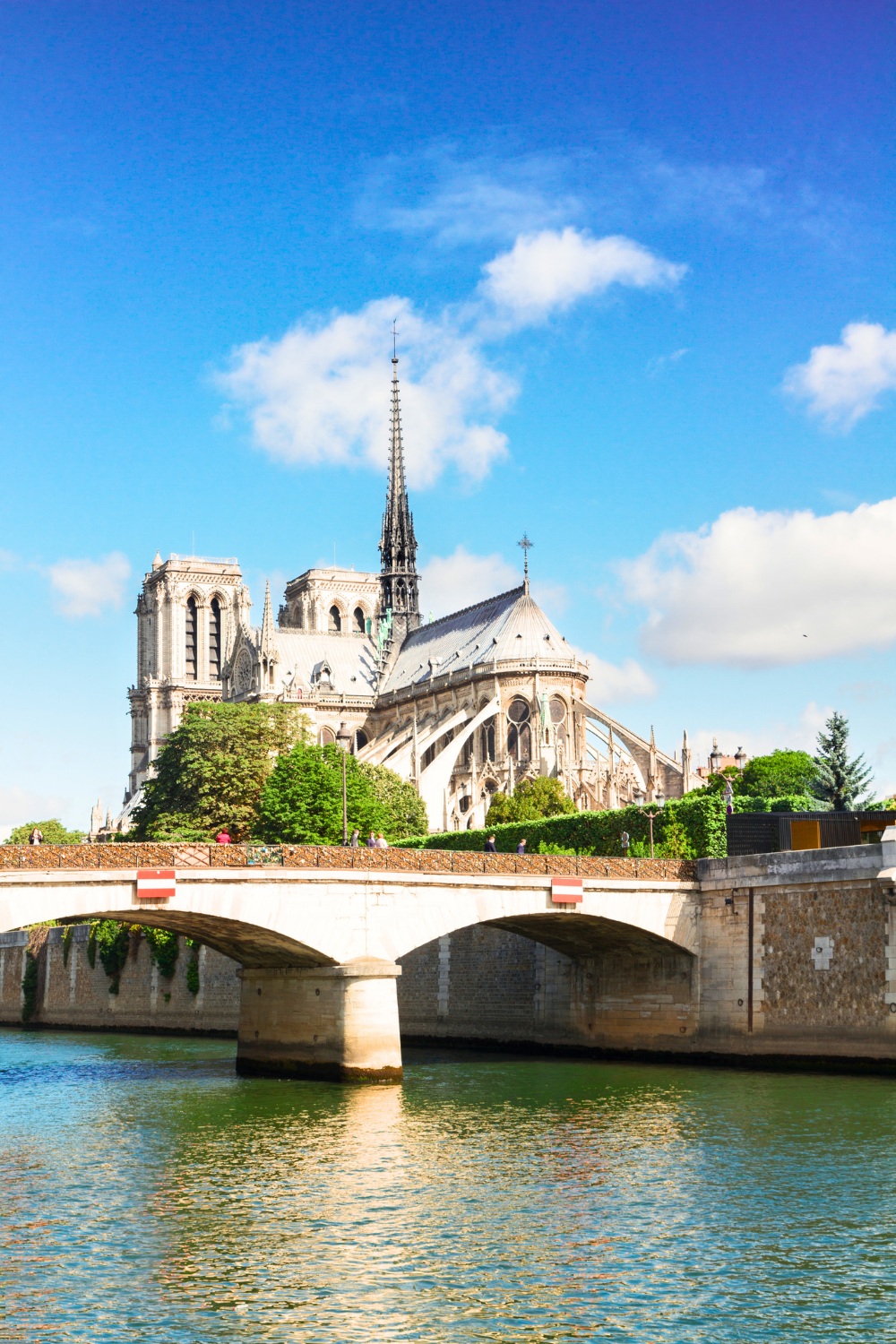
By now you’ll have heard about the fire. In April 2019, Notre-Dame’s 850-year-old spire collapsed into the nave, and the world watched in real-time shock. What you may not know is that after years of painstaking restoration work — involving master craftspeople, medieval carpentry techniques, and funds donated by over 300,000 people from around the world — Notre-Dame fully reopened in December 2024. And it is breathtaking.
The cathedral is the geographic and spiritual heart of Paris. The kilometre-zero marker, from which all distances in France are officially measured, is in the square in front of it. Walking inside now, seeing the restored nave with its extraordinary stained glass and the reconstructed spire visible through the windows, is genuinely moving. The sheer ambition of the medieval builders — constructing something this scale, this detailed, this permanent — hits you somewhere deep.
The square in front, the Parvis Notre-Dame, is also worth time. The archaeological crypt beneath the square (accessed via a staircase) reveals layers of Roman Paris directly underfoot.
Local tip: Free entry, but expect queues. Pre-booking a time slot online is now possible and strongly recommended. Early morning, just after opening, the cathedral is relatively quiet and the morning light through the rose windows is extraordinary.
10. Discover Canal Saint-Martin
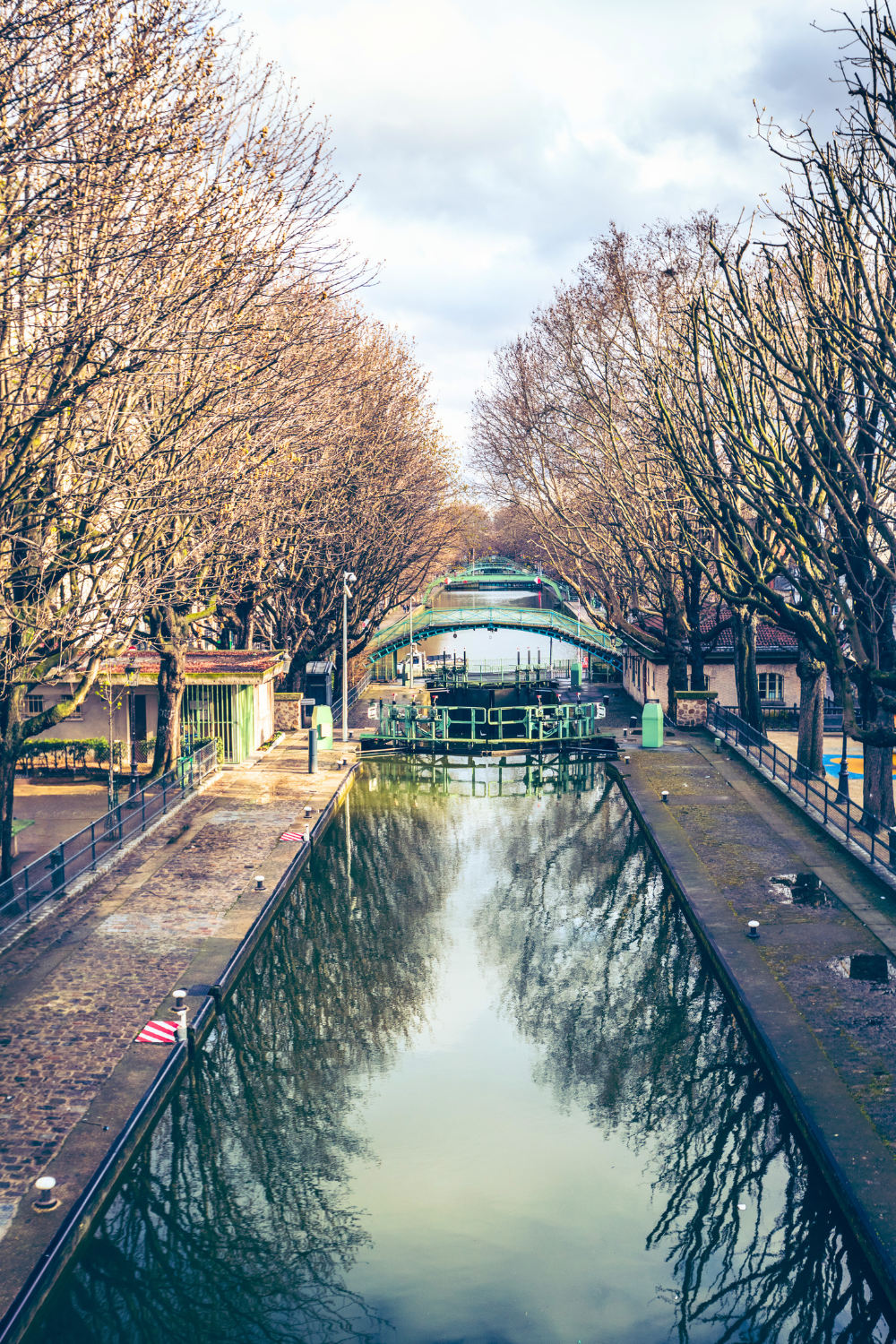
If someone asked me which neighbourhood best represented Paris in the 21st century — creative, young, slightly self-conscious about both, and genuinely wonderful — I’d say Canal Saint-Martin. Located in the 10th arrondissement, it’s the neighbourhood that became fashionable without quite meaning to, and is now full of independent coffee shops, natural wine bars, vinyl record stores, and restaurants where you might genuinely struggle to book.
The canal itself was built under Napoleon to bring fresh water into the city, and its iron footbridges, stone locks, and poplar-lined banks make it one of the most photogenic stretches of any city I’ve visited. The section between Rue du Faubourg du Temple and the Place de la République is the liveliest, with cafés spilling onto the quais on warm evenings and people sitting on the lock gates eating sandwiches at lunch.
Eat at one of the restaurants on Rue Marie et Louise or Rue Beaurepaire. Drink natural wine at a bar like Au Passage or Les Caves du Château. Browse the concept stores on Rue de Marseille. Do this on a Sunday when the roads alongside the canal are closed to traffic and it becomes a vast, gentle promenade.
Local tip: The Hôtel du Nord — a film set-famous café on the canalside — is a bit of a tourist trap now, but it’s worth a drink at the bar purely for the setting. Stand outside and look down the canal. The light in the late afternoon turns everything golden.
11. Spend an Afternoon at the Musée d’Orsay
The Louvre is the famous one, but the Musée d’Orsay is, to my mind, the better afternoon. Housed in a converted Beaux-Arts railway station on the Left Bank, it holds the world’s greatest collection of Impressionist and Post-Impressionist art — Monet, Renoir, Degas, Cézanne, Van Gogh, Seurat — in a building whose original glass clock faces still overlook the Seine.
The scale is more human than the Louvre. You can meaningfully see the highlights in three or four hours without feeling overwhelmed. Monet’s series paintings — haystacks, Rouen Cathedral, water lilies — are here in clusters that let you understand what he was doing in a way that individual paintings in other museums never quite convey. Van Gogh’s self-portraits, hung together in one room, are almost unbearably intense.
The rooftop terrace, accessible via the upper galleries, gives you a spectacular view across the Seine toward Montmartre, framed by the station’s original clock. Most visitors miss it entirely.
Local tip: Tuesday is the Musée d’Orsay’s free day for under-26s (EU citizens). On other days, the Thursday evening late opening (until 9:45pm) is significantly less crowded than daytime visits.
12. Eat a Proper French Bistro Meal
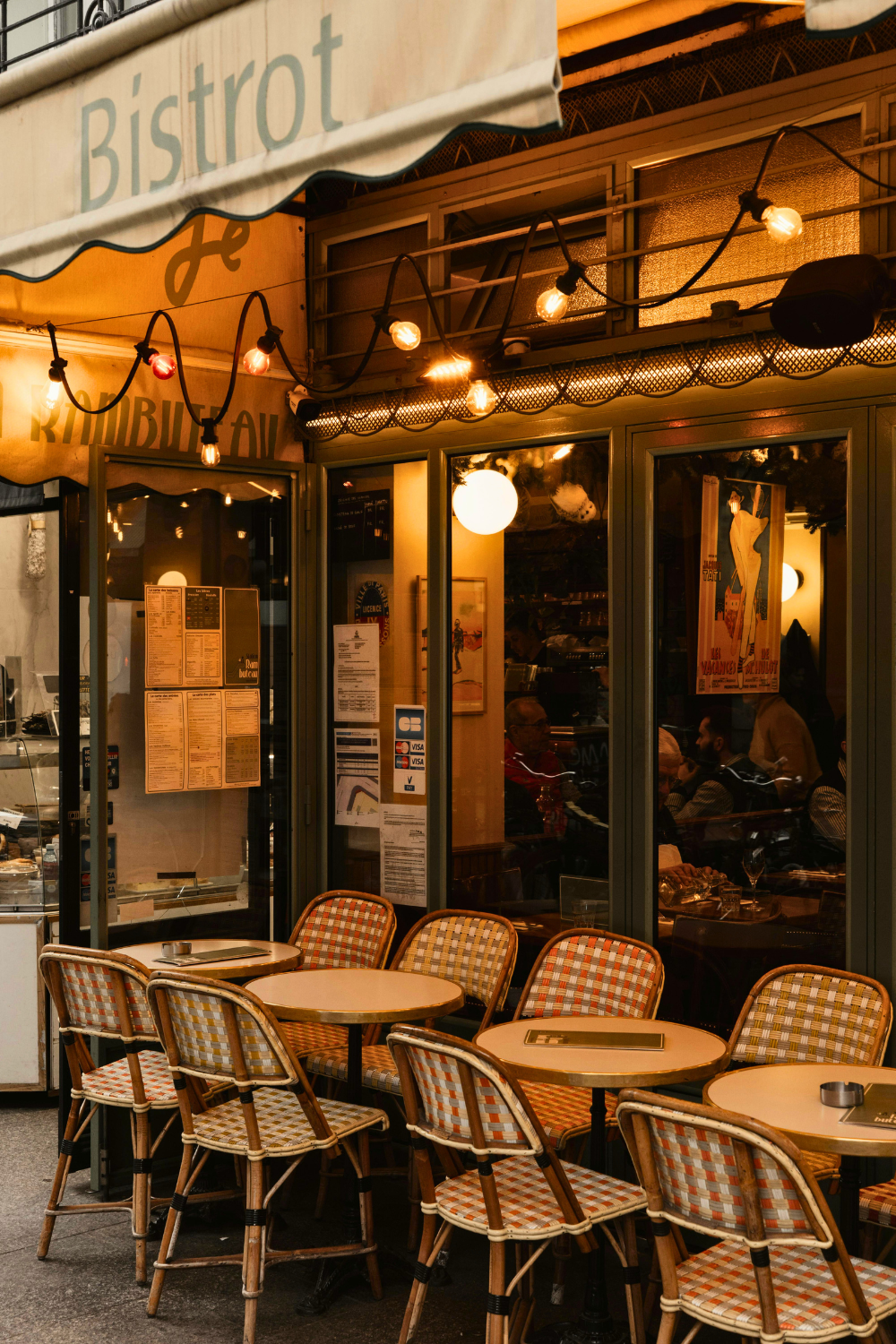
There is, I think, a version of Paris that only exists at a zinc bar in a bistro at 8pm on a Thursday with a glass of Burgundy and a plate of duck confit in front of you. This Paris is not a myth. You just have to find the right place.
What you want is an old-school neighbourhood bistro — a bistrot — not a brasserie (too large, often tourist-oriented) and not a gastronomic restaurant (wonderful but different). A bistrot has checked tablecloths or bare wood, a handwritten menu, a wine list that fits on one side of a card, and a chef who has been making the same four dishes for twenty years with zero apology. Order the house terrine. Order the fish of the day. Order the crème brûlée because you always should.
Some names that have earned their reputations: Le Baratin in the 20th, Bistrot Paul Bert in the 11th, Chez Georges near the Palais-Royal. These fill up fast and don’t always take bookings easily. Show up, be friendly, be patient.
Local tip: Lunch in Paris at a bistro is often half the price of dinner, with the same quality. The formule midi — a set lunch menu, usually two or three courses — is how working Parisians eat during the week and is genuinely one of the great bargains in European dining.
13. Wander the Jardin du Luxembourg
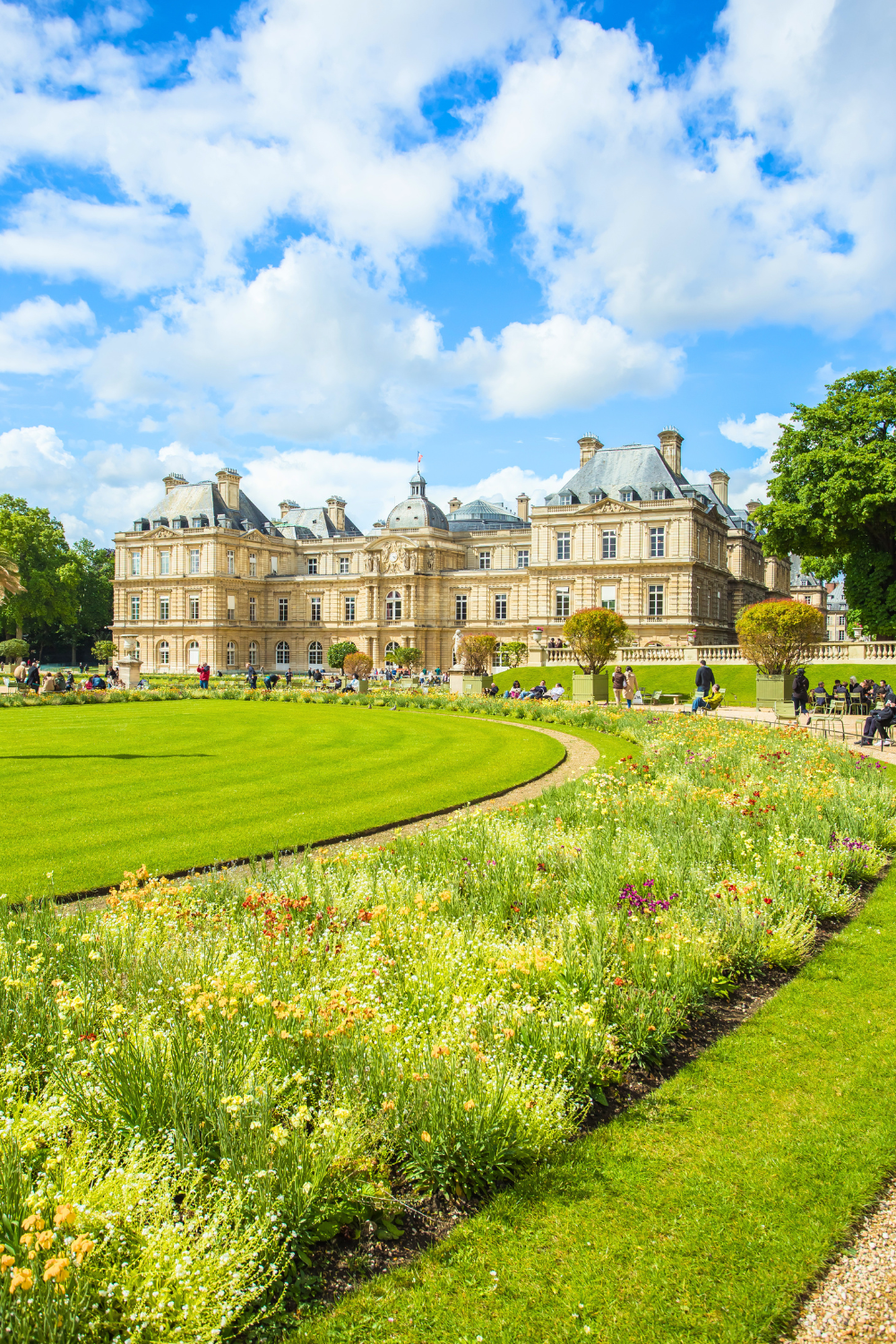
The Luxembourg Gardens in the 6th arrondissement are, in my opinion, the finest public park in Europe. This is a strong claim and I stand by it. They manage something very difficult: formal garden elegance and genuine human warmth, simultaneously. The parterres and fountains are immaculately maintained. The chairs — the iconic green metal chairs that you drag to wherever you want to sit — are everywhere, moveable, free to use, and usually occupied by people reading or staring into space with great intentionality.
The park is a centre of neighbourhood life. Children sail wooden toy boats on the central octagonal pond. Old men play pétanque on the gravel paths under the chestnut trees. Joggers loop the perimeter. Students from the nearby Sorbonne eat lunch on the grass. Come in spring when the apple orchards are in blossom, or in autumn when the leaves turn and the light goes amber and the whole place feels like a painting of itself.
The Palais du Luxembourg, which borders the garden, is the home of the French Senate and occasionally open for guided tours. The orangerie at the garden’s southern end hosts temporary art exhibitions year-round.
Local tip: There’s a small café inside the gardens near the puppet theatre that serves decent coffee at very un-Paris prices. The puppet shows (the guignol) run on Wednesday and weekend afternoons and are absolutely delightful even if, like me, you don’t speak French fluently.
14. Take the Day to Explore Versailles
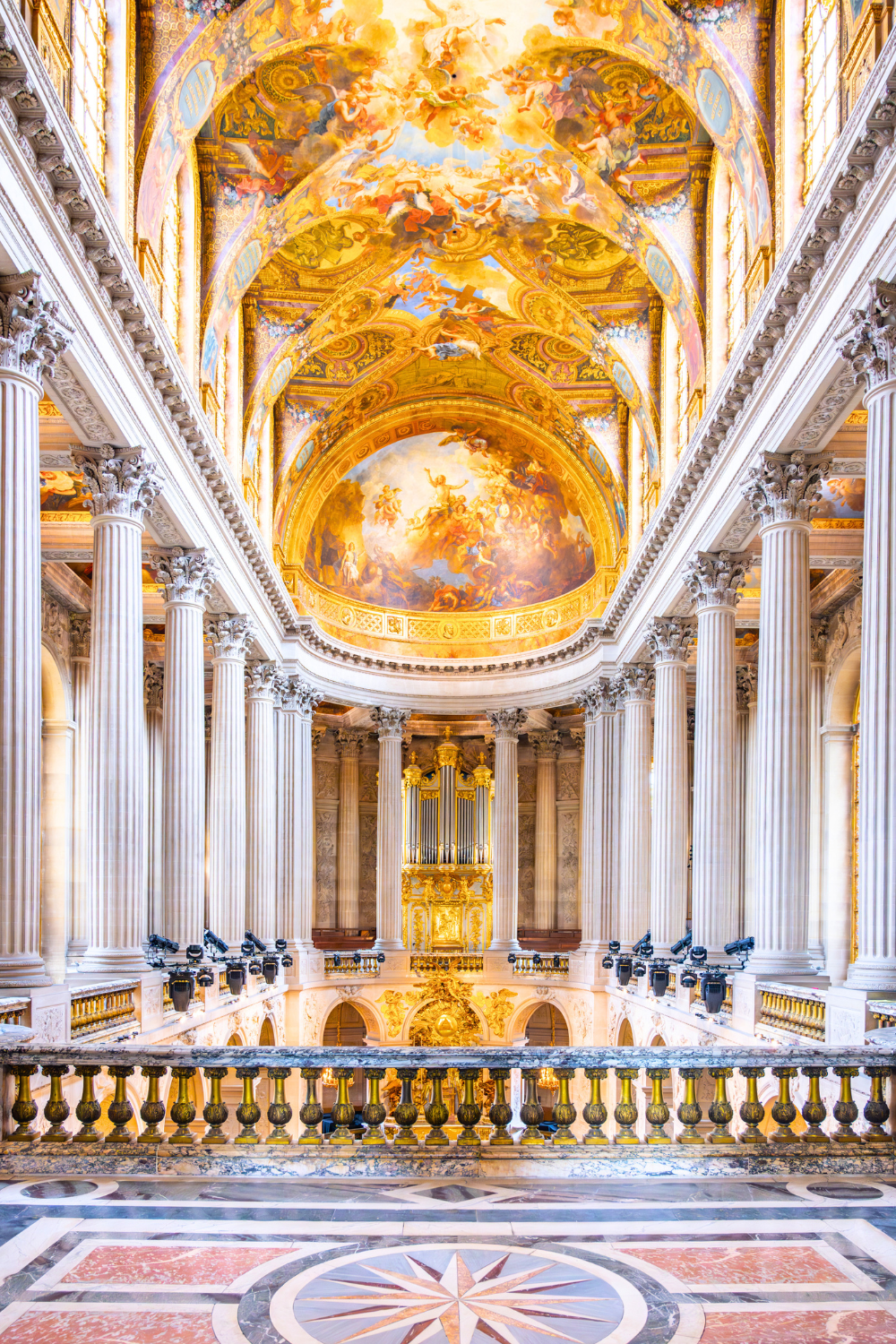
Yes, Versailles is technically outside Paris — about 40 minutes by RER C train from the city centre. And yes, it is jaw-dropping enough to justify an entire day away from the capital. The Hall of Mirrors alone — 73 metres of gilt and looking-glass, built to dazzle ambassadors and it still works — is one of those rooms that makes you feel slightly dizzy.
But let me redirect your attention beyond the palace interiors to the gardens. The formal gardens of Versailles, designed by André Le Nôtre in the 17th century, stretch for hundreds of hectares behind the palace. On days when the grandes eaux musicales are running — the fountains set to classical music — they are spectacular. But even on a quiet weekday, walking the long allées of clipped linden trees toward the Grand Canal feels like stepping into another dimension of human ambition.
The Grand Trianon and Petit Trianon — smaller palaces within the estate, less visited than the main building — are intimate and beautiful. Marie Antoinette’s hameau (her rustic “hamlet” where she played at being a shepherdess) is either charming or deeply bizarre depending on your perspective. Possibly both.
Local tip: Buy a Versailles-specific ticket online well before your visit — the queues without one are punishing. If you’re visiting in summer, rent a bike or an electric golf cart inside the estate. The grounds are too vast to cover properly on foot in a single day.
15. Follow Hemingway’s Paris
Ernest Hemingway lived in Paris in the early 1920s, was broke, and apparently had the time of his life. His memoir A Moveable Feast paints a portrait of the city that remains compulsively readable and surprisingly accurate in its geography. Following his footsteps is one of the best self-guided walks in Paris.
Start at his first apartment on Rue du Cardinal Lemoine in the 5th, walk up the hill past the Panthéon to the Jardin du Luxembourg where he wrote in the mornings, then down to Rue de Fleurus where Gertrude Stein held her famous salon. Cross to the 6th and find La Closerie des Lilas on the Boulevard du Montparnasse — a café where he allegedly wrote much of The Sun Also Rises at a corner table, and which still exists today. End at Brasserie Lipp on Boulevard Saint-Germain, where he used to eat potato salad and cold beer after long writing sessions.
This walk covers about 4km through some of the most beautiful streets in Paris and gives you the Left Bank in a single afternoon.
Local tip: Shakespeare and Company — the legendary English-language bookshop on the Left Bank near Notre-Dame — is not the original shop Hemingway knew (that closed in 1941) but is a worthy successor. It runs readings, has a tiny café, and sells the kind of books you’ll actually want to read on the plane home.
16. Explore the Père Lachaise Cemetery
This sounds morbid. It isn’t. Père Lachaise is one of the most beautiful spaces in Paris — a vast, wooded hillside in the 20th arrondissement, its cobbled paths winding between elaborate 19th-century mausoleums, mossy angels, and the graves of people who, collectively, shaped the modern world.
Oscar Wilde is here. So are Édith Piaf, Frédéric Chopin, Marcel Proust, Jim Morrison, Molière, Colette, and Sarah Bernhardt. The cemetery is so large and its paths so irregular that you can wander for two hours and still find tombs you haven’t seen before. Maps are available at the entrance (use one — it’s genuinely easy to get lost), but getting slightly lost is also fine. The whole place has a particular atmosphere: quiet, green, occasionally stately, occasionally touching.
The graves that attract visitors tend to cluster in certain sections. Jim Morrison’s draws the largest and most raucous crowd. Oscar Wilde’s — a large Art Deco slab — is covered in lipstick kisses despite the protective barrier erected around it. Édith Piaf’s is simple and usually surrounded by fresh flowers.
Local tip: Péré Lachaise is free to enter and closes at dusk. Come on a weekday morning when it’s almost empty and the light filters through the trees across the old stone. It’s one of the few genuinely peaceful places in central Paris.
17. Take a Night Cruise on the Seine
I resisted this for a long time. It felt too touristy, too packaged. I was wrong. A river cruise at night in Paris — specifically the Bateaux Mouches or the smaller, quieter bateaux parisiens — gives you a perspective on the city that is genuinely impossible to replicate from the banks. The great monuments lit against the dark sky, their reflections pulled long across the water, the bridges arching one after another — it is, without reservation, beautiful.
The longer evening dinner cruises are a different experience: more formal, more expensive, and dependent on the food being good (variable). The one-hour sightseeing cruises, which run until late in the evening, are the sweet spot. Buy a bottle of wine from a nearby Monoprix, take it on board, and watch the city slide past.
The river changes completely at night. The banks you walked along in daylight are different — darker, more atmospheric, the old stone buildings illuminated in amber. The Pont Neuf, oldest bridge in Paris, and the illuminated towers of Notre-Dame seen from the water as you pass the Île de la Cité are sights I’d put on a shortlist for the most beautiful things I’ve seen in any city.
Local tip: Avoid cruises that depart from the Eiffel Tower area in high season — the queues can be long. Departures from the Pont de l’Alma or further east are often less chaotic.
18. Eat Pastries as a Religious Obligation
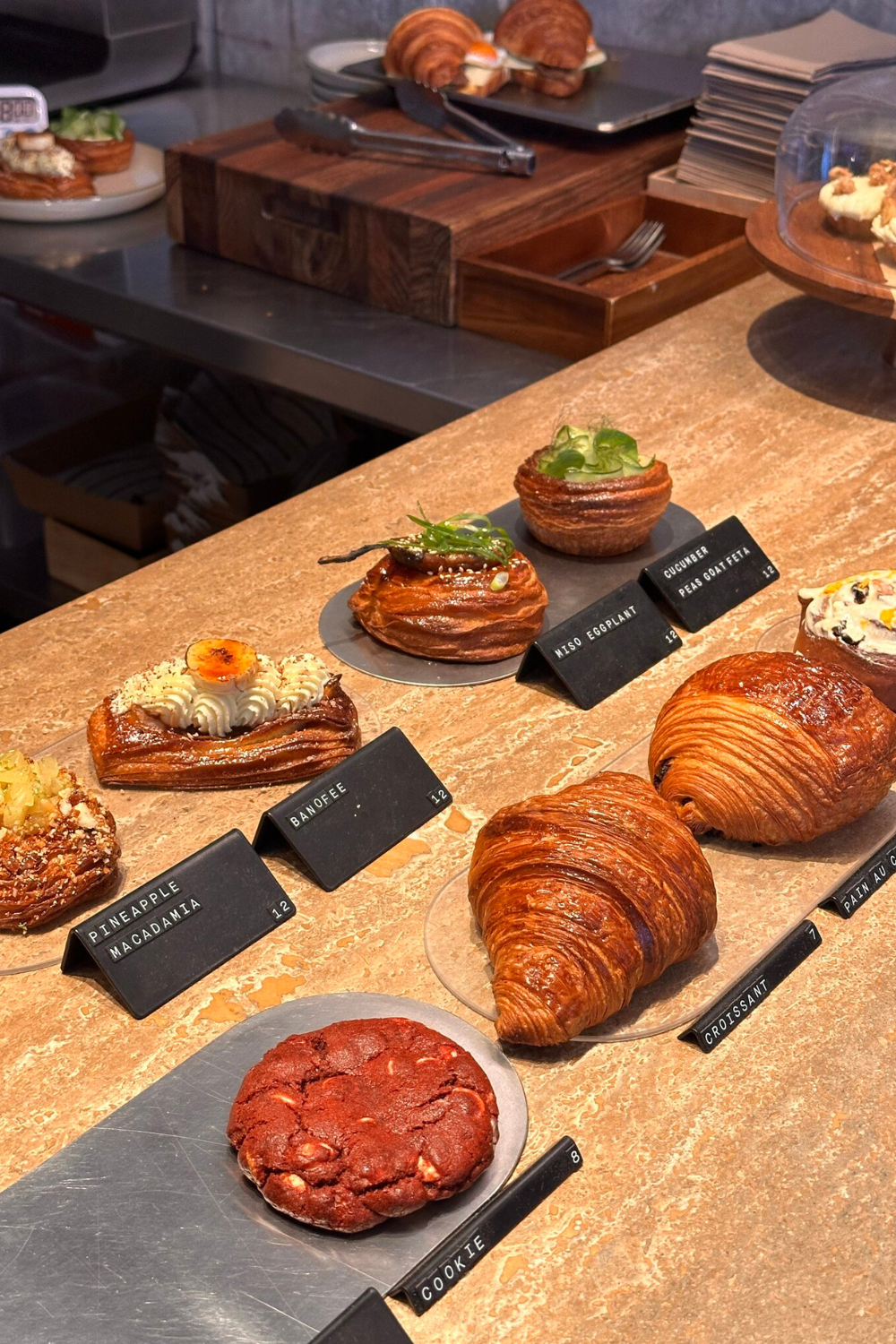
Let me be clear: French pastry is not a casual pleasure. It is an art form with a 400-year tradition, examined standards, and the kind of quality control that would seem obsessive in any other context. A croissant in Paris should shatter when you bite it, leaving crumbs on your shirt and butter on your fingers. A tarte tatin should be caramelised to the exact point of almost-burnt. A macaron from Pierre Hermé should be delicate and intensely flavoured in a way that makes every other macaron you’ve ever eaten feel slightly apologetic.
The boulangeries and pâtisseries you want are the ones with queues out the door at 8am on a Sunday morning, staffed by people who have been there since 4am. Du Pain et des Idées in the 10th is one of the best bakeries in Paris, famous for its chausson aux pommes (a leaf-shaped apple pastry) and escargot — spiral buns filled with pistachios or dark chocolate. Jacques Genin in the Marais does caramels and millefeuille with an almost alarming precision. Stohrer on Rue Montorgueil, which has been open since 1730, still sells the pastries it invented for the court of Louis XV.
Buy at least one thing from at least three different bakeries. Compare them seriously. This is research.
Local tip: The hierarchy matters: a boulangerie sells bread and simple pastries; a pâtisserie specialises in complex confections. The very best practitioners of both often have a Meilleur Ouvrier de France (MOF) distinction displayed — a blue-white-red collar on the window. It means you’re in the right place.
Practical Tips for Planning Your Paris Trip
Getting there is easy from most of Europe — direct trains via Eurostar from London, TGV connections from Brussels, Amsterdam, and Barcelona. From further afield, both Charles de Gaulle (CDG) and Orly airports are well connected to the city centre. CDG via the RER B train takes about 45 minutes to the centre and is far cheaper than a taxi.
For getting around, the Paris metro is one of the best urban transport systems in the world — frequent, clean, and extensive. Buy a carnet of 10 tickets (now as a digital pass on the Bonjour RATP app), or a 24/48/72-hour Navigo Easy pass if you’re doing more than two or three metro journeys a day. The Vélib’ bike-share system requires brief registration but is extremely useful for short hops across the flatter central arrondissements.
For accommodation, the neighbourhoods worth prioritising are: the Marais (central, atmospheric, excellent transport links), Saint-Germain-des-Prés (beautiful but pricey), Canal Saint-Martin (younger, cheaper, very well connected), and Montmartre (charming but hilly, and further from the major Right Bank sights than it looks on a map). Avoid hotels near major train stations unless you specifically want to be there — they are functional but rarely characterful.
Paris is expensive, but less so than you might fear if you eat the way locals do — formule midi lunches, bakery breakfasts, picnic dinners from the market. A genuinely excellent three-course lunch at a neighbourhood bistro costs €18-25. A decent bottle of wine from a wine merchant costs €8-12. The things that are expensive are the same things you can avoid: hotel restaurants, the Champs-Élysées, tourist cafés near major monuments.
Language: speak French first, always. Even badly. A bonjour and a smile before you switch to English changes encounters completely. Parisians are not rude — they respond to rudeness and entitlement with professional coldness. They respond to effort and politeness with warmth. This is not actually different from anywhere else in the world.
One Last Thing
The best thing about Paris — the thing that no list quite captures — is that it consistently exceeds what you expect of it, even when you expect it to be extraordinary. You’ll plan to see ten things and end up distracted by a courtyard you spotted through an open gate. You’ll mean to have a quick coffee and stay for two hours. You’ll take a wrong turn and find a square you’ve never read about that turns out to be your favourite place in the city.
That is Paris. Go hungry for it. And when it gets you — and it will get you — let it.

