
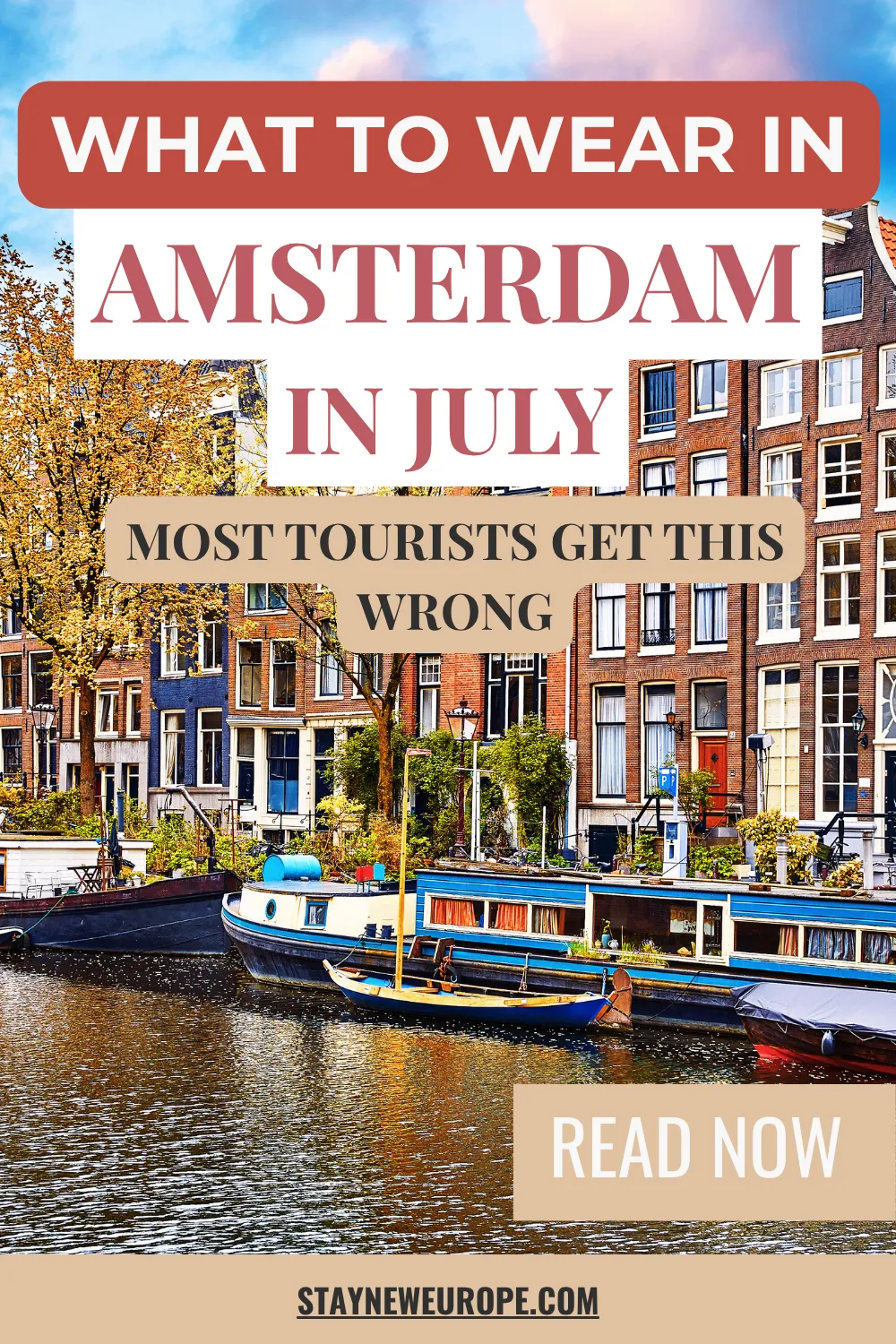
Amsterdam in July is one of those cities that tricks you. The sun comes out, the canal terraces fill up, everyone around you is laughing over cold Heinekens, and for about forty-five minutes you think you’ve landed in a European summer dream. Then the clouds roll in from nowhere, a light rain starts, and you’re standing on a cobblestone bridge somewhere near Jordaan wondering why you packed three sundresses and zero layers. I’ve been there. Literally.
July is genuinely Amsterdam’s warmest month — but “warmest” in Dutch terms is a bit relative. You’ll get glorious warm days, sure. You’ll also get sudden showers, cool canal breezes, and evenings that dip just enough to make a bare-shouldered outfit regrettable by 8pm. The city rewards people who pack smart, and it quietly judges those who don’t.
This is everything I wish someone had told me before I stuffed my suitcase with the wrong things.
Before We Get Into It: What July in Amsterdam Actually Feels Like
Let me set the scene properly, because the weather here is genuinely different from what most people expect.
Temperatures in July average around 22–24°C (72–75°F) during the day, occasionally nudging toward 28°C on a proper hot spell. Sounds perfect, right?
Here’s the catch: Amsterdam gets rain roughly 12–14 days out of July. Not necessarily all-day downpours — more like sudden 20-minute showers that arrive unannounced and soak you completely before you can find shelter. The humidity sits at a moderate level, which makes the heat feel pleasant rather than oppressive, but also means wet clothes take forever to dry.
Then there’s the wind. The city is flat and open, especially near the canals, and there’s almost always a breeze moving through. On a cloudy day, that breeze drops the temperature fast. I had a day in mid-July where I was sweating in a linen shirt at 2pm and genuinely cold in the same outfit by 6pm. That’s Amsterdam.
The city also runs on bikes. If you’re planning to cycle — and you absolutely should, it’s the best way to see the place — you’ll feel wind at speed, which changes your outfit equation entirely. And the cobblestones, the canal bridges, the museum queues, the market stalls: you will walk. A lot. More than you planned.
Amsterdam has a distinct style culture too. It’s not as fashion-forward as Paris or Milan, but locals dress with a kind of effortless, practical cool — quality basics, good shoes, functional bags. Nobody is overdressed. Nobody is underdressed. They’ve just figured out how to look put-together while still being ready for anything the weather throws at them. Take note.
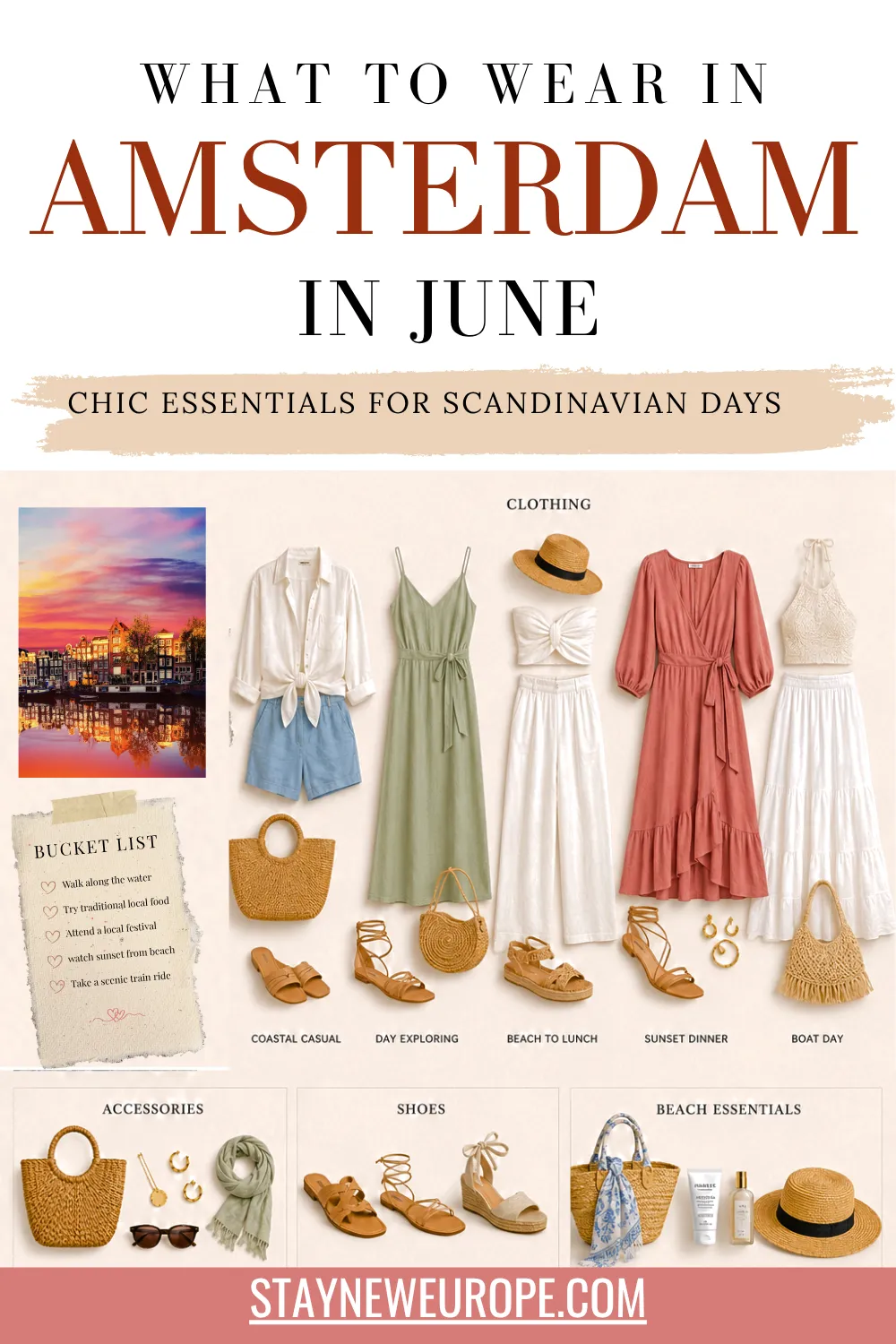
Lightweight Layers: The Single Most Important Packing Decision You’ll Make
I cannot stress this enough. If there’s one thing that separates a comfortable Amsterdam trip from a miserable one, it’s whether you’ve packed enough layers — and the right kind.
The key word here is lightweight. You don’t want heavy jumpers or thick fleeces taking up half your bag. What you want are things you can tie around your waist, stuff into a tote, or throw over your shoulders in thirty seconds when the temperature shifts. A thin cotton cardigan in a neutral colour is worth more in Amsterdam in July than almost anything else you could pack. Same goes for a lightweight linen shirt worn open over a tank top — it gives you flexibility without bulk.

I made the mistake on my first trip of packing only “proper” outfits — complete looks I’d planned in advance. By day two I’d abandoned the plan entirely because nothing worked for the unpredictable weather. The people who always looked great were the ones wearing adaptable pieces: a simple tee that worked under a blazer or alone, a midi skirt that looked good with trainers in the afternoon and sandals at dinner.

Think in combinations, not in outfits. Every top should work with at least two bottoms. Every layer should be removable and packable.
Local tip: Dutch locals often carry a thin waterproof layer folded up in their bag — not a massive rain jacket, just something light enough to block wind and repel a light shower. This is genuinely the move.
The Best Fabrics for Amsterdam in July (And What to Leave at Home)
Fabric choice matters more than most people realise, especially in a city where you’re going to get sweaty walking around museums and then chilly sitting on a canal boat.
Linen is your best friend. It breathes beautifully, dries quickly when it gets damp from a shower, and looks effortlessly stylish in a way that synthetic fabrics simply don’t. Yes, it creases. Yes, Amsterdam locals are very comfortable with that. Linen trousers, linen shirts, linen blend dresses — all excellent.
Cotton is solid too, particularly lighter-weight cottons and cotton blends. A well-fitted cotton tee in a neutral tone is endlessly useful. Tencel and modal are also great options if you want something with a slightly silkier feel that still breathes well and packs light.
What to avoid:
- heavy denim (takes forever to dry if it gets wet, and it will get wet).
- ynthetic fabrics that trap heat and don’t breathe.
- and anything that wrinkles catastrophically from being shoved in a bag (silk satin, I’m looking at you).
Light denim — chambray fabric, or a thin denim shirt — is fine. Heavy dark jeans worn all day? You’ll regret it.
Local tip: Dutch summers are unpredictable enough that locals tend to dress in natural fibres almost exclusively. Cotton, linen, wool-silk blends for evenings. They know something about dressing for weather that shifts without warning.
Dresses and Jumpsuits: Yes, But Choose Wisely
Dresses are absolutely a yes for Amsterdam in July — but not all dresses are created equal for this particular city.
A midi dress in linen or cotton, loose-fitting with a bit of movement, is ideal. It’s comfortable for walking miles along canals, breathable when the sun comes out, and easy to layer under with a light long-sleeve if the morning is cool.

I wore a terracotta linen midi dress for an entire day exploring the Rijksmuseum and wandering Vondelpark, and it was genuinely perfect. Cool enough when it was sunny, and I threw a denim jacket over it by early evening.

What doesn’t work as well:
- very short and clingy dresses (cycling in a mini is awkward).
- strapless styles (cold canal wind will disagree with you).
- and anything with a significant heel requirement.
Also, if you’re visiting any churches or religious sites, bare shoulders and very short hemlines will sometimes require a cover-up, so keep that in mind.
Jumpsuits work beautifully for the same reasons — a wide-leg linen jumpsuit looks effortlessly stylish, is comfortable all day, and reads as “put-together” without trying hard. Just make sure it’s not a nightmare to get on and off if you need to use a café bathroom, because Dutch café bathrooms are… compact.

Local tip: Dutch women are particularly skilled at wearing simple wrap dresses with good quality trainers and a crossbody bag. It sounds like nothing special, but it looks incredible. Copy this look without apology.
Jeans in Amsterdam in July: When They Work and When They Don’t
Here’s my honest take: jeans are not your best option for warm July days, but they’re not completely wrong either.
If you’re someone who runs cold, who gets chilly quickly, or who’s visiting on a day where the forecast is overcast and 18°C, jeans make total sense. A pair of straight-leg jeans in a lighter wash, with a tucked-in linen shirt and clean trainers, is a genuinely great Amsterdam outfit. Neat, practical, not trying too hard — very in keeping with local style.

The problem is weight and drying time. If you get caught in a real shower and your jeans get soaked, you’re looking at hours before they’re comfortable again. For that reason, if I’m packing jeans, I keep it to one pair maximum and make sure they’re a lighter-weight option rather than thick dark denim.

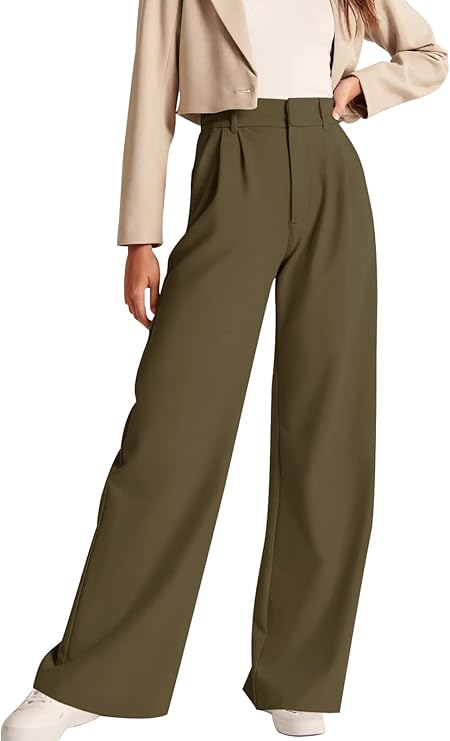
For bottom alternatives, consider: lightweight wide-leg trousers (linen or cotton), a relaxed chino pant, a midi skirt, or even linen shorts on genuinely hot days. These all pack smaller, dry faster, and often feel better after eight hours of walking.

Shoes: Where Most People Go Completely Wrong
Let me be blunt. Amsterdam will destroy your feet if you choose the wrong shoes, and I say this as someone who found out the hard way on a trip where I packed one pair of beautiful leather sandals and spent day three walking like I’d fought someone.
The city is cobblestone heavy. The streets are uneven. You’ll walk across arched canal bridges dozens of times a day. You’ll stand in queues. You’ll cycle. You need shoes that are comfortable for 20,000+ steps, full stop.
Here’s what actually works: A pair of quality white trainers — clean, simple, in leather or a leather-look material — is the Amsterdam shoe. It goes with dresses, with trousers, with jeans. It’s what locals wear constantly because it’s the sensible beautiful choice. New Balance, Common Projects-style trainers, even a clean pair of Nike Air Force 1s — all excellent.

Comfortable sandals with proper straps and some arch support are fine for warmer days — think Birkenstock-style footbeds, or strappy sandals with a small block heel if you want something slightly dressier for dinner. Flat mules work for short evenings but not for full days. Anything with a narrow heel, a significant platform, or zero cushioning is asking for trouble.

Running shoes that you pretend aren’t running shoes (you know the ones) are also quietly legitimate. Prioritise your feet.

Local tip: Dutch women wear white trainers with literally everything. Stop overthinking it. Pack a clean pair and let them work across every outfit.
What NOT to Wear in Amsterdam in July
Every packing list needs an honest version of this, so here it is.
Flip flops are a hard no for walking around the city. They offer zero support, nothing between your feet and wet cobblestones, and honestly they look out of place outside of beach destinations. Save them for the shower or the hotel pool.
Matching tourist sets — I’m talking about the loud printed two-pieces that read as “resort holiday” rather than “city trip” — feel out of place in Amsterdam’s understated style culture. Nobody will stop you wearing them, but you’ll feel conspicuous.
Heavy dark jeans and a thick jumper in warm weather will leave you miserable and sweaty by 11am. I’ve seen so many people overdress for a warm July day because they Googled “Amsterdam is rainy” and packed for November.
Bright white linen trousers are a bold choice on cobblestones near canals. I admire the confidence. I wouldn’t personally attempt it.
And if you’re planning to cycle — which, again, you should — avoid long flowing skirts that catch in wheels, very open-toe sandals, and anything so loose-fitting that it becomes a liability on a bike. Amsterdam cycle paths are fast-moving and unforgiving.
The Light Jacket Question: Yes, You Need One
I know you’re going in July and everything in you is resisting the idea of packing a jacket. Pack the jacket.
Not a thick one. Not a puffer (please). What you want is something light and versatile — a linen or cotton blazer, a thin denim jacket, or a lightweight waterproof shell that folds small enough to live in your bag without taking up real estate.
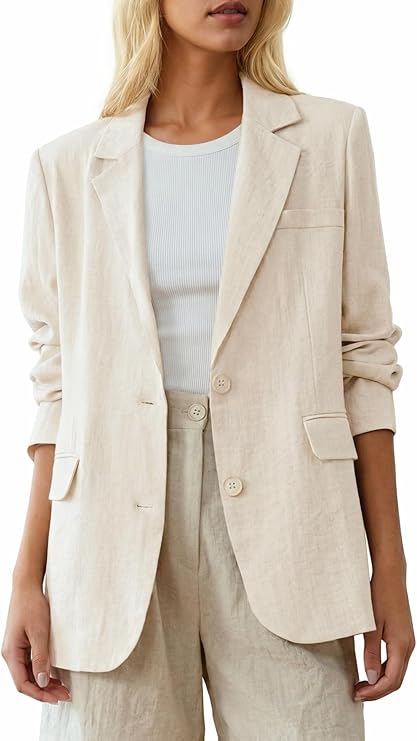
A linen blazer is my personal pick for July travel. It looks polished enough for a nice dinner, casual enough for daytime exploring, and adds a genuine layer of warmth when the canal breeze kicks up at 7pm. In navy, cream, or camel, it goes with everything.
A thin waterproof jacket — not the enormous hiking kind, just something that repels rain — is genuinely worth its weight. Amsterdam showers are often brief but sudden. Having something packable in your bag means you can enjoy a terrace drink without panicking when clouds gather. Lightweight packable jackets from brands like Patagonia or Uniqlo are perfect for this.

Local tip: Locals almost never wear huge rain parkas around the city unless it’s a proper winter storm. A thin waterproof layer is the move — practical without looking like you’re about to summit a mountain.
Evening Outfits: Amsterdam After Dark
Amsterdam evenings in July are genuinely lovely — long golden light, warm terraces, good food, and a nightlife scene that ranges from relaxed wine bars in Jordaan to proper clubs if that’s your thing. The dress code varies wildly, so it’s worth having a few options up your sleeve.

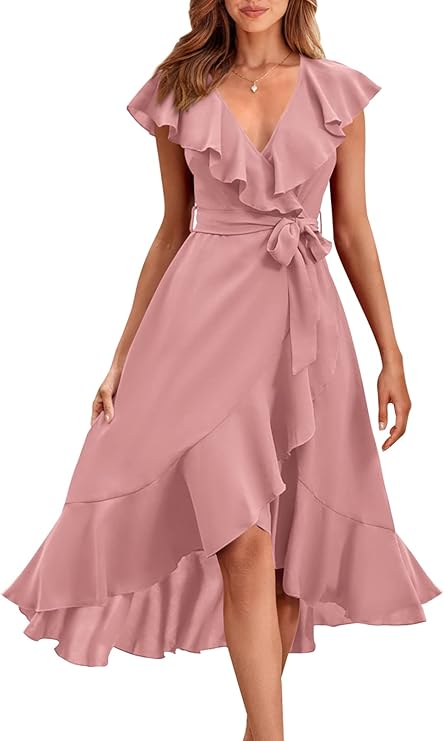
For dinner at a nice restaurant or a cocktail bar, the aesthetic in Amsterdam is smart-casual with a slightly artsy edge. This is not Paris — you don’t need to be formally dressed. But you also don’t want to show up in the same outfit you walked 15km in. A midi dress in a slightly dressier fabric (silk-look satin, if you can manage it without sweating all day, or a cotton-blend with some texture), or slim trousers with a nice top and clean shoes, is perfect.
If you’re headed to a club or a music venue, Amsterdam is relaxed about dress codes in a way that major fashion cities aren’t. Dark jeans, a nice top, and clean shoes gets you in almost everywhere. The city’s creative culture means interesting, individual dressing is appreciated — so if you have a piece that feels a little bold, Amsterdam is a good place to wear it.

Whatever you’re doing in the evening, a light layer remains relevant. Evenings in July can drop to around 15–17°C, and if you’re sitting on a terrace by a canal, you’ll feel it. Have something to throw on.
Church and Museum Dress Codes: A Few Things to Know
Amsterdam isn’t as strict about this as, say, Florence or Rome — but it’s worth knowing before you turn up somewhere underdressed.
The Westerkerk and Nieuwe Kerk (both beautiful, both worth a look inside) ask for modest dress in the way most Dutch Protestant churches do: no very short shorts or revealing tops if you’re going inside during a service. Outside of services, they’re fairly relaxed.

The major museums — the Rijksmuseum, Van Gogh Museum, Stedelijk — have no dress code at all. Wear whatever you like. Just be comfortable, because the queues are long and the museums are large.

If you’re visiting any of the city’s Catholic or more traditional church spaces, covering shoulders and avoiding very short hemlines is respectful. A lightweight scarf or linen shirt to throw on is the easiest solution — it takes up no space and removes any worry.
Bags: The Great Crossbody vs Backpack Debate
This is a real decision and it matters, especially in a tourist-heavy summer city.
Amsterdam is, unfortunately, not immune to pickpocketing in crowded areas — around Centraal Station, in busy markets like Albert Cuyp, on trams. A bag that stays in front of you and closes properly is a sensible choice.
A crossbody bag is the most practical and most stylish option for daytime exploring. Medium-sized, with a zip or good clasp, worn across the front. It keeps your hands free (essential for cycling, holding a stroopwafel, navigating your phone), keeps your valuables secure, and doesn’t make you look like you’re on a hiking expedition.

A small backpack — a structured one, not a massive hiking bag — is fine if you’re the kind of person who needs to carry a lot (laptop, camera, extra layers, snacks for the whole friend group). Just be aware that in crowded museum spaces or trams, a backpack needs to come off and go on the floor or in front of you.

What I’d skip: huge totes that gape open at the top (pickpocket’s favourite), large rolling suitcase-adjacent bags that are impossible to cycle with, and those tiny micro bags that are aesthetically wonderful but hold approximately nothing useful.
Local tip: Dutch locals often carry a capacious canvas tote bag from whatever cool bookshop or market they’ve visited. It’s a very Amsterdam look and surprisingly functional. Consider picking one up once you arrive — the Netherlands has brilliant local markets and design shops that make excellent and totally packable souvenirs.
Accessories That Actually Elevate a Simple Outfit
The best Amsterdam outfits I saw on my trip were not complicated. They were simple pieces made interesting by one or two considered accessories. This is genuinely the local aesthetic.
A good pair of sunglasses is non-negotiable — not just for style, but because July sun in Amsterdam bounces off canal water with surprising intensity. Classic shapes in warm tortoiseshell or a simple black frame work universally well.

A silk scarf or lightweight cotton scarf pulls double duty: it can be worn around your neck or in your hair on warm days, thrown over your shoulders on cool evenings, or used as a very light layer inside air-conditioned museums. Europeans who travel well all seem to have one of these. There’s a reason for it.

A simple watch, a couple of quality layered necklaces, earrings that you can leave in all day — small things that make a plain white tee and linen trousers feel intentional. You’re not trying to compete with fashion week. You’re just trying to not look like you rolled off a tour bus.
And: a reusable water bottle, because Amsterdam in July actually gets warm enough that dehydration is real, and single-use plastic feels out of place in one of Europe’s most environmentally conscious cities.
Rain Preparation: Don’t Skip This Section
I know rain prep sounds unglamorous. Stick with me.
July in Amsterdam brings an average of 75mm of rain spread across those 12–14 days I mentioned earlier. Most of it comes in short bursts rather than sustained downpours — the classic “umbrellas up, umbrellas down” cycle you’ll learn quickly.
A compact, windproof umbrella is worth packing. Not the enormous golf umbrella that will poke someone’s eye out on a narrow canal bridge, just a small fold-up one that fits in your bag. The key word is windproof — Amsterdam wind will turn a regular umbrella inside out within thirty seconds and leave you standing there feeling foolish.

Alternatively (or additionally), a packable waterproof jacket or cagoule that folds into its own pocket is the more stylish and practical option. It keeps your hands free, works on a bike, and doesn’t telegraph “tourist in distress” in the same way a panicked umbrella struggle does.
For shoes: have at least one pair that can get wet without being destroyed. Leather trainers with a light waterproofing spray applied before you leave are ideal. Suede is a gamble. White canvas that you care about is a gamble.
Cycling Outfits: Yes, This Deserves Its Own Section
If you’re going to cycle in Amsterdam — and I really think you should, it is genuinely one of the great city cycling experiences anywhere in Europe — you need to think about what you wear on the bike.
The good news is that Amsterdam cycling is not the Lycra-clad, helmet-intense experience of recreational cycling elsewhere. Locals cycle in their regular clothes, at a relaxed pace, often carrying shopping or a child or a large plant. You don’t need special cycling gear.
What you do need: clothes that won’t get caught in wheels (so no extremely long, wide skirts or flared trousers unless you tuck them), comfortable shoes with enough grip that your feet don’t slip off pedals, and a layer that won’t billow dramatically if the wind picks up. Fitted or tapered trousers, midi dresses that are fitted through the body, jeans, shorts — all fine.
A helmet is optional by local standards (most Dutch adults don’t wear them for city cycling) but available at every rental shop if you’d prefer one. Given the chaotic ballet of Amsterdam cycle traffic, I’ll leave that decision entirely up to you.
Local tip: Wear your crossbody bag across the front while cycling. You’ll look like a local, and your bag will stay put.
What to Wear for a Day Trip Out of Amsterdam
July is peak season for day trips, and Amsterdam is brilliantly positioned for them — Haarlem, Leiden, Delft, and the famous Keukenhof-adjacent villages are all within easy reach. If you’re exploring wider Netherlands beyond the capital, the same wardrobe principles apply, but a few things are worth noting.
Coastal areas like Zandvoort beach (yes, Amsterdam has a beach!) will feel windier and cooler than the city, so an extra layer is always smart even on a sunny day. Village day trips often involve more walking on uneven surfaces, so comfortable shoes matter even more.
If you’re visiting a particularly picturesque Dutch town — and the Netherlands has no shortage of beautiful places to explore beyond Amsterdam — the same smart-casual, practical aesthetic that works in the city translates perfectly. Linen trousers, a white or striped top, clean trainers, a light jacket tied at your waist. You’ll blend right in.
The Amsterdam July Capsule Wardrobe: What I’d Actually Pack
Here’s what a week in Amsterdam in July actually looks like, packing-smart.
Tops: 2–3 lightweight tees in neutrals (white, grey, soft camel), 1 slightly nicer blouse or silky top for evenings, 1 linen shirt that works as a layer or standalone
Bottoms: 1 midi skirt (linen or cotton), 1 pair of wide-leg linen trousers, 1 pair of lighter-weight jeans (optional, one pair max)
Dresses/Jumpsuits: 1–2 midi dresses that work day-to-evening, 1 jumpsuit if you love them
Layers: 1 linen or cotton blazer, 1 thin waterproof jacket (packable), 1 light cardigan
Shoes: 1 pair quality white trainers, 1 pair comfortable sandals, 1 pair slightly dressier flat shoes for evenings
Bags: 1 crossbody for daytime, 1 small clutch or tote for evenings
Accessories: Sunglasses, lightweight scarf, a compact umbrella
That’s it. That covers nine days without overthinking it, and you’ll never be caught underprepared for whatever July throws at you. If you’re heading elsewhere in Europe after Amsterdam — which, if you’re planning a broader trip, there are some incredible European destinations worth adding on — a versatile capsule like this travels beautifully.
Packing Light vs Overpacking: Be Honest With Yourself
Every single trip I’ve taken, I’ve started packing by being sensible and ended up cramming in “just one more” outfit that I never wore. Amsterdam is a great city to practise restraint.
You don’t need twelve outfits for seven days. You need seven to eight, with pieces that can repeat in different combinations. Versatility is the game. A linen blazer worn three different ways is worth more than three separate jackets.
Pack what you’re excited to wear, not what you feel like you should bring. If you wouldn’t actually wear that going-out dress at home, you’re not going to wear it in Amsterdam either. Leave it.
Roll everything. It compresses better, wrinkles less, and makes it much easier to see what you have. Pack shoes in shower caps or bags so they don’t touch your clothes. Keep your rain layer at the top of your bag or in an accessible outer pocket so you’re not unpacking everything on a canal bridge to find it.
One outfit mistake I see constantly: packing for the trip you want (relentless sunshine, gorgeous terraces, perfect weather) rather than the trip you’re actually going to have (sunshine, terraces, gorgeous weather, plus two or three rainy afternoons). Pack for reality. Your future self on a drizzly Tuesday will thank you.
A Warm Note Before You Go
Amsterdam in July is genuinely wonderful — one of those cities that rewards wandering, gets better the more you get lost in it, and has a relaxed, open energy that makes it easy to fall into a rhythm almost immediately. The cycling, the canal light in the evening, the markets, the museums, the terraces where everyone eventually ends up — it’s a brilliant city at its best in summer.
You’ll figure out the style as you go. You’ll see what locals wear, you’ll adjust, you’ll probably tie your jacket around your waist on day two and leave it there for the rest of the trip. That’s how it works.
What I want you to leave with is confidence, not a prescriptive list. You now know the weather, you know the terrain, you know what fabrics and layers actually work. Pack thoughtfully, pack versatile, pack comfortable. And then stop thinking about clothes and go enjoy the city.
The stroopwafels are warm at the market. The canal light at 9pm is something I can’t describe properly in words. Go find out for yourself.

