

Let me set the scene. It’s 4:00 pm, the sun has already clocked out, and you’re standing on a Berlin platform with a mulled wine in one hand and frozen toes you can no longer feel. Fairy lights are glowing over a Christmas market, the U-Bahn smells faintly of cold air and pretzels, and every single Berliner around you looks effortlessly put together in a black coat and boots.
I learned this the hard way: Berlin in December isn’t dramatically freezing, it’s sneakily damp. Grey skies, wind that finds the gap in your scarf, pavements that turn slippery without warning. Most tourists pack either one enormous puffer and nothing else, or fashion shoes that last forty minutes outdoors.
So here’s what actually works, from someone who has been both the overdressed tourist and the underdressed one. Pour something hot. Let’s sort your suitcase.
Before We Dive In
Weather: Expect highs of around 2–5°C and lows hovering near or just below zero. Rain, sleet and drizzle are more common than proper snow, so a “white Christmas” is a lovely bonus, not a plan. Humidity is high, which makes 3°C feel colder than it sounds.
Daylight: Roughly eight hours, with sunset before 4 pm. You’ll spend a lot of time outside in the dark, so warmth matters more than looks at 5 pm.
Walking conditions: Berlin is flat, which is a gift, but you’ll walk a lot: wide boulevards, cobbled side streets, wet tram tracks and the occasional icy patch outside a station. Grip beats glamour.
Style culture: Berliners dress for comfort, in muted colours, with quiet confidence. Think dark layers, good boots, one interesting detail. Nobody is judging you for being warm, but you will blend in much faster in black, grey and navy than in a neon ski jacket.
Heading elsewhere on your trip? Check our other monthly guides, like our winter packing advice for another European city and our other December city guide.
1. Start With a Proper Base Layer
Here’s the unglamorous truth: your warmest item is the one nobody sees.
A thin merino or technical base layer (long-sleeve top, plus leggings or thermal bottoms under trousers) does more than a thicker jumper ever will. It traps heat and wicks moisture, which matters because Berlin’s indoor spaces are toasty. I once wore cotton under a wool jumper and spent a whole museum visit damp and shivering at the same time. Never again.

Pack two tops and one bottom. Merino barely smells, so you can rewear it, and it dries overnight on a hotel radiator.
Local tip: Skip the cheap thermals that feel like plastic. If you can only splurge on one item, make it a merino long-sleeve. If you’re also travelling through other chilly cities, our cold-weather packing round-up covers more of the same trick.
2. Layer Like a Berliner (Light Layers Win)
One giant jumper is a trap. You need layers you can peel off.
The formula is simple: base layer, then a light knit or fleece, then your coat. U-Bahn trains, cafés and shops are heated to near-tropical levels, and walking briskly will warm you up fast. Being able to strip down to a t-shirt-weight layer in a café is the difference between enjoying your coffee and sweating through it.
For example, a fine-knit merino jumper under an unlined wool coat handles a day of wandering. A thin fleece or a quilted lightweight vest adds warmth on the coldest evenings without bulk.

Local tip: Pick layers in the same colour family. Black, charcoal and navy all mix, so any combination looks intentional.
3. The Coat: Your Most Important Decision
This is where the trip is won or lost.
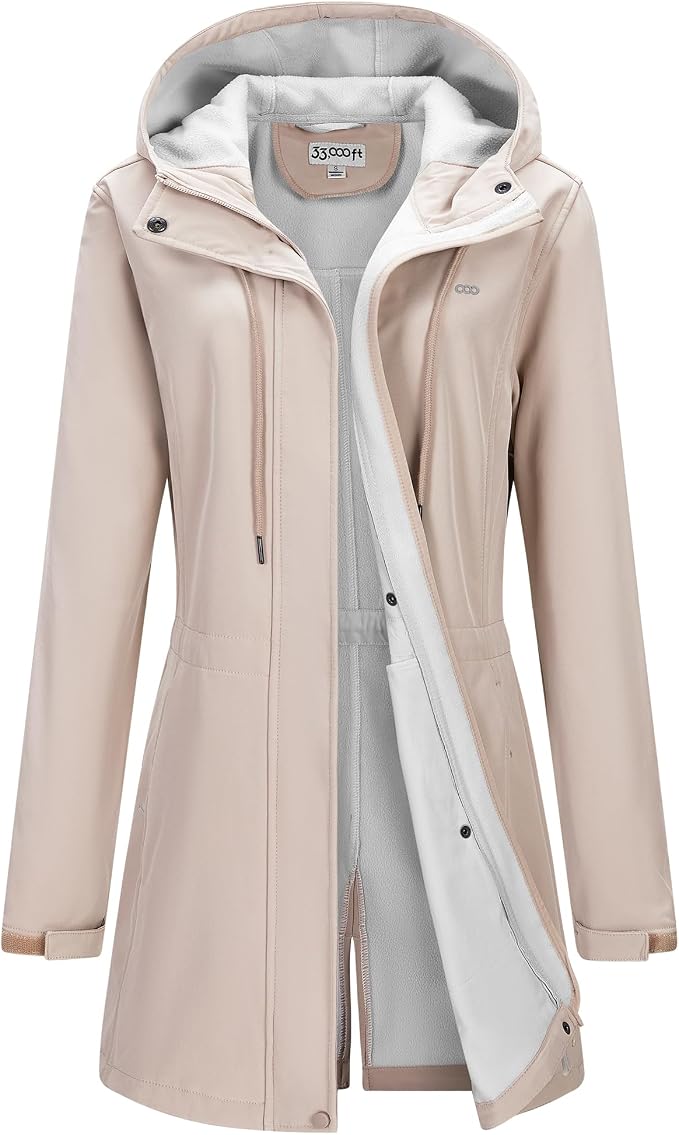
You want a coat that covers your hips, blocks wind, and resists a bit of rain. A long wool coat with a good lining is the classic Berlin look. A down or insulated parka in a muted colour works too, and honestly, on a day spent outside at a Christmas market, it’ll be warmer. Berliners wear both.

I’d pick one coat rather than a “dressy coat plus a practical coat.” A dark, mid-length insulated coat or a wool-blend with a hood suits sightseeing, dinner and everything between. If it has deep pockets for your gloves and phone, even better.

Local tip: Look for a hood. Umbrellas fight a losing battle against Berlin’s wind, and a hood keeps your head dry when the drizzle turns sideways.
4. Jeans, Trousers and (Please) No Shorts
Yes, someone will ask. No, shorts aren’t happening in December. Not even over tights.
Dark, mid-weight jeans or wool-blend trousers are your base. Thin summer denim feels like wearing cardboard in cold wind, so go for something sturdy, or line it with thermals. Straight-leg or relaxed cuts fit comfortably over boots and look right in Berlin. Skinny jeans are fine, but they get cold quickly and feel awful when wet.

Pack two pairs of bottoms plus a pair of black trousers or wide-leg pants for evenings. Corduroy and fleece-lined trousers are underrated here too.

Local tip: Hems brush the ground in slush. Choose trousers that finish at the ankle or the top of your boot so they don’t soak up puddles all day.
5. Boots: Comfortable, Waterproof, Not Ugly
Shoes are where I see tourists struggle most. Fashion sneakers with thin soles and wet pavements don’t mix.
You need waterproof boots with real grip: leather or treated suede with a rubber sole. Chelsea boots, lace-up combat boots and chunky ankle boots all look at home in Berlin. I wore a pair of black leather boots with a lug sole for every day of one December trip, and my feet stayed warm and dry the whole time. Pair them with wool socks, not cotton.

For rainy or slushy days, a good pair of waterproof walking shoes saves the day. And if you’re pushing a stroller or walking long distances, add cushioned insoles.

Local tip: Break your boots in before you fly. Nothing ruins a Berlin weekend like a blister at hour two.
6. What to Wear in Berlin in December for Women: Easy Outfit Formulas
Let me give you three outfits and you’ll be set.
Daytime sightseeing: thermal base, fine-knit jumper, dark jeans, boots, long coat. Dinner: black turtleneck or silk blouse, wool trousers or a midi skirt with thick tights, ankle boots, the same coat. Cosy museum or café day: oversized knit, straight trousers, chunky socks, sneakers with decent soles.

If you love skirts, go for midi or knee-length with opaque or fleece-lined tights. Mini skirts with bare legs are a hard no, unless you enjoy suffering for photos. Blouses and tops work best in solid colours and natural fabrics.

Local tip: Fleece-lined tights look exactly like normal tights and feel like a hug. Pack two pairs.
7. Berlin’s Dress Code: What Actually Works
There isn’t a strict dress code in Berlin, and that’s the whole point.
The city rewards understated style. Dark colours, clean lines, minimal logos and a slightly undone finish are what you’ll see everywhere. Berliners would rather look like they didn’t try than like they tried too hard. A well-fitting coat and good boots beat anything flashy.
You’ll see people in sneakers at the opera and tailored coats at the club queue. Comfort comes first, but the details (clean shoes, a good scarf, tidy hair) show you care.
Local tip: If you’re unsure, add one textured piece, like a chunky scarf, a wool coat or leather boots, and keep the rest simple.
8. What NOT to Wear (Tourist Mistakes I’ve Made So You Don’t Have To)
Let me be honest: I’ve made most of these.
Skip the white trainers (they’ll be grey within an hour), thin canvas shoes, a lightweight rain mac with nothing under it, and cotton hoodies as your only warmth. Avoid anything you can’t layer. And please don’t wear high heels on cobblestones; you’ll wobble and so will your ankles.
Also avoid head-to-toe sportswear unless you’re heading to a gym. Berlin is relaxed, but a puffer, jogging bottoms and big logos tend to mark you instantly as a visitor.
Local tip: If an item only works indoors, leave it at home. Berlin is an outdoor-heavy city, even in December.
9. Hats, Scarves and Gloves: The Accessories That Do the Real Work
A beanie, scarf and gloves cost almost nothing and make a huge difference.
A wool or merino beanie keeps heat in. A big scarf (wool or cashmere blend) fills the gap between coat and chin, where the wind loves to sneak in. For gloves, choose touchscreen-friendly ones so you aren’t whipping them off every time you check Google Maps. Wool socks are an accessory too: pack three pairs minimum.

Your accessories are where you can add personality: a deep green scarf, a patterned beanie, a leather glove. The rest of the outfit stays neutral and quiet.
Local tip: Tuck a spare pair of thin gloves in your bag. Wet gloves from a Christmas market snowball fight are miserable.
10. Evening Outfits That Don’t Scream “Tourist”
Berlin nights are casual, but they have style.
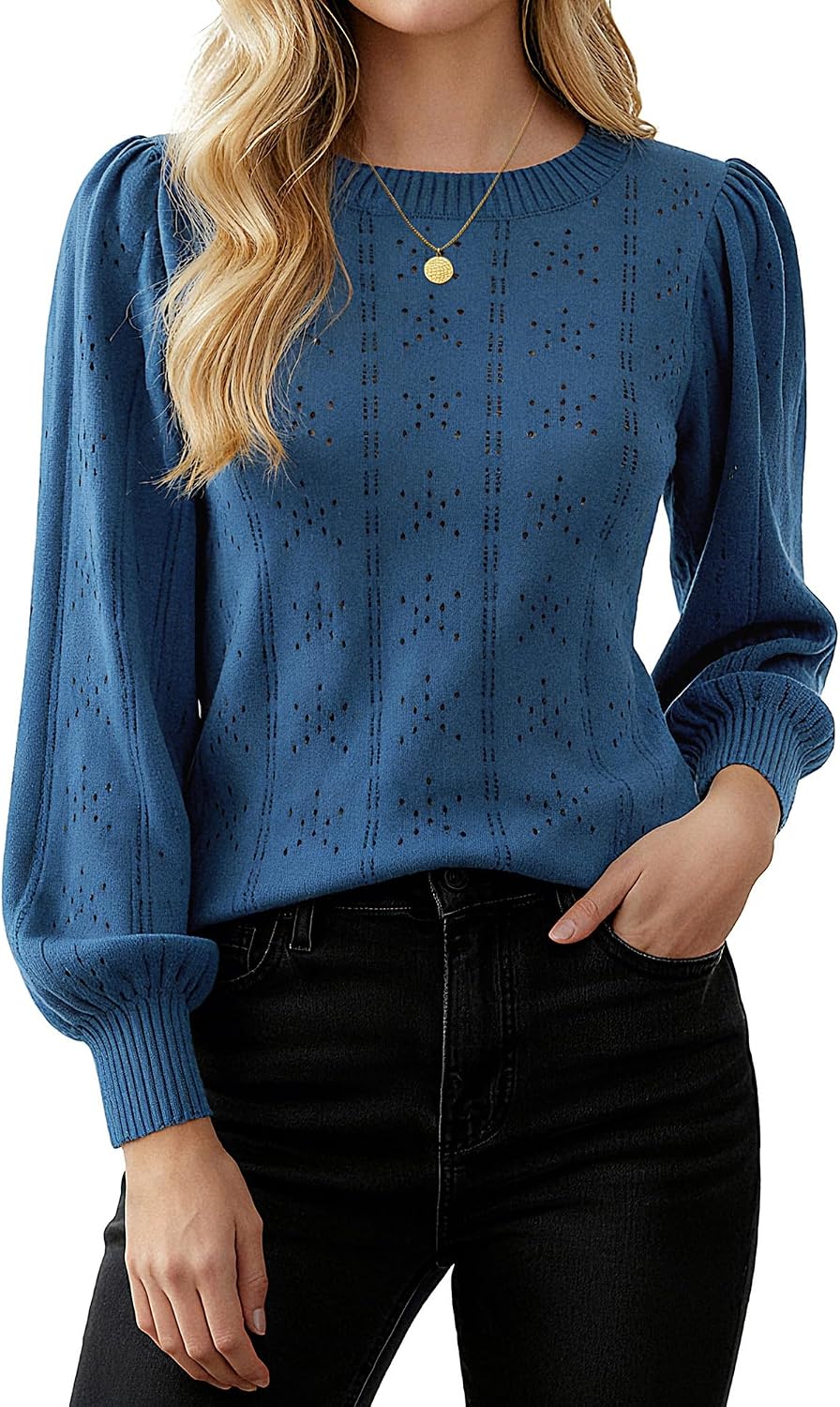
For bars and dinner, think black: a slim knit or satin top, tailored trousers, ankle boots, a good coat. For a fancier evening, a dress with thick tights and boots plus a blazer layered over works well. If you’re headed to a club (and the door policy is a mystery), dark, simple and comfortable beats anything glittery.

For the opera or a concert, smart-casual is plenty: dark trousers, a clean shirt or fine knit, polished boots.
Local tip: Keep your coat on until you’re inside. Many bars have a small cloakroom fee, so carry a few coins for it.
11. Christmas Markets and Churches: Dress for Standing Around
You’ll spend hours at Weihnachtsmärkte, and standing still in the cold is a different game from walking.
Wear your warmest boots with wool socks and a coat that covers your hips. Wind chill builds up while you queue for Glühwein or a Bratwurst. Waterproof gloves help with sticky, steaming drinks.

For churches like the Berliner Dom, there’s no strict dress code, but covering your shoulders and avoiding anything too revealing is polite. Honestly, with coats and scarves on, this isn’t a problem in December.
Local tip: Go to the markets early in the evening, when it’s still light and less crowded, then warm up in a café afterwards.
12. Bags: Crossbody Beats Backpack
Crowded markets and packed trains call for a bag you can keep in front of you.
A crossbody bag, zipped and worn across the body, keeps your phone, wallet and gloves close and safe. Choose something in leather or water-resistant nylon, in black or a neutral shade. A small backpack is fine for museum days, but wear it on your front on busy trains.

For luggage, a carry-on suitcase or a 40-litre duffel is plenty for a few days. Winter clothes are bulky, so use packing cubes and wear your heaviest layers (coat, boots) on the plane.
Local tip: Pick a bag with a zip closure. Berlin’s trains and markets are fine, but crowds are crowds.
13. Fabrics to Choose (and Avoid)
Fabric matters more than brand in winter.
Go for merino wool, cashmere blends, fleece, and down or synthetic insulation. These trap heat and keep moisture away. Corduroy and heavy denim are great for bottoms.
Avoid cotton as a base layer (it stays wet), thin polyester that doesn’t breathe, and slippery soles. Anything that isn’t water-resistant outside should be skipped.
Local tip: Check labels before you pack. A “wool blend” with 20% wool won’t perform like the real thing.
14. Rain and Snow Preparation
Berlin’s weather loves a surprise.
A waterproof coat or shell, a hood, and water-resistant boots mean you’re ready for anything. A small travel umbrella is useful on calm, drizzly days, but the wind will win on others. Waterproof spray for suede or leather boots is cheap and works wonders.
Bring a plastic bag or two for wet shoes and gloves, and a mini microfibre towel for the unexpected.
Local tip: Pack a spare pair of socks in your daybag. Dry feet fix a bad day fast.
15. What to Pack for Berlin in December (Non-Clothing)
A few small things make a big difference.
Lip balm and a rich hand cream (cold air and heated rooms dry skin quickly), a reusable water bottle, a portable phone charger (cold drains batteries), and a universal adapter (Berlin uses Type F sockets). If you’re planning a sauna day at a thermal spa, bring flip-flops and a swimsuit, but remember that many German saunas are textile-free, so check the rules beforehand.
Local tip: Keep a few euro coins handy for toilets and cloakrooms. Many places still prefer cash.
16. Your Berlin Capsule Wardrobe (and How Many Outfits to Pack)
Less is more here, because everything layers.
For a 4–5 day trip, pack: one warm coat, two pairs of bottoms plus one evening pair, three or four tops, one or two jumpers, one fleece or light layer, two base layers, one pair of boots plus one pair of backup shoes, five pairs of socks, one hat, scarf and gloves. Choose a colour palette (black, grey, navy, with one accent colour) so everything works together.
The biggest mistakes I see: overpacking “just in case” outfits, bringing too many shoes, and forgetting that you can rewear jumpers and trousers. Plan your outfits before you go and lay them out on the bed. If it doesn’t work with at least two other pieces, it stays at home.
Local tip: Most hotels and apartments have radiators, so you can quickly dry damp socks or gloves overnight.
FAQs About Berlin December Packing
How cold does Berlin get in December? Typically around 0–5°C, with occasional snow and plenty of damp wind.
Do I need a heavy winter coat? A mid-weight insulated or wool coat with layers underneath is usually enough. You only need a heavy parka if you run cold.
Can I wear sneakers? Yes, if they’re waterproof with a grippy sole. Thin fashion sneakers are a bad idea.
Is Berlin dressy? Not really. Smart-casual in dark colours works almost everywhere.
Should I bring an umbrella? A compact one, yes, but a hooded coat is more reliable in wind.
Go Get Cold (the Good Kind)
Here’s what I love about Berlin in December: it makes you feel brave. The dark afternoons, the steam rising off a cup of Glühwein, the glow of a hundred little stalls through your fogged-up breath. You’ll walk further than you planned, duck into cafés without a second thought, and end up in some tiny bar you’ll talk about for years.
Get the coat right, trust your boots, and let the layers do the heavy lifting. Then forget about the suitcase and go wander. The city will take care of the rest.

