
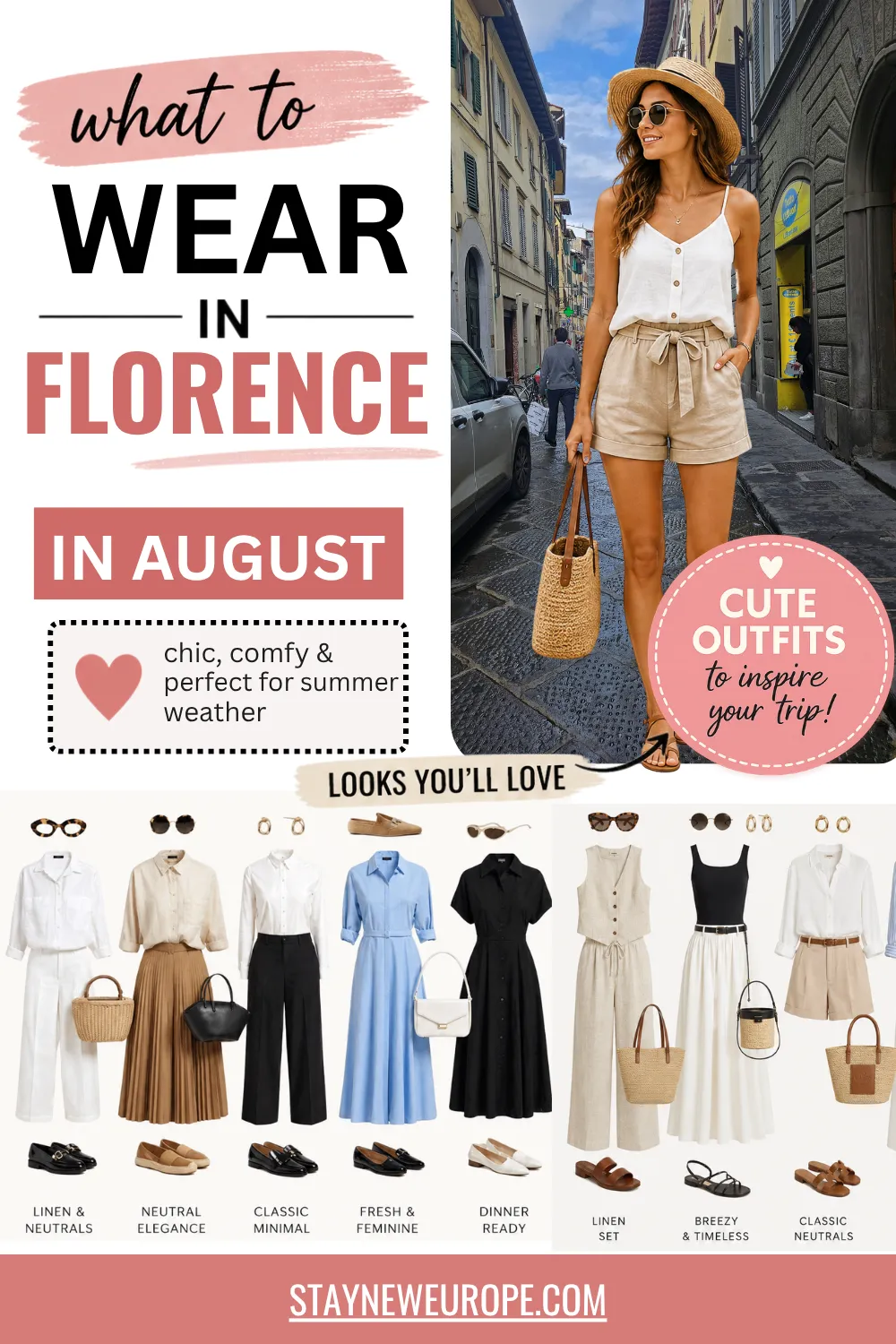
Let me set the scene. You step off the train at Santa Maria Novella, drag your suitcase onto the piazza, and within thirty seconds you’re wondering why you packed literally anything you packed. The sun is brutal. The streets are narrow rivers of heat. Everyone around you — the locals at least — somehow looks effortlessly put together, while you’re already sweating through a shirt you thought was “breathable.”
Florence in August is magical. It’s also 36°C in the shade, occasionally stormy, absolutely heaving with tourists, and full of churches that will turn you away at the door if you show up in shorts and a tank top. It’s a city that rewards people who dress thoughtfully and quietly punishes those who don’t.
I’ve made most of the mistakes so you don’t have to. Here’s what to actually wear — and what to leave at home.
Before We Dive In: What August in Florence Actually Feels Like
Florence in August sits in a kind of meteorological pressure cooker. The city is inland, surrounded by hills, and has absolutely zero coastal breeze to save you.
Average temperatures sit between 28°C and 36°C (82–97°F), but the heat index — factoring in humidity — can make it feel significantly hotter. Early mornings are bearable. By 11am, the sun hits the stone streets and squares like a heat lamp at close range.
Italians know this, which is why you’ll notice that local Florentines who haven’t escaped to the coast in August tend to do their walking before 10am and after 6pm. As a tourist, you’ll probably be out in the thick of it, which makes your clothing choices genuinely important — not just for style, but for survival.
Road condition:
Walking conditions matter too. Florence is not flat. You’ll be crossing the Ponte Vecchio, climbing up to Piazzale Michelangelo, navigating the uneven cobblestones of the Oltrarno neighbourhood, and potentially waiting in a queue on exposed stone for forty-five minutes. Comfortable shoes aren’t optional. They’re survival gear.
Culture:
And then there’s the style culture. Italians dress well — even in the heat. Not necessarily formally, but with intention. A deliberate outfit, good shoes, and something that looks like you thought about it for more than thirty seconds. This matters because it changes how you feel in the city, and honestly, Florence is a city that deserves a little effort.
1. Lightweight Linen: The Fabric That Will Genuinely Save You
I used to think linen was just for people on sailboats in the south of France. Then I wore a linen shirt in Florence in August and genuinely wondered why I’d ever worn anything else in summer.
Linen is breathable in a way that cotton can’t quite match. It absorbs moisture, releases heat, and — crucially — it dries fast when you inevitably sweat in it. Yes, it wrinkles. But here’s the thing: in Florence, slightly rumpled linen looks intentional. It looks like you just came from lunch on a terrace, which is an excellent look to have.
For women: a loose linen dress or linen wide-leg trousers paired with a simple top will carry you from a morning at the Uffizi to dinner without a costume change.
For men: a linen shirt (untucked is fine) over lightweight chinos or even linen trousers works beautifully. Stick to natural, muted tones — cream, sand, dusty terracotta, soft olive — and you’ll blend in far better than if you show up in a bright synthetic polo.
Avoid polyester at all costs. It traps heat, smells faster, and makes you look like you packed for a budget airline flight rather than one of the most beautiful cities on earth.
Local tip: Buy a piece of linen when you arrive. The markets and small clothing shops near the Mercato Centrale sell affordable linen basics that are genuinely better quality than most high-street versions at home.
2. The Dress Question: Yes, Always Yes
If you’re a woman asking whether to pack dresses for Florence in August — the answer is yes, several, immediately, done.
A sundress is the single most practical item you can bring.

It’s one piece, it requires no coordination decisions at 7am, it’s the coolest option in real heat, and when you tie a light scarf or shawl around your shoulders before entering a church, you instantly become appropriately dressed for sacred spaces without having to carry a separate outfit.

The fit matters though. Loose and floaty beats tight and clingy every time in this heat. Midi-length dresses are particularly versatile — modest enough for churches with just the shoulder cover, cool enough for mid-afternoon exploring, and elegant enough for a candlelit dinner on the other side of the Arno. A wrap dress in a lightweight fabric is the MVP: it adjusts, it travels flat, and it works everywhere.

For those who don’t wear dresses, lightweight wide-leg trousers with a loose linen or cotton top achieve the same effect. Just make sure there’s airflow. Nothing tight, nothing structured, nothing that’s going to become a personal sauna by noon.

Local tip: Florentine women often layer a thin, open-front shirt or kimono over a simple dress — it adds polish, covers the shoulders for church visits, and barely adds any warmth. It’s worth stealing this trick.
3. Shoes That Won’t Destroy Your Feet (or Your Dignity)
This is where I see the most painful mistakes, and I mean that literally. Cobblestones are not kind to flip-flops, and brand-new sandals have no place on a five-kilometre walking day around the Boboli Gardens.
The shoe brief for Florence in August is: flat or very low heel, leather or quality leather-look upper, broken in before you arrive.

Birkenstock-style sandals have become socially acceptable enough to wear almost anywhere in Florence — even to a nice dinner if they’re clean and minimal. A simple leather slide or low strap sandal works beautifully.

White leather sneakers (properly cleaned) are everywhere and look great with linen trousers or a midi dress.

What doesn’t work: plastic jelly sandals (your feet will blister within an hour on hot stone), wedge espadrilles on cobblestones (genuinely dangerous), heavy trainers (your feet will be roasting by 10am), and anything that hasn’t been worn at least a dozen times before this trip.
I learned the shoe lesson the hard way on a trip to Siena — similar Italian city, similar cobblestone situation — and spent half a day limping back to my hotel in borrowed flip-flops that were a size too small. Pack shoes you already love.
Local tip: Bring a small tube of blister plasters in your bag regardless. Even the best shoes sometimes rebel on particularly long days.
4. What to Wear for Churches (This Is Non-Negotiable)
Florence has extraordinary churches. Santa Croce, Santa Maria Novella, the Baptistery, San Miniato al Monte — these are not optional stops, and they all have dress codes. Shoulders must be covered. Knees must be covered. And unlike some cities where they hand out paper capes at the door, a lot of Florentine churches will simply turn you away.
The easiest solution is a lightweight scarf or pareo that lives in your bag at all times. You can tie it around your waist as a skirt over shorts, or drape it over your shoulders. A thin cotton or silk scarf weighs almost nothing and takes up about the same room as a folded tissue.

For men: shorts that fall at or below the knee are generally accepted. Bring a light, packable shirt you can layer over a vest for church visits.

For women in dresses: anything midi or maxi-length with just a shoulder covering sorted — you’re already done. A knee-length dress with a scarf tied at the waist works perfectly.

The Duomo (the cathedral) deserves special mention: even the queue outside is in full sun, and the interior is surprisingly cool. Dress appropriately and arrive early — the queue in August can be forty-five minutes even with pre-booked tickets.
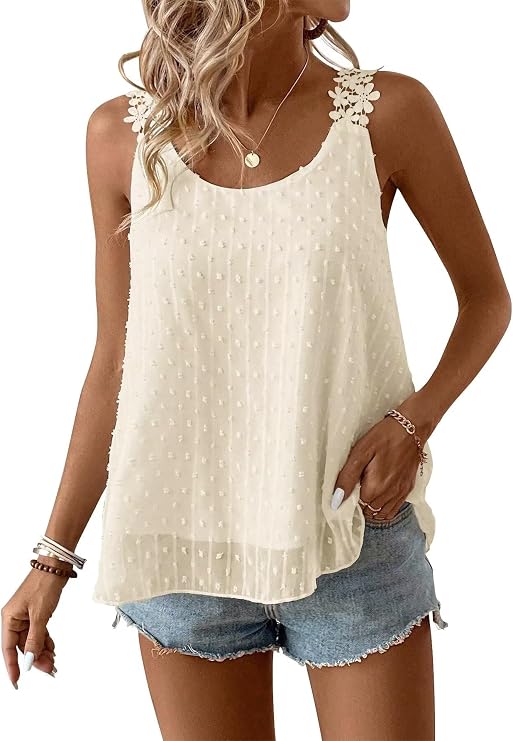
Wear cotton or linen scarf or simple linen overshirt to cover shoulders and arm
Local tip: Keep the scarf in an outer pocket of your bag, not buried at the bottom. The moment you need it, you’re standing in front of a church door with a queue of people behind you.
5. Lightweight Layers (More Important Than You’d Think)
Here’s something that catches first-time Florence-in-August visitors off guard: air conditioning is absolutely savage in restaurants, museums, and shops. You’ll walk out of 36°C heat into the Uffizi Gallery, which is kept at what feels like 18°C, and immediately wish you had something to cover your arms.
The layering trick works in both directions. Museums are cold. Evenings cool down pleasantly but can be breezy along the Arno. And if you do encounter one of Florence’s occasional August thunderstorms — dramatic, fast, and thoroughly Italian — a thin layer is exactly what you need while you wait it out at a café.
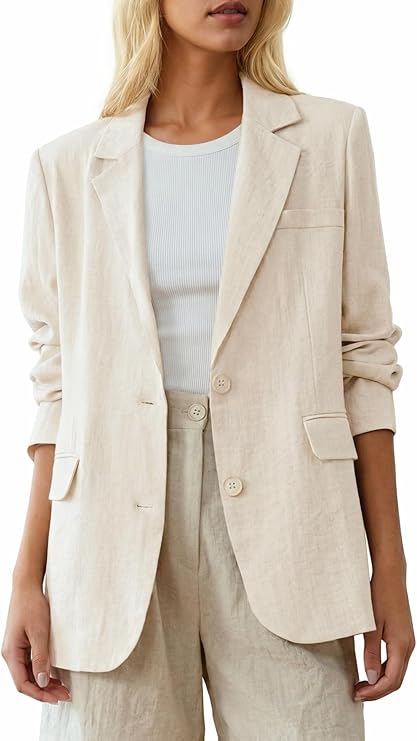
A lightweight cotton cardigan, a thin denim jacket, or even a long-sleeve linen shirt worn open can fold small enough to live in your day bag without adding any meaningful weight.
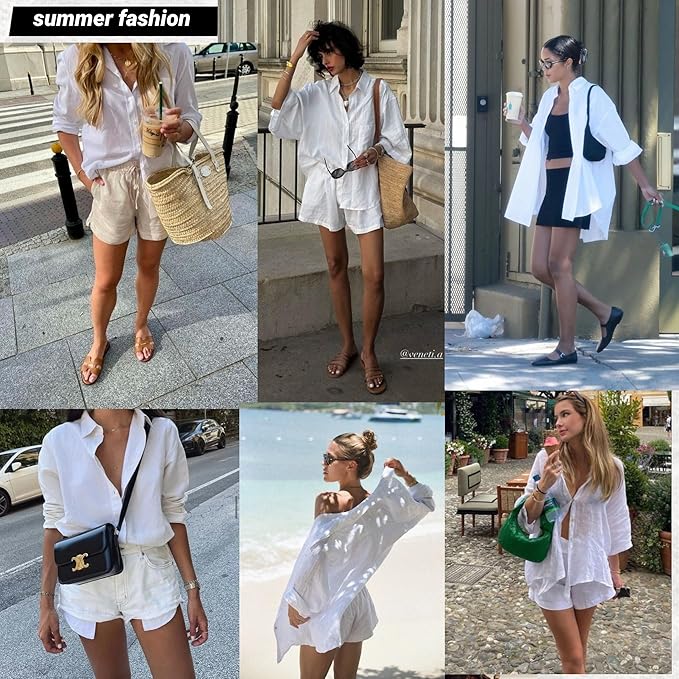
I personally use a thin cotton shirt as a layer that doubles as a church covering and a museum layer — two jobs, one item.
Local tip: Evenings in Florence, especially up at Piazzale Michelangelo watching the sunset, have a breeze that feels delicious after a hot day. A lightweight layer makes the experience perfect rather than slightly too cool.
6. Jeans in August: Let Me Be Honest With You
I know someone is going to pack jeans. I did, once. Never again.
Jeans in Florence in August are genuinely a form of suffering. Denim is heavy, it traps heat, it takes forever to dry if you get caught in a storm, and there is nothing — literally nothing — you can do in Florence in August that requires jeans specifically. The places that technically have a “smart casual” dress code are easily handled with lightweight chinos or tailored trousers.
If you’ve convinced yourself you need jeans for evening outfits, ask yourself whether lightweight cotton or linen trousers in a dark wash wouldn’t do the same job at a fraction of the temperature. They would. They always would.

There is one exception: if you’re planning to head out of Florence for a day trip into the Tuscan hills — somewhere like Fiesole or the Chianti wine country — temperatures are slightly cooler, and jeans might be acceptable. But for the city itself? Leave them at home.

Local tip: Italian men in summer often wear linen or cotton trousers in deep navy or charcoal — it reads exactly as polished as jeans but breathes infinitely better.
7. Evening Outfits in Florence
Florence evenings are genuinely lovely. The heat softens, the golden light hits the terracotta rooftops, and everyone migrates toward aperitivo. This is when the city feels most authentically itself, and it’s worth dressing for the occasion.
The good news is that “dressed for the occasion” in Florence does not mean formal. It means put-together. A linen dress with simple jewellery and good sandals is perfect.
A neat linen or cotton shirt with tailored shorts or light trousers works just as well. The Florentines have mastered the art of looking effortlessly elegant, and the key is always in the details: one statement accessory, clean shoes, hair that looks considered rather than survival-mode.

For dinner at a nicer restaurant — the kind where you’ve booked a table near the window with a view of the Arno — a slightly more polished version of your daytime outfit will serve you beautifully.
Think: the same linen trousers, but paired with a silk or fine-cotton top instead of a daytime tee. The dress you’ve been wearing all day is probably still appropriate. Florentines do not expect tourists to show up in cocktail attire.

Local tip: If you’re planning a night out in the Oltrarno neighbourhood or the student-heavy areas around Santo Spirito, the vibe is more relaxed and artsy — you can dress down slightly without feeling out of place.
8. Bags: The Crossbody vs Backpack Debate
In a city with the pickpocketing reputation that Florence has (and it’s earned — high tourist volumes attract opportunists), your bag choice is both a style and a safety decision.
A structured crossbody bag is the best all-around choice. It sits against your body, it’s hard to access without your knowledge, and it holds your daily essentials — phone, wallet, sunscreen, water bottle (get a small one), scarf — without looking bulky. Leather crossbodies look polished; canvas ones look casual and intentional rather than touristy.

Backpacks are fine for day trips or museum visits but wear them on your front in crowded areas like the Ponte Vecchio or the Mercato Centrale. A backpack on your back in a busy crowd is an invitation you don’t want to extend.

Avoid the large canvas tote as your only bag. It’s ungainly in crowds, doesn’t zip, and makes you look like you’re heading to the farmer’s market rather than a Renaissance masterpiece.
Local tip: A slim belt bag worn at the front (not the side) is an increasingly popular and genuinely practical option. Looks better than a money belt and holds everything you need for a day out.
9. What NOT to Wear in Florence in August
Let me be direct about the things that will make your trip harder, hotter, or more socially awkward.
Matching tourist sets. The coordinated shorts-and-shirt sets that photograph well at home look chaotic in Florence. Italian cities have an unspoken visual coherence, and clashing prints read as louder here than they do elsewhere.
Entirely synthetic fabrics. Polyester, nylon, acrylic — anything that traps heat and doesn’t breathe. You will be uncomfortable within an hour and it shows.
Platform trainers or wedge heels on cobblestones. This is a safety issue, not just a style one. The streets of Florence are uneven. People twist ankles regularly.
Flip-flops for a full day of walking. The flat plastic soles provide zero support for cobblestone walking and will have your feet aching by lunchtime.
A brand-new anything. New shoes, a stiff new bag, new jeans. Everything you bring to Florence should have been broken in at home first.
Local tip: If you do make a packing mistake, the shops around the San Lorenzo market and Via de’ Cerretani sell affordable, decent-quality basics. You can replace something that isn’t working without spending a fortune.
10. The Church Scarf Situation (And Other Accessories That Matter)
Accessories are where a very simple outfit becomes a good outfit. In the heat, less is more — you don’t want layers of jewellery trapping warmth — but a few thoughtful pieces elevate everything.
A quality silk or cotton scarf is the single most versatile accessory you can bring. It works as a church covering, a sun protection layer over bare shoulders, a picnic blanket at Piazzale Michelangelo, and an impromptu shade device if you’re eating outside. Invest in one good one rather than three cheap ones.

Sunglasses are essential and they’re also a style statement. Florence is a city where people notice details. A good pair of sunglasses — classic frames, nothing too theatrical — completes an outfit in a way that few other accessories can.

A hat is more optional than people think. Wide-brim hats are useful for midday sun but awkward in museums, windy near the Arno, and difficult to store. A lightweight cap or a packable straw hat you can fold into your bag is more practical.

Simple, delicate jewellery travels better than statement pieces and looks more considered in the context of Italian style culture. One layered necklace, small earrings, a thin bracelet. That’s enough.
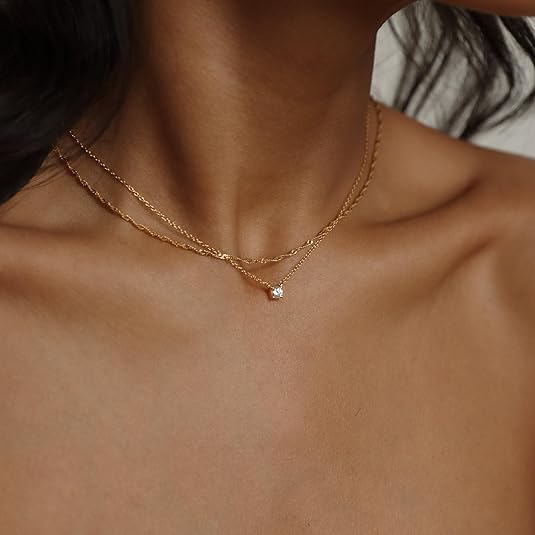
Local tip: Florence is one of the best cities in Europe for leather goods. If you’re looking for a beautiful bag, belt, or wallet to bring home — or to use on the trip itself — the leather market at Mercato Centrale and the artisan shops in the Oltrarno neighbourhood are worth a morning.
11. Sun Protection as Part of Your Outfit Strategy
This sounds obvious but I’ll say it anyway: the sun in Florence in August is not the same as the sun at home, wherever home is.
UV levels in Tuscany in August are high enough that unprotected skin burns within twenty minutes. This isn’t just a health issue — peeling sunburned shoulders are not the aesthetic you’re going for when you sit down for aperitivo. Factor sun protection into your outfit decisions, not just your morning routine.
Lightweight long sleeves in linen or thin cotton actually provide more sun protection than bare arms covered in factor 50, and they don’t need reapplying every two hours. A linen shirt worn open over a camisole provides real UV protection while keeping you cooler than you’d expect.
A wide-brim hat — or even just carrying an umbrella for shade, which Italians genuinely do — makes a significant difference if you’re planning a long outdoor walk, like the climb up to San Miniato al Monte or a stroll through the Boboli Gardens.

Local tip: Reapply sunscreen after every museum visit when you re-enter the sun. The stopping and starting of indoor-outdoor movement means most people forget to reapply at the right moment.
12. Rain Preparation: Yes, Even in August
Florence in August is generally dry, but “generally” is doing some work in that sentence. Late afternoon and evening thunderstorms appear with very little warning, drop a significant amount of rain in about twenty minutes, and then disappear. The streets flood briefly. The cafés fill up with tourists sheltering under awnings. And then it’s over, and the city smells like warm stone and fresh rain, which is actually rather beautiful.
A compact travel umbrella takes up almost no space and saves you from being the person huddled in a doorway with a paper map over their head. Alternatively, a packable rain jacket in a light fabric serves double duty as a layer in air-conditioned spaces and emergency rain coverage.
What doesn’t work: ponchos. I know they’re practical. They’re also deeply unglamorous in a city this beautiful, and you will be photographed.
Local tip: If you get caught in a storm, the instinct is to run. Don’t. Find the nearest café, order an espresso, and wait. The storm will be over in fifteen minutes and you’ll have had a genuinely lovely Florentine experience in the process.
13. Fabrics to Choose (and the Ones to Leave Behind)
Summer in Florence is essentially a fabric competition, and some fabrics simply don’t make the cut.
Yes: Linen (the winner, always), lightweight cotton, cotton-linen blends, silk (for evening — it breathes beautifully and looks exceptional), bamboo jersey, Tencel or Lyocell.
No: Polyester, nylon, heavy denim, thick cotton jersey, anything labelled “moisture-wicking” in a sporty context (it works for sports but often smells faster in city heat), velvet, anything with significant weight or structure.
The rule of thumb: if the fabric feels warm when you hold it up in a shop at home, it will feel unbearable in Florence in August. Test every item before packing.
Local tip: “Dry touch” and “cool touch” fabric technologies in some lightweight sportswear brands genuinely work for city walking — they’re different from standard polyester. Brands like Uniqlo’s AIRism range are an exception to the “no synthetics” rule.
14. The Capsule Wardrobe for a Week in Florence
If you’re going for five to seven days, you need less than you think. Here’s what actually works.
For women:
- three or four dresses (a mix of casual and slightly smarter).
- two pairs of lightweight trousers or shorts.
- three or four tops that can be mixed and matched.
- one light layer (cardigan or linen shirt).
- two pairs of shoes (comfortable walking sandals.
- one slightly smarter flat).
- one good crossbody bag.
- one versatile scarf.
For men:
- two or three linen or cotton shirts.
- two or three lightweight t-shirts.
- two pairs of light trousers or tailored shorts.
- one lightweight layer.
- one pair of versatile leather sandals.
- one pair of clean white or neutral-toned trainers.
That’s it. The temptation to pack “options” is strong, but in a city this hot, you’ll end up rotating the same three coolest items anyway.
And if you’re combining Florence with other Italian destinations — perhaps Rome, the Amalfi Coast, or you’ve been inspired by reading about cheap European summer destinations — this core wardrobe travels seamlessly to any southern European summer context.
Local tip: Pack one completely packable, roll-up outfit you don’t mind being slightly creased — this is your “emergency” dinner outfit if something else gets ruined mid-trip.
Practical Packing Notes: How to Get This Right Before You Leave
How many outfits to pack: Roughly one per day is the instinct, but you can get away with one per 1.5 days if you have access to a sink and a single quick-dry item. Hotels in Florence often have laundry facilities or nearby laundromats.
Packing light vs. overpacking: Florence is not a destination where you can easily check your bag at the hotel and walk the streets unencumbered — you’ll be in and out all day. A heavy suitcase is a burden, not a security blanket. If you can’t lift it comfortably, it’s too much.
Mistakes to avoid: Packing formal shoes for “just in case” occasions that never arise. Bringing a coat (a layer is sufficient). Packing full-size toiletries when Florence has pharmacies everywhere. Leaving comfortable shoes at home because they “don’t look right.”
Outfit planning tip: Lay everything out before you pack, then remove two items. You almost certainly won’t wear them, and the space and weight you save will feel like a small daily luxury.
One Last Thing Before You Go
Florence in August is hot, crowded, and occasionally chaotic — and it is also one of the most beautiful places you will ever stand in. The way the late afternoon light hits the Arno. The moment you walk into the Uffizi and come face to face with Botticelli’s Primavera without having seen it in a textbook for years. The particular pleasure of a cold Aperol spritz at a pavement table when the heat of the day finally starts to ease.
Dressing well for this city isn’t about following rules. It’s about being comfortable enough to actually be present — to walk further than you planned, to wander into an unexpected courtyard, to say yes to a last-minute dinner at a trattoria with no English menu because you feel good in what you’re wearing and nothing is rubbing or pinching or making you too hot to think.
Pack light, pack linen, and pack comfortably. Florence will take care of the rest.
