

Florence in July is, without sugarcoating it, hot. Not “oh how lovely, a warm Mediterranean breeze” hot — I mean stepping-off-the-train-and-immediately-reconsidering-all-your-life-choices hot. The kind of heat that bounces off the stone streets, wraps around you in the Uffizi queue, and makes you stare longingly at every gelato stand like it’s a mirage.
But here’s the thing: Florence is also one of the most stylish cities on earth. Italians here dress with a quiet confidence that can make a tourist in an oversized souvenir tee feel deeply, personally called out. Getting dressed for Florence in July is less about fashion and more about survival — but survival, as it turns out, can look pretty great.
I’ve watched so many visitors show up in the wrong shoes, the wrong fabrics, and entirely too many layers. I’ve also been that person, sweating through a synthetic top at 9am while trying to look dignified in front of Michelangelo’s David. Consider this the guide I wish I’d had before I went.
Before We Dive In: What You’re Actually Dealing With
The Weather
July in Florence is no joke. Temperatures regularly sit between 30–36°C (86–97°F), and it can spike higher during heatwaves, which are increasingly common. Humidity is moderate — not quite as heavy as Rome — but the heat radiating off the Duomo’s piazza can feel almost aggressive by midday.
Rain is rare but possible; when it does come, it tends to be a dramatic afternoon thunderstorm rather than a drizzle. You won’t need a full rain jacket, but a compact umbrella is never a bad idea.
Mornings around 7–9am are genuinely pleasant. From 11am to about 4pm, the streets feel like the inside of a bread oven. Plan your wardrobe — and your itinerary — around this.
The Walking Situation
Florence is compact, walkable, and almost entirely paved with pietra serena — that beautiful grey sandstone that looks like a Renaissance painting and feels like walking on a baking tray in July. The streets are relatively flat compared to, say, Cinque Terre, but you’ll still rack up 15,000–20,000 steps on an average sightseeing day.
Your feet need to be happy. I cannot stress this enough. Blisters in Florence are a rite of passage nobody needs.
The Italian Style Factor
Florentines dress well. Not flashily — actually quite simply — but with intention. Good fabrics, clean cuts, well-maintained leather. You don’t need to arrive looking like you’ve stepped out of a Gucci campaign (though this being Florence, you could), but you’ll feel better and be treated better if you make a small effort. There’s a reason the fashion district here produces some of the world’s best leather goods. Aesthetics matter to the locals, and it shows in how they dress even for a Tuesday supermarket run.
Lightweight Layers: Your Greatest Weapon in July Florence
Let me be honest — when someone told me to “pack layers” for July in Italy, I nearly laughed. Layers? For one of the hottest months in one of Italy’s hottest cities?
But here’s what I learned the hard way: Florence’s churches are cool. The kind of cold that hits you like a blessing when you step in from the heat. Air-conditioned restaurants go from “refreshing” to “freezing” quickly. And evenings on the Arno can get surprisingly breezy once the sun drops.
You don’t need a heavy jacket — you need what I’d call strategic layering. A lightweight linen shirt worn open over a camisole. A soft cotton cardigan stuffed in your bag. A thin silk scarf that doubles as a shoulder cover for churches. These are the pieces that travel between Florence’s microclimates with you.
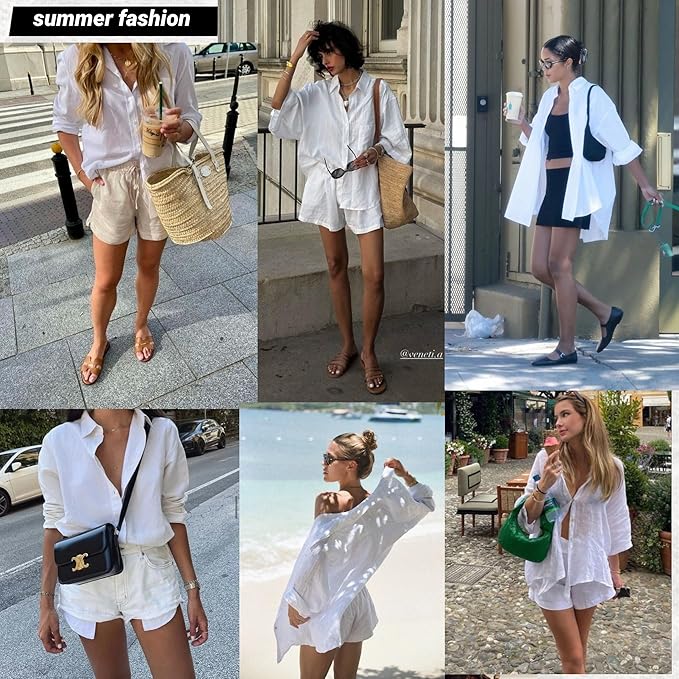
Think of it as dressing in removable sections rather than outfits. By 10am, you’ll be stripping down. By 8pm, you’ll be adding something back.
Local tip: A fine-knit cardigan in a neutral — sand, cream, sage — is one of the most useful things in your bag. Italians wear them tied loosely around their shoulders and it works beautifully.
Dresses and Skirts: Actually, Yes — This Is the Answer
If there’s one thing Florence in July will do, it’s convert you to dresses. I say this as someone who came as a die-hard jeans person.
A loose, midi-length dress in linen or viscose is the closest thing to wearing nothing while still looking entirely put-together. The airflow is real. The elegance is genuine. You’ll glide through the Boboli Gardens feeling like a Botticelli subject while your jeans-wearing companions quietly suffer.

The key is the cut and fabric. Go for something that doesn’t cling — empire waist, A-line, or a relaxed shirt dress all work beautifully. Wrap dresses are brilliant because they adjust easily and can be dressed up or down. Avoid anything bodycon or synthetic: polyester in July Florence is a special kind of torture.

Skirts work equally well. A flowy midi skirt paired with a simple cotton or linen top gives you the same airflow benefit. Pair with flat sandals for daytime, swap to a low block heel or dressy flat for dinner, and you’ve got two entirely different looks from the same skirt.

Outfit idea: Terracotta linen midi dress + tan leather sandals + small leather crossbody + gold hoops. Morning at the Uffizi, lunch in Oltrarno, aperitivo on the terrace — one outfit, whole day.
Local tip: Florentine women tend to wear dresses in earthy tones — ochre, rust, olive, camel. It’s not a rule, but you’ll notice how naturally these colours complement the city’s palette of warm stone and faded terracotta.
Jeans in July: The Complicated Truth
I’m not going to tell you to leave your jeans at home entirely, because that’s not realistic. But I will tell you that wearing jeans in Florence in July requires some specific conditions and a decent tolerance for discomfort.
The problem is simple: denim doesn’t breathe. By midday, wearing jeans in 34°C heat turns into a genuinely unpleasant physical experience. Your legs overheat, your movement feels restricted, and you start resenting every open-toed sandal you see.

That said — if you love jeans, bring one pair. Wear them for cooler mornings or evening dinners. Choose a lighter wash (dark denim absorbs more heat), and opt for a relaxed or straight cut rather than anything skinny. Wide-leg linen or cotton trousers are a brilliant alternative that give you the put-together look of jeans without the heat penalty.

Linen-blend trousers in a taupe or cream are the July Florence power move for those who don’t want to live entirely in dresses.
Local tip: If you insist on jeans, bring them for evening only. Florence’s riverside restaurants and rooftop bars are slightly cooler, and jeans with a nice top actually looks great at dinner. Just don’t attempt the midday Duomo queue in them.
Shoes: The Single Most Important Decision You’ll Make
I’m putting this early because people underestimate it and then I watch them limping around Piazza della Signoria looking defeated by day two.
Florence is a leather city. The Santa Croce district is literally built on historic tanneries. If there is anywhere on earth to invest in good footwear, it is here. And if there is one month in which your shoes will be tested, it is July.

What works: flat leather sandals with a footbed (think Birkenstock-style or a good quality Italian brand), comfortable leather loafers, low-heeled mules with a secure back strap, and well-worn trainers with proper support.

What does not work: brand-new shoes of any kind (break them in before you go), flip-flops for full days of walking (no arch support + cobblestones = misery), stilettos or high heels anywhere except a taxi, and overly chunky platform sandals that feel like ankle-spraining roulette on uneven stone.

My personal hero item: a pair of good quality, soft leather flat sandals in tan or nude. They work with dresses, skirts, linen trousers, even casual shorts. They photograph well. They’re easy to slip off at church entrances. They are the Florence shoe.
Local tip: Don’t buy new shoes at the Mercato Centrale for day-of walking. The leather market goods are beautiful but untested. Save them to break in at home — or wear them exclusively for short evening strolls.
What NOT to Wear: The Tourist Tells
This isn’t about being judgemental. It’s about helping you feel comfortable and blend in a little, which actually makes the experience better.
Athletic wear in the city centre. Gym leggings, sports bras as tops, performance shorts — these read as out-of-place in a city with Florence’s aesthetic standards. Save the athleisure for the gym or the airport.
Loud novelty prints and branded tourist tees. I understand the appeal of the “I ❤️ Firenze” souvenir shirt. Just… maybe save it for sleeping in.
Overpacked suitcases worn on your body. Tourists sometimes try to carry everything: sun hat, camera around the neck, multiple tote bags, fanny pack, daypack. It’s a lot. Pare it down. One well-chosen bag, one good hat.
Completely impractical footwear. I once watched a woman attempt the climb up to Piazzale Michelangelo in stiletto wedges. She made it. But nobody who saw her would describe the journey as dignified.
Excessive logos. Florentines tend to be subtle about branding. Big visible luxury logos actually read as a bit touristy here, ironically. Simple quality wins.
Local tip: Watch what local women your age are wearing on the Lungarno (the riverside promenades). That’s your real-time style research. It’s usually simple, quality pieces in neutral tones, beautifully put together.
Tops That Actually Work in the Heat
The formula for a July Florence top is: natural fibre, loose fit, elegant enough to walk into a church or a nice restaurant.
Linen blouses are the gold standard. They wrinkle, yes, but Italians accept a certain amount of natural linen rumple as part of the look. A loose cotton or silk button-front shirt in white, cream, or soft blue will serve you brilliantly. Simple sleeveless tops in breathable cotton work well too, especially as a base layer under a shirt.

What to avoid: anything synthetic (rayon-adjacent polyester traps heat), anything tight or clingy (fabric touching skin in the heat = discomfort), and anything with heavy embellishments or layers of fabric.
Outfit idea: White linen blouse half-tucked into an olive midi skirt + leather slides + small leather bag + a single gold chain. Effortless, church-appropriate, dinner-appropriate, and cool enough for a morning walk.
Local tip: Pack more tops than anything else. In the July heat, tops need changing most often — a light top can feel unwearable after a long afternoon. Bring 7–8 for a week rather than 5.
What to Wear for Churches: The Rules That Catch People Off Guard
This surprised me slightly when I first visited: Florence’s dress codes for churches are enforced. Not aggressively, but genuinely. Shoulder coverings are required, and knees must be covered. If you show up to Santa Croce in a spaghetti-strap dress and shorts, you’ll be turned away or handed a paper cape, which is exactly as dignified as it sounds.
The good news is that dressing for churches in July doesn’t require much planning if you’ve followed the general advice above.
1. A midi dress already covers your knees.
2. A linen shirt open over a camisole covers your shoulders.
3. A light scarf, tied or draped, sorts the rest.

I carry a large, lightweight cotton or silk scarf specifically for this purpose. It weighs almost nothing, fits in any bag, and doubles as a layer when restaurants are aggressively air-conditioned. It has saved me from the paper cape at least four times.
Local tip: The paper capes offered at some church entrances for bare-shouldered tourists are genuinely enormous and made of what I can only describe as medical-grade crepe. You do not want one. Pack the scarf.
Evening Outfits: Florence Deserves a Little Effort
Florence evenings are genuinely beautiful — the Arno goes golden, the air actually cools, the trattorias light up, and everyone seems to slow down and enjoy it. This is also when Florentines genuinely dress up, and it’s worth matching that energy even slightly.
You don’t need to arrive with a cocktail dress (though you could). What you’re aiming for is a small step up from your daytime look. Swap the flat sandals for a block-heeled mule or a dressier flat. Add a statement earring. Swap the linen blouse for a silkier version. Put on the one slightly nicer dress you packed.

The dress code at most Florence restaurants is smart casual, and even at nicer spots, you’ll be fine in a good dress or tailored trousers. Nobody expects a Florentine formal dinner experience at a neighbourhood trattoria, but nobody wants to sit next to someone in beach shorts either.
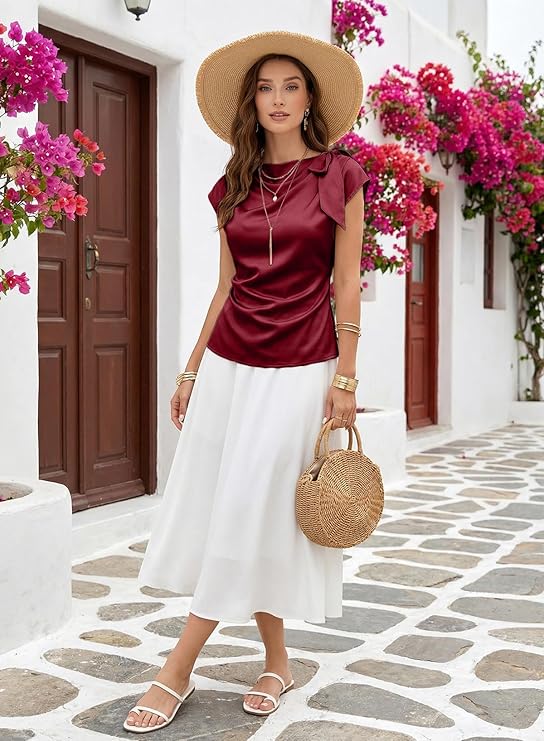
Outfit idea: Rust-coloured wrap dress + block heel sandal + small clutch or structured mini bag + statement earrings. Aperitivo at a rooftop bar, dinner in Santo Spirito — you’re ready.
Local tip: July evenings on the Oltrarno side (south of the Arno) tend to be slightly more casual and neighbourhood-y than the tourist centre. Dress accordingly — still nice, but less formal.
Bags: The Crossbody Wins, Every Time
Let’s settle this: in July Florence, a crossbody bag is the correct answer. Hands-free, close to your body, cool enough to carry without sweating through your shoulder, and easy to keep an eye on in crowded piazzas.
A small leather crossbody in tan, black, or cognac is the Florence classic. It fits your phone, your cards, your map (or that paper cape you were trying to avoid), and not much else — which is exactly how much you need.

Backpacks work for day hikes. In a city centre with narrow streets and packed museums, a backpack constantly catches on things, bumps into other people, and makes you a slightly easier target for pickpockets. If you need the capacity, a structured tote is a better choice.
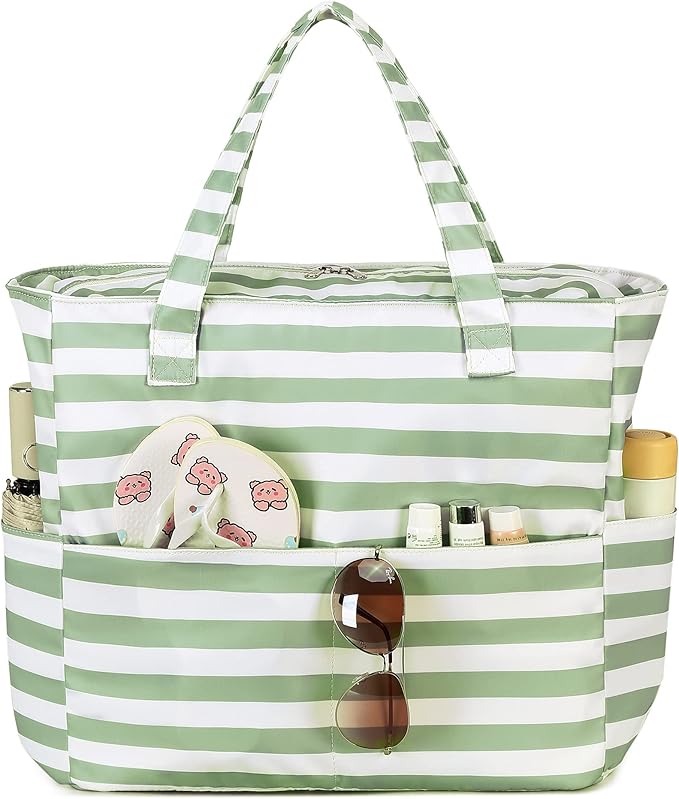
Big beach bags, rolling suitcases trundled through churches, massive hiking packs: none of these are wrong, exactly, but all of them will make you feel slightly out of place.
Local tip: Florence’s leather markets (San Lorenzo especially) sell beautiful crossbody bags at every price point. Buy one on day one and use it for the rest of the trip. The leather softens beautifully within hours.
Accessories That Do Actual Work
In July Florence, accessories aren’t decoration — they’re tools. The right ones make a genuine difference.
Sunglasses. Non-negotiable. The light bouncing off pale stone is intense. Go for a good UV-protective pair in a classic frame. Oversized styles are very much on trend here.

A wide-brimmed hat. Not just for aesthetics (though a good straw hat is extremely aesthetic in Florence). For actual sun protection while queuing outside the Uffizi or walking the Piazzale Michelangelo. Packable straw hats fold flat into your suitcase and spring back beautifully.

A lightweight scarf. Already covered above — church modesty cover, air conditioning defence, hair wrap, occasional sun shield.

Good quality sunscreen. Not an accessory in the traditional sense but absolutely part of your daily outfit preparation. Factor 50, reapply every two hours. The sun in Florence in July is not playing.
Local tip: A packable straw hat from one of the artisan market stalls costs very little and looks a thousand times better than a baseball cap with a logo on it. Worth every euro.
Fabrics to Choose (And Fabrics to Leave at Home)
This is where packing for Florence in July gets genuinely technical, and where it matters.
Choose: Linen (the champion of summer fabrics — breathes, looks chic even slightly wrinkled, gets better with wear), cotton (lightweight, natural, easy to wash), viscose/rayon (flows beautifully, fairly breathable — check that it’s a quality version), silk (incredibly temperature-regulating and looks effortlessly elegant).
Leave at home: Polyester (traps heat and odour aggressively), nylon (ditto), thick denim (save for cooler months), velvet, heavy knits, anything described as “moisture-wicking” for sport (it’s designed for movement, not city walking, and it doesn’t look right here), synthetic lace (decorative but sweat-inducing).
The key test: hold the fabric up to the light. If you can’t see your hand through it at all, it’s probably too thick for July. If it’s stiff and holds its own shape rigidly, it might not breathe.
Local tip: Wrinkle-resistant linen blends exist and are genuinely brilliant for travel. They give you the linen breathability with slightly more structure. Brands like Uniqlo do an excellent version at reasonable prices.
Rain Preparation: Brief but Real
July is Florence’s driest month, but “driest” doesn’t mean “rain-free.” The afternoon thunderstorm situation is real — they blow in fast, drop aggressively for 20–40 minutes, and then disappear completely, leaving the streets steaming.
You don’t need a full rain jacket. You do need a compact umbrella — the small fold-up kind that fits in your crossbody bag. They’re also sold everywhere in Florence for about €5 if you get caught unprepared.

Light sandals dry quickly after a rain shower. Suede anything does not. Keep this in mind.
Local tip: If a thunderstorm catches you, step into a bar (Italian café), order an espresso or a spritz, and wait it out. This is not suffering. This is Florence doing you a favour.
Your Florence July Capsule Wardrobe
For a week in Florence in July, here’s what I’d pack if I were being ruthlessly practical and reasonably stylish:
Tops (7–8): 3 linen or cotton blouses (white, cream, soft colour), 3 simple cotton camisoles or tank tops, 1–2 slightly dressier tops for evenings.
Bottoms (3–4): 1 pair linen wide-leg trousers, 1 midi skirt (flowy, cotton or linen), 1 pair jeans or tailored cotton shorts for cooler moments.
Dresses (2–3): 1 casual day dress (linen, cotton), 1 versatile midi that works day to evening, 1 slightly dressier option.
Shoes (3 pairs): Flat leather sandals (your workhorse), comfortable loafers or trainers for longer walks, 1 dressier flat or low heel for evenings.
Outerwear: 1 fine-knit cardigan or light cotton blazer.
Accessories: 1–2 crossbody bags, packable straw hat, 2–3 pairs earrings, 1 large light scarf, sunglasses.
That’s it. That’s the whole thing. Resist the urge to add “just in case” items — Florence in July is not a “just in case” weather situation.
Packing Smart: The Practical Reality
Bring less than you think you need. This always sounds like obvious advice until you’re lugging a massive suitcase over cobblestones in 34°C heat. Florence’s historic streets are not rolling-luggage-friendly, and smaller bags mean less lifting, less storage hassle, and less decision fatigue.
Plan for outfit repeating. Build around 2–3 neutral base pieces (one linen trouser, one versatile dress, one skirt) and change your tops and accessories. Florentines rewear outfits without shame — that’s actually part of the stylish efficiency.
Pack one item that makes you feel amazing. Not practical, necessarily, but important. Travelling well includes moments of feeling genuinely put-together. That dress you love. Those earrings that always get compliments. Pack it.
Do laundry mid-trip if you’re staying a week or more. Most Airbnbs have washing machines, and many hotels offer laundry services. In July, you’ll want clean tops frequently.
Leave room in your bag. Florence’s leather and textile markets are extraordinary. You’ll want to bring things home.
A Word on the Leather Shopping Opportunity
This is technically a packing article, but I’d be doing you a disservice if I didn’t mention: Florence is the best place in the world to buy leather goods. Bags, belts, sandals, wallets — the quality at the artisan workshops is genuinely exceptional.
Consider arriving with one less bag than you think you need, buy a beautiful leather crossbody in Florence on day one, and use it for the rest of the trip. It’ll be better than anything you brought from home, it’ll work perfectly for the city, and you’ll carry a piece of Florence home with you.
Here’s the thing about dressing for Florence in July — once you stop fighting the heat and start working with it, your whole approach to the trip changes. You slow down during the midday hours like the city itself does. You find joy in the simple ritual of choosing a linen dress and decent sandals in the morning. You discover that a beautiful hat isn’t vanity; it’s survival. And you find that the city rewards people who make even a small effort to dress thoughtfully — with better service, warmer interactions, and the quiet satisfaction of walking through one of the world’s most beautiful cities feeling, somehow, like you belong there.
Go lightly packed. Go in natural fibres. Wear good shoes. And save room in your bag for the leather goods you’re absolutely going to buy.

