
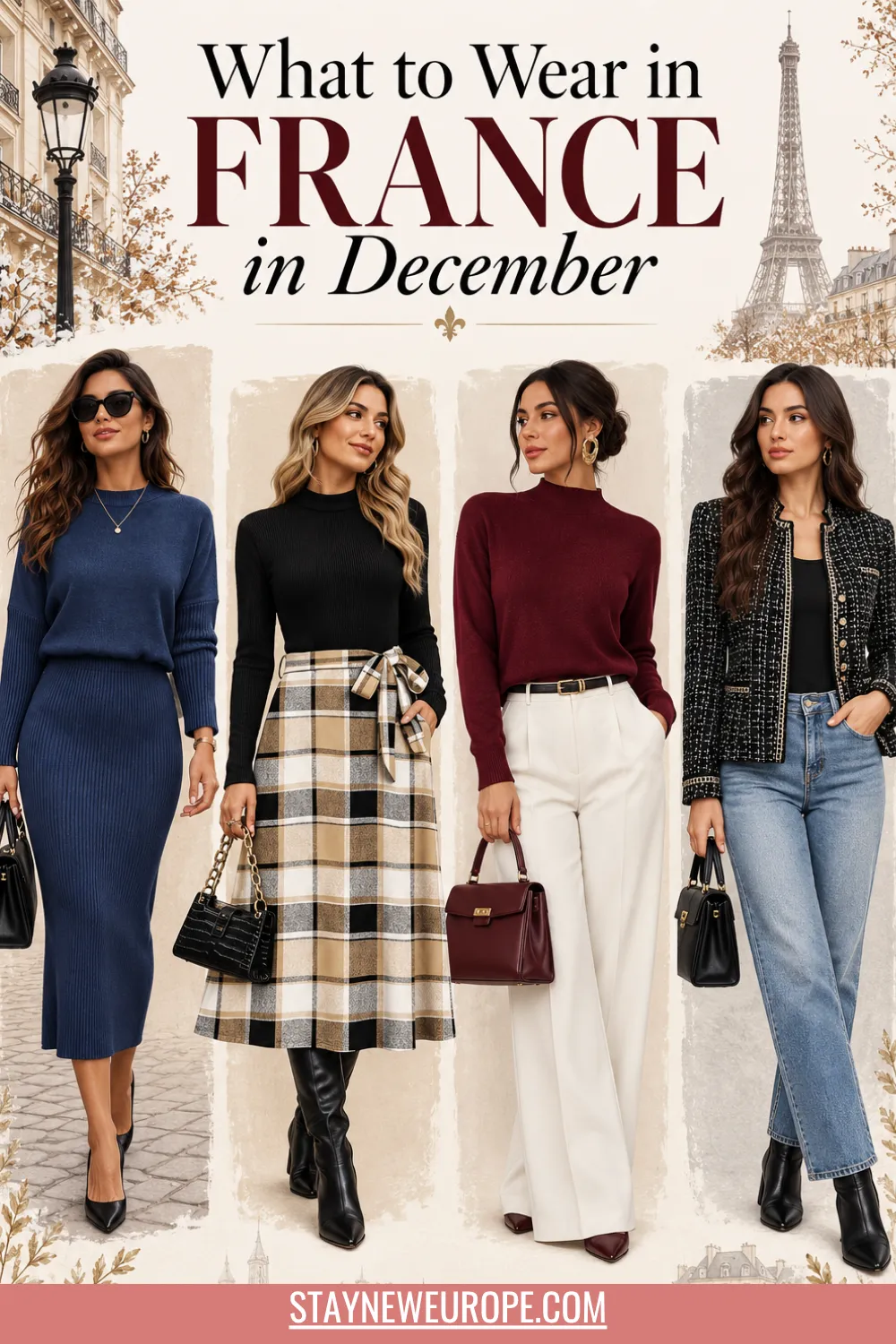
Let me be honest with you before we go any further: I underestimated December in France the first time I went, and I paid for it in cold ankles and a very expensive emergency scarf purchase near Saint-Sulpice.
France in December is grey light, breath you can see, chestnuts roasting on street corners, and Christmas markets glowing at 4:30pm because the sun has already clocked out for the day. It’s beautiful in a moody, cinematic way — but it is not the kind of cold you can bluff your way through with “a big jumper and hope.”
This surprised me the most: it’s not the temperature that gets you, it’s the combination — damp air, wind off the river or the coast, and hours of walking on stone streets that hold the cold. So this isn’t a generic “pack a coat” guide. This is what I actually wear, what I wish someone had told me, and the outfit mistakes I watched half my hostel make in Lyon one December.
Before We Dive In
Weather: December in France usually sits somewhere between 3–9°C (37–48°F) in Paris and the north, a little milder down in Provence or the Riviera, and properly cold if you’re heading toward the Alps. It’s rarely a dry cold — expect drizzle, damp pavements, and grey skies more often than snow.
Walking conditions: France is a walking country, and December doesn’t change that. Cobblestones get slick when wet, bridges get windy, and the metro stairs in Paris will absolutely test your boots. Comfort is not optional here — it’s the whole outfit’s foundation.
Style culture: the French dress well, and yes, this matters more than people admit. Nobody’s judging your parka, but there’s a visible difference between “dressed for the cold” and “dressed like you gave up.” A little effort — a good coat, a scarf, boots instead of trainers — goes a long way toward blending in rather than sticking out.
The Right Bag for a December France Trip
Before we even get to clothes, let’s talk about what you’re carrying them in.
I learned this the hard way after dragging a hard-shell suitcase over cobblestones in the Marais and nearly losing a wheel outside a boulangerie. For a December trip, where you’re packing bulkier layers, a mid-size soft-sided suitcase or a structured duffle with wheels tends to work better than a rigid case — it flexes into overhead bins and tight hotel elevators, and it survives cobblestones with a lot more grace.
If you’re doing multiple cities by train (very likely in December, when flights get pricier and trains get cozier), a 40–55L wheeled duffle is the sweet spot. It’s compact enough to lift onto a luggage rack yourself, and roomy enough for a proper coat, boots, and evening outfit without needing to sit on the zipper.

Local tip: pack your coat on the plane or train, not in the suitcase. It saves an enormous amount of space, and you’ll want it the second you step outside anyway.
Layers Are Doing More Work Than You Realize
Here’s the thing nobody tells you: in December France, you’re not dressing for one temperature, you’re dressing for four — the icy morning walk, the overheated café, the cold church, and the surprisingly mild afternoon sun if you’re lucky.

I used to think “layers” just meant a jumper under a coat. It doesn’t. A proper layering system is a thin base (a fitted long-sleeve top or fine-knit turtleneck), a mid layer that actually insulates (a wool or cashmere-blend sweater), and an outer layer that blocks wind and rain. The base layer is the one people skip, and it’s the one that keeps you from sweating through your jumper the second you step onto a heated train.

This matters even more if you’re moving between regions — a coat that’s perfect in the Alps will be overkill in Nice, so building your outfit in layers means you can peel off the sweater on the Côte d’Azur without needing a second suitcase.
Outfit combo: fine merino turtleneck, chunky knit cardigan, wool coat over the top, thermal leggings under trousers if you’re somewhere colder like Strasbourg or the Alps.
Local tip: thin merino wool base layers pack down to nothing and don’t smell after a full day of walking, which matters more than you’d think on a week-long trip.
The One Coat That Basically Becomes Your Winter Personality
I’ll be honest — in December, your coat is your outfit. Everything else is details.
A long wool coat (knee-length or longer) is the single best investment for this trip. It looks intentional, it works over almost anything you pack underneath, and it’s warm enough for city walking without needing a second jacket most days. Camel, black, navy, or dark green all blend beautifully into the French winter palette, which — fair warning — leans heavily neutral in December.
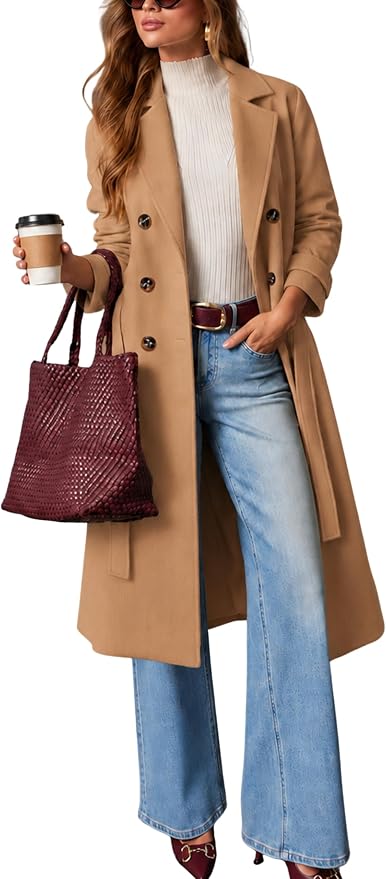
If you run cold or you’re heading somewhere properly chilly (Alsace, the Alps, rural Burgundy), a long puffer coat is a completely valid swap, and honestly more practical than fashion blogs make it sound. The trick is choosing one that’s fitted rather than boxy, so it still looks like an outfit choice and not a sleeping bag.

Local tip: buy — or bring — a coat with pockets deep enough for gloves and your phone. You will be doing a lot of one-handed café ordering with the other hand jammed in your pocket.
Jeans, Trousers, or Leggings — What Actually Survives French Winter Streets
Denim gets a bad reputation for winter travel, and honestly, some of that’s earned. Regular jeans in freezing wind are miserable by hour two.
What works: a slightly heavier denim (or jeans lined with a thermal layer underneath), wool-blend trousers, or corduroys, which somehow always look more “French winter” than plain denim anyway. If you’re prone to cold legs, fleece-lined leggings under a skirt or looser trousers solve the problem without adding bulk.
For dressier days — dinner, a museum, a nicer restaurant — tailored wool trousers do double duty: warm enough for the walk there, smart enough for the meal.

Outfit combo: dark wool trousers, turtleneck, ankle boots, long coat — this is basically the French December uniform, and it works because it’s simple.
Local tip: avoid skinny jeans with no room for thermal layers underneath if you’re heading anywhere north of Lyon in December — you’ll regret it by day two.
Dresses in December? Actually, Yes.
This one surprised me. I assumed December meant dresses were off the table entirely, and I was wrong.
A midi dress in a heavier fabric — wool blend, ponte knit, or corduroy — works beautifully layered over thermal tights and under a long coat. It’s actually one of the easiest ways to look put-together without overthinking an outfit, especially for dinner or a Christmas market evening when you want something a little nicer than jeans.

The trick is fabric weight and layering underneath, not avoiding dresses altogether. A thin cotton sundress obviously has no place here, but a knit dress with tights, boots, and a coat is warm, easy to move in, and looks effortlessly French.

Outfit combo: ribbed knit midi dress, opaque black tights, ankle boots, oversized scarf, wool coat.
Local tip: knit dresses that don’t cling are your friend — they hide the bulk of thermal layers underneath far better than fitted styles.
Walking Shoes That Don’t Scream “I’m Lost”
Comfortable shoes matter everywhere, but France in December raises the stakes because you’re dealing with wet cobblestones, damp metro stairs, and streets that ice over more than people expect.
Leather or suede ankle boots with a proper grip sole are the move. They read as intentional rather than “hiking gear,” they layer well with trousers or tights-and-dress combos, and a decent pair will keep your feet dry through drizzle (proper rain is a different story — more on that below).

Avoid anything with a completely flat, smooth sole; French cobblestones get genuinely slippery when wet.
If you’re doing anything alpine or countryside, a pair of waterproof hiking-style boots is worth the suitcase space — they don’t have to look sporty, there are plenty of sleek, boot-shaped waterproof options now that don’t scream “tourist trail.”

Local tip: break in new boots before the trip. A blister on day one of a walking-heavy itinerary will ruin far more than your outfit.
What NOT to Wear in France in December
I watched someone in my Lyon hostel wear white trainers and ankle socks through slush for four days straight, and I still think about it.
Skip the athletic wear unless you’re actually exercising — leggings-as-pants with a hoodie reads as “just rolled out of bed” rather than “travelling comfortably,” and locals will clock it instantly. Avoid flimsy rain jackets that look like they belong at a festival; they don’t block real wind. And please, skip flip-flops or open shoes entirely — obvious, but I’ve seen it happen.
The other mistake is under-layering because a coat “looks warm enough.” A coat without a proper base and mid layer underneath will leave you cold by 11am, no matter how good it looks in photos.
Local tip: if in doubt, dress one notch smarter than you think you need to — France leans dressier than most people expect, even for casual daytime activities.
Jackets for the Weather That Can’t Make Up Its Mind
December weather in France flips fast — sun at 10am, drizzle by noon, biting wind by 3pm. A single coat sometimes isn’t enough flexibility.
Packing a lightweight, packable puffer or fleece as a mid-layer option (not your main coat) means you can adjust without carrying a second full coat. On milder days in the south, this can even become your outer layer on its own.

A water-resistant shell also earns its space if you’re doing anything outdoorsy — vineyard visits in Bordeaux, countryside walks in Provence, or day trips to smaller towns where you won’t have café refuges every ten minutes.

Local tip: a coat that blocks wind matters more than one that just looks warm — wind chill is the real enemy in December France, especially near rivers and coastlines.
Evening Outfits — Dinner, Wine Bars, and Looking Like You Belong
Evenings in France, even casual ones, tend to be a little more dressed-up than people expect from home. Nobody’s expecting black tie, but jeans-and-a-hoodie for dinner will feel noticeably underdressed.
A smart-casual formula that works almost everywhere:
Tailored trousers are an easy base for a smart-casual outfit. They look polished without feeling overly formal and pair well with both fitted tops and sweaters.

A knit dress is another simple option when you want something comfortable but still put together. It works especially well with boots and a structured coat.
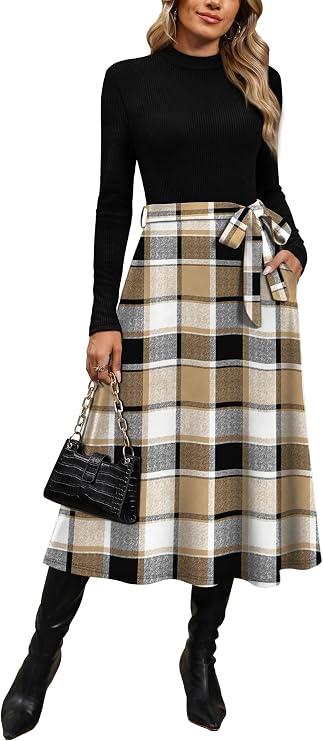
A nice top or turtleneck adds warmth and keeps the outfit looking refined. Choose a simple style that layers easily under your coat.Add a statement earring or a silk scarf and you’ve upgraded the whole look without packing anything extra.

For nicer dinners in Paris or Lyon, lean slightly more polished — a blazer over a knit top, or a wool dress with heeled boots, works well without needing separate “fancy clothes.”

Local tip: bring one slightly dressier outfit you can rewear twice — swap the scarf or shoes and nobody will notice it’s a repeat.
What to Wear for Churches and Chateaux
France has an enormous number of churches, cathedrals, and historic chateaux worth visiting, and most of them have unspoken (sometimes very spoken) dress expectations.

Shoulders covered, nothing too short, and — this one catches people out — churches in December are cold inside, often colder than the street. A coat you can keep on comfortably is genuinely useful here, not just for modesty but for warmth; stone interiors hold the chill all winter.
If you’re visiting somewhere like Chartres or Reims, a longer coat doubles as your “dress code coverage” without needing to change outfits specifically for the visit.
Local tip: carry a light scarf even if you’re already wearing one — some smaller chapels expect a head covering, and it’s an easy fix to have a spare.
Bags: Crossbody vs Backpack
For daily sightseeing, a crossbody bag wins for security and convenience — it sits close to your body, it’s harder to pickpocket, and it doesn’t need to come off every time you sit down at a café, unlike a backpack.
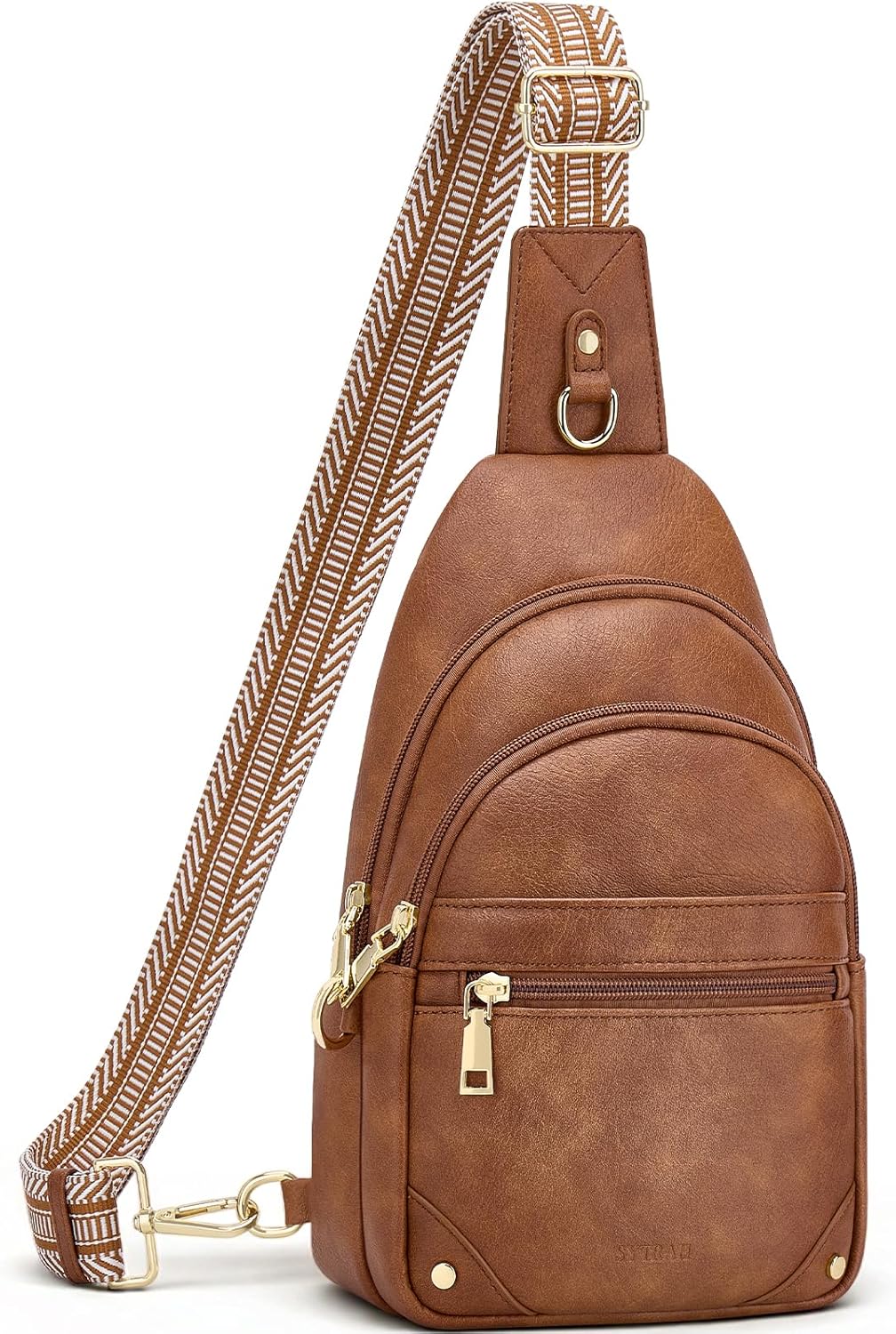
That said, if you’re doing a lot of day trips with cameras, water bottles, and extra layers, a smaller structured backpack (not a hiking pack) can carry more without looking sloppy. The key word is structured — a slouchy canvas backpack reads differently than a sleek, minimal one.

Local tip: a crossbody with a zip (not just a flap) is worth the extra ten euros — French cities are generally safe, but pickpocketing around major tourist sites is a real, well-documented thing.
Accessories That Make Basics Look Expensive
This is the cheat code nobody tells you about: French style often isn’t about the clothes themselves, it’s about two or three well-chosen accessories doing all the work.
A good scarf — wool or cashmere-blend, oversized enough to wrap twice — instantly upgrades any coat-and-jumper combo, and it’s functional warmth, not just decoration.

A leather belt adds shape to trousers, dresses, or even a coat without taking up much space in your suitcase.

A structured bag makes simple outfits look more polished while still being practical enough for everyday sightseeing and dinners.
Gloves and a beanie or beret matter more than people plan for — bare hands in a French December wind get uncomfortable fast, and a decent hat saves you from that specific kind of cold-ear misery.

Simple gold or silver jewellery is an easy finishing touch. Stick to one metal tone at a time for a cleaner, more coordinated look.
Local tip: one great scarf can save an entire outfit from looking like “tourist in a hurry” — it’s genuinely the highest-value item in your suitcase.
Rain (and Wind) Prep Nobody Warns You About
December in France is more rain than snow in most regions, and it’s the kind of persistent drizzle that soaks through anything that isn’t actually water-resistant.
A packable umbrella is non-negotiable, but so is a coat with at least some water resistance — a wool coat alone will get heavy and damp fast in sustained rain.
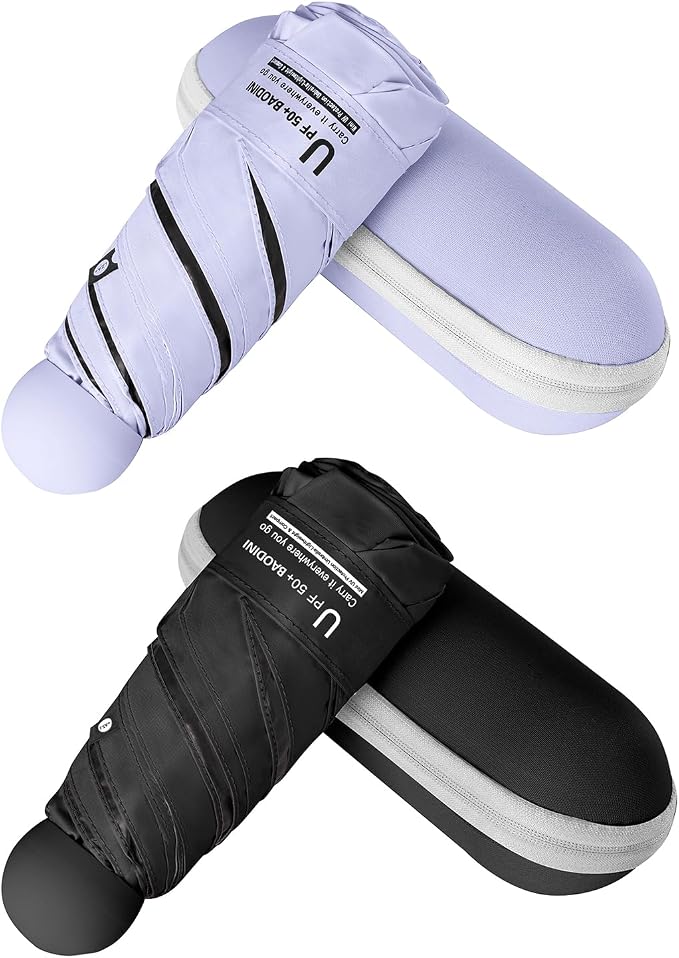
Waterproof (not just water-resistant) boots matter more here than almost anywhere else on this list, because wet feet ruin a day faster than a wet coat does.

Local tip: check the wind, not just the rain forecast — an umbrella is useless in the wind tunnels around Haussmann-era boulevards, and a hood will serve you far better on those days.
Fabrics to Pack (and the Ones to Leave at Home)
Wool, cashmere blends, corduroy, and heavier cottons are your friends — they insulate, they layer well, and they don’t crease into oblivion in a suitcase. Merino wool base layers are worth the investment if you travel often; they’re warm without bulk and don’t need washing every single day.
Skip anything linen, thin cotton, or purely synthetic-athletic — they either don’t insulate or trap damp against your skin, which makes the cold feel worse, not better.
Local tip: corduroy trousers are quietly one of the best December France packing choices — warm, stylish, and forgiving if you spill wine at dinner (it happens).
A Capsule Wardrobe for a Week in France
For a 6–7 day December trip, this is roughly what earns suitcase space: one long wool coat, one packable puffer or fleece mid-layer, two pairs of trousers (one casual, one smarter), one pair of jeans, one knit midi dress, three jumpers or turtlenecks, thermal leggings, one pair of ankle boots, one pair of waterproof boots if you’re doing countryside or Alpine stops, and a rotating set of accessories — scarf, beanie, gloves, one statement piece of jewellery.
Everything is built to mix — the same boots work with the dress and the trousers, the same coat covers every single day, and the accessories are doing the “new outfit” illusion so you’re not packing eight full looks for a week-long trip.
If you want a template that translates well to nearby destinations too, this is close to the same logic I used for what to wear in Italy in November — the base layering system barely changes, only the coat weight does.
Practical Packing: How Much Is Actually Enough
For most trips, five to six tops, two to three bottoms, one dress, and two coats (a main one and a packable backup) is plenty — you’re mixing and rewearing, not packing a new outfit per day. Overpacking in December specifically backfires because bulky knitwear eats suitcase space fast; roll thinner pieces, fold bulky sweaters flat, and wear your heaviest items (coat, boots) while travelling instead of packing them.
The biggest mistake I see, and made myself once, is packing for the destination on the map rather than the actual forecast — checking real temperatures for your specific dates saves you from either freezing or lugging home clothes you never touched. Plan three or four core outfit combinations before you pack, rather than packing pieces randomly and hoping they’ll work together once you’re there.
Before You Go
France in December isn’t a season to survive — once you’ve got the layering right, it’s honestly one of the most beautiful times to be there. Fewer crowds, softer light, mulled wine on every corner, and cities that look like they were built for exactly this kind of cold. Pack smart, wear the coat you actually love, and let the rest take care of itself — you’re going to have a very good time.

