
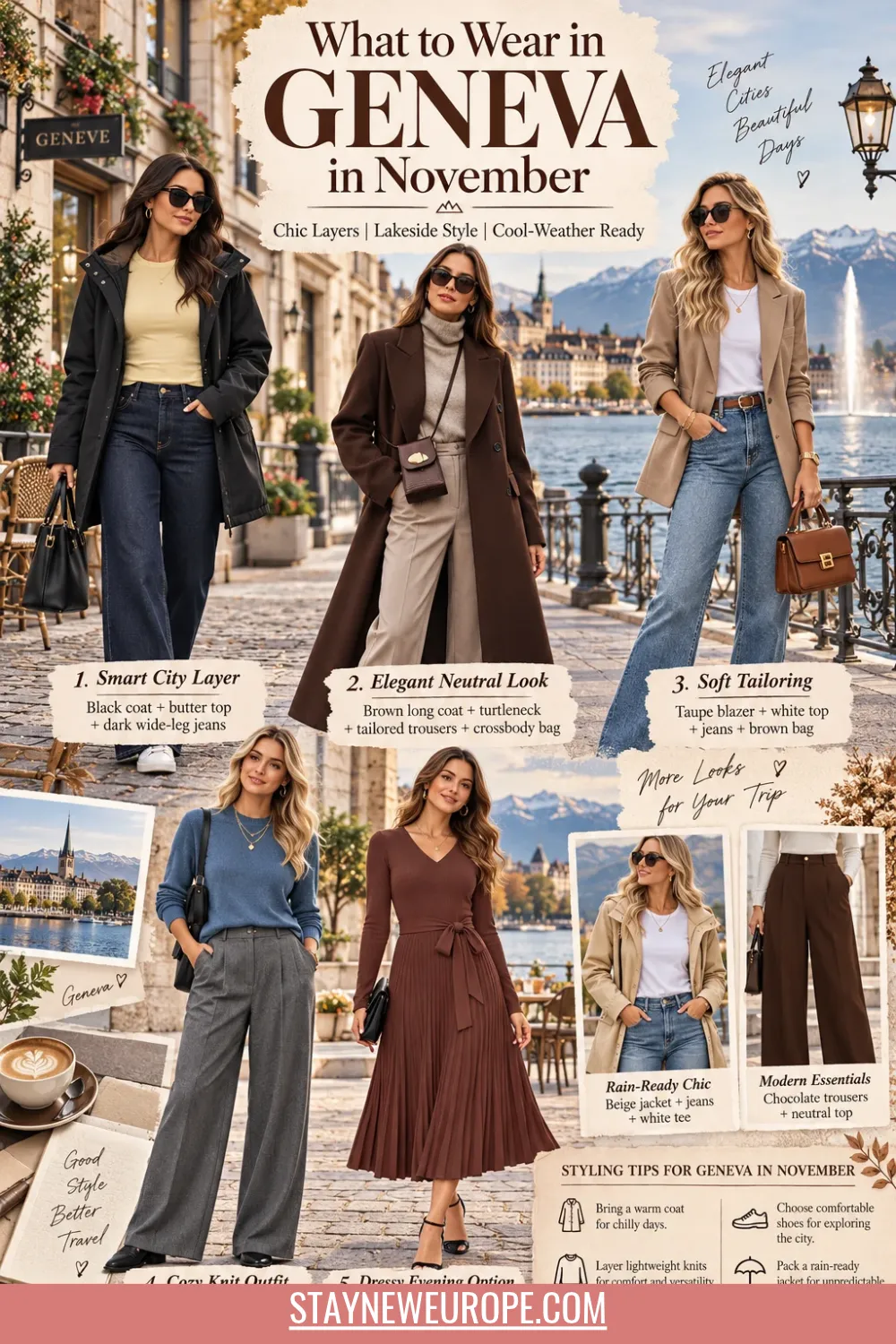
Geneva in November is a mood. The lake turns pewter, the Jet d’Eau still shoots up like nothing’s wrong, and a thin fog sits over the Old Town like it’s paid rent. Mornings are crisp, afternoons are grey, and by 5pm it’s properly dark.
Then there’s the bise, that icy wind that whips off the lake and finds every gap in your outfit. I did not respect it on my first trip. I do now.
Most visitors make the same two mistakes: they pack for “Europe in autumn” (a cute trench and a thin scarf), or they pack like they’re summiting the Matterhorn. Geneva sits in the middle. Here’s what actually works.
Before We Dive In
Weather: Expect roughly 3–9°C (37–48°F). Rain and drizzle are common, skies are often overcast, and the odd morning frost or flurry isn’t unusual. Humidity is moderate, but the lakeside wind makes it feel colder than the number on your phone.
Walking conditions: Geneva is wonderfully walkable, and the trams are excellent. The Old Town has cobbles and steep little lanes, and wet leaves on stone are slippery. Think sensible soles.
Style culture: Genevans dress sleek and understated. Lots of black, navy, camel and grey, good coats, clean shoes, almost no logos. Nobody expects glamour, but a neat, put-together look gets you quietly better service. Sad gym leggings and a rain poncho will mark you as a tourist from across the street.
Heading elsewhere in Europe? Browse our other monthly guides at Stay New Europe, for example INSERT RELATED CITY/MONTH GUIDE.
Start With the Right Bag (Carry-On Wins)
Geneva is compact, and you’ll be hopping on and off trams, so a bag that rolls easily and fits overhead is a gift. I’d pick a soft-sided carry-on, around 40L, instead of a rigid suitcase that fights cobblestones.

A structured weekender duffle also works if you’re staying a few nights and want to look polished stepping out of a hotel lobby. Bulky November knits compress better than you’d think in a soft bag.
Local tip: Wear your heaviest coat and boots on the plane. It frees up luggage space and saves you from paying for extra weight.
For INSERT RELATED POST: e.g. a packing-light guide, the same carry-on logic applies.
Layers Matter More Than You Think
Geneva can swing from chilly tram stop to over-heated café to windy lakefront in twenty minutes. One giant sweater won’t save you. A three-part system will.
Start with a thin base layer, such as a merino tee or long-sleeve. Add a mid layer like a fine-knit sweater or a light fleece. Top it with a proper coat. When you walk into a warm museum or restaurant, you peel one layer off instead of sweating through your jumper.

Local tip: Choose layers that look good on their own. The cardigan you pull off in a café should be one you’re happy to be seen in.
The Coat: Your One Big Investment
If you’re only going to spend money on one thing, make it the coat. A wool coat in navy, camel, charcoal or black is the most Genevan thing you can wear, and it handles dry, cold days beautifully.

For wetter days, a longer padded coat or a down jacket with a hood is more practical. If you’re tempted to bring both, don’t. Pick based on the forecast, and think about which will survive being sat on in a tram.

Local tip: Check the length. A coat that covers your hips is dramatically warmer than a short jacket when the bise kicks in.
Jeans, Trousers or Shorts?
Shorts: no. Not even for the plane.
Dark, straight or slim jeans are your best friend. They’re casual enough for walking all day and tidy enough for a nice dinner. Skip anything with rips, since wet knees at 5°C are not a good time.
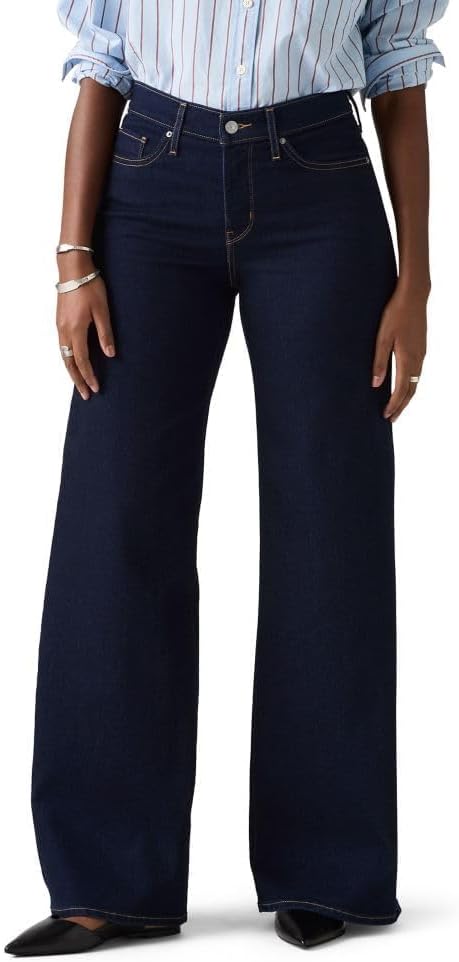
Wool-blend trousers or lined chinos are a step up on colder days, especially paired with a knit and boots. If you run cold, thermal leggings underneath jeans are invisible and life-changing.

Local tip: Avoid thin, light-coloured trousers. Puddle splash plus pale fabric is a combination you’ll regret by lunchtime.
Shoes: Comfortable, Waterproof, Not Ugly
You’ll walk a lot, and your feet will tell you the truth about your packing choices by day two. The sweet spot is a leather or waterproof ankle boot with a grippy sole and a low heel.
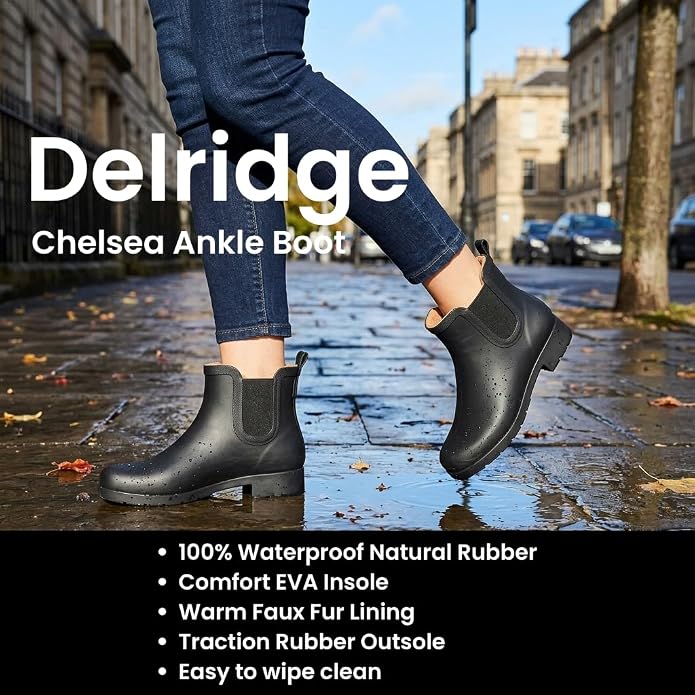
Clean leather sneakers also work in Geneva, and they’re very common on locals. Just make sure they’re water-resistant, because canvas sneakers soak up drizzle like a sponge.

Bring a second pair if you can, since shoes rarely fully dry overnight in damp weather. Add a pair of merino or wool-blend socks, which keep feet warm even when slightly damp.
Local tip: Break your boots in before you travel. Cobbles are unforgiving to fresh leather.
What to Wear for Women: Tops, Skirts, Tights and Dresses
Fine-knit sweaters, turtlenecks, silk-blend blouses and long-sleeve tops are all you need up top. They layer well and look polished with minimal effort.

Skirts and dresses are absolutely doable if you commit to the right accessories. A midi or knee-length knit dress with opaque or fleece-lined tights and ankle boots is practical and elegant. Mini skirts with bare legs, on the other hand, aren’t a November move.

A simple outfit that works for a day of exploring: dark jeans, a turtleneck, a cardigan, wool coat and boots. Swap in a midi skirt and tights for dinner, and you’re done.
Local tip: Pack tights in two weights. A thicker pair for daytime, a sheer-but-warm pair for evenings.
Jackets for Unpredictable Weather
Even with a main coat, a lightweight packable rain jacket earns its space. Geneva’s drizzle often arrives without warning, and a thin waterproof shell can go over a sweater when your wool coat would get soaked.

Choose a colour that blends in: black, navy, olive or grey. Bright yellow raincoats look cute online and very “I’m on holiday” on a Geneva street.
Local tip: A hooded shell is better than relying on an umbrella. Lakeside wind turns umbrellas inside out within seconds.
Evening Outfits That Don’t Scream Tourist
Geneva evenings are less dressy than Paris, but people still make an effort. Dinner in the Old Town or a cosy fondue spot calls for something polished-casual: dark jeans or tailored trousers, a good knit or blouse, and boots.

If you’re going somewhere fancier, such as a hotel restaurant, add one elevated piece. That could be a blazer, a silk scarf or a nicer pair of shoes. You don’t need a cocktail dress.

Local tip: Fondue means hot rooms and big meals. Wear layers you can open up, and nothing too tight around the waist.
What to Wear in Churches (Dress Code)
Geneva’s St. Pierre Cathedral and other churches are not strict, but modest dress is respectful. Shoulders and knees covered is a safe rule, and November makes that easy anyway.
Keep a scarf or shawl in your bag in case you need extra coverage. Remove hats when you step inside.
Local tip: Cathedrals are often chillier inside than outside. Keep your coat on and thank your merino base layer.
Bags: Crossbody vs Backpack
I’m Team Crossbody for city days. Geneva is safe, but a zipped crossbody keeps your hands free for gloves, phone and tram tickets, and it sits neatly under a coat.

A small backpack is fine for longer day trips, such as a ride up to the Salève or a lake cruise, but a big hiking pack looks out of place on city streets.

Local tip: Choose a bag that’s water-resistant or leather, and keep your phone somewhere easy to reach. You’ll be checking tram times in the rain more than you expect.
Accessories That Do the Heavy Lifting
This is where Geneva style lives. A wool or cashmere-blend scarf, a beanie or wool hat, and warm gloves transform a simple outfit and also keep you comfortable against the wind.
Choose neutral colours so everything mixes: grey, camel, black, deep green or burgundy. A scarf that’s big enough to double as a shawl is the best travel item you can own. Touchscreen-friendly gloves are a small luxury that saves you from freezing hands every time you use your phone.

Local tip: Pack two pairs of gloves, one thin, one thick. You’ll swap them more than you’d expect.
What to Pack for Geneva (Non-Clothing)
A compact umbrella (sturdy, not flimsy), moisturiser and lip balm for dry indoor heating, and a reusable water bottle, since Geneva’s tap water is excellent and drinkable. Pack a power bank because cold weather drains phone batteries quickly.
Don’t forget a Swiss-compatible plug adapter (Type J). Some UK or US plugs won’t fit, and I’ve watched people discover that at midnight.
Local tip: Most hotels give you a free public transport card for your stay, so you can skip cabs and wear stylish shoes without suffering through long walks.
Fabrics to Choose (and Avoid)
Wool, merino, cashmere blends, fleece and down are the heroes here. Waterproof or water-resistant outerwear is a must.
Avoid pure cotton as a base layer, since it stays damp and cold when wet. Thin synthetic fabrics that don’t breathe will trap sweat in hot cafés and trams. Pure linen belongs in July.
Local tip: If you can’t tell what a fabric is, check the label. The more wool, the warmer you’ll be.
What NOT to Wear
Skip flip-flops, obvious gym wear for sightseeing, tiny shorts, and anything bright with giant logos. Don’t bring heels for cobbles, or white sneakers you’re precious about.
The biggest mistake, though, is dressing for how it looks on Instagram instead of how it feels at 4°C by the lake. Warm comes first, and stylish is easy to add afterwards.
A Mini Capsule Wardrobe for Geneva
Keep it simple: two pairs of dark jeans, one pair of wool trousers, four to five tops (a mix of tees and fine knits), two sweaters, a cardigan or blazer, a dress or skirt with tights, a wool coat, a packable rain shell, ankle boots plus a second pair of shoes, a scarf, a hat and gloves.
Pick a palette of black, navy, grey and camel with one accent colour. Everything will match, and you’ll look intentional in every photo.
How Many Outfits Should You Bring?
For a 4–5 day trip, aim for five tops, three bottoms, and two layering pieces, plus one outfit that’s a bit dressier. Wear each bottom at least twice, because nobody in Geneva will notice, and wool is naturally odour-resistant.
Packing light versus overpacking: Heavy knits take up space, so choose fewer, better pieces. Roll sweaters, put socks in shoes and wear your bulkiest items on the plane.
Outfit planning tips: Plan outfits around the coat and boots first, then fill in. Lay everything out on your bed and remove one third before you zip up.
Mistakes to avoid: Overpacking shoes, forgetting gloves, and trusting a forecast that says “partly cloudy.” In Geneva, that can still mean drizzle by 3pm.
FAQs About Geneva in November
Is it very cold in Geneva in November? It’s chilly rather than freezing, mostly between 3 and 9°C. The lakeside wind makes it feel colder, so layers and a proper coat are important.
Will it snow? Occasionally a light flurry appears, but heavy snow in the city is uncommon. Mountains nearby are a different story.
Do I need an umbrella? Bring a small, sturdy one or, better, a hooded waterproof jacket. Both if you have room.
Can I wear sneakers? Yes, clean, water-resistant leather sneakers are common. Choose ones with decent grip.
What colours should I pack? Neutrals: black, navy, grey, camel, olive. Add a scarf in a richer colour for personality.
Do I need to dress up for dinner? Smart-casual is plenty. Dark jeans, a good sweater and boots are right for most restaurants.
One Last Thing Before You Zip Up
Geneva in November isn’t postcard-sunny, and honestly, that’s part of the charm. Think steaming cups of hot chocolate by the lake, long walks through quiet streets, and golden café windows glowing against the early dusk.
Pack the coat, trust the boots, wrap the scarf one more time, and step outside. You’ll be warm, you’ll look the part, and you’ll have the most atmospheric city stroll of your year.

