

Picture this: it’s 4:15 p.m., the sun has already clocked out, and you’re standing in a Christmas market square with a mug of Glühwein in one hand and no feeling left in your toes. Cobblestones glitter with frost, wooden stalls glow orange, and somewhere a brass band is playing a carol slightly out of tune. It is magical. It is also properly cold.
Germany in December is one of my favourite trips in Europe, and also the one where I see people make the same packing mistakes again and again: fashion boots with zero grip, one giant puffer instead of smart layers, and cotton everything. Let me save you from all of it.
Here’s what actually works, what I wish I’d left at home, and how to look put-together while dressed like someone who takes winter seriously.
Before We Dive In
A few quick facts so the rest makes sense:
Weather: Expect roughly -3°C to 5°C (27–41°F) across most of the country. Munich and the Bavarian Alps run colder, Berlin is damp and windy, and the Rhine cities like Cologne are the mildest. Snow is possible but never guaranteed, whereas grey, drizzly cold is basically a promise. Daylight is short: the sun rises around 8 a.m. and sets around 4 p.m.
Walking conditions: Cobblestones, icy patches, long station platforms and lots of outdoor standing at markets. You’ll walk more than you think, and you’ll be standing still in the cold, which is a different kind of tough.
Style culture: Germans dress practically, and they do it well. Think dark neutrals, good coats, sturdy boots, quality knitwear. Nobody blinks at technical outerwear. Nobody respects a soaked suede sneaker either.
Indoors: Trains, museums, cafés and restaurants are heated to near-tropical levels. Layers are not optional, they’re survival.
Heading elsewhere in the country or across Europe? Check out our other monthly guides: [INSERT SITEMAP LINK – Europe in December guide], [INSERT SITEMAP LINK – another city guide].
Start With the Layering System
Here’s the thing: a single heavy coat is not a winter strategy. I learned this standing in a sweltering Berlin U-Bahn wearing a parka that suddenly felt like a sleeping bag.
Think of three layers. A thin base layer (merino or a good thermal), a warm middle layer (fine-knit sweater or fleece), and a proper outer shell. Outside, you peel nothing and stay warm. Inside, you remove one layer and stop sweating. Simple, dull, and it works every single time.

Day to day, I’d wear a thermal top, a wool sweater and a coat. For long outdoor days at a market, I add a fleece vest in between. Dinner is a thin knit and a scarf.
Local tip: Stash your scarf in your bag the second you step into a restaurant. Coat racks fill up fast and a scarf on the floor is a sad scarf.
The Coat: Where Your Money Should Go
If you only splurge on one thing, make it the coat. Long, wind-resistant, hip or thigh-length at minimum, with a hood if you can swing it. Down is wonderful, but a well-made wool coat over a puffer vest looks sharper and travels just as warm.

I once tried a “stylish” short jacket in Nuremberg in the middle of December. Stylish for about nine minutes. A coat that covers your backside is the difference between enjoying a market and counting the minutes until your hotel.
Go for black, navy, camel, olive or charcoal. You’ll blend with the locals and every outfit underneath will match.
Local tip: Check the pockets. Deep, zipped ones are gold for gloves, your phone and the cash you’ll need at market stalls.
Base Layers (The Unsexy Hero)
I’m going to be blunt: thermal underlayers are the most underrated item in this entire guide. A thin merino long-sleeve top and leggings under your jeans changed how I travel in winter.

Cotton holds moisture, then makes you colder. Merino wool or a good synthetic blend wicks sweat and stays comfortable even if you wear it twice. Go for a slim cut that disappears under your clothes.
On a typical day, I wear the thermal under a sweater and under straight trousers, and no one’s the wiser. On a freezing Christmas market evening, it’s the reason I stay out until closing.
Local tip: Pack two tops and rinse one at night. Merino dries fast and barely smells, even after a day of travel.
Sweaters and Knits That Do the Heavy Lifting
German winter is made for knitwear. A chunky wool or cashmere-blend sweater looks great and works hard. Cable knits, turtlenecks, and polo-neck styles are my go-tos.

Pick two or three in neutral tones and rotate them. A cream one brightens grey Berlin days, a dark one hides the inevitable mustard drip from a Bratwurst. Choose wool blends over acrylic because they breathe better in those overheated trains.
Local tip: Avoid very itchy wool next to your skin. A thin thermal underneath fixes it and doubles your warmth.
Trousers, Jeans and Why Skirts Need a Plan
Dark, straight or relaxed-fit jeans are the easiest answer. Wool trousers or lined chinos are even better when it’s properly freezing. Skip skinny jeans if you’re layering thermals underneath, because they get uncomfortably tight and let the wind in.

Skirts can work if you commit: thick tights (fleece-lined if you run cold), knee-high boots and a long coat. A thin tight with a short skirt in Hamburg wind is a bad idea, trust me.

Shorts? Please. No. Even at the sauna you’re not wearing them.
Local tip: Water-repellent trousers are a real luxury on slushy days. A little rain-proofing spray on your jeans’ hems also helps against wet cuffs.
Boots: The Make-or-Break Decision
This is where I’ll sound bossy. Your shoes decide how your whole trip feels. Cobblestones are uneven, pavements ice over, and wet leather gets cold quickly.
Look for waterproof boots with a rubber, grippy sole and room for thick socks. Chelsea boots, hiking-style boots or sturdy leather ankle boots all look at home in Germany. Fashion boots with a flat, smooth sole look lovely and slide like hockey pucks.

My favourite combo is waterproof leather boots with merino socks, which carries me from morning sightseeing to dinner without a change. Break them in before you fly. Blisters and snow are an awful pairing.
Local tip: Add ice-grip traction cleats if you’re heading to the Black Forest or the Alps. They slip over any shoe and cost very little.
Socks, Gloves, Hat and Scarf (Do Not Skip)
Accessories sound minor until it’s -2°C and the wind finds your neck. Merino socks, thin-but-warm gloves with touchscreen fingertips, a wool beanie and a big scarf make up the warmth squad.

Cold toes ruin Christmas markets faster than anything. I pack three pairs of wool socks and swap them mid-day if they’ve gotten damp. A snug hat that covers your ears beats a cute one that doesn’t.
Keep colours neutral or go bold with one statement piece, like a mustard scarf, a deep-red beanie, or a chunky cream knit. Accessories are where simple outfits get personality.
Local tip: Bring a spare pair of gloves. Dropping one on a market stall floor happens more than you’d think.
What to Wear to the Christmas Markets
Dress for standing, not walking. That’s the lesson. You’ll be outside for hours, with the cold seeping up through the ground. Thermals, wool socks, boots with proper soles, a long coat, and a hat. That’s the uniform.

A cross-body bag keeps your hands free for mugs and bratwurst. Put your cash in an inside pocket because many stalls only take coins and notes. Wear dark colours, since mulled wine is sticky and unforgiving.

My perfect market outfit is straight jeans over thermal leggings, a chunky knit, a down vest under a wool coat, waterproof boots, and a scarf wrapped twice. It’s not high fashion, but it looks genuinely good in those fairy-light photos.
Local tip: You’ll pay a deposit (Pfand) on your mug. Keep it as a souvenir or return it for your money back. Either way, bring a small pocket for loose change.
What to Wear for Evenings, Dinners and the Opera
Germans don’t overdress for dinner, but they do look neat. For a restaurant, I wear dark jeans or tailored trousers, a nice knit or silk-blend blouse, ankle boots, and a statement scarf or simple jewellery. Done.

For the opera, theatre or a fancy concert (the Semperoper in Dresden, for example), dress up a notch. A simple dark dress with opaque tights, or a blazer with elegant trousers, plus polished boots. You don’t need a gown, only intent.

Local tip: Most venues have a cloakroom (Garderobe), usually for a small fee. Use it, then you can dress in a slimmer outfit underneath without roasting.
What to Wear to Churches and Cathedrals
Dress codes in Germany’s cathedrals are relaxed, but respect still matters. Cologne Cathedral, Aachen Cathedral and Frauenkirche in Dresden are active places of worship. Covered shoulders and knees are the safe default, and in winter you’ll be covered anyway.
Remove your hat inside and keep your voice low. If your outer layer is wet and snowy, shake it off before stepping in, since stone floors get slippery.
Local tip: Cathedral interiors are cold and often colder than the street. Keep your coat on and your thermals in.
Spas, Saunas and the Nude Thing
Let’s address it. German thermal baths and saunas are often textile-free, meaning no swimsuits, in sauna areas. It surprised me the first time and I’ve loved it ever since. Rules differ between baths, so check the signs and house rules at the entrance.
Bring flip-flops, a large towel, and a robe if you’re wanting extra comfort. Most spas rent or sell these.
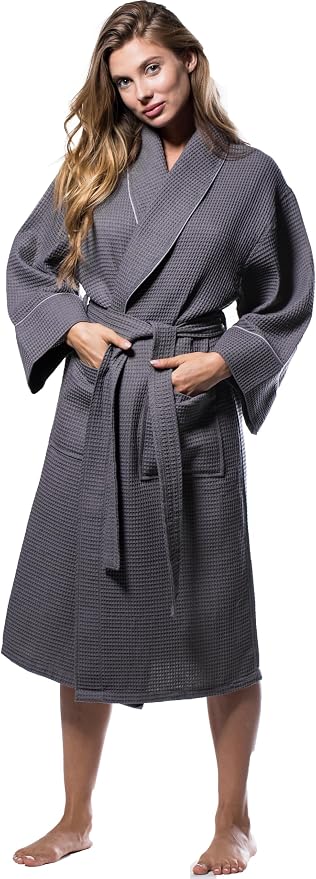
Local tip: Research the spa’s policy before you go. Some have swimsuit days or mixed and women-only sessions.
Bags: What Actually Works
A cross-body bag is my winter MVP. It sits under your coat, keeps your hands free and is safer in busy markets and train stations. A small zipped one is ideal.

For luggage, I recommend a carry-on-size suitcase with wheels that can handle cobblestones, or a sturdy duffel if you’re hopping between towns by train. Bulky winter clothes fill space quickly, so pack cubes or compression bags are a quiet miracle.

A compact backpack is fine for day trips, but in crowded markets, wear it on your front.
Local tip: German trains have racks, but they can be busy in December. A manageable bag you can lift yourself saves stress.
Rain, Slush and Surprise Weather
December in Germany is often more wet than snowy. A waterproof shell coat, or a coat with a waterproof finish, matters more than a fancy umbrella that will flip inside out in the wind.

Pack a small, sturdy travel umbrella anyway, plus waterproof boots. A packable rain shell can go over a sweater on mild days and over a puffer on wild ones.
Local tip: Locals rarely bother with umbrellas in strong wind. A hood and a good coat are the real German answer.
Fabrics to Choose (and Avoid)
Choose: merino wool, cashmere blends, fleece, down or synthetic insulation, waterproof outer layers, and leather boots with a good treatment.
Avoid: cotton next to the skin, thin polyester that doesn’t breathe, canvas sneakers, and delicate suede unless it’s been waterproofed. Cotton jeans work with thermals but are miserable when soaked.
Local tip: A quick waterproofing spray on your boots before you fly saves you daily scrubbing.
What Not to Wear (Tourist Mistakes I’ve Seen)
Thin fashion jackets, white sneakers, high heels on cobblestones, flimsy tights, bare ankles, a single bulky coat and nothing underneath, and cotton hoodies as outerwear. Everyone dreams of looking cute in the market photos, and then the cold wins.
Also, don’t pack a full outfit for each day. Which leads me to…
How Many Outfits to Pack (Practical Packing)
For a 7-day trip, I’d bring: 2 pairs of trousers or jeans, 3 sweaters, 2 thermal tops, 1 thermal leggings, 1 nicer top or dress for dinner, 5 pairs of socks, 1 pair of boots, 1 coat, and accessories. Wear the heaviest items on the plane.
Pack light but not thin. Choose items that mix and match so every top works with every bottom. Roll your knitwear, use packing cubes and leave space for Christmas market souvenirs (they add up).
Mistakes to avoid: Bringing three pairs of shoes (you’ll wear one), skipping thermals, forgetting a charger and power adaptor (Germany uses Type F), and packing tight so you can’t buy gifts.
Local tip: Most hotels and apartments have laundry nearby, and a quick wash on day four means you can pack even lighter.
Non-Clothing Essentials for a German December
Don’t forget lip balm and a good hand cream because indoor heating and cold wind dry everything out. Pack a small power bank since cold weather drains phone batteries fast. Add a reusable water bottle, a few euros in coins and a compact day bag.
Pocket hand warmers cost almost nothing and feel like a hug. Throw a few into your coat.
Local tip: Many Christmas market stalls are cash only, so withdraw some euros on arrival.
FAQs: Germany December Packing
Do I need a really heavy winter coat? Yes, a long, warm coat is worth it, but layering underneath matters more than one huge puffer.
Is it very snowy in December? Not always. Munich and the south have better chances. Northern and Rhine cities are wetter than snowy.
Can I wear sneakers? Only waterproof ones with good grip. Otherwise, go for boots.
Do I need to dress up? Smart-casual works nearly everywhere. Dress up a little for opera and fine dining.
What colours blend in? Black, navy, grey, camel, olive and deep burgundy.
Go and Enjoy the Magic
Here’s what I hope you take from all this: you don’t need a fashion-model suitcase to look great in Germany in December. You need warm layers, good boots, a coat you love, and one scarf you can wrap like a blanket.
Then step out into that frosty square, hands wrapped around a steaming mug, lights twinkling overhead. You’ll be warm, you’ll look good, and you’ll be too busy loving it to think about the cold. Pack smart, go early, stay out late, and say Prost for me.

