
Iceland in July sounds like summer. And in some ways, it is — the sun barely sets, wildflowers dot the lava fields, puffins waddle around cliff edges like they own the place, and the whole country feels impossibly alive. But here’s the thing nobody tells you until you’re standing on a glacier in a cotton T-shirt, teeth chattering: July in Iceland is not Mediterranean summer. It’s moody, unpredictable, occasionally glorious, and it will change its mind four times before lunch.
I’ve seen tourists step off a plane in Reykjavík in linen shorts and sandals, convinced that “July” means warmth. It doesn’t. Not reliably, anyway. The temperature can swing from a pleasant 15°C in the capital to a wind-battered, rain-soaked 6°C on the Snæfellsnes Peninsula within the same afternoon. Packing wrong isn’t just uncomfortable — it genuinely ruins days.
So let me save you from learning this the hard way. Here’s everything you actually need to wear in Iceland in July, from the streets of Reykjavík to the rim of a volcano.
Before We Dive In: Understanding Iceland’s July Weather
July is Iceland’s warmest month, which sounds promising until you realise “warmest” means average highs around 11–13°C (52–55°F) in Reykjavík, with wind and rain making regular appearances. Inland and in the Highlands, temperatures can drop considerably lower — especially at altitude or near glaciers.
Wind is the real wildcard. Iceland sits at the intersection of the Gulf Stream and Arctic air masses, which means breezes regularly hit 30–50 km/h without warning. A calm sunny morning can become horizontal rain by noon. The Westfjords are particularly notorious for this — I once had a perfectly clear sky turn into a sleet storm in under twenty minutes up there.
Humidity isn’t oppressive like it is in Southern Europe, but the combination of cold air and damp wind creates a chill that cuts through anything that isn’t windproof. Understanding this is the key to packing properly. This isn’t about looking cute for café terraces — it’s about layering smartly so you can actually enjoy the country.
1. The Base Layer: Your Most Underrated Travel Companion
Nobody talks about base layers in travel packing guides, and that’s a mistake. In Iceland, a good moisture-wicking base layer is the foundation of every comfortable day.
The logic is simple: Iceland’s activity list — hiking, waterfall chasing, glacier walks, geothermal pool hopping — means you’re going to sweat. And sweaty cotton clings to your body and makes you cold very fast when the wind picks up. Merino wool base layers solve this elegantly. They wick sweat, dry quickly, resist odour (you can genuinely wear them three days in a row without embarrassment), and provide warmth even when damp.
I travel with two merino wool long-sleeve tops as my base layers. One to wear, one drying. That’s it. They pack down to almost nothing and earn their weight in gold on every cold-weather trip I take. Synthetic options like Patagonia Capilene work too, and they tend to be cheaper.
For tops: aim for a fitted long-sleeve merino in neutral tones — black, grey, navy. These work under everything and don’t scream “outdoor tourist.”
For bottoms: merino or synthetic thermal leggings are your secret weapon, especially for glacier walks and Highland trips. They layer seamlessly under jeans or hiking trousers.
Local tip: Don’t pack cotton base layers. You’ll regret it every single time it rains, which in Iceland is often.
2. Mid-Layers: Fleece Is Your Best Friend (Seriously)
Here’s where I see most people get it wrong. They bring a big heavy puffer jacket and nothing in between. One sweltering moment inside a geothermal café later, and they’re stripping everything off with nowhere to put it.
The mid-layer is the layer that does most of the actual insulating work.
A good fleece — something like a Patagonia Synchilla or an Arc’teryx Kyanite — gives you warmth that you can control. Put it on when you step outside, pull it off in the restaurant, zip it up to your chin when a glacier wind hits.
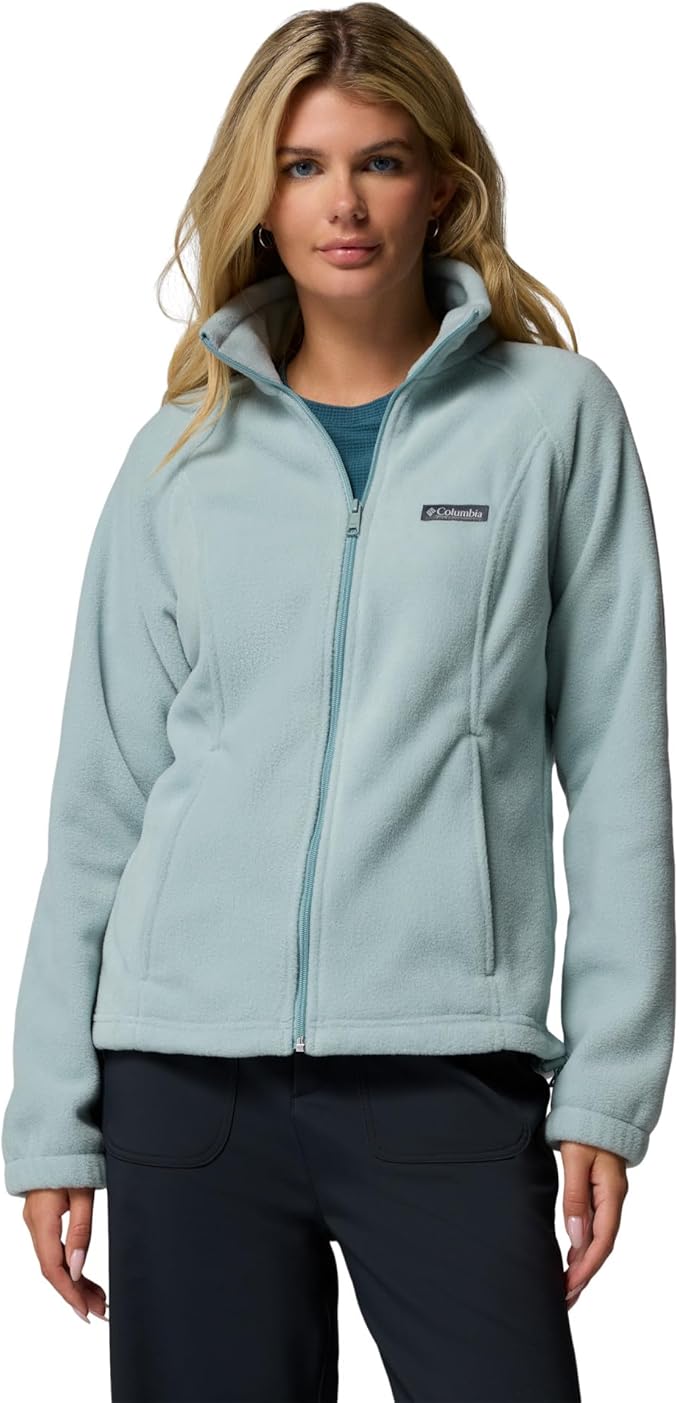
I personally travel with a lightweight fleece and a slightly heavier midweight fleece and just rotate depending on the day. On a warm July morning wandering the rainbow street (Skólavörðustígur) in Reykjavík, the lightweight is enough. On a morning hike up Landmannalaugar, the heavy one comes out.
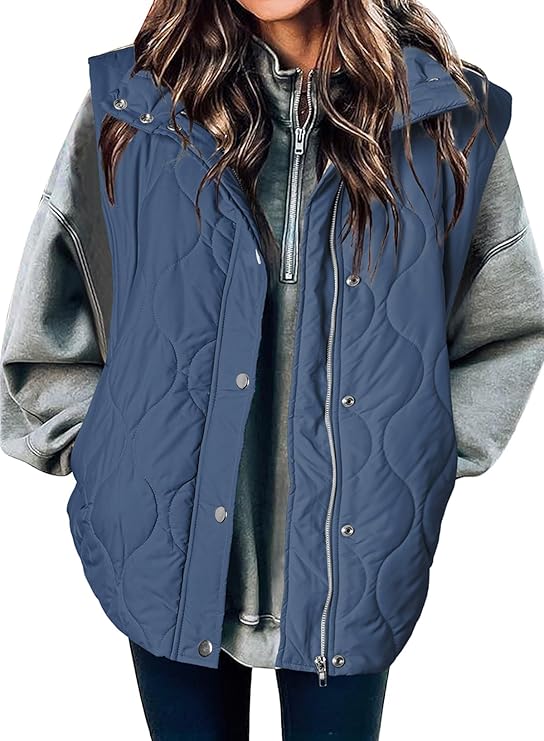
Down-filled gilets (vests) also work brilliantly as a mid-layer here because they add core warmth without restricting arm movement — ideal for photography or scrambling around rocks.
Local tip: Icelandic wool (lopapeysa sweaters) are beautiful and genuinely warm. Picking one up locally isn’t just charming — it’s a legitimately useful travel purchase. The Handknitting Association of Iceland in Reykjavík sells authentic handmade ones.
3. The Outer Shell: The One Non-Negotiable Item
Let me be clear about this one: a waterproof, windproof outer shell jacket is the single most important item you will pack for Iceland in July.
Not waterproof-resistant. Not water-repellent. Properly, fully waterproof. Iceland’s rain is horizontal. It comes sideways. It finds every gap in a poorly sealed jacket within minutes. I own a Gore-Tex shell that I bought specifically for Iceland trips and it has paid for itself many times over.
What you’re looking for: fully seam-sealed, waterproof rating of at least 10,000mm hydrostatic head, windproof, and ideally with a hood that actually covers your whole head (not a decorative little hood that doesn’t zip up properly). Brands like Arc’teryx, Patagonia, Marmot, and The North Face all make excellent options. REI Co-op’s own-brand shells are more affordable and genuinely solid.

For hiking days, a hard-shell is best. For Reykjavík city days where you want to look less like you’re summiting Everest, a waterproof softshell or a more stylish waterproof jacket (RAINS is a Danish brand that does beautifully minimalist waterproof outerwear) works well.
Local tip: Skip the packable fashion rain jackets from high-street shops — they look fine for ten minutes of British drizzle but they’ll fail you on Iceland’s south coast in a squall.
4. Trousers That Actually Work
Jeans are a complicated topic in Iceland.
Let me be honest: I wear them, and they’re fine in Reykjavík on a dry day. But the moment you’re doing anything remotely active — hiking, waterfall scrambling, glacier tours — jeans become a liability. They’re heavy, they take forever to dry, and wet denim is one of the most miserable sensations known to mankind.
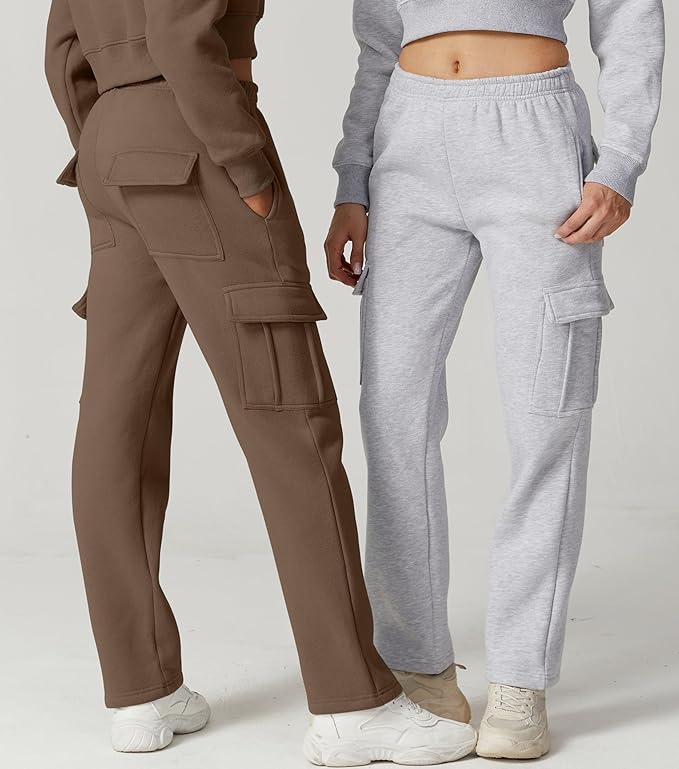
Hiking trousers in a quick-dry stretch fabric are the move for active days. They pack light, dry in an hour, block wind better than you’d expect, and don’t look terrible. Brands like Fjällräven, Columbia, and Craghoppers make stylish enough options that don’t scream “I’m wearing hiking trousers to dinner.” Olive, navy, and charcoal are the most versatile.

For Reykjavík itself — brunching in cafés, browsing Kolaportið flea market, wandering to Hallgrímskirkja — jeans with a merino base layer underneath work perfectly well on a calm July day.
If it’s a particularly warm spell (and Iceland does get lovely warm days in July), a pair of slim chinos or linen-blend trousers keeps things comfortable without overheating.

Local tip: Pack at least one pair of quick-dry hiking trousers even if you think your itinerary is mostly urban. Icelandic road trips have a way of suddenly becoming waterfall scrambles.
5. Footwear: Where Most Tourists Go Catastrophically Wrong
Trainers in Iceland in July. Converse in Iceland in July. Sandals in Iceland in July. I’ve seen all of these, and every single person wearing them was suffering.
The terrain in Iceland is genuinely rough. Lava fields have sharp edges. Glacier walks require crampons over proper boots (these are usually provided by tour operators). Waterfalls involve wet paths. The Fimmvörðuháls trail makes your ankles work. Even just Reykjavík’s streets can be slippery when wet.
For hiking days: waterproof hiking boots are essential. A mid-height boot with ankle support and a Gore-Tex lining is ideal. Salomon, Merrell, and Keen all make reliable options. Break them in before you go — blisters on an Iceland trip are particularly miserable when you’re supposed to be walking 15km on the Laugavegur trail.

For Reykjavík city days: waterproof walking shoes or trail runners (something like Salomon Predict or similar) hit the sweet spot between comfortable and actually useful. Hoka trail shoes are increasingly popular and handle light rain well.

For evenings out: I travel with a pair of clean, comfortable leather or faux-leather boots or loafers that can pass for smart-casual. They double as warm footwear and look decent enough for dinner at Dill or a cocktail at Loft.

Local tip: Whatever shoes you bring, waterproofing spray them before you leave home. It adds an extra layer of protection without the weight or cost of buying fully waterproof shoes for every occasion.
6. Socks (Stay With Me — This Matters More Than You Think)
Wool socks. That’s the entire section. Merino wool hiking socks, specifically.
Damp cotton socks plus cold air plus wet ground equals blisters and cold feet that ruin an entire hiking day. Merino wool stays warm when wet, doesn’t blister, wicks moisture, and doesn’t make your boots smell like something died in them.

Pack at least three or four pairs of good merino hiking socks. Darn Tough, Smartwool, and Icebreaker are the brands worth spending money on. Your feet will thank you, loudly and sincerely.
7. Hats, Gloves, and Scarves: Don’t Roll Your Eyes
I know. It’s July. You feel silly packing gloves. And then you step off the boat at Jökulsárlón glacier lagoon at 8am in a 25 km/h wind and suddenly you’d pay good money for a hat.
Pack a lightweight beanie. Pack a thin pair of gloves. These weigh almost nothing and take up almost no space, and on cold glacier days or breezy Highland mornings they are genuinely necessary.

A buff or lightweight scarf is arguably even more useful — it works as a neck warmer, a face cover in horizontal rain, a light head covering in wind, or just a scarf for slightly chilly evenings in Reykjavík. It’s the most versatile accessory in my cold-weather travel kit.
Local tip: You don’t need serious mountaineering mittens for July unless you’re doing a serious glacier hike. Lightweight fleece gloves or thin wool gloves are enough for most summer Iceland activities.
8. What to Wear for the Midnight Sun
Here’s something that actually surprises people: what you wear at midnight in Iceland in July is almost exactly the same as what you wear at noon. The sun doesn’t set, and the light is extraordinary — golden and long and cinematic — but the temperature doesn’t rise just because the sun is still up.
If you’re doing a midnight sun walk, a Northern Lights hot tub soak (the Blue Lagoon and Sky Lagoon stay open late), or watching the sun dip low over the horizon from a hilltop, you still need your layers. Fleece, outer shell, hat, the works.

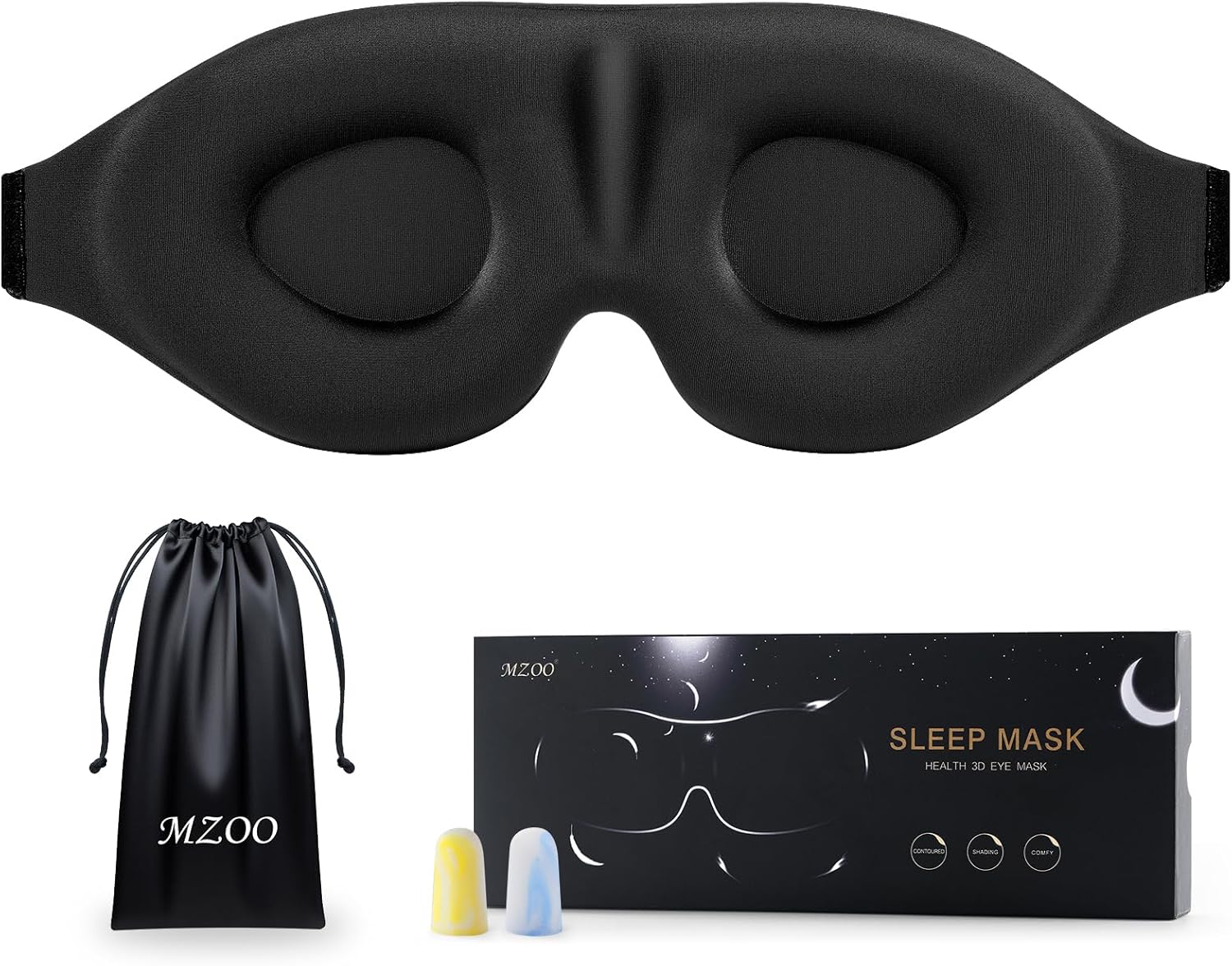
The one addition: a sleep mask. Absolutely non-essential for packing purposes but genuinely useful for sleeping when it’s full daylight at 2am.
For late evening dinners or drinks in Reykjavík, you can relax the outdoor layers. A merino long-sleeve, a nice mid-layer or knitwear, and your decent shoes work for most restaurants and bars. Icelanders dress casually but well — the city has good restaurants and people make an effort without being formal about it.

9. Iceland Packing for Women: Dresses, Skirts, and What Actually Works
Let me be honest: dresses and skirts in Iceland in July are possible but require strategy.
A midi dress over thermal leggings, layered with a chunky merino sweater or fleece and a waterproof outer shell, is actually a great combination for a Reykjavík day — warm, comfortable, and charming. Icelandic women do this beautifully.

The key is the leggings underneath and the waterproof layer on top.
Floaty linen sundresses on their own? Not really. The wind on Iceland’s south coast would launch an unweighted dress into the stratosphere, and the temperature makes bare legs an uncomfortable choice for most of the day.

A light floral midi in a thicker fabric (like a cotton-poplin or ponte material) works better than anything sheer or delicate. Pair with ankle boots, leggings or tights, and a waterproof layer and you’ll look stylish and feel warm.

For active days — hiking, glacier tours, whale watching — functionality wins completely. Hiking trousers, base layer, fleece, shell. Save the cute outfits for Reykjavík evenings.
Local tip: If you want to dress up for a special dinner, bring one or two evening outfits. Restaurants like Matur og Drykkur or Nostra are worth getting slightly dressed up for. A pair of smart trousers, a nice knit top, and ankle boots works perfectly and can handle the walk back through slightly chilly streets.
10. What NOT to Wear in Iceland in July
Some things are worth naming directly because I see them constantly and they’re always a mistake.
Cotton everything. Cotton absorbs moisture and stays wet. In Iceland’s damp, windy climate, a cotton hoodie or cotton T-shirt as an outer layer is genuinely dangerous on hiking days and deeply uncomfortable on any day it rains.
Fashion trainers or canvas shoes. Vans, Converse, canvas sneakers — they get soaked, offer no grip on wet rock or glacier paths, and take days to dry.
Thin fashion rain jackets. Those cute patterned plastic ponchos or ultra-light packable rain jackets that compress to the size of a tennis ball aren’t actually waterproof in sustained Icelandic rain. They’re waterproof for a British drizzle. They are not the same thing.
Overpacking formal clothes. Iceland is casual. The fanciest restaurant in Reykjavík doesn’t require a suit or an evening gown. Smart casual is as formal as you need to get.
White or light-coloured trousers. Iceland’s lava fields, black sand beaches, and muddy Highland trails will destroy them within an hour.
11. Swimwear: Don’t Forget This One
Here’s the delightful paradox of Iceland: you absolutely need swimwear. Not for the ocean (the water temperature is roughly “glacial melt”), but for the geothermal pools that are woven into daily Icelandic life.
The Blue Lagoon is the famous one, but honestly, Reykjavík’s municipal pools — Laugardalslaug, Sundhöll, and others — are where locals actually go, and they’re an unmissable cultural experience. Sky Lagoon near Reykjavík is stunning. The Secret Lagoon in Flúðir is charming and less touristic. Myvatn Nature Baths in the north are wonderful. Natural hot pots on the Reykjanes Peninsula and in the Highlands are magical.

Pack a swimsuit and a compact, fast-drying towel. Many pools rent towels but having your own is more convenient. A zip-lock bag for your wet swimsuit in your daypack is also genuinely useful.
Local tip: Icelanders are serious about their pre-swim shower rules. Showering without a swimsuit before entering the pool is mandatory and politely but firmly enforced. Don’t be that tourist.
12. Bags: The Great Backpack vs. Daypack Debate
Your bag situation in Iceland requires a bit of thought because the activities pull in different directions.
For hiking days: a daypack of 20–30 litres is essential. You’ll be carrying water, snacks, an extra layer, your camera, sunscreen (yes, really — glacier glare is real), and your rain gear. Look for something with a hip belt for weight distribution on longer trails, and ideally with a built-in rain cover or made from water-resistant material.

For Reykjavík city days: a crossbody bag or a small tote is fine and more convenient. Pickpocketing isn’t a major concern in Iceland, but having hands-free movement is always comfortable.

A word on rolling suitcases vs. duffel bags: Iceland’s highland roads and gravel paths mean you’ll be loading bags in and out of cars, into small guesthouses, and occasionally onto boats. A duffel with a shoulder strap handles this more gracefully than a hard-shell wheeled case.

13. Sun Protection: The One Nobody Packs
Sunscreen. In Iceland. In July. Yes, seriously.
With 22+ hours of daylight and significant UV reflection off snow, ice, and glacial lakes, sunburn is a legitimate risk — especially if you’re on a glacier or at altitude.

I’ve had friends get sunburned in Iceland in summer while being very cold at the same time, which is a uniquely unpleasant combination.

- Bring SPF 30+ sunscreen.
- UV-blocking sunglasses (polarised lenses are especially good for glacier and water glare).
- and lip balm with SPF.
- A sun hat is a nice addition for warm Reykjavík days — it doubles as wind protection.

Local tip: Glacier walks often happen in full sun at altitude with snow reflection in every direction. Apply sunscreen before you start and reapply halfway through. You’ll thank yourself later.
14. Fabrics to Choose (And Firmly Avoid)
The fabric question is actually the most important one to understand because it underpins every other decision.
Choose: Merino wool (warm, moisture-wicking, odour-resistant, packable), synthetic fabrics like polyester fleece and nylon (durable, quick-drying, water-resistant), Gore-Tex and similar waterproof membranes (for outer shells), down and synthetic insulation (for mid-layers in a packable jacket format), wool blends for knitwear.
Avoid: 100% cotton (absorbs and holds moisture), linen (beautiful but not warm enough solo for Iceland’s temperatures), silk (impractical for any active day), cheap polyester that doesn’t breathe (you’ll sweat uncomfortably inside it).
The merino wool principle is worth repeating: it’s the single most useful travel fabric for variable-climate destinations. It’s expensive, but a good merino top will outlast a dozen cheaper alternatives and make every cold-weather trip noticeably more comfortable.
15. A Capsule Wardrobe for Iceland in July
Here’s what I’d actually pack for a 7–10 day Iceland trip in July, based on real trips and real lessons learned:
Tops: 2 merino wool long-sleeve base layers, 1 lightweight merino T-shirt for warmer days, 1 merino or cotton button-down for evenings.
Mid-layers: 1 lightweight fleece, 1 merino knit sweater (or locally bought lopapeysa), 1 down-fill gilet (optional but useful).
Outer layer: 1 fully waterproof shell jacket — non-negotiable.
Bottoms: 1–2 pairs quick-dry hiking trousers, 1–2 pairs jeans or casual trousers, 1 pair thermal leggings (doubles as base layer and sleep layer).
Footwear: 1 pair waterproof hiking boots, 1 pair waterproof walking shoes or trail runners, 1 pair smart-casual shoes for evenings.
Accessories: Merino beanie, lightweight gloves, buff/neck warmer, UV sunglasses, 4+ pairs merino wool socks, compact swimsuit, fast-drying travel towel.
Extras: Waterproof daypack, sunscreen SPF 30+, lip balm with SPF.
This covers every situation — hiking, glacier tours, city days, evening dining, geothermal pools — without overpacking. The whole lot fits in a 40-litre carry-on.
Practical Packing Tips and Mistakes to Avoid
Pack fewer clothes, more layers. The layering system means five items can create many different combinations for different temperatures and activities. You don’t need a different outfit for every day — you need the right components.
Don’t check a bag if you can avoid it. Icelandic domestic flights, small charter planes to the Westfjords or Akureyri, and the general freedom of carry-on travel make a well-packed 40L bag a much better choice than a massive wheeled case. Roll your clothes, use packing cubes, compress your fleece.
Leave some packing space. The temptation to buy knitwear, lava salt, liquorice chocolate, and locally made ceramics in Reykjavík is real and should be budgeted for in your bag.
Check the weather before each day, not once before you leave. Iceland’s weather is genuinely local and can vary wildly between regions on the same day. The Vedur.is app (Iceland Meteorological Office) is accurate and free.
Don’t buy brand new hiking boots and wear them for the first time in Iceland. Break them in on a few long walks at home first. Blisters on day one of a ten-day trip are absolutely nobody’s idea of a good time.
If you’re planning your Icelandic adventure and want to compare it with other summer destinations across the continent, this guide to the best European countries to visit in summer is worth a look — Iceland sits beautifully alongside destinations that require completely different packing strategies, which is a useful reminder of just how unique Iceland’s climate really is.
One Last Thing Before You Pack
Iceland will absolutely surprise you. The landscapes are more dramatic than any photograph suggests. The silence of the interior, broken only by wind and geothermal hissing, is unlike anything I’ve experienced anywhere in Europe. A country of 370,000 people manages to feel simultaneously cosy and infinite, populated and completely wild.
Going with the right clothing means you can actually be present for all of it — leaning into the wind at Dyrhólaey, soaking in a natural hot pot under a July midnight sky, scrambling up to a crater rim without your teeth chattering. The goal isn’t to dress for Instagram. It’s to dress for Iceland.
Pack your merino. Waterproof everything. Bring the gloves you’ll be embarrassed to need and be quietly grateful for. And go have an extraordinary time.

