
I landed in Rome one December convinced my puffer jacket and sneakers would carry me through anything. Three days later I was sweating on a sunny piazza at noon, then genuinely cold by 6pm, standing next to Italians in wool coats who looked like they’d stepped out of a magazine while I looked like I was about to go camping.
That’s the thing nobody tells you about Italy in December — it’s not one weather, it’s three or four in a single day. Cold mornings, surprisingly mild afternoons, sharp evenings, and the occasional burst of rain that shows up uninvited. Add cobblestones, hills, and a local dress sense that takes effort seriously even in winter, and your packing list needs more thought than “warm clothes.”
This isn’t a list of things to buy. It’s what actually works, worn and tested, city after city.
Before We Dive In
Weather: December in Italy sits roughly between 3–12°C (37–54°F), depending on whether you’re in the north (Milan, Venice) or further south (Rome, Naples). Mornings and nights are genuinely cold. Midday sun, especially in the south, can trick you into thinking you overpacked.
Walking conditions: almost every Italian city is a workout in disguise — cobblestones, uneven piazzas, the odd staircase you didn’t see coming, and in Venice, more bridges than you’ll want to count. Whatever you wear needs to survive walking, not just looking good standing still.
Style culture: Italians dress with intention, even for a quick coffee run. This isn’t about designer labels — it’s about looking put together. Sweatpants and oversized hoodies will mark you as a tourist faster than a map in your hand. This matters more than people expect, and it changes what you should actually pack.
The One Bag That Actually Survives Italy
I learned this the hard way after dragging a giant suitcase up three flights of stairs in a Florence apartment with no elevator.
A carry-on with spinner wheels or a structured duffle is the sweet spot for a December Italy trip. You’re dealing with cobblestones, train station stairs, and often historic buildings with narrow doorways and zero elevators. Anything too large becomes a liability, not a convenience.

Pack it so your first two days’ outfits are on top — you’ll thank yourself after a long flight when you just need to grab a jumper and go.
Local tip: if you’re moving between cities by train, a bag you can lift overhead in under ten seconds will save you from becoming “that person” holding up the aisle.
Lightweight Layers (Why They Matter More Than You Think)
I used to think layering meant “wear a jumper, then a coat.” In Italy in December, it means something more specific — thin, breathable pieces that trap warmth without bulk.

A fine-knit long-sleeve top, a mid-weight sweater, and a proper coat will take you from an 8am espresso to a 4pm walk through the old town without you sweating indoors or freezing outdoors. Italians are masters of this — you’ll notice cashmere-blend jumpers doing double duty as both warmth and style.

The mistake most people make is overcommitting to one heavy layer, like a giant hoodie or fleece, which becomes awkward the second you step into a heated café or shop.
Local tip: thin merino wool base layers are worth the suitcase space — they regulate temperature far better than cotton and don’t add bulk under your coat.
Dresses That Still Work in December
Yes, dresses in winter — this surprised me too the first time I saw it done well in Florence.
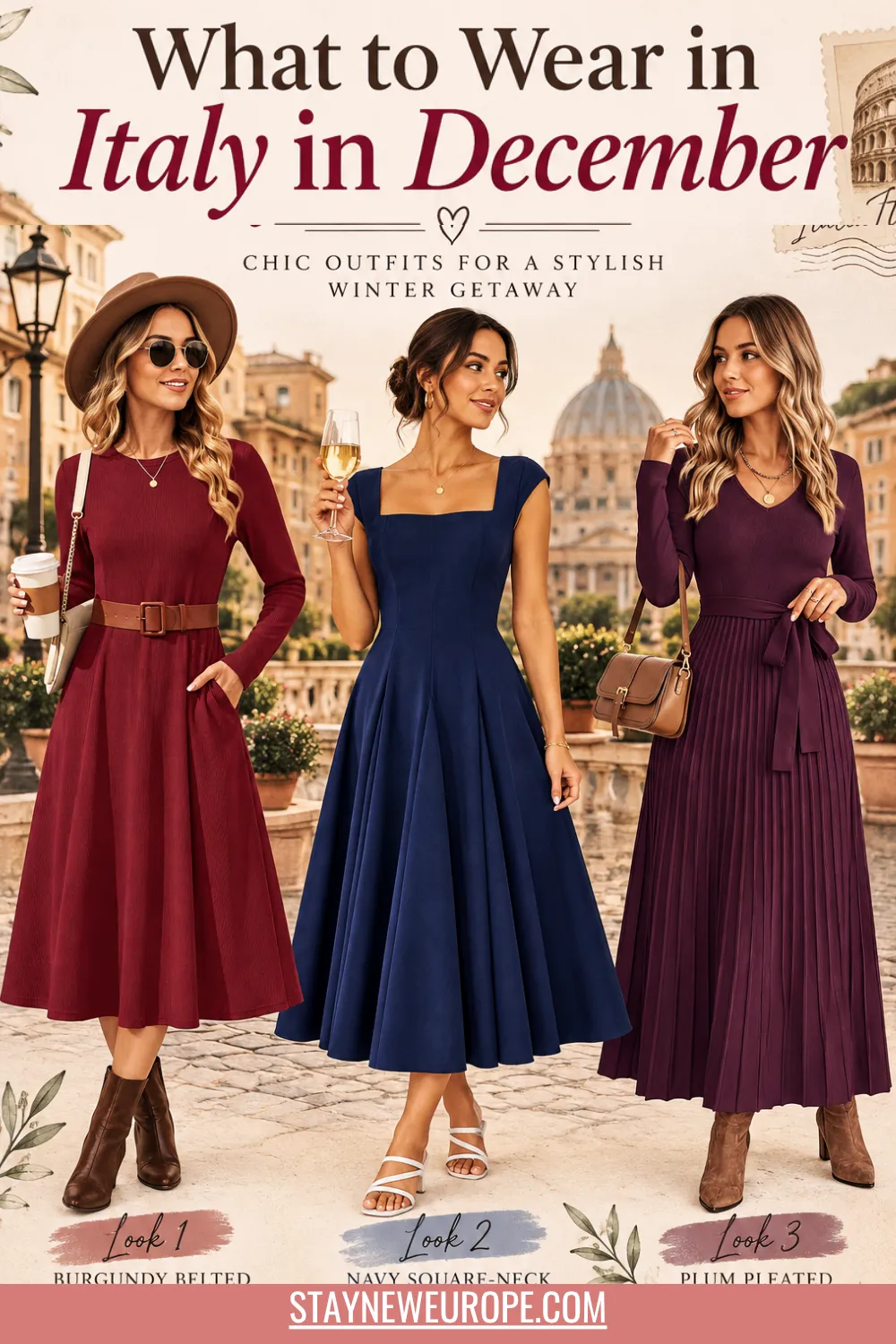
A midi dress in a heavier fabric like wool-blend or ponte knit, worn with opaque tights and boots, is a genuinely elegant December option — and one that photographs beautifully against Italy’s stone streets and golden afternoon light. It’s not about bare legs and sandals; it’s about a dress doing the work a skirt-and-top combo would, minus the effort.

Pair it with a long coat and you’ve got an outfit that works for museum mornings, lunch, and dinner without changing.

Local tip: a wrap dress in a dark, rich colour hides travel-day wrinkles better than almost anything else in your suitcase.
Jeans, Trousers, or Leggings — What Actually Holds Up
Jeans are the obvious answer, but not just any jeans.
A slightly heavier denim, or better, a wool-blend trouser, will keep you warmer than the thin stretch jeans you probably wear at home. Leggings work too, but only under a longer top or dress — on their own, in December in Italy, they read a little too “airport lounge.”

Tailored trousers deserve more credit than they get. They pack flat, they don’t wrinkle badly, and they look intentional whether you’re at a trattoria or a church.

Local tip: avoid pure cotton jeans if rain is forecast — they take forever to dry and get genuinely cold and heavy when wet.
Comfortable but Stylish Walking Shoes
This is the section people skip, and it’s the one that ruins trips.
Cobblestones do not care about your cute flats. You need something with actual grip and support — leather sneakers, ankle boots with a low block heel, or a sturdy loafer. Italians walk in real shoes, not trainers built for a treadmill, and it shows in how effortlessly they move through streets that would twist anyone else’s ankle.

Break in any new shoes before you leave home. I once wore brand-new boots on day one in Venice and spent the rest of the trip in blister plasters, which is not the aesthetic anyone is going for.

Local tip: ankle boots in a neutral leather tone go with almost everything in your suitcase and hide scuffs from cobblestones far better than suede.
What NOT to Wear (Tourist Mistakes)
Let me be honest about the outfits that instantly flag you as a visitor.
Bulky white trainers with obvious branding, oversized hooded sweatshirts, and head-to-toe athleisure are the biggest giveaways. Ponchos and disposable rain jackets are another one — practical, sure, but they make an outfit look like an afterthought. Baseball caps indoors, backpacks worn on the front through crowded churches, and flip-flops (yes, people still try) round out the list.
None of this means you need to be uncomfortable. It means choosing the elevated version of comfortable — a clean sneaker instead of a chunky one, a tailored puffer instead of a shapeless one.

Local tip: if you wouldn’t wear it to run errands at home and feel decent about it, it probably won’t work here either.
Jackets for Unpredictable Weather
This is the piece that makes or breaks your December trip.
A wool coat or a well-cut puffer, ideally knee-length, handles both the cold mornings and the sharp evening drop in temperature. If you’re moving between cities, a lighter packable jacket as backup is smart — Rome in December can hit a mild, sunny 14°C some afternoons, and you don’t want to be stuck sweating in a heavy coat with nowhere to put it.

I now travel with two: one structured wool coat for daytime and dinners, and one compact packable jacket that folds into itself for unpredictable moments — sudden rain, a colder-than-expected evening train.

Local tip: a camel or charcoal coat works with literally every outfit in this guide, which matters when you’re trying to pack light.
Evening Outfits in Italy
Dinner in Italy is an event, not a refuel stop, and your outfit should reflect that.

Think a dark midi dress or tailored trousers with a silk or satin top, finished with boots and a statement coat. Men do well with dark trousers, a good knit, and a coat that isn’t the same one worn all day hiking around ruins. The goal isn’t formal — it’s “made an effort,” which is the exact energy Italians bring to a Tuesday night dinner.

Layer a scarf or a simple gold necklace and you’ve elevated the whole look without adding weight to your suitcase.
Local tip: many smaller trattorias don’t take reservations for walk-ins after 8pm on weekends — dress like you might get a table at the nicer place next door too.
What to Wear for Churches (Dress Codes)
This one catches people off guard every single time.
Most major churches and basilicas — St. Peter’s in Rome being the strictest — enforce covered shoulders and knees, for both men and women. Sleeveless tops, shorts, and short skirts will get you turned away at the door, no exceptions, even in scorching summer let alone December.
Given the season, this is easy to solve naturally: long sleeves, midi dresses, and trousers are already your default, so church visits rarely require a special outfit. Just keep a light scarf in your bag as a shoulder cover if you’re wearing anything slightly lower-cut.

Local tip: carry the scarf even on days you’re not planning to visit a church — you’ll wander into one anyway, they’re everywhere.
Bags: Crossbody vs Backpack
I switched to a crossbody after one too many close calls with a backpack in a crowded market, and I haven’t looked back.
A structured leather crossbody keeps your hands free, sits close to your body, and looks intentional rather than purely functional. Backpacks are practical for day trips or if you’re carrying a camera, but in dense, crowded areas — train stations, markets, vaporetto stops in Venice — they’re an easier target and awkward to manage in tight spaces.

If you do bring a backpack, choose one with a front-facing zip you can watch, and wear it on your front in crowds.

Local tip: cross-body bags with a zip closure and a short strap (worn high, not low and swinging) are both more secure and more in line with the local look.
Accessories That Elevate Simple Outfits
A plain coat-and-jeans combo becomes a whole outfit with the right two or three additions.
A good scarf is doing more work than anything else in your suitcase this month — it adds warmth, colour, and texture, and Italians treat scarves as a genuine style statement, not just a cold-weather necessity.

Add leather gloves, a structured bag, and simple gold or silver jewellery, and even your most basic travel outfit looks deliberate.

Sunglasses matter too, even in December — that low winter sun is sharper than you’d expect, especially reflecting off canals or white stone piazzas.

A structured leather belt can make a simple sweater-and-trouser outfit feel much more intentional. It also works well over a dress or light coat when you want a little more shape.

Local tip: one statement scarf in a rich colour (burgundy, forest green, mustard) can transform three different outfits across your trip.
Rain Preparation (Unexpected but Important)
December rain in Italy isn’t constant, but when it comes, it comes fast, and being unprepared ruins a day quickly.
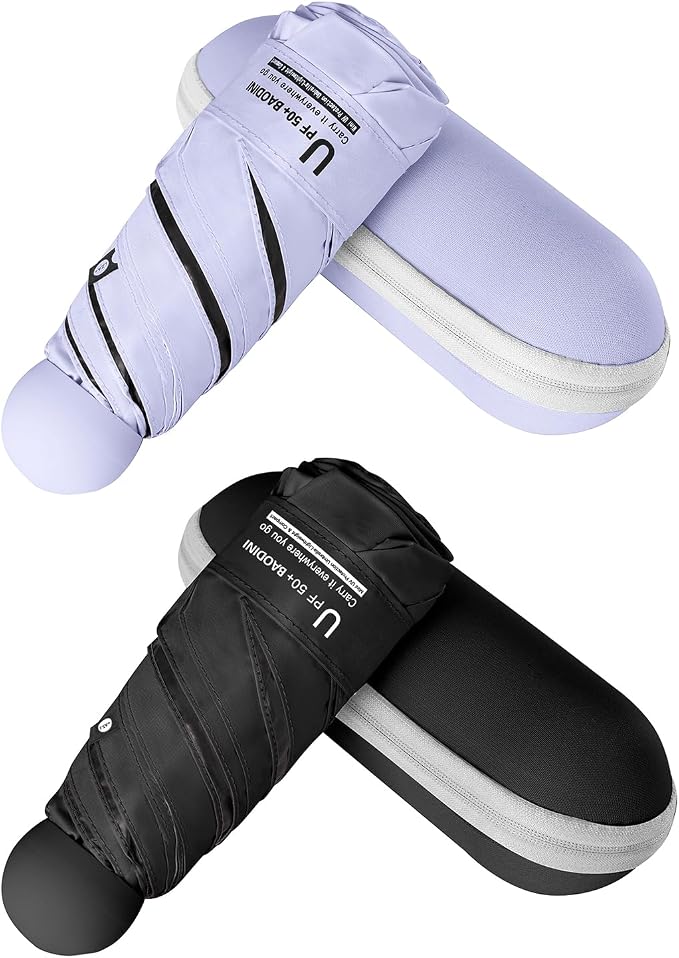
A compact umbrella that fits in your bag is non-negotiable — not the flimsy kind that turns inside out at the first gust. Water-resistant (not just water-repellent) boots matter more than people think, especially in Venice, where acqua alta (seasonal flooding) can turn a normal street into ankle-deep water with almost no warning.
Skip the disposable poncho. A proper trench with a water-resistant finish does the same job while still looking like an outfit.

Local tip: check Venice’s acqua alta forecast the night before if you’re there in December — it genuinely changes what shoes you should wear that day.
Fabrics to Choose (and Avoid)
This is the detail that quietly makes or breaks your comfort for the whole trip.
Wool, cashmere blends, and heavier knits are your friends — they insulate well and handle Italy’s damp cold better than synthetic fleece, which traps moisture and feels clammy after a day of walking. Leather and suede boots (properly treated) outlast canvas sneakers in wet conditions. Cotton is fine for base layers but a poor choice as your only outer layer once the temperature drops after sunset.
I made the mistake of packing an all-cotton wardrobe once and spent a week in Milan feeling perpetually one degree too cold.
Local tip: a wool-cashmere blend jumper costs more upfront but packs smaller and performs better across an entire week than three separate cotton sweaters.
Capsule Wardrobe for December in Italy
If you’re trying to pack light without missing anything, this is roughly the formula that’s worked for me across Rome, Florence, and Venice in December.
One wool coat, one packable jacket, two pairs of trousers or jeans, one midi dress, three or four tops that mix and match, one chunky knit, comfortable boots, one pair of dressier flats or loafers, a scarf, gloves, and a small crossbody bag. Everything in a similar colour family — camel, black, navy, burgundy — so pieces combine freely without you having to think too hard each morning.
That’s roughly seven days of genuinely different outfits from about twelve pieces, which is the whole point of a capsule wardrobe in the first place.
Practical Packing Section
How many outfits to bring: plan for outfit combinations, not individual daily looks. Around five tops, two bottoms, one dress, and a couple of knits will mix into more outfits than you’d expect, especially layered under one or two coats.
Packing light vs overpacking: the honest rule is this — if you’re not sure you’ll wear it twice, leave it home. December Italy rewards repeat-wearing a great coat far more than it rewards a suitcase full of single-use outfits.
Outfit planning tips: lay everything out before you pack and count how many outfits each piece can realistically be part of. Anything that only works with one other item is the first thing to cut.
Mistakes to avoid: don’t pack for the Italy you’re imagining — pack for the Italy that’s actually 6°C at 8am and 13°C at 2pm. And don’t bring shoes you haven’t already walked several kilometres in; cobblestones are not the place to test new footwear for the first time.
Final Thoughts
There’s a version of this trip where you’re cold, uncomfortable, and constantly adjusting what you’re wearing — and there’s a version where you step off the train already dressed for wherever the day takes you, coffee in hand, completely unbothered by the weather doing three different things before lunch.
Pack for the second version. Choose pieces that layer, that move with cobblestones instead of against them, and that make you feel like you belong on that street rather than like you’re just passing through it. Italy in December has a quiet, golden kind of beauty that summer crowds never get to see — dress for it, and let yourself actually enjoy it.

