
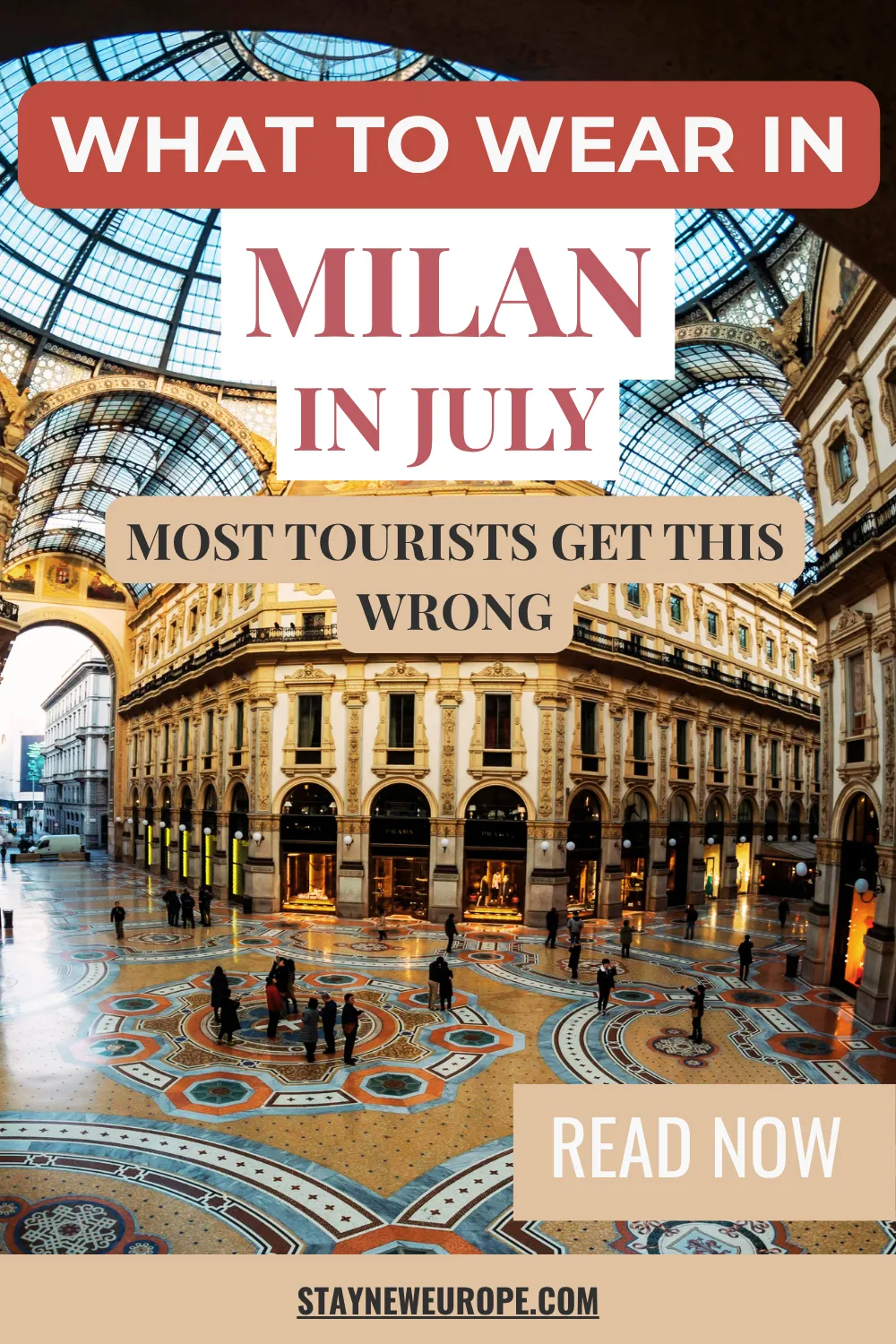
Milan in July is not for the faint-hearted — or the badly dressed. The city hits you with a kind of ferocious, glamorous intensity that no amount of Pinterest scrolling quite prepares you for. The heat shimmers off the cobblestones near the Duomo, the air is thick and golden, and everywhere you look, Milanese women are somehow gliding through 34°C in linen trousers and silk tops without a single visible sweat mark. Meanwhile, most tourists are wilting in the wrong shoes, overdressed for the weather or underdressed for the city.
I’ve been to Milan in the height of summer twice now, and both times I got it slightly wrong before I got it right. The first time, I packed too many heavy fabrics and spent half the trip feeling like I was walking around inside a sauna. The second time, I nailed the basics — and honestly, the whole trip felt different. Better shoes, better fabrics, a little more intention. That’s what this article is about.
This isn’t a generic packing list. It’s what I actually wore, what I wished I’d worn, and what I saw working on the streets of one of the most stylish cities on Earth.
Before We Dive In: What July in Milan Actually Feels Like
Let’s be real about the weather first, because it shapes every single packing decision.
Milan in July is hot. Not “oh it’s a bit warm” hot — genuinely, exhaustingly, drenchingly hot. Average daytime temperatures sit around 30–34°C (86–93°F), and humidity can push that feels-like temperature even higher. The city isn’t coastal, so there’s no sea breeze saving you. What you get instead is urban heat — sun reflecting off stone piazzas, warmth radiating from centuries-old walls, and that specific breathless feeling of a landlocked city in midsummer.
Rain is possible but rare. When it does come, it usually arrives as a dramatic afternoon thunderstorm — loud, fast, and over within an hour. So you’re not packing for drizzle; you’re packing for intermittent drama.
Walking is non-negotiable in Milan. Yes, there’s an excellent metro, but the city’s best neighbourhoods — Brera, the Navigli canals, the fashion district around Via della Spiga — reward wandering. You will walk more than you think, on a mix of uneven stone streets, polished marble, and broad modern boulevards.
And then there’s the style thing. Milan is the fashion capital of the world. That’s not marketing copy — it’s a lived reality you feel the moment you land. Locals dress with a kind of effortless intentionality. Nobody is in full couture, but nobody is in a novelty T-shirt and cargo shorts either. There’s a standard, and it’s quietly enforced through the social temperature of the city. You don’t have to be chic to enjoy Milan, but you’ll enjoy it more if you make a small effort.
Lightweight Layers: The Thing Most People Get Wrong
Here’s the counterintuitive truth about dressing for Milan in July: you still need layers. I know. In 33°C heat, the last thing you want to think about is an extra layer. But hear me out.
Air conditioning in Milan is aggressive. Museums, restaurants, shopping centres, the metro — they’re all cooled to a level that borders on punishing. I sat through a long lunch in a beautiful Brera restaurant in a sleeveless dress and spent the second half of the meal quietly shivering, which is not how I wanted to spend that meal. A light layer — something you can tie around your shoulders or toss in your bag — completely changes this equation.
What works: a thin linen shirt in a neutral tone, a super-lightweight cotton knit, or a silk-blend cardigan. The key word throughout all of this is thin. You’re not layering for warmth in the traditional sense. You’re layering for the fifteen-minute walk between the blazing outdoor heat and the Arctic restaurant interior.

The bonus move here is that a good lightweight layer instantly elevates an outfit. A simple slip dress with a crisp white linen shirt tied loosely at the waist looks intentional in a way that just the dress alone doesn’t. Milanese women understand this instinctively — that the extra piece is what takes an outfit from adequate to considered.

Local tip: Bring two or three lightweight layers in neutral tones (white, sand, navy, soft terracotta) and rotate them across different outfit combinations. One layer can work with three different outfits — this is how you pack light without losing versatility.
Linen Everything: The Fabric That Will Save Your Trip
If you take one fabric recommendation from this entire article, let it be this: linen is your best friend in July Milan, full stop.
Linen breathes in a way that cotton doesn’t quite match and synthetics can’t touch. It pulls heat away from your body, dries quickly when you inevitably perspire, and — crucially — it looks good slightly rumpled. That lived-in, softly creased quality that linen develops over the course of a day reads as effortless rather than dishevelled, which is exactly the aesthetic Milan rewards.
Linen trousers, linen shirts, linen midi dresses, linen shorts — all of these work. I’d go for medium or heavier-weight linen over very cheap, thin versions, which tend to go slightly see-through and lose their structure in humidity. A pair of well-cut linen trousers in stone or white can carry you from a morning at the Pinacoteca di Brera to an aperitivo at the Navigli to dinner somewhere lovely, with nothing more than a shoe change and a lip colour in between.
Other fabrics worth packing: breathable cotton, silk, and tencel. Fabrics to leave at home: polyester (it traps heat and smell), thick denim (too hot and too heavy for the walk), and anything labelled “quick-dry” that isn’t actually breathable — that category of synthetic fabric is designed for hiking, not navigating a fashion city in summer heat.
Local tip: Don’t steam your linen before you go out. A little natural relaxed texture looks intentional; over-ironed linen looks stiff and tourist-y. Let the fabric do its thing.
Dresses: Your Secret Weapon for Milan in July
Let me be honest — dresses were the best decision I made on my second Milan trip, and I almost didn’t pack them because I was worried about looking too dressed-up.
Dresses are brilliant in summer heat for a reason that seems obvious once you think about it: they create their own airflow. There’s no fabric trapping heat around your legs. A good slip dress or a loose midi dress in linen or cotton is genuinely cooler than shorts and a top, because shorts still have waistbands and seams pressing into your skin.
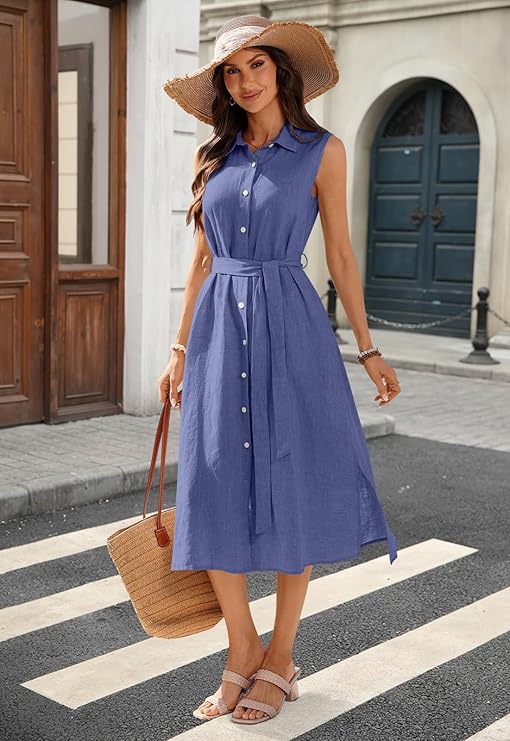
The style of dress that works in Milan is effortless but not sloppy. Think: midi length or mini, simple silhouette, quality fabric. A white linen midi dress is perhaps the most versatile single item you could pack — it works for day tourism, for church visits (with appropriate coverage added), for dinner. A floral cotton dress in a slightly more structured cut works similarly.

What I’d avoid: anything too beachy (strapless bandeau dresses, cover-up-style dresses, loud tropical prints). Milan is cosmopolitan and city-forward; beach resort aesthetics clash with the vibe. You want dresses that look like you made a decision, not like you grabbed the first thing off the resort rack.
Sleeveless is completely fine during the day. Just carry that lightweight layer for the churches (more on that below) and the cold restaurants.
Local tip: A dress with pockets is worth its weight in gold. You’re walking all day and you want to keep your phone accessible without digging into a bag every thirty seconds.
The Shoe Question: Comfort vs Style (You Don’t Have to Choose)
Shoes are where most tourists get into serious trouble in Milan, and I say this as someone who once wore the wrong shoes for a single day and ended up with blisters so bad I had to buy replacement sandals from a pharmacy. Learn from my suffering.
The streets in central Milan are mostly flat and paved — much more forgiving than, say, Rome or Florence — but they are still stone, and they are still hard on your feet over seven or eight hours of walking. Heels are a firm no for daytime. I know this feels obvious, but I’ve seen people genuinely attempt it, and the results are not pretty.

What works beautifully: leather sandals with a small amount of cushioning, loafers (the Italian staple — you will see them absolutely everywhere), white leather trainers in a clean, minimal style, and flat mules in leather or suede. The key word throughout is leather. Fabric shoes soak through with sweat on a hot day and become uncomfortable quickly. Leather breathes better, holds its shape, and — important for the Milan aesthetic — looks like you have your life together.
The loafer is worth a special mention. In Milan, a good loafer — whether flat, slightly heeled, or with a small platform — is considered entirely appropriate for everything from a museum visit to an evening aperitivo. They’re the shoe equivalent of a capsule wardrobe: endlessly versatile, always appropriate, and deeply Italian.

Local tip: Break in any new shoes at home before your trip. Milan is not the place to debut stiff new leather. You’ll pay for it by lunchtime.
What NOT to Wear: The Tourist Tells
There’s no kind way to say this, so I’ll just say it: certain outfits immediately flag you as someone who didn’t think about where they were going. In most cities, this doesn’t really matter. In Milan, a city that takes aesthetics deeply personally, it can subtly affect how you’re treated in shops, restaurants, and even on the street.
Things that scream “tourist” in July Milan: sports sandals with socks, visible fanny packs worn on the front of the body, novelty slogan T-shirts, gym leggings worn as trousers for everyday sightseeing, ill-fitting shorts that hit at an awkward mid-thigh length, and — the big one — athletic trainers that are clearly for running rather than for looking good.
I’m not saying you can’t be comfortable. Comfort is the whole point of this article. But there’s a version of comfortable that looks intentional, and a version that looks like you grabbed whatever was on the floor. Milan rewards the former.
The shorts question deserves a specific answer: yes, you can wear shorts. But make them tailored shorts — linen, cotton, or light fabric, hitting at or just above the knee, in neutral or simple colours. Bermuda-style, wide-leg linen shorts are having a genuine moment in Italy right now and look fantastic with a tucked-in linen shirt or a simple fitted top.
Local tip: If you’re unsure about an outfit, add one deliberate accessory — a nice belt, a pair of sunglasses that actually suit your face, a simple gold necklace — and it immediately reads as intentional.
Evening Outfits: Aperitivo to Dinner in Milan
Milan’s evening culture is wonderful and very specific. Aperitivo hour — usually from around 6pm to 8pm — is a genuine institution. People dress up slightly for it. Not formally, but with clear effort. You’re heading to a Navigli bar or a Brera terrace, and the lighting is golden and everyone looks like they’ve stepped out of a fashion editorial.
For evening, I’d step things up one notch from your daytime outfits. This doesn’t mean formal — it means considered. A midi dress in silk or satin with flat mules. Tailored linen trousers with a silk cami and loafers. Wide-leg trousers with a fitted top and heeled sandals if you’re going somewhere nicer for dinner.

Milan’s restaurant culture spans from beautiful casual to genuinely formal, and most places you’ll eat at as a tourist fall somewhere in between. Smart casual is the target. The helpful thing about building your wardrobe around quality basics in good fabrics is that the same items that work for daytime can be dressed up in minutes: swap the trainers for sandals, add a small bag and some jewellery, and you’re ready.
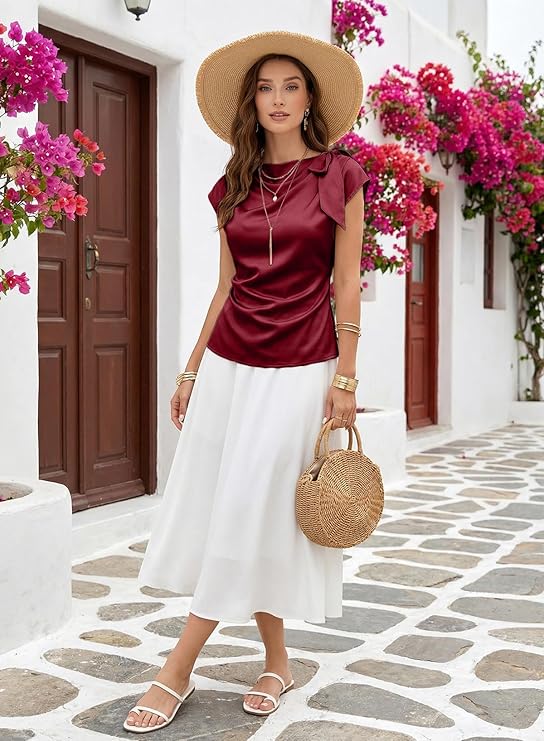
One genuinely useful item for evenings: a lightweight silk or satin slip dress. It’s cooler than almost anything else you could wear, it looks elegant, and it works with flat shoes or heeled sandals equally well. If you pack one “splurge” item for Milan in July, make it this.

Local tip: Milanese aperitivo culture means drinks come with complimentary snacks or sometimes even a small buffet. Budget for at least one proper aperitivo experience at a bar with a beautiful terrace — and dress for it.
Jackets and Outerwear: Yes, Really
I can feel your scepticism from here. A jacket? In July? In Milan?
Yes. Not every day, not all day, but on at least a couple of evenings — particularly if there’s a thunderstorm, or if you end up somewhere with particularly enthusiastic air conditioning — you’ll genuinely want it.
The right jacket for Milan in July is lightweight and packable. Think: an unstructured blazer in linen or cotton, a lightweight denim jacket (the one fabric exception where denim works, because it’s a thin layer rather than full trousers), or a minimal summer jacket in a breathable fabric.

I packed a single thin linen blazer on my last trip and wore it three times: once over a dress for a slightly nicer dinner, once thrown over my shoulders against a chilly museum air conditioning unit, and once during a brief but torrential evening thunderstorm that appeared from nowhere. It earned its place in the bag.
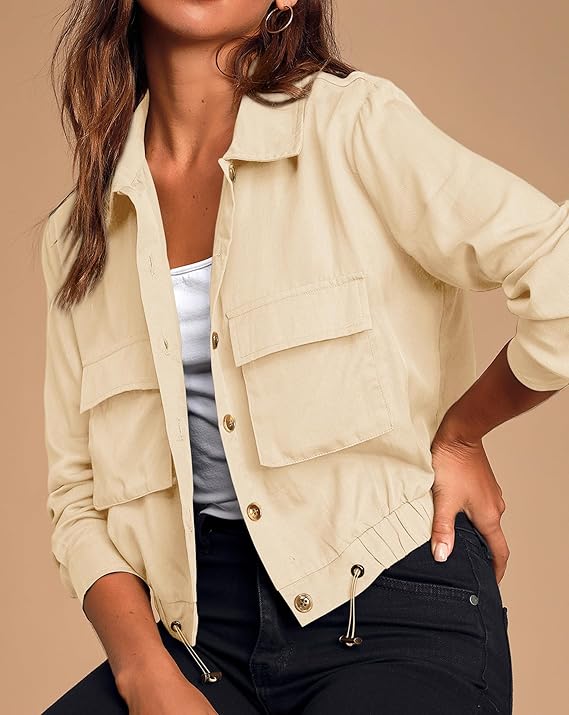
Local tip: An oversized linen blazer in beige or white doubles as a chic evening layer and a practical daytime piece if you’re going somewhere with a dress code. It’s the Swiss Army knife of your Milan wardrobe.
Church Dress Code: What You Actually Need to Know
Milan has some extraordinary churches — the Duomo alone is worth planning an outfit around — and they all have dress codes that are genuinely enforced. This isn’t optional, and the rules are consistent: no bare shoulders, no bare knees.
The good news is that if you’ve packed well for the rest of your trip, you almost certainly have what you need. A midi dress covers the knees automatically. Add your lightweight linen layer over bare shoulders and you’re in. If you’re wearing shorts, you’ll need a scarf or a sarong tied around your waist — pack a large lightweight scarf for exactly this reason.

What I’d avoid: relying on those disposable paper covers some churches offer. They’re uncomfortable, they crinkle, and they look unfortunate in photos. Much better to just have the right thing in your bag.
A large silk or cotton scarf is honestly one of the most versatile items you can bring to Milan in summer. It covers shoulders for churches, wraps around as a sarong if needed, doubles as a blanket on a cold flight, can be tied in your hair, and — if you buy a beautiful one in Italy — becomes a lovely souvenir.
Local tip: If you’re planning to visit multiple churches in one day, just dress for the code from the start — a loose midi dress with a light layer — rather than changing or adding scarves each time. Much easier.
Bags: The Eternal Crossbody vs Backpack Debate
In Milan specifically, this debate has a clear answer: crossbody bag for the city.
Backpacks are practical and I understand the appeal, but in a busy, fashion-forward city, a backpack marks you very clearly as a tourist — and it also creates a security vulnerability, since you can’t see what’s happening behind you. In the crowded areas around the Duomo and the central shopping streets, that matters.
A leather crossbody bag — or even a nice canvas or woven bag — keeps your belongings visible and accessible, fits the aesthetic of the city, and is far more comfortable in the heat than a sweaty backpack against your back.
If you’re carrying more things than a crossbody can hold, consider a structured tote with short handles that you can carry in the crook of your arm.

Size matters here. A bag that’s too large becomes unwieldy when you’re ducking into shops and navigating narrow streets. You need: your phone, your wallet, a compact camera if you have one, your lightweight layer, and a small water bottle. That’s it. Keep it manageable.

Local tip: Italy has a tradition of beautiful leather goods at prices that are genuinely better than what you’d pay elsewhere. If you’re considering investing in a quality bag, Milan is a very good place to do it — even at the mid-range level, the craftsmanship is excellent.
Accessories: The Things That Actually Make Outfits Work
Milan is an accessories city in a way that few places are. It’s not about logo-covered luxury goods — that’s a very specific sub-culture within Milan fashion. It’s about the detail: the right sunglasses, the right gold jewellery, the right belt.
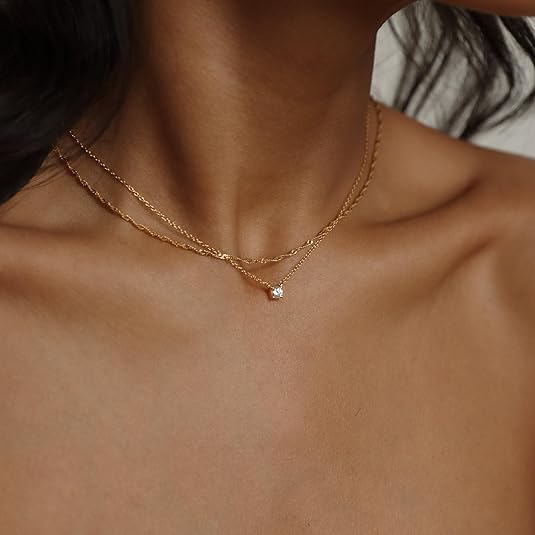
In July heat, accessories do a lot of the heavy lifting because your clothing is necessarily simple and light. A pair of really good sunglasses can make a simple linen dress outfit look editorial. A thin gold chain necklace layered over a cotton cami looks considered in a way that the cami alone doesn’t. A woven raffia hat is both practical (genuine sun protection) and stylish if it’s a structured, intentional shape rather than a floppy beach hat.

Sunglasses specifically: Milan is one of the better cities in the world to buy sunglasses at every price point. From luxury opticians on the Golden Triangle streets to cool independent shops in Brera and Isola, you’ll find excellent options. If your current pair is looking tired, this is the trip to replace them.

Jewellery in summer should be kept simple and light. Heavy statement pieces feel oppressive in heat. I’d go for: small gold hoops or simple drops, one or two thin stacked rings, and one delicate necklace. That’s enough.
Local tip: A wide-brimmed structured hat — not floppy, not beachy, something with actual shape — is both the most practical item for July sun and the most Italian-looking thing you can put on your head. It photographs beautifully too.
Rain Preparation: Because That Thunderstorm Is Coming
I mentioned this briefly above, but it deserves its own section because when it rains in Milan in July, it really rains. Not grey English drizzle. A proper, sudden, dramatic Mediterranean thunderstorm that drops an impressive amount of water in about forty-five minutes before clearing and leaving everything golden and fresh.
The wrong response to this is a heavy waterproof jacket. You’d be wearing it all day on 80% of days when it doesn’t rain, and suffering for it.
The right response is a compact travel umbrella. I know umbrellas seem annoying to carry, but the collapsible ones fit in any bag and weigh almost nothing, and when that storm hits while you’re halfway through a neighbourhood with no awning in sight, you will be genuinely relieved to have it.

Waterproof sandals or shoes with minimal suede are also wise. My leather sandals handled a brief rain perfectly. My friend’s suede loafers had a worse afternoon.
Local tip: If you get caught in a downpour without an umbrella, duck into a café or bar, order something, and wait it out. This is not a hardship. This is how Milanese people handle thunderstorms, and it’s a perfectly pleasant twenty minutes.

Swimwear and Resort Wear: Worth It or Not?
Milan itself doesn’t have beaches — it’s inland — but it’s a common base for day trips to Lake Como, Lake Maggiore, and occasionally the Ligurian coast. If you’re planning any of those, swimwear is obviously a yes.
For the lakes specifically: a nice one-piece or bikini, a light cotton cover-up that can double as a beach dress, and some flat sandals that can handle water. You don’t need much. The lakes are beautiful and relatively casual, so resort aesthetics work perfectly there even if they feel slightly off in the city itself.
If you’re purely staying in Milan: honestly, you don’t need swimwear unless your hotel has a rooftop pool, which some of the nicer ones do. Check before you pack.
Local tip: The boat ride on Lake Como requires some wind-appropriate dressing even in July — the water creates a breeze that can feel surprisingly cool. Bring that light layer.
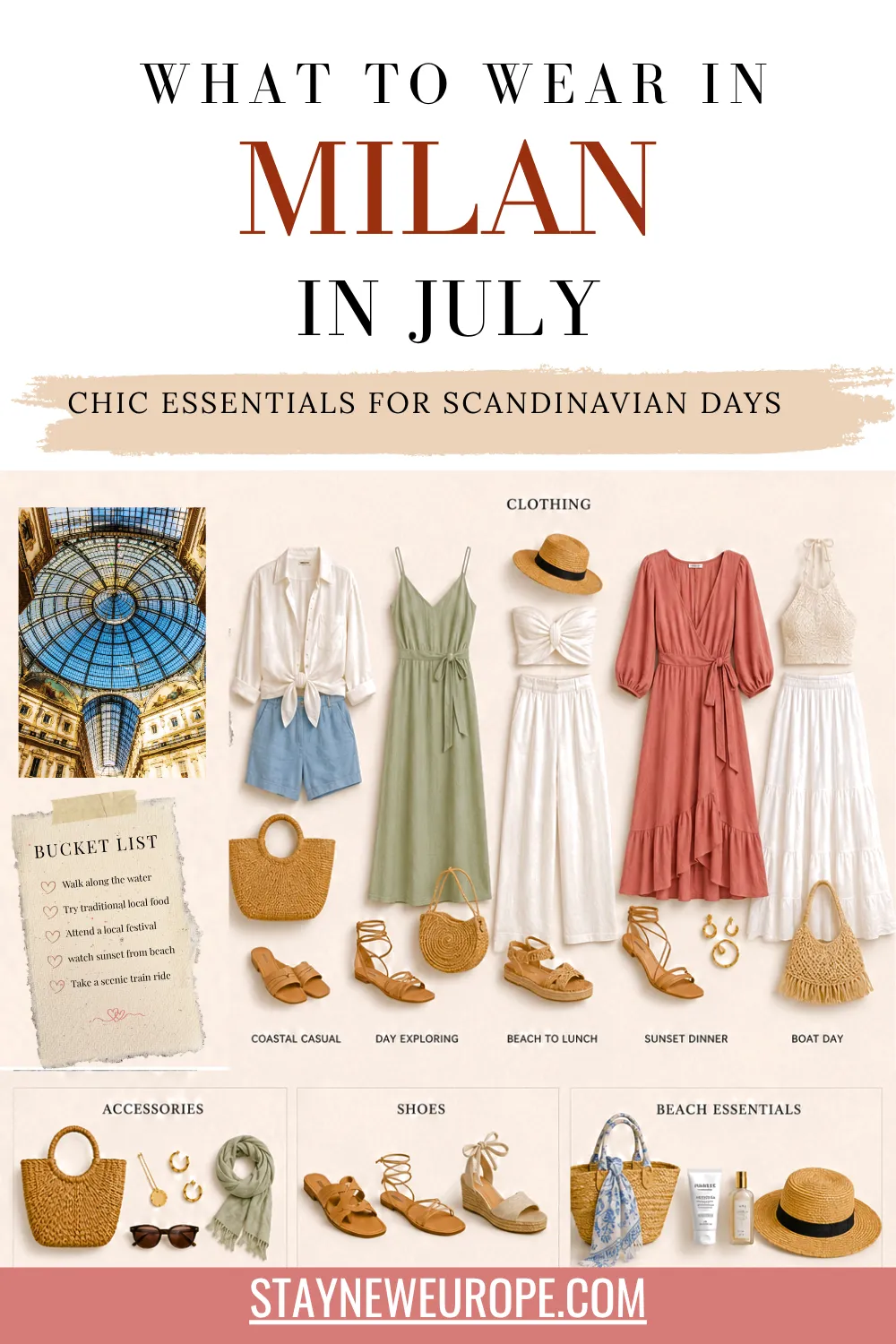
A Capsule Wardrobe for Milan in July
Here’s what I’d pack for seven days in Milan in July, if I were doing it tomorrow. This isn’t aspirational — it’s genuinely practical.
Tops and layers: Two linen shirts (one white, one neutral colour), two simple fitted tops in white and a neutral, one silk cami in a soft tone, one lightweight knit or linen cardigan.
Bottoms: One pair of tailored linen trousers, one pair of wide-leg linen shorts, one pair of simple tailored cropped trousers.
Dresses: One midi linen dress (versatile enough for day and evening), one slip dress or silk-style dress for evenings.
Shoes: Leather sandals (flat, well-cushioned), clean white leather trainers, loafers.
Outerwear: One unstructured linen blazer.
Accessories: Two pairs of sunglasses, a crossbody leather bag, a structured hat, simple gold jewellery, one large lightweight scarf, a compact umbrella.
With this wardrobe, you can create at least fourteen distinct outfits through combination — and none of them will look like you’re wearing the same thing twice. The trick is keeping the colour palette cohesive (neutrals, with one or two accent colours) so everything mixes freely.
Local tip: Choose a colour palette before you start packing and stick to it. Mine is always: white, cream, sand, navy, and one warmer accent (terracotta or olive). Everything works with everything, which means I can pack less and stress less.
Packing Practical: How to Actually Get This Right
Bringing the right things is one thing. Actually getting them in the bag without overpacking is another skill entirely.
For seven days in Milan, I’d aim for a carry-on-sized bag if at all possible. The airlines that serve Italy often have strict carry-on rules, but the bigger reason is that checking luggage in summer is a minor nightmare — delayed bags, broken wheels on cobblestones, heaving a suitcase into an Italian apartment building with no lift. Travel light, and the whole trip is physically easier.
Roll your clothes rather than folding — it saves space and reduces creasing, particularly relevant for linen. Use packing cubes to separate categories (tops, bottoms, shoes). Pack shoes into bags to keep the rest of the luggage clean.
The most common overpacking mistake I see is the “just in case” outfit. The formal dress brought on the chance that someone invites you to a gala. The heavy winter layer in case it’s cold at night. The fourth pair of shoes. Unless you’re going somewhere genuinely unpredictable, these items don’t earn their space. Milan in July has very predictable weather and a very consistent dress code. Pack for what you’ll actually do.
Local tip: Leave a little space in your bag when you leave home. Milan is a world-class shopping city and you will almost certainly buy something — probably something beautiful and Italian that you couldn’t have found anywhere else. Account for it.
The Honest Closing Note
There’s something about dressing for Milan that feels slightly different from dressing for any other city. It’s not about looking perfect — Milanese style is emphatically not about perfection. It’s about looking present. Like you considered where you were going and made an effort that’s proportionate to the city.
When I walk through the Navigli in the early evening in linen trousers and leather sandals with a glass of Aperol Spritz, watching the canal catch the light and the city doing what Italian cities do in summer — slowing down, breathing out, becoming golden — the fact that I dressed well for it isn’t vanity. It’s participation. It’s how you tell the city you took it seriously.
Milan in July will be hot and a little overwhelming and occasionally sweaty and completely magnificent. Pack thoughtfully, choose breathable fabrics, wear good shoes, and then stop thinking about your clothes and start paying attention to what’s around you. That’s the whole point.
