
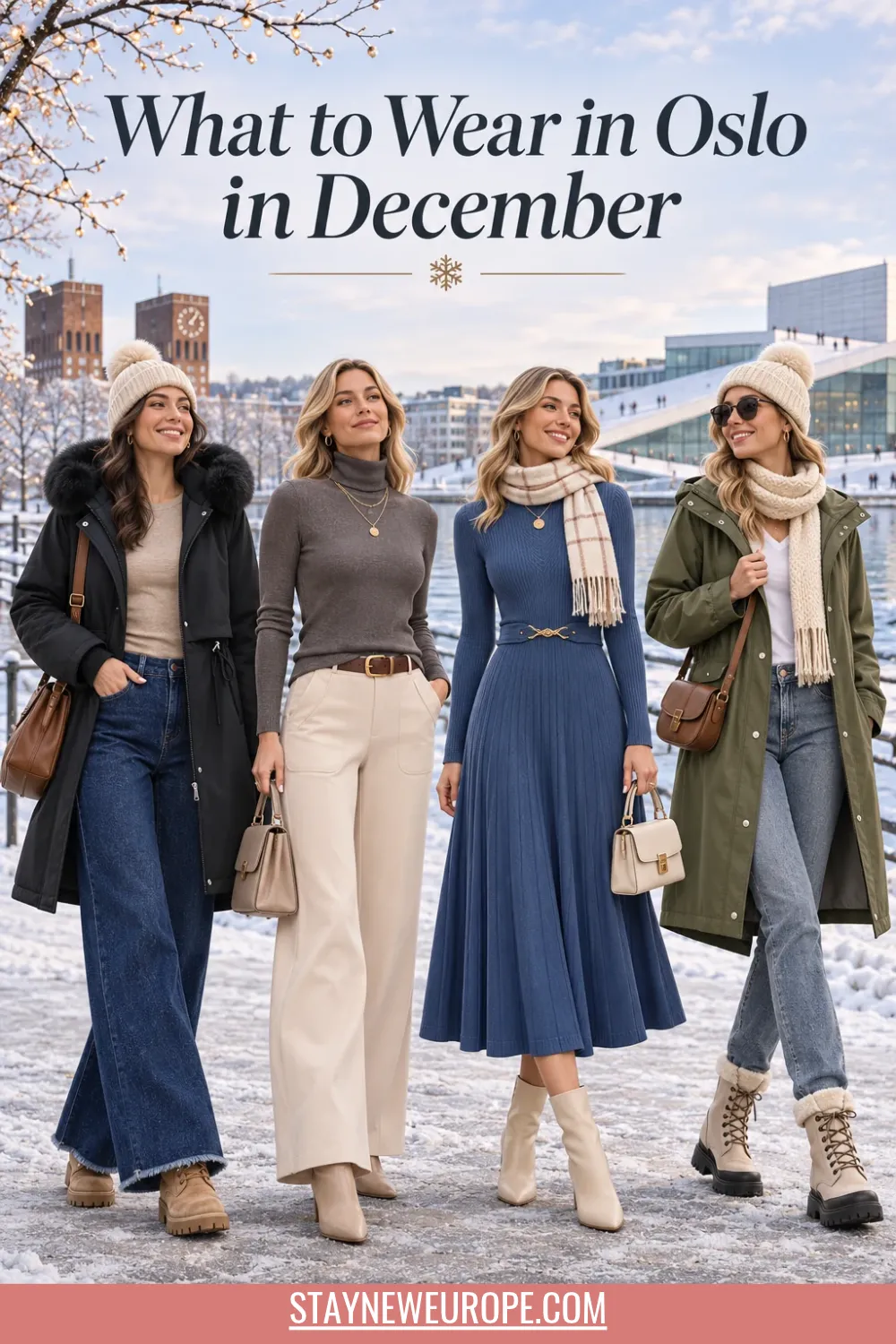
Oslo in December is a snow globe that someone forgot to heat. The sun clocks in around 9:15 a.m., clocks out around 3:15 p.m., and in between it hangs so low and golden that everyone looks like they’re in a perfume ad. Fairy lights go up everywhere, the fjord steams, and locals glide past on icy pavements like it’s nothing.
Then there’s you, in a fashion sneaker, skating towards a tram stop with your arms out like a baby giraffe. I’ve been that person. Most visitors pack for “cold” when they should pack for cold, wet, dark and slippery, all in the same afternoon.
Let me save you from my mistakes. Here’s exactly what to wear in Oslo in December, what to leave at home, and how to look like you belong while doing it.
Before We Dive In
Weather: Expect roughly -5°C to 1°C (23-34°F) on a normal December day. Cold snaps can drop to -15°C, and a surprise rainy week at +4°C is not unheard of. Snow is likely, not guaranteed.
Daylight: About six hours around the solstice. You’ll do a lot of your sightseeing in what feels like permanent sunset, so plan your outfits around the light too (more on reflective bits later).
Walking conditions: Oslo is compact and walkable, but December pavements can be packed ice with a light dusting of snow on top. Grip matters more than glamour.
Style culture: Norwegians dress for function first, then make it look effortless. Think black, grey, navy, camel and forest green, lots of wool, a good hat, and zero fuss. Nobody is trying to impress anyone with a puffy coat. They’re trying to stay alive and comfortable, and somehow that reads as chic.
Heading elsewhere in Europe this winter? Have a look at our other city and month guides: {{INTERNAL LINK: add Scandinavia / Nordic city guide from the sitemap}}, {{INTERNAL LINK: add another winter-in-Europe guide}}.
1. The Layering Formula (Honestly, This Is the Whole Game)
Norwegians have a saying: there’s no bad weather, only bad clothing. I rolled my eyes at it. Then I stood on a windy waterfront in a single thick sweater and understood it completely.
The formula is three layers: a thin base layer that touches your skin, a warm middle layer, and a windproof outer layer. The trick is that each layer is easy to peel off, because Oslo’s trams, cafés, museums and shops are heated like a sauna. You will boil indoors if you wear one giant thing.
A typical morning looks like this: a thin merino top, a fine wool sweater over it, and your coat on top. By noon, the coat is on your arm, and you’re still comfortable.
Local tip: Dress for the tram, not just the pavement. If you’re sweating at the stop, you’ve overdone it.
2. Merino Base Layers: The Unsexy Hero
Cotton is the enemy here. It soaks up sweat, goes cold and stays cold. Wool wicks moisture and keeps warming you even when damp, which is why every Norwegian kid grows up in it.
Pack two thin merino long-sleeve tops and one pair of merino leggings or long johns. They’re slim enough to disappear under jeans and dresses, and you can wear them two or three days running without any smell issues (merino is almost suspiciously good at this).

For an everyday option, a lightweight merino long-sleeve crew from a brand like Icebreaker, Smartwool or Norwegian label Devold is a solid buy. Choose one in black or navy so it can double as a top on its own.
Local tip: Buy your base layers a few weeks before you leave and wear them once at home. Merino fit is personal, and you don’t want to find out it’s itchy in a hotel room at -8°C.
3. The Winter Coat: Where to Spend Your Money
If you’re going to splurge on one thing, make it the coat. Oslo winters are damp-cold, not just dry-cold, so you want something genuinely insulated, windproof and long enough to cover your hips.

A down or high-quality synthetic parka that sits mid-thigh is the sweet spot. Look for a hood (with or without fur trim), zip pockets you can trust with your phone, and a collar that comes up over your chin. Helly Hansen, Bergans, Norrøna and Didriksons are all Nordic labels locals actually wear, and the dark neutral options look good everywhere.
I made the mistake of bringing a stylish wool overcoat on my first winter trip. It looked lovely for exactly eleven minutes. Then the wind found the gaps.
Local tip: Don’t buy a coat that’s rated for “mild winter.” Check the comfort temperature rating, and aim for something good to at least -10°C.
4. Boots: Grip First, Style Second (But You Can Have Both)
This is where most visitors lose. Fashion boots with smooth soles are a hospital visit waiting to happen on Oslo ice.
You want waterproof winter boots with a deep, aggressive tread and a warm lining. Black or dark brown leather-look boots, such as Sorel, Kamik or Sprandi, blend in perfectly. Choose a half size up so you can wear thick socks without cutting off circulation.

For serious ice days, ask a local about slip-on ice cleats (called “brodder”). Plenty of Norwegians keep a pair in their bag from November to March, and you can pick them up cheaply at sports shops. They look unglamorous and save you from looking even less glamorous flat on your back.

Local tip: Waterproof spray on your boots before you fly. Slush season is real, and salt stains are forever.
5. Socks: The Quiet Winners
Nobody tells you how much your day depends on your feet. One bad pair of socks and you’re miserable by 2 p.m.
Pack thick merino hiking-style socks, around five pairs for a week. Wool again, because cotton socks absorb moisture and then freeze. Darn Tough and Smartwool are famously durable, but any good wool blend will do.

Wear one pair, and pack a spare in your daypack. Changing socks in a café bathroom after a snowy walk is one of life’s undersold pleasures.
Local tip: Skip the extra-thick double-sock trick. Tight boots cut circulation, which makes your feet colder, not warmer.
6. Jeans, Trousers or Something Warmer?
Plain denim on its own won’t cut it. It’s cold, slow to dry and stiff when wet. But paired with a merino layer underneath, a dark straight-leg or relaxed-fit jean works absolutely fine for cafés, museums and shopping.

If you plan to be outside for longer, lined or fleece-backed trousers are a game changer. Wool-blend trousers look sharp in the evenings and keep you much warmer than jeans. For genuinely wet days, a pair of lightweight waterproof shell trousers can go over everything and fold down tiny.

For outfit inspiration: merino leggings, dark jeans, a fine-knit sweater and your boots is basically the Oslo uniform. Boring? Perhaps. Comfortable and surprisingly stylish? Absolutely.
Local tip: Avoid light-coloured trousers. Slush splashes high, and nobody looks good with a brown hem.
7. Sweaters: Go Nordic, but Subtly
This is the one place you can lean into the cliché. A chunky knit is both the most useful middle layer and the most photogenic thing in your suitcase.
Pick a wool or wool-blend sweater in a solid neutral, plus one patterned Nordic style if you’re feeling festive. Solid sweaters mix with everything and still look expensive. The patterned one is your “I’m in Norway in December” moment for Christmas markets and fireplace-lit cafés.

Avoid anything scratchy or fully synthetic. Acrylic knits trap sweat and smell, and you’ll feel it by evening.
Local tip: A genuine Norwegian wool sweater can be pricey. If it’s out of budget, check second-hand shops, where lovely vintage knits pop up for a fraction of the price.
8. Hat, Gloves and Scarf: The Non-Negotiables
You lose heat from your head, hands and neck faster than anywhere else, and December in Oslo will remind you of that every single time you forget them.
Bring a warm wool or fleece-lined beanie that covers your ears. Pick waterproof, insulated gloves (thin liners underneath are a smart add), and a big wool scarf or neck gaiter to seal the gap at your collar. A black beanie and grey scarf makes you look like a local from fifty paces.

Mittens are warmer than gloves, but you can’t use your phone in them. I use thin touchscreen liners inside mittens for photo moments.
Local tip: Pack a spare pair of gloves. Dropping one in the snow on day two is practically a rite of passage.
9. What NOT to Wear (Tourist Mistakes I’ve Watched Happen)
Let me be blunt about the most common offenders. First, canvas sneakers: they look cute in photos and soak through in minutes. Second, a single huge puffy jacket over a T-shirt, which means you’re either roasting inside or freezing outside, with no middle ground.
Third, jeans with no base layer, fashion boots with a flat sole, and thin “fashion” gloves that do nothing. And finally, anything cotton next to your skin.
You’ll notice a pattern: it’s all about looking good for the photos and forgetting the weather. Norwegians flip that priority, and honestly it works better.
Local tip: If a piece of clothing can’t survive a wet pavement, leave it at home.
10. Evening Outfits That Don’t Scream Tourist
Oslo evenings are relaxed. Even good restaurants rarely demand anything beyond smart casual, and many locals show up in dark jeans, a nice sweater and boots.
For women, a knit midi dress or skirt with warm tights and boots, finished with a simple scarf and a bit of jewellery, reads as stylish without trying too hard. For men, dark trousers, a fine-knit sweater or shirt under a wool layer, and clean leather boots do the job.
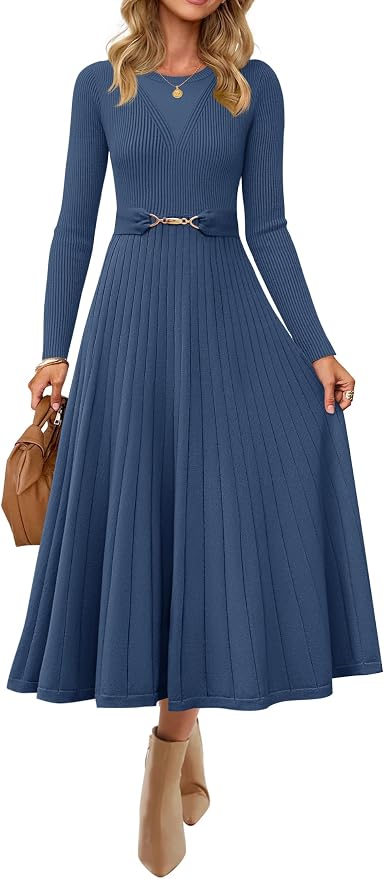
Most restaurants have coat racks or cloakrooms. Bring a nicer layer to change into once you’re in, and take off your trekking jacket without a second thought.
Local tip: Oslo is expensive and dinner reservations fill quickly in December. Book ahead and wear something warm enough for the walk home. A grumpy, frozen dinner companion is nobody’s idea of festive.
11. Bags: Crossbody and a Small Daypack
You’ll be carrying gloves, layers, a power bank, a water bottle and maybe a paperback. A tiny fashion handbag won’t hold it all, and a big hiking pack looks out of place in town.
My go-to is a small waterproof backpack (around 15-20 litres) for daytime and a zippered crossbody bag for evenings. Look for one with a secure front pocket for your phone and cards, because you’ll want to reach for them without removing gloves.

For the airport, a cabin-size carry-on with wheels or a sturdy duffel is perfect. Winter clothes are bulky, so choose a case with a little extra space, and don’t overpack.

Local tip: Norway is almost entirely card or phone-pay, even for coffee. Keep your card somewhere easy so you’re not stripping off gloves at every counter.
12. Fabrics: Choose These, Avoid Those
Wool, merino, down and Gore-Tex-style waterproof membranes are your best friends. They keep heat in, wick moisture away and handle wet conditions better than anything else.
Avoid cotton (cold when damp), cheap polyester fleece with no wind protection, and leather gloves without lining. Faux fur linings are fine, but they can’t replace proper insulation.
If you’re unsure, check the label. Anything labelled “wool blend” with at least 50% natural fibre is a safe bet.
Local tip: Hotel rooms often have radiators perfect for drying gloves and socks overnight. Hang them there, not on the window ledge.
13. Accessories That Make a Simple Outfit Look Intentional
When everything you wear is dark and practical, the little things do the talking. A good scarf, a statement beanie colour, or a pair of simple earrings pulls an outfit together instantly.
I like a deep red or mustard scarf against a black coat. It photographs beautifully against the snow and brightens up those short grey days.

For the darkness, add a reflective strip or small clip-on light to your bag. Norwegians do this religiously, and it’s both a safety feature and a subtle local tell.

Local tip: A thin pair of sunglasses is surprisingly useful. Low winter sun reflecting off snow is blinding.
14. Non-Clothing Essentials for Oslo in December
A few things that aren’t clothes but make a big difference. Lip balm and thick hand cream (the cold air is incredibly drying), a reusable insulated bottle for hot drinks, hand warmers for long outdoor stretches, and a power bank, since cold drains phone batteries fast.
If you’re planning a fjord sauna and a dip (and you should consider it), pack a quick-dry swimsuit, a small towel and a pair of flip-flops or sandals. Bring a woolly hat to wear in the cold between sauna and water. Locals do, and it’s one of the funniest, most Norwegian sights going.

Local tip: Hot drinks in a flask beat any café queue. Fill up at the hotel before heading out.
15. Rain and Slush Prep (Yes, in December)
Not every day is snowy. Some are drizzly, grey and slushy, and that’s when waterproofing matters most.
Pack a packable waterproof shell to throw over your sweater when the coat is too warm but the weather turns. A waterproof bag cover or dry bag protects electronics, and waterproof boots (see above) are non-negotiable.

Umbrellas are surprisingly useless in Oslo’s wind. A good hood does a better job.
Local tip: Locals rarely carry umbrellas in winter. Hoods rule.
16. Churches and Dress Codes
Good news: Norway is relaxed. There’s no strict dress code at churches like Oslo Cathedral, but be respectful. Remove your hat when you step inside, keep your voice down and avoid anything overly casual, like beachwear.
Layers help here too. Churches can be chilly, so a warm sweater under your coat is welcome. Christmas concerts are popular in December, and it’s worth dressing a notch up if you attend one.
Local tip: Concert tickets sell out early. Smart casual with a good scarf works perfectly.
Practical Packing: How Much Do You Actually Need?
For a 4-5 day trip, plan around 5 tops, 2-3 bottoms, 2 sweaters, 1 coat, 1 pair of boots, 5 pairs of socks and a small set of accessories. The aim is a mix-and-match capsule in a tight colour palette (black, grey, navy, plus one accent), so everything goes with everything.
Outfit planning tip: Lay out your outfits at home. If a piece can’t make at least three combinations, it stays behind.
Mistakes to avoid: overpacking bulky items (wear your heaviest layers on the plane to save space), forgetting spare gloves, packing only one pair of shoes and skipping a proper hat. And please, don’t bring a stylish coat that fails the wind test.
Packing light vs overpacking: Oslo has excellent laundry options and hotels often have drying space. Pack for a week and wash, rather than carrying two weeks of bulk.
FAQs About the Oslo December Packing List
How cold does Oslo get in December? Typically between -5°C and 1°C, though cold snaps can reach -15°C. Always check the forecast a few days before you fly.
Do I need snow boots? Waterproof winter boots with good grip are strongly recommended. Ice is the biggest hazard.
Can I wear jeans in Oslo in winter? Yes, with a merino base layer underneath. For long outdoor days, choose lined or wool-blend trousers.
Do I need to dress up for dinner? Not really. Smart casual is the norm, so a nice sweater and dark trousers or a knit dress are plenty.
Is it worth bringing a swimsuit? If you fancy a fjord sauna, yes. It’s one of the most memorable things you can do in the city.
Go, Pack Light, and Enjoy the Dark
Here’s what I wish someone had told me before my first Oslo winter: the cold isn’t the problem. Being unprepared for it is. Once your feet are dry, your neck is wrapped and your layers are doing their job, December here is magic. Steam rising off the fjord, lamps glowing in the four o’clock dusk, a hot chocolate that feels like a reward for existing.
So pack the boots, wrap up warm, and walk out into it with your chin up. You’ll look like yo

