

Let me be honest — the first time I went to Paris in December, I packed like I was heading to a ski chalet. Big puffer, thick scarf, two pairs of gloves. What I actually needed was something warm enough for standing still at a Christmas market for twenty minutes, but light enough to peel off the second I stepped into an overheated café or metro carriage.
Paris in December is grey, glittering, and a little bit damp. The light fades by 5pm, the Champs-Élysées lights up like something out of a film, and every café window fogs up with the warmth of people escaping the cold. It’s genuinely one of my favourite times to be there — but it punishes bad packing decisions fast.
This surprised me too: the cold isn’t the hard part. It’s the layering. Paris weather swings between “bitterly damp outside” and “why is this restaurant basically a sauna” within the same hour, and most tourists pack for one extreme and suffer through the other.
Before We Dive In
Weather: December in Paris usually sits between 3–8°C (37–46°F), and it feels colder than the number suggests because of the damp air off the Seine. Actual snow is rare — what you’ll mostly get is grey skies, drizzle, and a biting wind that cuts through anything less than wool.
Walking conditions: You will walk far more than you think, and a lot of it is on uneven pavement, cobbled side streets in Montmartre, and stairs — endless metro stairs, with no guarantee of an escalator. Cute boots that aren’t built for actual walking will wreck your trip by day two.
Style culture: Parisians dress up for winter, not down. You won’t see many puffer jackets on the boulevards — you’ll see wool coats, leather gloves, and scarves tied with more intention than most of us put into a whole outfit. This matters less for “fitting in” and more because the pieces that read as chic here — coats, boots, knitwear — are also just the warmest, most practical option. Function and style overlap more in Paris than almost anywhere else I’ve packed for.
Start With the Right Bag
Before we even get to clothes — how you’re carrying them matters, because December Paris means bulkier layers taking up more suitcase space than you’re used to.
A mid-size soft-sided duffle or a 4-wheel carry-on with real expansion room earns its keep here. You’re packing coats, boots, and knitwear instead of summer dresses, so the “just squeeze it in” approach that works for a June trip won’t work in December. I’ve made the mistake of bringing a rigid, tightly-packed hard-shell case on a winter trip and spending my first night in Paris sitting on the lid trying to force it shut.

Go for something with a bit of give, a separate shoe compartment if you can, and wheels that can handle the uneven pavement outside most Parisian apartment buildings — cobblestones are not kind to tiny plastic wheels.
Local tip: if you’re staying somewhere with a walk-up (very common in older Haussmannian buildings), pack lighter than you think you need to. Four flights of stairs with a fully-loaded case is a humbling experience.
The Coat Does 80% of the Work
Here’s the thing nobody tells you: in Paris in December, your coat isn’t one item in your outfit — it basically is your outfit for most of the day.
A proper wool or wool-blend coat, ideally knee-length or longer, is the single most important thing you’ll pack. It needs to be warm enough to stand outside a bakery queue in December wind, but structured enough that it still looks intentional over jeans or a dress.

I used to think a puffer would be the smarter, more practical choice — and functionally it is warmer per gram — but a well-cut wool coat layers better over knitwear and doesn’t leave you looking like you’re dressed for a hike through the Tuileries rather than a walk through it.
If you run cold, look for a coat with a bit of room built in — enough to fit a chunky sweater underneath without it looking bulky from the outside.
Local tip: camel, charcoal, and navy coats are everywhere in December Paris for a reason — they hide the inevitable rain spots and don’t show wear the way pale colours do after a week of daily use.
Layers Over Bulk
This is where most people overpack: they bring three heavy jumpers instead of thin base layers, and end up either sweating on the metro or freezing the second they step outside.
A couple of merino wool or thermal long-sleeve tops, worn under a shirt or knit, do more for your comfort than any single heavy piece. They’re thin enough to fit under a fitted coat, they regulate temperature far better than cotton, and they don’t add bulk to your silhouette — which matters when you’re already wearing a coat, scarf, and gloves on top.

The other advantage: thin layers pack down to almost nothing, which matters a lot once your suitcase is already carrying boots and a coat.
Local tip: pack at least one long-sleeve layer in black or a neutral so it can double as a top on its own for a warmer indoor day, not just a hidden base layer.
Sweaters Worth Packing
A hook that surprised me on my first winter trip: the chunkiest sweater in my suitcase got worn the least, because it didn’t fit under my coat.
Medium-weight knits — turtlenecks, crewnecks, a couple of half-zips — do more work than one enormous cable-knit jumper.

A turtleneck in particular is doing double duty here: it keeps your neck warm without you needing to wear a scarf indoors, and it looks polished tucked into trousers or a skirt for dinner.

I’d rather pack three medium knits I can mix with different bottoms than one statement sweater I can only wear once before it’s obviously “the same outfit.”
Stick to two or three colours you can genuinely mix — cream, black, and one deeper tone like burgundy or forest green works for basically every outfit combination you’ll need over a week.
Local tip: a fine merino turtleneck under your coat, no scarf, is a very Parisian way to stay warm without looking overdressed.
Jeans, Trousers, and What Actually Holds Up in the Cold
Jeans are fine in Paris in December — I wore them most days — but not on their own, and not any old pair.

A slightly heavier denim, or jeans lined with a thermal layer underneath, handle the damp cold far better than lightweight summer denim, which honestly does nothing once the wind picks up.

Tailored wool trousers are the other option, and I’d actually pack more of these than you’d think — they layer well with tights underneath on colder days, look sharp for dinner, and don’t get that “wet dog” heaviness jeans can get if you’re caught in drizzle.

For an evening outfit, wool trousers with a fitted knit and boots reads far more put-together than jeans dressed up with jewellery — and it’s warmer, which matters when your evening includes a ten-minute walk to the restaurant.
Local tip: thin thermal leggings under trousers are a genuine game-changer and completely invisible under wide-leg or straight cuts.
Boots That Won’t Betray You on Cobblestones
I learned this the hard way: cute ankle boots with a smooth sole and zero grip are basically ice skates on wet cobblestones.
You want a proper walking boot — ankle-height, closed toe, with actual tread, ideally water-resistant. Leather or a leather-look material handles Parisian drizzle far better than suede, which will show water marks within a single rainy afternoon.

I’d pack one pair of these for daily wear and, if there’s room, a slightly dressier flat boot or loafer for dinners — but genuinely, if you can only bring one pair, bring the one that can also survive an evening out. Nobody at a Paris bistro is checking if your boots are “day boots.”

Heels are a hard no for daily wear here — not because of any style rule, but because cobblestones and heels are a genuinely dangerous combination, especially in the rain.
Local tip: break in your boots before you leave. Paris in December is not the place to discover a blister on day one of a week-long trip.
What NOT to Wear in Paris in December
A few honest, slightly opinionated notes here, because I’ve made most of these mistakes myself.
Skip the giant, floor-length puffer coat — it’s warm, sure, but it reads as ski-wear rather than city-wear, and it’s genuinely impractical the second you sit down in a small café or squeeze onto the metro at rush hour.
Skip fashion sneakers with a flat, worn-down sole; they have no grip on wet stone and no insulation against the cold coming up from the ground. And skip sheer or thin tights as your only layer under a skirt — I did this once and regretted every single outdoor minute of that day.
Athleisure in general gets side-eyes here, not because Parisians are judging your leggings, but because it’s simply not warm enough for the actual conditions.
Local tip: if you wouldn’t wear it standing still outdoors for fifteen minutes, don’t plan on wearing it in December Paris — you’ll be doing a lot more standing around than you expect, at markets, bus stops, and photo spots.
Scarves and the Accessories That Earn Their Space
A scarf in Paris in December isn’t an accessory — it’s basic infrastructure.
A large wool or cashmere-blend scarf does more for your warmth than an extra layer underneath your coat, because so much of your body heat escapes through your neck.

I’d pack two: one neutral that goes with everything, and one with a bit of pattern or colour to break up a week of mostly dark coats and knits.
Beyond the scarf, a solid pair of leather (or leather-look) gloves and a beanie or wool hat round things out — and honestly, a good hat does more for comfort on a genuinely cold day than most people give it credit for.

Keep jewellery minimal during the day — it’s mostly hidden under layers anyway — and save anything statement-worthy for evenings when your coat comes off.
Local tip: a scarf that can be worn multiple ways (draped, looped, as a light wrap indoors) earns its suitcase space far more than one that only does one job.
Bags for the Day: Crossbody vs Backpack
This one’s practical rather than purely aesthetic: a crossbody bag worn in front, not slung to the side, is genuinely the safer and more comfortable option for a Paris day out.

It keeps your hands free for holding a coffee or gripping the metro pole, sits close enough to your body that it’s hard to pickpocket, and doesn’t dig into your shoulder the way a heavy tote does after a full day of walking.

Backpacks are fine too, especially if you’re carrying a camera or extra layers, but keep it worn on your front on crowded metro lines — line 1 and line 4 at rush hour are notorious for exactly the kind of crowd where bags get lifted.
Either way, look for something with a zip closure rather than an open top. December means gloved hands are fumbling in and out of bags constantly, and a secure closure saves you from dropping your metro card in the slush.
Local tip: a small cross-body with an interior zip pocket specifically for your phone and cards is worth more than any amount of exterior styling.
Evening Outfits for Paris Dinners
Dinner in Paris deserves slightly more effort than “the same daytime outfit minus the coat” — but it doesn’t need to be complicated.

Swap your daytime jeans or trousers for a slightly dressier pair, add a silk or satin top under your knit or blazer, and switch your walking boots for a sleeker flat boot or loafer.

A midi dress with opaque tights and boots works beautifully too, especially with a longline cardigan or blazer layered over it for the walk there and back. The goal isn’t a full outfit change — it’s swapping two or three pieces to shift the whole look from “sightseeing” to “dinner.”

I’d genuinely skip heels even for evenings unless you’re taking a taxi door-to-door — the walk to most bistros involves at least a few minutes on uneven pavement in low light.

Local tip: a blazer worn over a turtleneck, with wool trousers and boots, is a reliable go-to for dinner that photographs well and keeps you warm on the walk over.
Dressing for Churches and Chilly Museums
Notre-Dame, Sacré-Cœur, and most churches in Paris expect shoulders covered and nothing too short — and honestly, in December, you’ll want the coverage anyway.
A turtleneck or long-sleeve top under your coat solves this automatically, so it’s rarely an issue unless you’re wearing a low-cut evening top earlier in the day and heading straight to a church visit.

Museums are the other thing worth planning for: many are genuinely cold in the entrance halls and stairwells but warm in the main galleries, so a coat that’s easy to carry once removed matters more here than in almost any other setting.
Local tip: if you’re visiting the Musée d’Orsay or the Louvre, wear boots you can comfortably stand in for hours — you’ll be on your feet far longer than the walk there suggests, and cloakroom queues for coats can be long during December’s high-tourist weeks.
Rain, Wind, and the Umbrella You Actually Need
December rain in Paris is rarely dramatic — it’s more of a persistent, fine drizzle that soaks through anything not genuinely water-resistant.
A compact umbrella is worth packing, but the wind off the Seine and around open squares like Place de la Concorde will destroy a flimsy one within a single gust — spend a little more on one rated for wind resistance, or accept you might buy a replacement from a street vendor at some point (it happens to almost everyone eventually).
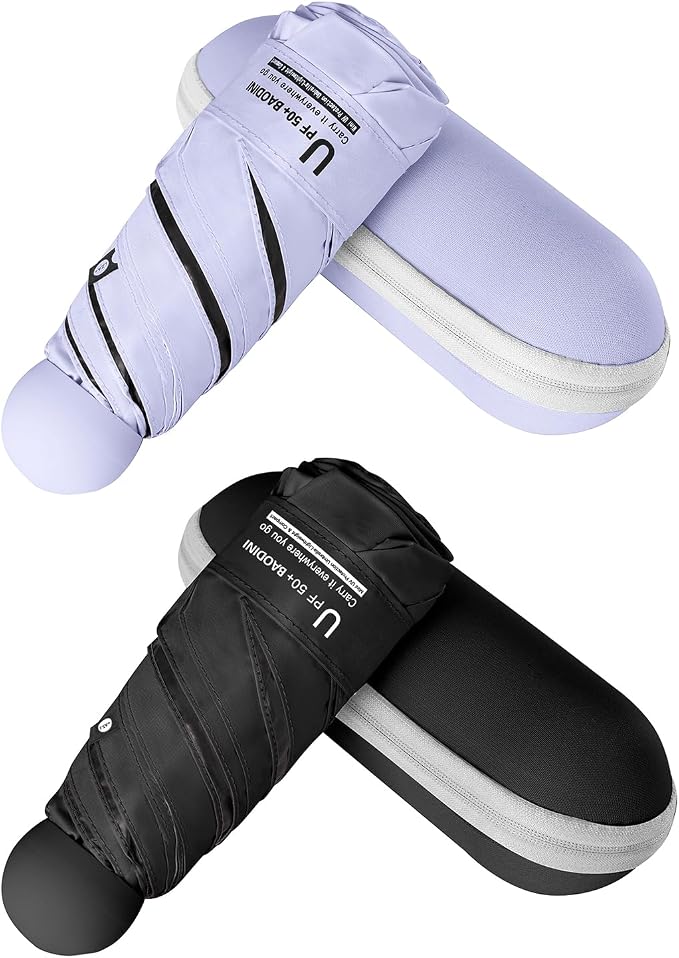
A water-resistant coat finish matters more than the umbrella most days, since you’ll often be walking with your hands full of coffee, a map, or shopping bags rather than holding an umbrella the whole time.

Local tip: tuck a small packable rain shell in your bag on days with markets or outdoor plans — it takes up almost no space and saves your coat from a full soaking.
Fabrics to Pack (and the Ones to Leave Home)
Wool, wool blends, and merino do almost all the heavy lifting in a December Paris wardrobe — they insulate even when slightly damp, which cotton simply doesn’t.
Leather or faux leather boots and bags handle drizzle far better than suede or canvas, both of which show water damage fast and dry slowly. Skip pure cotton as an outer layer entirely — a cotton jacket or thin cotton jumper offers almost no real insulation against December wind, and it takes forever to dry if it gets wet. Silk works well as a light, warm base layer under sweaters if you run cold, and it packs down to almost nothing, which is a nice bonus when your suitcase is already full of wool.
Local tip: touch-test fabric quality before you buy travel pieces — a genuinely warm wool coat should feel dense and slightly heavy in your hands, not light and airy.
A Simple December Capsule Wardrobe for Paris
If I were rebuilding my suitcase from scratch for a week in Paris this December, here’s roughly what would go in it: one wool coat, two medium-weight knits, one turtleneck, two thermal base layers, one pair of jeans, one pair of wool trousers, one midi dress, one blazer, one pair of walking boots, one pair of dressier flat boots, a scarf, gloves, and a beanie.
That’s roughly eleven core pieces that mix into well over a dozen different outfit combinations across a week — daytime sightseeing, market evenings, and one or two proper dinners out. The trick isn’t packing more; it’s making sure everything you bring can be worn at least two or three different ways.
If you’ve built a capsule wardrobe for other European winter trips before, the same logic applies here — Paris just asks for slightly more polish in the details than most other cities.
The Practical Packing Bit
For a week in Paris in December, I’d pack around five to six tops, two to three bottoms, one coat, two pairs of shoes, and enough accessories to genuinely mix and rotate — not one outfit per day. Overpacking for cold-weather trips is incredibly easy to do, because every item feels “necessary,” but bulky knitwear takes up far more suitcase space than the equivalent summer wardrobe, so ruthless editing matters more here than in warmer months.
Lay outfits out before you pack, not after — I always find at least one gap (usually a missing warm layer for evenings) when I do this, and it’s much easier to fix at home than in a hotel room. The biggest mistake
I still catch myself making is packing “just in case” pieces that never leave the suitcase — an extra dressy outfit for an occasion that doesn’t happen, or a third coat “in case it’s colder than expected.” Trust the forecast, pack for the trip you’re actually taking, and leave a little extra room for the inevitable market souvenirs.
Paris in December has a way of making even a simple walk to get bread feel a little bit cinematic — string lights overhead, cold air, the smell of roasted chestnuts drifting from a market stall. Get your layers right, get a coat you actually love, and the rest of your trip takes care of itself. You’ll spend far less time thinking about being cold, and a lot more time just being there.

