
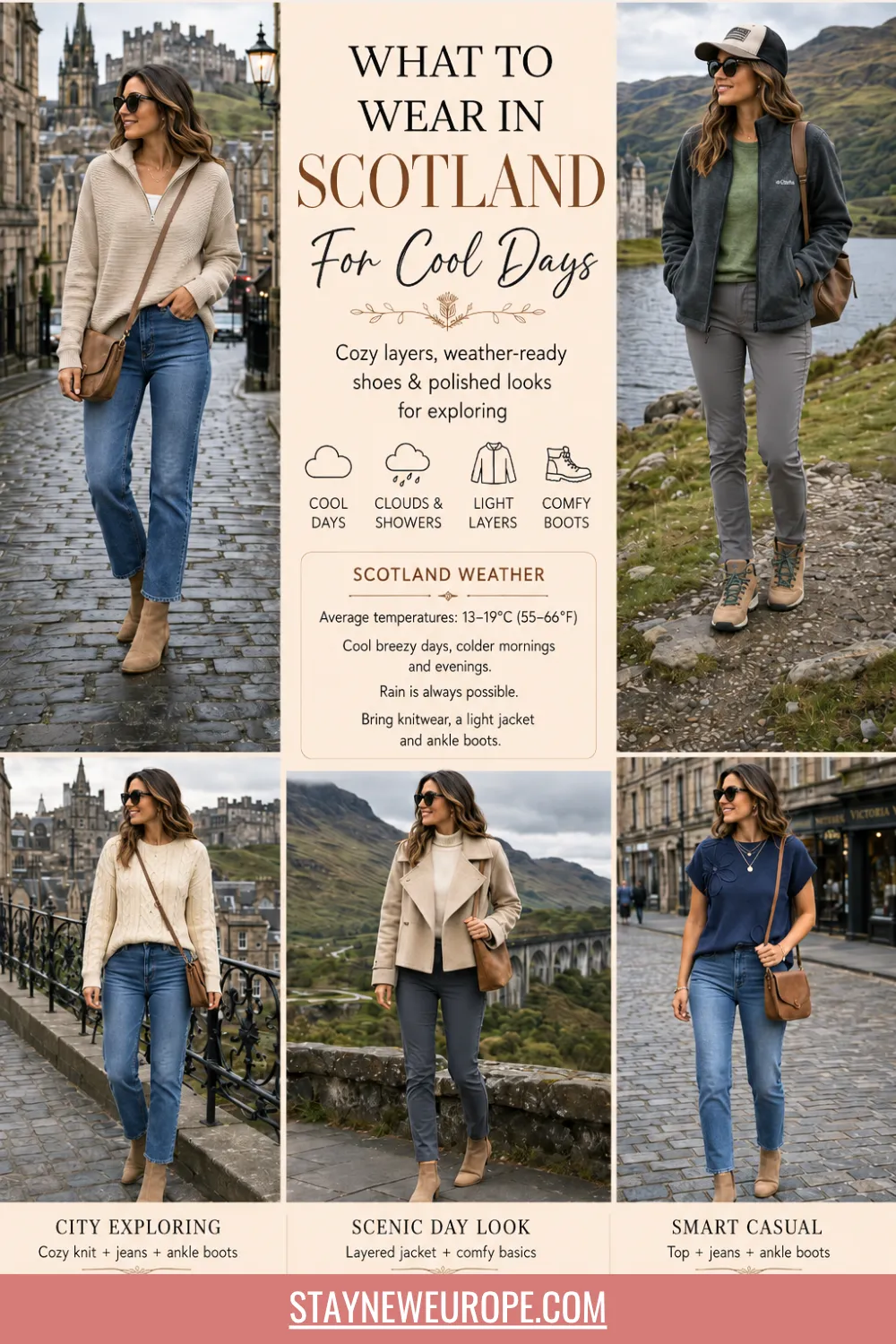
Scotland in August is the country at its most generous — long daylight, the Highland Games in full swing, the Edinburgh Fringe taking over every close and courtyard, and a kind of soft green light that makes even a car park look cinematic. It’s also the month when tourists most reliably get it wrong, because “summer” in their head and “summer” in Scotland are two very different concepts.
I’ve watched people step off the train at Waverley in shorts and flip-flops, glance up at a sky that’s gone from blue to bruised in twenty minutes, and spend the rest of the day buying overpriced ponchos from a tourist shop on the Royal Mile. Let me save you that fifteen quid and the soggy socks.
This isn’t a “pack for sunshine and hope” guide. It’s what actually works when a single August afternoon in Edinburgh or Skye can throw four kinds of weather at you before dinner.
Before We Dive In: What August in Scotland Actually Feels Like
Let’s get the romantic notion out of the way first: August is “summer” in Scotland, but it’s summer with an asterisk.
Temperature: Most days sit somewhere between 13–19°C (55–66°F), occasionally creeping up to a genuinely warm 22°C if you’re lucky and inland. Evenings drop fast — a balmy 18°C afternoon can feel like 10°C by 9pm, especially with any wind off the water.
Rain: It will rain. Not necessarily all day, not necessarily every day, but somewhere in your trip, water is coming sideways at you. Scotland doesn’t really do gentle drizzle on its own terms — it does sun, then cloud, then a burst of rain, then sun again, often within the hour.
Walking conditions: Edinburgh’s Old Town is steep cobbles and closes (those narrow alleyways) that get genuinely slick when wet. The Highlands add uneven trails, boggy ground, and the kind of terrain where “cute boots” and “good boots” are not the same category.
Style culture: Scots dress practically but not sloppily — think well-made knitwear, good boots, a proper coat, layered without looking like you’re heading up a Munro when you’re actually heading to a pub. There’s a quiet confidence to it that has nothing to do with logos.
Layering: The Only Strategy That Actually Works Here
Here’s the thing nobody tells you before your first Scottish trip — you’re not packing for one season, you’re packing for four, in the span of a single Tuesday.
A single thick jumper or one “warm enough” jacket is the wrong instinct.
What you want instead is-– a stack of thinner layers you can add and strip as the day shifts around you. Think a breathable base layer, a mid layer with some insulation, and a weatherproof outer shell — each one doing a specific job rather than one heavy piece trying to do all three badly.

Outfit idea: Lightweight long-sleeve top + light knit jumper + packable waterproof shell, with the shell tied around your bag the moment the sun comes back out.

Local tip: Locals genuinely check the sky every twenty minutes here, not out of anxiety but habit. Get into that rhythm yourself and you’ll dress far better than anyone relying on a weather app’s “daily forecast.”
A Proper Waterproof Jacket (Not a Fashion Raincoat)
This surprised me on my first trip — I’d brought a stylish trench that looked perfect for Paris and was completely useless within an hour of arriving in Glasgow.
A genuinely waterproof, breathable jacket is non-negotiable in Scotland in August. Not water-resistant, not “shower-proof,” actually waterproof, with taped seams if you can manage it. The Highlands and the west coast in particular don’t mess about — a passing shower there can be heavier than anything you’d call rain back home.

Outfit idea: A packable waterproof shell over a jumper and jeans works for almost every August day here, dressy enough for casual dinners and practical enough for a windy castle visit.
Local tip: Buy or bring one in a colour you don’t mind wearing constantly — you’ll likely have it on or in your bag for most of the trip, so this isn’t a “just in case” item, it’s basically part of your daily outfit.
Knitwear: Scotland’s Actual National Dress Code
Scottish wool exists for a reason, and that reason is this exact climate.
A good wool or merino jumper is warmer for its weight than almost anything synthetic, breathes well so you don’t overheat indoors, and somehow always looks appropriate — at a distillery tour, a nice restaurant, or wandering Princes Street Gardens. If you’re going to splurge on one clothing item for this trip, make it a proper jumper rather than another t-shirt you won’t actually wear.

Outfit idea: Cream or oatmeal merino jumper + dark jeans + ankle boots — endlessly repeatable and never looks like you’re wearing the same thing twice if you swap the scarf or jacket on top.

Local tip: If you’re near a Highland town or even Edinburgh’s Old Town, skip the mass-produced tartan scarves aimed squarely at tourists and look for a small mill or independent knitwear shop instead — the quality difference is obvious within a season of wear.
Jeans vs Trousers (And Why Cotton Chinos Are a Trap)
Unlike a lot of European summer destinations where lightweight cotton or linen rules, Scotland in August rewards slightly heavier, sturdier fabric.
Jeans genuinely work here — they’re durable, dry reasonably fast compared to some alternatives, and suit the casual-but-considered Scottish aesthetic.

What doesn’t work as well: thin cotton chinos that look great dry and turn cold and clammy the moment they get even slightly damp, which, given the rain situation, happens more often than you’d think.

Outfit idea: Dark wash jeans + waterproof boots + jumper + shell jacket is basically the unofficial uniform of half of Edinburgh in August, locals and confident visitors alike.
Local tip: If you do want trousers instead of jeans, look for a wool-blend or technical fabric rather than pure cotton — it handles the damp far better.
Footwear: The Decision That Determines Your Whole Trip
I learned this one the hard way on a “quick” walk up Arthur’s Seat in canvas trainers — slick wet rock and smooth soles are not friends, and I spent the descent moving sideways like a crab.

For city walking: a pair of comfortable, water-resistant boots or trainers with real tread is the move — Edinburgh’s cobbles get genuinely slippery in rain, and you’ll be covering more ground than you expect. If your trip includes any Highland walks, lochside paths, or even a casual hike, proper waterproof walking boots aren’t optional extras, they’re the actual point of the packing list.

Outfit idea: Waterproof leather boots + thick socks for daytime exploring, with a slightly smarter pair of ankle boots in the bag for evenings out.
Local tip: Break in any new boots before you arrive — Scotland is not the place to discover a blister on day one of a multi-day itinerary.
What NOT to Wear: The Honest Tourist Mistake List
Let me be direct about this, because I’ve watched it go wrong too many times to stay polite.
Shorts and t-shirts as your default daytime outfit, on the assumption August automatically means heat — you’ll be cold by 4pm, guaranteed.
Flimsy umbrellas. Scottish wind turns them inside out within minutes; a hood on a proper jacket beats an umbrella nine times out of ten.
Brand-new, unbroken-in hiking boots straight out of the box for a big walking day — your feet will hate you.
Full tartan-head-to-toe outfits bought from the first souvenir shop you see. Lovely as a single accessory, costume-like as an entire look.
Cotton-only layers with nothing waterproof in the bag “just in case” — in Scotland, the case always comes up.
Local tip: Locals can spot a first-time visitor from the footwear alone — if you want to blend in a little more, invest in the boots before the cute jumper.
Evening Outfits: Pubs, Whisky Bars, and the Fringe
Scottish evenings, especially in Edinburgh during August’s festival season, have a relaxed but put-together energy.
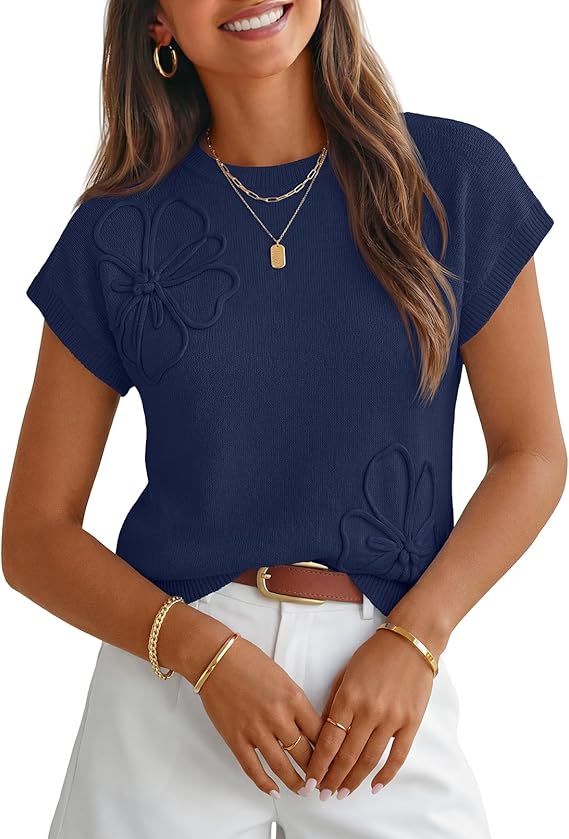
You don’t need anything formal for most pubs and casual restaurants, but a slightly smarter top, a good coat, and decent boots elevate things considerably for whisky bars or a proper dinner reservation. Layering still matters after dark — temperatures drop noticeably once the sun goes, even mid-festival when the streets are still buzzing.

Outfit idea: Dark jeans + a smart blouse or shirt + wool coat + ankle boots covers practically every evening scenario from a casual pub to a nicer restaurant.

Local tip: During the Fringe specifically, streets get genuinely packed and chaotic in the evenings — a smaller crossbody bag beats anything bulky if you’re navigating the Royal Mile after dark.
Bags: What to Carry Day-to-Day
A crossbody bag is ideal for city days — keeps your hands free, sits close to your body, and is secure on busy streets. For hiking days, a daypack (20–25 litres) carries everything you need: layers, water, snacks, and the inevitable extra fleece.

Avoid massive backpacks for city exploring. They’re cumbersome on narrow closes, annoying on public transport, and frankly exhausting to wear all day.

Local tip: A small dry bag or waterproof pouch inside your main bag keeps your phone, passport, and anything else rain-sensitive protected. Scotland will test this at some point.
Accessories That Actually Earn Their Place
A few well-chosen accessories do more real work here than almost anywhere else in Europe.
A warm scarf isn’t decorative in Scotland, it’s functional — wool or cashmere-blend if you can manage it, since it does double duty against both cold and wind.

A beanie or flat cap handles the wind on exposed viewpoints (Arthur’s Seat, Calton Hill, any Highland lookout) far better than your hair will manage alone.

Gloves feel slightly dramatic to pack for August, but a thin pair earns its space if you’re heading anywhere coastal or up in elevation.

Local tip: A flat cap reads as considerably more “local” than a baseball cap and does a genuinely better job blocking horizontal rain.
Rain Preparation: Because It’s Not “If,” It’s “When”
Most travel guides treat rain gear as an afterthought. In Scotland in August, it’s a core part of the packing list, not a backup plan.
Beyond the jacket itself, a small packable umbrella that can handle wind (the cheap dome kind will not survive) is worth the suitcase space, along with a dry bag or waterproof pouch for your phone if you’re doing any Highland day trips. Quick-dry fabrics throughout your wardrobe genuinely change how miserable or fine a rainy afternoon feels.

Local tip: Check the forecast the night before for your specific town, not just “Scotland” generally — weather varies wildly between the east coast, west coast, and Highlands on the same day.
Fabrics: What Works, What Doesn’t, What You’ll Regret
The fabric choices matter more here than in most European summer destinations.
The heroes: Merino wool — warm even when slightly damp, doesn’t hold odour, genuinely versatile across temperature swings. Technical waterproof shells — do their one job extremely well. Quick-dry synthetics for base layers, especially if you’re doing any walking.
The villains: Pure cotton, particularly for anything worn as an outer layer — it gets cold and heavy when wet and takes ages to dry. Thin linen, lovely for Mediterranean Europe, genuinely impractical here in anything but a brief warm spell.
Local tip: If you’re unsure about a fabric, the “stays warm when damp” test is the one that matters in Scotland — cotton fails it, wool passes it.
The Capsule Wardrobe: What I’d Actually Pack
Here’s the honest, tested list for around seven days in Scotland in August.
Tops: 3–4 long-sleeve base layers, 2 wool or merino jumpers, 1 slightly smarter top for evenings.
Bottoms: 2 pairs of jeans or wool-blend trousers, 1 pair of leggings for travel days or layering.
Outerwear: 1 genuinely waterproof jacket, 1 light cardigan or fleece for indoor layering.
Footwear: 1 pair waterproof boots, 1 pair smarter ankle boots or shoes for evenings.
Accessories: 1 warm scarf, 1 beanie or flat cap, a small packable umbrella, thin gloves.
Seven days, one medium suitcase, everything interchangeable, nothing dead weight.
Practical Packing Notes: The Honest Version
How many outfits do you actually need? Far fewer than you’d think if every piece layers with everything else — three to four base outfits you rotate and re-layer covers most trips.
Packing light vs overpacking: Scotland’s cobbles and hills punish a heavy suitcase the same way Spain’s do, so resist the urge to pack a separate outfit for every possible weather scenario — layering solves that problem more efficiently than volume does.
The mistake almost everyone makes: Treating “August” as a guarantee of summer weather and packing accordingly, then being caught out by the first proper Highland shower. Pack for changeable weather, not for the season’s name on the calendar.
A Final Word Before You Go
Scotland in August has a kind of magic that’s hard to explain until you’ve stood on Calton Hill watching the light change four times in an hour, or ducked into a tiny pub mid-downpour and ended up staying for two hours because the music was too good to leave.
Getting your packing right here isn’t about looking flawless in photos — it’s about being warm enough, dry enough, and comfortable enough that you can actually be present for all of it: the Fringe crowds, the Highland views, the unexpected sunshine that makes everyone genuinely happy when it shows up. Layer smart, keep your feet dry, and the rest of the trip takes care of itself.
Pack the proper jacket, bring the good boots, and let Scotland do the rest.

