
Let me be upfront with you: July in Scotland is not what the brochures suggest. You won’t spend your days striding across sun-drenched heather in a linen dress with your hair blowing elegantly in a warm breeze. Well — you might get one afternoon like that. And it’ll be glorious. But the other days? You’ll be pulling a rain jacket out of your bag while someone next to you is still in a t-shirt, absolutely refusing to accept what’s happening meteorologically.
I’ve walked the Royal Mile in a downpour, shivered on the Isle of Skye in what was technically midsummer, and yes, also sweated through a hike in the Cairngorms when Scotland decided to show off its rare summer heat. The point is: Scottish July weather is a full personality. You don’t fight it. You dress for it.
This guide is for anyone who’s stared at an empty suitcase wondering what on earth to pack for a country where you can experience unpredictable weather like Iceland before lunch. I’ve made the mistakes so you don’t have to.
Before We Dive In: What Scotland in July Is Actually Like
The Weather (Honest Edition)
July is Scotland’s warmest month, which sounds more reassuring than it is. Temperatures in Edinburgh and Glasgow hover between 12°C and 19°C (54°F–66°F), unlike London’s milder summer weather, occasionally nudging into the low 20s on a good day. Head north to Inverness or out to the Highlands and islands, and you can knock a few degrees off that. Rain is a near-daily reality — not necessarily all-day torrential rain, but showers that appear without warning and disappear just as fast.
The wind is the thing people consistently underestimate. Even on a clear, sunny July day, a stiff breeze can make it feel significantly colder, especially at altitude, on coastal paths, or crossing any exposed moorland. Humidity is moderate, which at least means you won’t feel sticky — small mercies.
The Terrain
Scotland demands proper walking. Edinburgh’s Old Town is a maze of cobblestones, steep closes, and uneven stone steps. The Highlands mean trails that range from well-maintained to “you’re essentially bushwhacking now.” Skye’s Quiraing makes your ankles work for it. Even a casual afternoon in Stirling involves more uphill than you’d expect. Whatever you pack needs to function on foot, comfortably, for hours.
The Style Culture
Scotland isn’t Italy — nobody’s going to side-eye your trainers. But particularly in Edinburgh, there’s a quiet, understated style confidence. People dress practically but not sloppily. A well-chosen layering outfit looks effortlessly appropriate everywhere from a castle visit to a nice dinner. Think: put-together, not overdressed; comfortable, not sloppy.
Lightweight Layers Are Your Entire Strategy
Here’s the truth that took me an embarrassingly long time to learn: in Scotland, it’s not about packing warm clothes or cool clothes. It’s about packing things that work in combination.
A July afternoon in the Cairngorms might start at 10°C when you set off, climb to a genuinely pleasant 17°C by midday, then drop again when cloud rolls in. If you’ve packed one heavy fleece and one thin t-shirt, you’re either too hot or too cold the entire time. But a base layer, a mid-layer, and a lightweight outer shell? You’re untouchable.
Think of every outfit as a system rather than a single garment. A breathable long-sleeve top with a light zip-up fleece over it and a packable jacket in your bag covers an enormous temperature range. This is the Scottish traveller’s equivalent of a capsule wardrobe, and once you embrace it, packing becomes much more logical.
Local tip: Merino wool is worth every penny here. A merino base layer regulates temperature better than almost anything synthetic, doesn’t hold odour, and looks neat enough to wear to dinner. Pack two and rotate.
T-Shirts and Tops: Yes, But Choose Wisely
You will need t-shirts. July absolutely has warm moments, and there’s nothing worse than being overdressed on a sunny afternoon walk through Glencoe when everyone else has shed their layers.
That said, skip anything too thin or cheap. Scotland’s wind has a way of cutting through flimsy cotton and making you feel underdressed even at 18°C. Go for slightly heavier cotton or cotton-modal blends — they feel more substantial and layer better under fleeces without bunching awkwardly.

Stick to neutral or muted tones if you’re thinking about versatility: navy, olive, stone, burgundy, grey. They photograph better against Scottish landscapes anyway (nothing fights with heather and granite quite like a neon top), and they mix and match without thought.

Local tip: Avoid white. Scotland’s paths are muddy, its rain is sideways, and its midges — those tiny, infuriating biting insects that appear in swarms in the western Highlands — have a mysterious tendency to congregate near people who look clean and optimistic.
The Great Jeans vs. Trousers Debate
Jeans are tempting because they feel normal. They look fine, they go with everything, and you probably already own a pair. Here’s the problem: wet denim is one of travel’s most miserable experiences. Jeans take forever to dry, they get heavy when damp, and walking in wet jeans for any distance will make you genuinely miserable.
If you love jeans too much to leave them at home, pack one pair and accept they’re for city days — Edinburgh’s cafés and bars, a day in Glasgow’s West End — when the forecast looks dry. For everything else, convert to walking trousers or lightweight chinos.

Walking trousers — the kind that are water-resistant, stretch in every direction, and dry in an hour — are genuinely transformative for Scottish travel. They look better than they sound (the days of purely utilitarian outdoor trousers are long gone), and you can wear them from a Highlands hike to a casual pub dinner without anyone blinking.

Local tip: If you’re planning any hike of more than a couple of hours, proper walking trousers are non-negotiable. Jeans on a wet, steep trail are a safety issue as much as a comfort one.
Dresses and Skirts: Absolutely, With One Condition
Dresses work brilliantly in Scotland — with the right accompaniments. A midi dress with chunky boots and a longline cardigan or light jacket is a genuinely excellent Edinburgh outfit. It’s comfortable for walking, looks intentional, and transitions from a morning at the National Museum to lunch in Stockbridge without any adjustment.
The condition is layering. A dress on its own, without anything to pull on when the temperature dips or the wind picks up, will leave you cold and exposed. Pack dresses that work with layers — wrap styles, jersey fabrics, and loose silhouettes all accommodate a cardigan or light jacket more naturally than anything too fitted or structured.

Midi and maxi lengths also beat mini dresses for practicality. They keep your legs warmer on exposed walks and feel more comfortable on uneven terrain.
Local tip: Tights or thin leggings underneath a dress are absolutely standard in Scotland year-round, including July. Don’t let anyone tell you it’s too warm for them — it probably isn’t.
Footwear: This Is Where Mistakes Get Expensive
Let me be direct: footwear is the most important packing decision you’ll make for Scotland.
If you’re doing any hiking — and you should, because the landscape is extraordinary — you need proper walking shoes or lightweight hiking boots. Not trainers. Not those hybrid fashion-trainer things. Actual footwear with ankle support, grip, and ideally some water resistance. Scotland’s paths are often wet, frequently rocky, and occasionally boggy in ways that only reveal themselves once you’re already in it.

For city days, you have more flexibility. A pair of clean, supportive trainers or casual leather shoes works well. Chelsea boots are popular and genuinely practical for Edinburgh’s cobbles. Sandals are fine on warm days but have a short window of usefulness — pack them only if you’re confident you’ll actually wear them.

The mistake I see constantly: people who pack beautiful but impractical shoes and then spend their entire Highland trip gingerly negotiating every puddle while clearly in pain. Don’t be that person. Your feet are carrying you through one of the most spectacular landscapes on earth. They deserve decent shoes.
Local tip: Waterproof shoes or boots are worth the investment. Damp socks make everything worse — they blister, they smell, and they turn what should be an incredible day into an endurance test.
The Rain Jacket: Your Most Important Purchase
If you pack nothing else on this list, pack a proper rain jacket. Not a light shower-resistant mac. A genuinely waterproof, packable rain jacket with a hood that actually covers your head.
Scotland’s rain doesn’t always announce itself politely. It can go from sunny to horizontal drizzle in under ten minutes. A good rain jacket scrunches into its own pocket, weighs almost nothing in your bag, and is the single item that separates a good Scottish day from a miserable one.
Look for something fully seam-sealed, with a hood you can adjust, in a fabric that breathes reasonably well (you’ll often be wearing it while walking). Bright colours are fine — easier to find in your bag. Muted ones blend better if aesthetics matter to you.

Local tip: Ponchos look appealing in theory and are genuinely useless in Scottish wind. Skip them entirely.
Fleeces and Mid-Layers: The Underrated Heroes
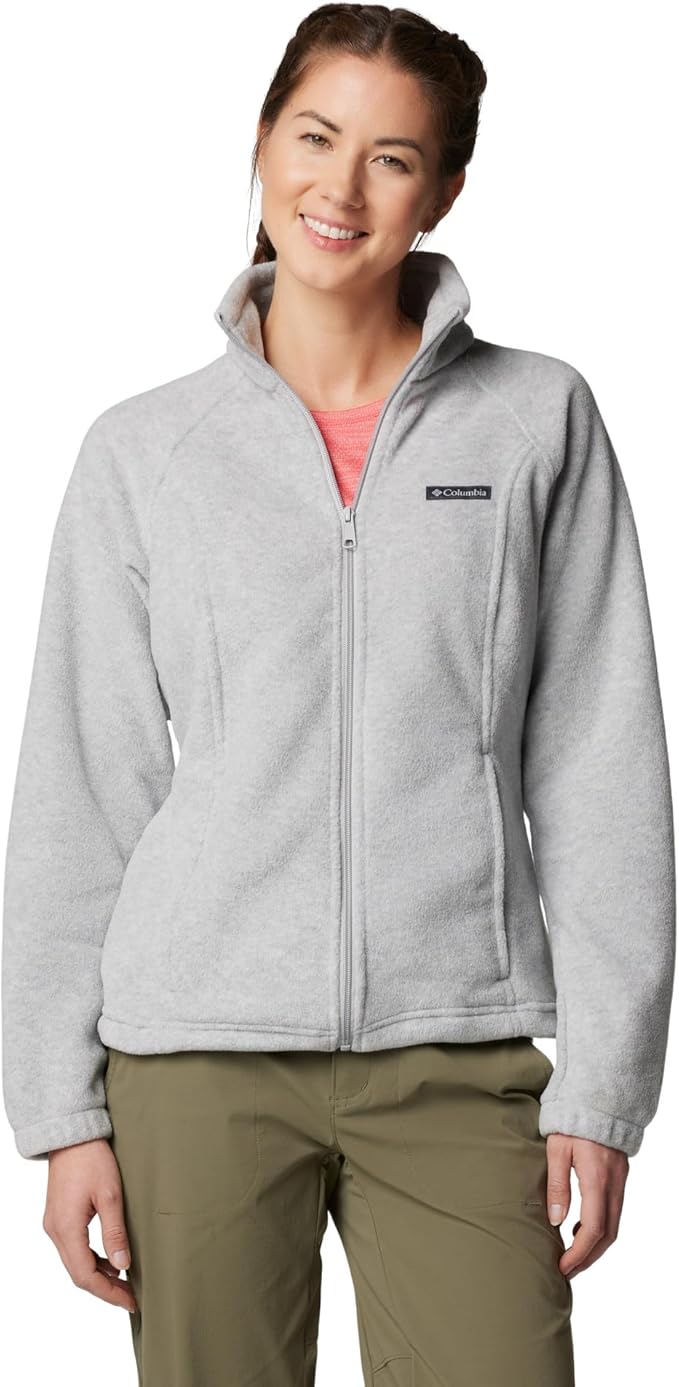
Nobody looks at a fleece and thinks “yes, this is a stylish travel choice.” And yet, a well-fitted fleece is one of the most versatile things you can pack for Scotland.
Worn over a base layer and under a rain jacket, it becomes part of a full cold-weather system. Worn alone on a cool, dry July evening with jeans or walking trousers, it looks completely appropriate — slightly outdoorsy in the way that suits Scottish surroundings. Lightweight down gilets do a similar job and feel a bit more urban if you’re spending more time in cities.
Pack at least one substantial mid-layer. You’ll use it constantly.
Local tip: Zip-up fleeces are more versatile than pullovers — you can vent them quickly when you warm up on a climb without having to take them off entirely.
What NOT to Wear (Tourist Mistakes, Kindly Explained)
High heels in Edinburgh’s Old Town. I understand the impulse — you’re going somewhere beautiful and you want to look good. But the cobblestones in the Royal Mile and the closes off it are genuinely treacherous in anything other than a flat sole. I’ve watched people try. It doesn’t go well.
Heavy denim jackets. They look great at home, they’re terrible in changeable weather. They don’t pack well, they don’t layer efficiently, and they’re useless when wet.
Thin cotton everything. A cotton hoodie, cotton trousers, cotton socks — in Scotland’s dampness, cotton holds moisture against your skin and takes ages to dry. Merino wool and synthetic fabrics breathe better and dry faster.
Overly formal outfits for highland walks. I’m not suggesting you rock up to a distillery tour in muddy hiking gear, but Scotland’s countryside demands practical clothing. Chinos and leather shoes on the Loch Ness trail will end in sorrow.
Local tip: Leave the umbrella at home. Wind makes them more hindrance than help. A good hood is the Scottish solution.
Evening Outfits: Dinner, Pubs, and Whisky Bars
Scotland’s evening dining and drinking scene — particularly in Edinburgh and Glasgow — has genuine style. You don’t need to dress up, but a step up from hiking wear is appreciated, and you’ll feel more comfortable.
For women: a midi dress with ankle boots and a light jacket is a perfect Edinburgh dinner outfit. Smart jeans (not walking trousers) with a silk or satin blouse and low heels work well on dry evenings. A blazer over almost anything feels appropriately polished.

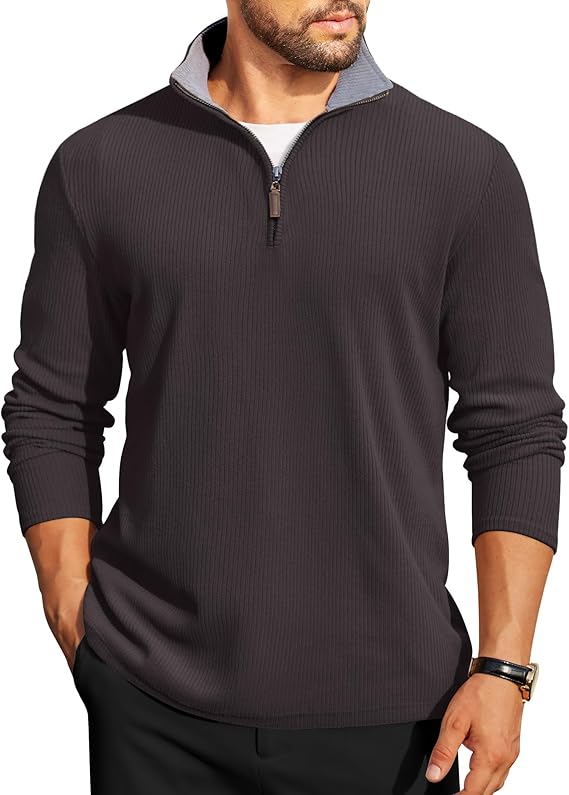
For men: smart chinos or dark jeans with a collared shirt. A lightweight crew-neck jumper or cardigan for cooler nights. Clean trainers or leather shoes — both perfectly fine.
The key is that you want something that works after a day of exploring without requiring a full outfit change — because you probably won’t have the time or energy for one.
Local tip: Many of Scotland’s best restaurants and whisky bars are in historic buildings that are genuinely cold inside. Bring a layer for evenings — you’ll want it.
Dressing for Churches and Historic Sites
Scotland’s abbeys, cathedrals, and historic sites have modest dress expectations. Shoulders covered, nothing overtly revealing. In practice, the weather usually makes this a non-issue — nobody visiting Rosslyn Chapel or Elgin Cathedral in July is going to be struggling to cover up.

If you’re visiting active churches, err on the side of neat and respectful. Walking trousers and a collared shirt or a midi dress are both appropriate and practical.
Local tip: Keep a lightweight scarf in your bag. It’s useful as an extra layer, doubles as a shoulder cover for religious sites, and costs almost no pack space.
Bags: What to Carry Day-to-Day
A crossbody bag is ideal for city days — keeps your hands free, sits close to your body, and is secure on busy streets. For hiking days, a daypack (20–25 litres) carries everything you need: layers, water, snacks, and the inevitable extra fleece.

Avoid massive backpacks for city exploring. They’re cumbersome on narrow closes, annoying on public transport, and frankly exhausting to wear all day.
Local tip: A small dry bag or waterproof pouch inside your main bag keeps your phone, passport, and anything else rain-sensitive protected. Scotland will test this at some point.
Accessories That Do Actual Work
A beanie or light hat. Yes, in July. For exposed walks, early mornings, or unexpectedly cold days in the north, a thin beanie takes up almost no space and is worth its weight in comfort.

A lightweight scarf or buff neck gaiter. Incredibly versatile — blocks wind, adds warmth, acts as a sun protector for the rare warm day.
Sunglasses. Not because Scotland is reliably sunny, but because when the sun does come out, it comes out at a low, glaring angle that’s brutal on your eyes, especially near water.

Good walking socks. Wool-blend hiking socks prevent blisters, wick moisture, and are worth packing in quantity. Your feet will thank you.

Local tip: If you’re visiting the western Highlands or islands between June and August, midge repellent is an accessory you genuinely need. Smidge is a popular Scottish brand and it actually works.
Fabrics to Choose (and Firmly Avoid)
Choose: Merino wool (temperature-regulating, odour-resistant, packable), synthetic performance fabrics (quick-drying, moisture-wicking), nylon (lightweight, durable, water-resistant), cotton-modal blends (soft, slightly more substantial than pure cotton for city use).
Avoid: Heavy cotton (holds moisture, slow to dry), pure denim as your main trouser option, anything that needs ironing to look presentable (Scotland’s accommodation doesn’t always have an iron and you won’t use it anyway), and anything that only works as a standalone item without layering options.
Local tip: Packing merino wool pieces lets you wear things multiple times without washing — incredibly useful for longer trips or when moving between accommodation frequently.
The Scotland in July Capsule Wardrobe
For a seven to ten day trip, this is roughly what works:
- Two to three t-shirts or lightweight tops.
- Two long-sleeve merino or performance base layers.
- One pair of walking trousers and one pair of smart jeans or chinos.
- Two or three dresses or skirts if relevant, chosen to layer well.
- One fleece or insulating mid-layer.
- One fully waterproof rain jacket.
- One light cardigan or blazer for evenings.
- One beanie and one light scarf.
- Three to four pairs of walking socks and three to four pairs of regular socks.
- One pair of waterproof walking shoes or boots.
- One pair of versatile everyday shoes (trainers, Chelsea boots, or similar).
Swimwear if visiting any lochs or coastal areas — Scotland’s wild swimmers are serious and the water is genuinely bracing.
This isn’t a glamorous packing list. But it’ll see you through castle visits, Highland hikes, Edinburgh evenings, and everything in between without making you miserable.
Local tip: If you’re travelling light and doing laundry mid-trip, reduce everything by roughly a third. Most Scottish accommodation has laundry facilities or nearby laundrettes.
Packing Light vs. Overpacking: A Genuine Conversation
Overpacking for Scotland is extremely easy to do. The weather variability makes you want to cover every scenario, and before you know it you’ve packed for a camping expedition, a formal dinner, and a beach holiday simultaneously.
The discipline is trusting the layering system. Three items that work together beat six items that don’t. You don’t need a different outfit for every day — you need a base layer that rotates, a mid-layer that stays consistent, and an outer layer that handles the rain. Mix those with different tops and you can create enough variation for two weeks.
Pack for what you’ll actually do, not what you theoretically might do. If you’re spending most of your time in cities with one or two hikes, you don’t need full mountain gear. If you’re doing serious walking, you don’t need to bring going-out clothes for every evening.
Local tip: Leave one quarter of your suitcase empty when you leave. Scotland has excellent outdoor and wool shops — Harris Tweed, cashmere, Rab, Páramo — and you’ll almost certainly want to buy something while you’re there.
One Last Thing Before You Go
Scotland in July is, if you dress right, one of the most spectacular places on earth to be. There’s a particular kind of afternoon — usually unexpected — when the light breaks through low cloud onto a loch, or when the heather catches the early evening sun and everything goes purple and gold, and you realise why people fall in love with this place and never quite recover.
You want to be outside for those moments. Not retreating to the car because you’re cold. Not cutting a hike short because your feet gave out. Not watching through a rain-blurred window because you left your jacket at the hotel.
Pack smart. Wear layers. Bring the waterproof. And then go get completely undone by Scotland, as everyone eventually does.

