
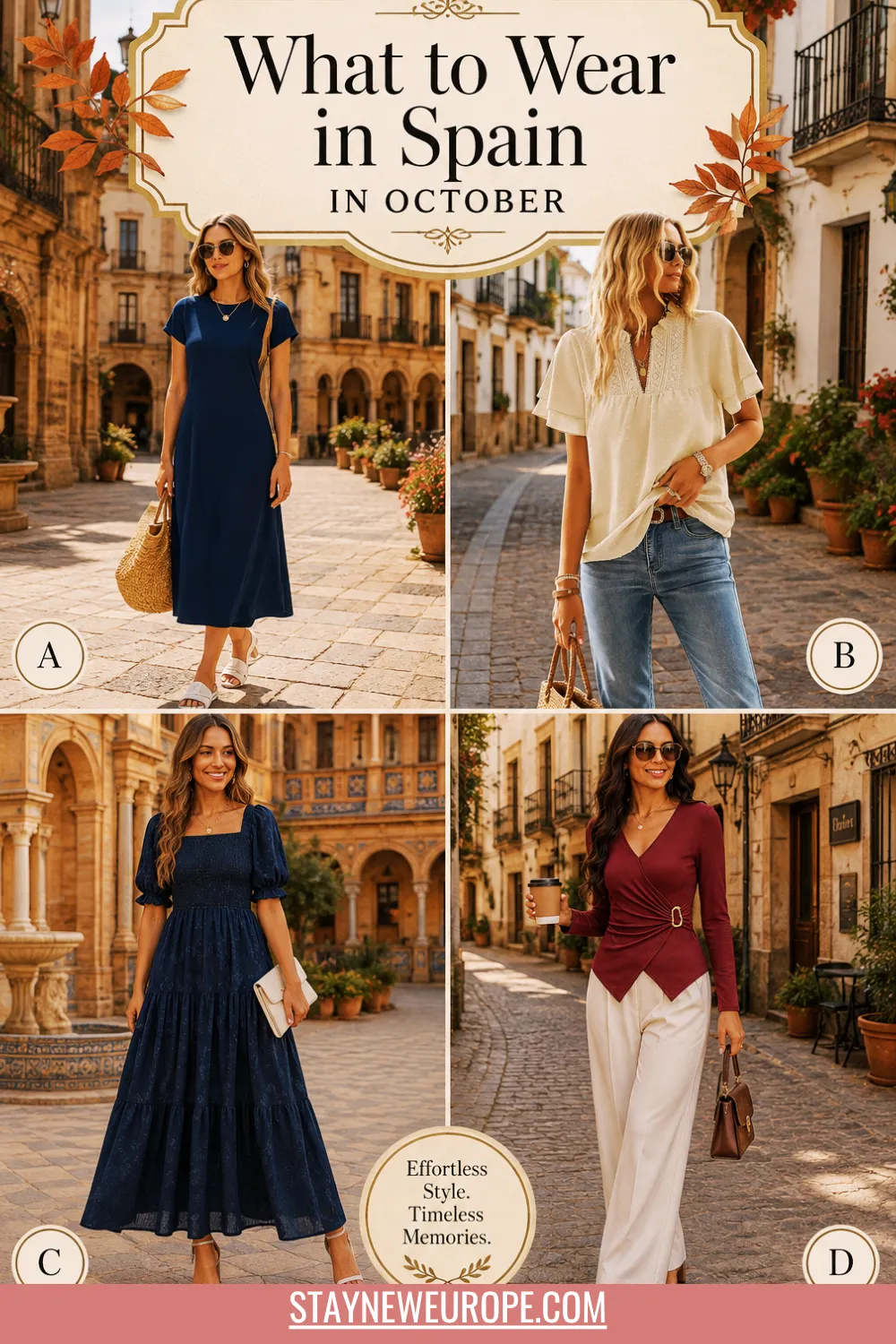
October in Spain is the trip nobody warns you about. One region is still basically summer, another has already put on a light coat, and somehow you’re expected to pack for both without checking two suitcases.
I learned this the hard way on a trip that started in Seville at 27°C and ended four days later in San Sebastián with actual drizzle and a wind that meant business. My suitcase, packed for “autumn in Spain” as one vague idea, was wrong in almost every direction.
So this isn’t a generic packing list. It’s what actually works when Spain in October can mean sunglasses-and-sandals one day and a scarf-and-jacket the next — sometimes in the same city.
What to Wear in Spain in October: Before We Dive In
Weather : October is shoulder season in Spain, and the weather split by region is bigger than most people expect. Andalusia — Seville, Córdoba, Málaga — is still warm, often hitting the low-to-mid 20s°C in the afternoon with plenty of sun. Madrid sits in the middle, with cool mornings around 10–12°C that climb into the low 20s by midday. The north — the Basque Country, Galicia, Asturias — is a different climate entirely: cooler, greyer, and genuinely rainy some days.
Walking and standing conditions: Walking conditions matter too. Spanish city centres run on cobblestones, uneven pavement, and long pedestrian stretches, whether you’re crossing Plaza Mayor or winding through the Albaicín. Comfortable shoes aren’t optional here.
Style culture: And then there’s the style culture. Spaniards dress with quiet intention — put-together, not flashy, rarely in head-to-toe athletic wear. Nobody will stop you from wearing hiking sandals with socks, but you’ll feel it the moment you sit down at a nice tapas bar next to a table of impeccably dressed locals in their sixties.
The Right Bag for the Trip (Not Just the Outfit)
Before outfits — sort out what you’re actually packing everything in.
A carry-on-sized hard-shell or structured soft-side suitcase works well for Spain in October because you’re dealing with layers that take up more room than a pure summer trip, but not full winter bulk.

A duffle is fine for shorter regional hops (Madrid to Toledo, say), but if you’re covering multiple cities by train, wheels save your back and your patience.
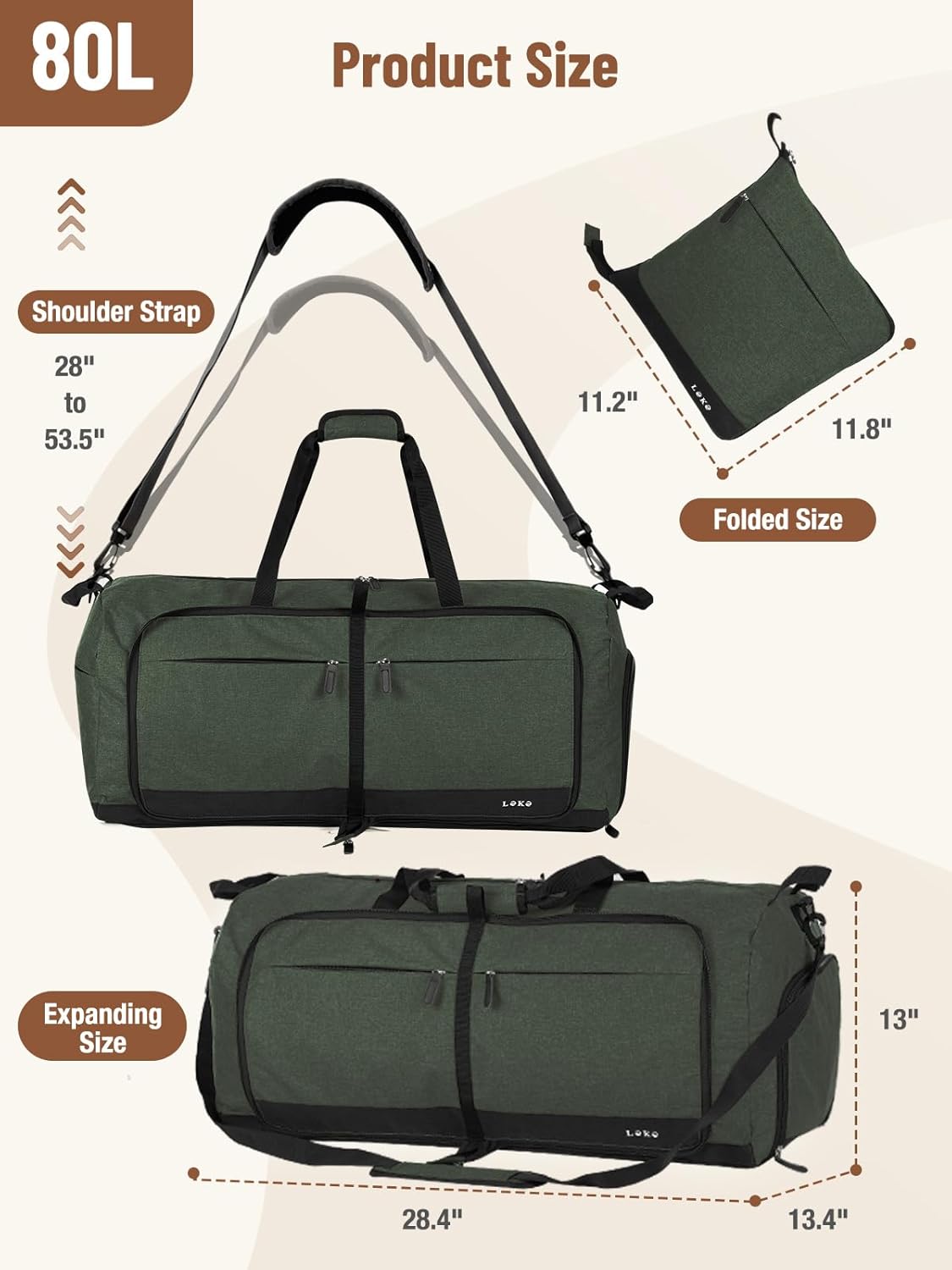
Local tip: pack a foldable tote or packable daypack inside your suitcase. You’ll want it for markets, day trips, and the inevitable moment you buy more olive oil than is reasonable.
Lightweight Layers Matter More Than You Think
This is the single biggest thing people get wrong about Spain in October: they either pack full summer or full autumn, and neither is right everywhere.
The trick is thin layers you can add and remove constantly.

A fine-knit long-sleeve top under a short-sleeve dress, a cotton cardigan that lives in your bag, a scarf that does triple duty as sun cover, church cover-up, and evening warmth. None of these are bulky on their own, but stacked together they carry you from a 12°C morning to a 23°C afternoon without a wardrobe change.

Outfit idea: a linen short-sleeve dress over a thin long-sleeve tee, worn with the tee visible at the cuffs and hem — this reads as intentional, not like you forgot to dress for the weather.
Local tip: if you’re building your October capsule from scratch, our Spain packing list breaks down the specific pieces worth actually buying before the trip.
Dresses That Still Work in October
Dresses don’t disappear once summer ends in Spain — they just change fabric and sleeve length.
A midi dress in a heavier cotton or a light wool blend, worn with a cardigan or blazer over it, works beautifully for daytime sightseeing in the south and even in Madrid on a mild afternoon.

In the north, save the sundress for indoors and reach for a long-sleeve knit dress instead — still a dress, still easy, just built for 16°C rather than 26°C.

Outfit idea: a rust or olive-toned midi dress, ankle boots, and a denim jacket. It photographs well against Seville’s orange trees and Toledo’s stone walls alike, and it moves easily from a walking tour to a late lunch.
Jeans, Trousers, or Shorts? (Here’s What Actually Works)
Shorts are a hard no for most of October Spain — not because of any rule, but because the temperature drop by evening makes bare legs uncomfortable more often than not, and locals simply don’t wear them much past September.

Dark, well-fitted jeans are the workhorse here. Straight or slightly wide-leg reads more current than skinny right now, and dark denim looks intentional at dinner in a way that faded or distressed denim doesn’t.

Tailored trousers in a neutral tone — camel, black, olive — are worth packing too, especially for evenings or museum visits, since they elevate an outfit without any extra effort.

Local tip: one pair of lightweight linen trousers earns its space if you’re spending time in Andalusia, where afternoons still run warm enough that jeans feel like too much.
Walking Shoes That Don’t Scream “Tourist”
Spanish streets are unforgiving on bad footwear — think centuries-old cobblestones, uneven marble in older squares, and long distances between sights. Bring shoes that are genuinely broken in.

A leather or suede sneaker in a neutral colour works across nearly every situation: sightseeing, casual dinners, even some bars.

Ankle boots are the October MVP — smart enough for evenings, sturdy enough for walking, and appropriate for the cooler mornings up north. \

Skip anything with an obviously “hiking” look unless you’re actually hiking; it reads as sportswear in a country that doesn’t dress that way for city days.

Outfit idea: dark jeans, a fine-knit sweater, and tan ankle boots — this single combination will get you through more days of an October Spain trip than anything else you pack.
What NOT to Wear in Spain in October
A few honest tourist mistakes worth avoiding.
Full athleisure — leggings as trousers, oversized branded hoodies, running shoes with a going-out outfit — stands out immediately in Spanish cities, where even casual outfits tend to look put-together.
Flip-flops in a city setting look out of place and won’t survive cobblestones anyway.
And bringing only summer clothes because “it’s Spain” is the mistake that catches people out every single October — pack for the region and the time of day, not the postcard image of Spain in your head.
Local tip: oversized fanny packs worn front-and-centre are an instant tourist signal here — if you want that hands-free convenience, a smaller crossbody achieves the same thing more quietly.
Jackets for Spain’s Unpredictable October Weather
You need at least one real jacket, and which one depends on where you’re going.

A mid-weight denim or utility jacket covers most of the country for most of the month — enough for a cool evening in Madrid or a breezy morning in Barcelona. If northern Spain is on your route, add a packable rain jacket; the Basque Country and Galicia see real rain in October, not just the occasional shower.

Leave the puffer at home unless you’re heading into the mountains. It’s overkill for city temperatures and takes up suitcase space you’ll want for layering pieces instead.
Evening Outfits in Spain
Spanish dinners start late — often 9pm or after — and the evening dress code tends to be a notch more polished than daytime. This is where the blazer or nice cardigan you packed earns its keep.

For women, a slip dress with the cardigan over it, or trousers with a silky top, both work well.

For men, chinos and a button-down or a fine-knit polo cover almost every restaurant situation. Trainers are fine in most casual tapas bars; save the ankle boots or leather shoes for anywhere slightly nicer.
Outfit idea: black trousers, a cream silk-blend top, gold hoops, and the same ankle boots from your daytime outfit — no need to pack separate evening shoes.
Church Dress Codes (Don’t Get Turned Away)
Spain’s major churches and cathedrals — the Sagrada Família, Seville Cathedral, Granada’s Capilla Real — enforce shoulder and knee coverage strictly,

and October’s cooler weather actually makes this easier than in high summer.
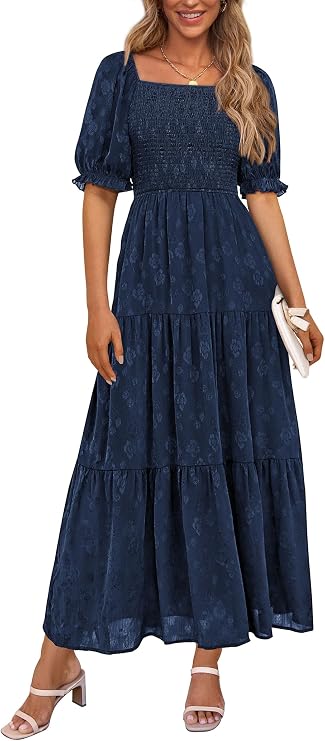
A midi dress, trousers, or jeans handle the length requirement without effort; just keep a light scarf in your bag for shoulders if you’re wearing anything sleeveless underneath a layer you might remove.

Bags: Crossbody vs. Backpack
A structured crossbody bag is the better daytime choice in Spain’s busier cities — Madrid, Barcelona, Seville — both for style and for the practical reason that it’s harder to pickpocket than an open backpack. Wear it across the body with the bag itself in front of you.

A small backpack makes more sense for day trips involving hiking, longer walks between towns, or if you’re travelling with camera gear. Either way, avoid anything oversized for daily sightseeing; it reads as luggage, not an outfit accessory.

Accessories That Elevate a Simple October Outfit
A few well-chosen pieces do more work than a complicated outfit.
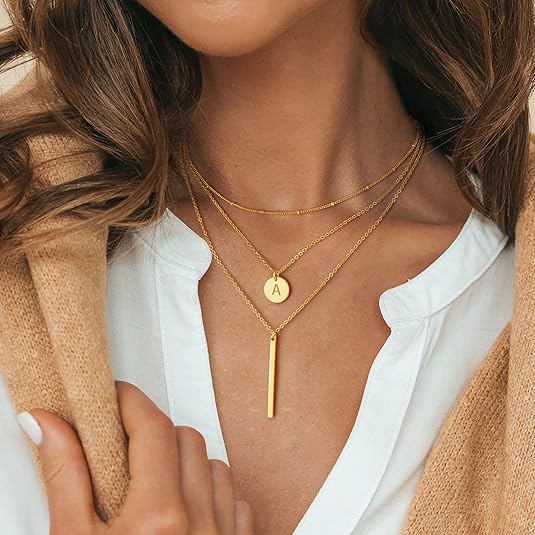
Gold hoops or a simple layered necklace instantly dress up a jeans-and-sweater combination.
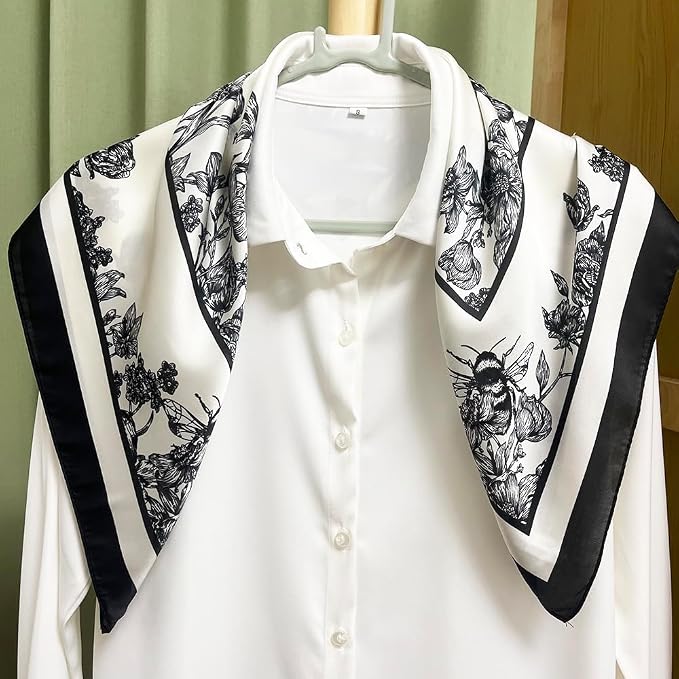
A patterned silk scarf covers sun, wind, church shoulders, and evening chill all in one lightweight object.
Sunglasses are still essential even in October — the Spanish sun doesn’t fully retire for the season.

Local tip: a beret or soft wool cap isn’t just an aesthetic choice up north — it’s genuinely useful against Basque Country wind and rain.

Rain Prep (Yes, You Need It)
Rain in October Spain isn’t universal, but it’s real enough in the north and occasional enough everywhere else that ignoring it is a mistake.
A packable rain jacket beats an umbrella for walking days — umbrellas are clumsy on narrow, crowded streets and useless in wind.

If you do want an umbrella as backup, a compact travel one that fits in a daypack is worth the small space it takes.

Suede shoes and rain don’t mix, so if northern Spain is on your itinerary, bring at least one pair of shoes in leather or a synthetic that can handle a wet pavement without staining.

Fabrics to Pack (and Which Ones to Skip)
Cotton, linen blends, and fine-knit wool or merino cover almost everything you’ll need. Merino in particular is worth the investment for October — it regulates temperature well, doesn’t hold odour on multi-wear trips, and packs down small. Pure linen is still fine for Andalusian afternoons but starts to feel thin once you’re in Madrid or further north in the evening.
Skip heavy cotton hoodies and thick denim jackets — they’re bulky, slow to dry if they get rained on, and don’t layer as efficiently as thinner alternatives.
Building a Capsule Wardrobe for Spain in October
A workable capsule for a week to ten days: two dresses (one lighter, one heavier knit), two pairs of trousers or jeans, three to four tops in mixable colours, one blazer or cardigan, one packable jacket, and shoes limited to sneakers, ankle boots, and one evening-appropriate pair if needed. Everything should be able to combine with at least two other pieces.
The Practical Packing Rundown
For most trips, five to seven day outfits and two to three evening outfits is plenty, even for a two-week itinerary — you’re relying on repeats and layer swaps rather than a fresh look daily. Overpacking is the most common October mistake: people bring a full summer wardrobe and a full autumn wardrobe “just in case,” and end up wearing a third of it.
Plan outfits around your layering pieces rather than around individual items — decide on your cardigan, jacket, and scarf first, then build outfits that work with all three. And don’t skip trying on your shoe rotation walking around your own home for an hour before the trip; October’s mix of dry pavement and occasional wet cobblestone is exactly when an untested shoe reveals its problems.
If this is your first Spain trip and you’re still finalising the itinerary alongside the wardrobe, our guide to the best places in Spain for first-time travelers pairs well with this list.
Spain in October rewards a slightly more thoughtful suitcase than high summer does, but that’s part of what makes it a genuinely great time to visit — fewer crowds, kinder light, and a wardrobe that actually gets to include texture and layers instead of just surviving the heat. Pack the versatile pieces, leave the guesswork at home, and you’ll spend far more time enjoying Córdoba’s courtyards or San Sebastián’s coastline than fussing over what to put on.

