
Venice in July is something else entirely. The light hits the canals differently — golden, blinding, almost theatrical. The air is thick with humidity, the crowds are at their absolute peak, and by 10am you’re already wondering why you packed that denim jacket. I’ll be honest with you: July is Venice on hard mode. But dress right, and it’s also Venice at its most magical.
I’ve made every mistake in the book — worn the wrong shoes across approximately ten thousand bridges, packed jeans I never touched, and once, memorably, wore a floaty silk blouse on a vaporetto in 34°C heat. So consider this the advice I wish someone had given me before I went.
The tourists who stand out — and not in a good way — are the ones who packed for a different city, a different season, or a different version of themselves. Venice in July demands lightness. Lightness of fabric, lightness of bag, and a certain lightness of spirit too.
Before We Dive In: What July in Venice Actually Feels Like
Let me set the scene properly, because the weather shapes every single outfit decision you’ll make.
Temperature: July is Venice’s hottest month. Expect daily highs between 30–34°C (86–93°F), sometimes nudging higher during heatwaves. Mornings start warm and evenings stay warm. There is no cool reprieve — not even at midnight along the Grand Canal.
Humidity: This is the part guidebooks undersell. Venice sits on a lagoon. The humidity in July can hover around 70–80%, which means that 32°C feels like 38°C. Fabrics that would be fine in a dry heat become absolutely unwearable here. More on that later.
Rain: Afternoon thunderstorms are surprisingly common in July — short, dramatic, and intense. They cool things down briefly before the steam rises from the stones. A light packable layer and a tiny umbrella are worth every gram of pack space.
Walking conditions: You will walk more than you think. Venice has no cars, no bikes, and approximately 400 bridges — all with steps. The streets (called calle) are narrow, uneven, and often cobbled. Your feet will earn their keep. Shoes are not a decision to take lightly.
Style culture: Italians dress. Even in summer heat, you’ll see Venetian women in elegant linen trousers, heeled sandals, and structured earrings. Men in crisp short-sleeved shirts. There’s a baseline level of effort that locals maintain, and while no one will judge you for being a tourist, you’ll simply feel better — more in tune with the city — if you meet it halfway.
Lightweight Layers: The Packing Principle That Changes Everything
I know what you’re thinking. Layers? In July? In a lagoon city? Hear me out.
Venice in July is not a one-temperature day. You’ll move from blazing outdoor squares into air-conditioned restaurants, churches, and museum lobbies. The temperature swing between a sun-baked campo and a cool basilica interior can be ten degrees. If you go in wearing only a strappy top, you’ll be shivering in the Doge’s Palace.
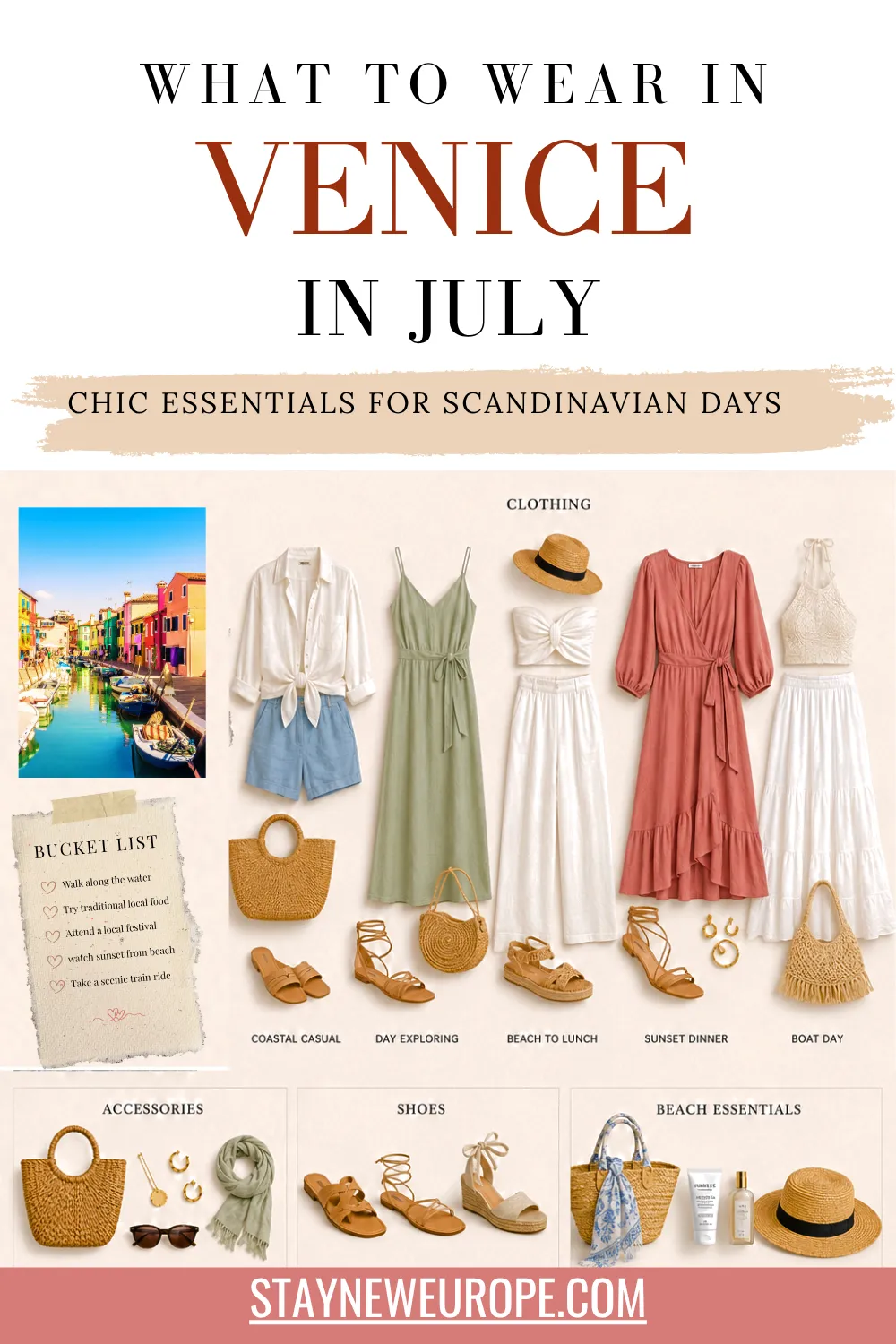
The solution isn’t a thick cardigan — god, no. What you want is a single, incredibly lightweight layer that packs down to nothing. Think a linen button-down shirt you can tie at the waist outside and drape over your shoulders inside. Think a gauzy kimono-style cover-up that doubles as a beach layer on your way to the Lido. Think a cotton-knit oversized tee you can throw over a slip dress.
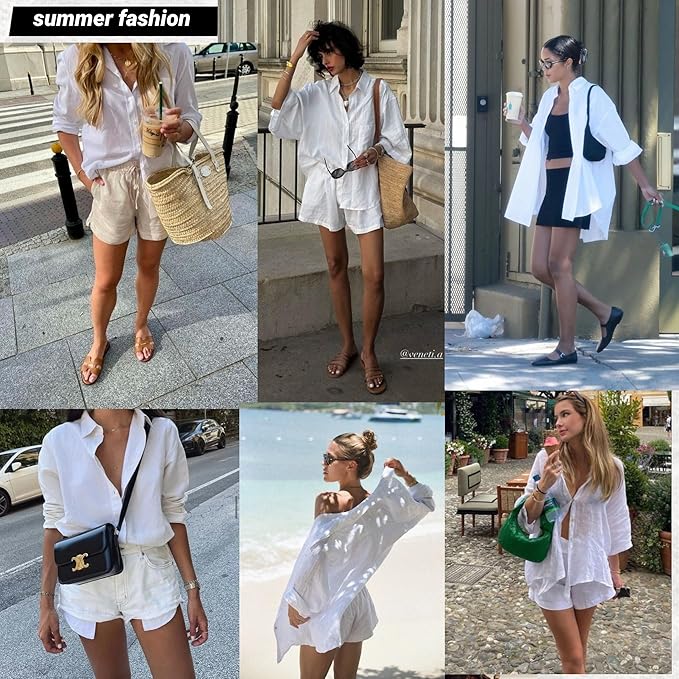
I learned this the hard way after freezing through an opera performance at Teatro La Fenice in a sundress and no backup plan. One linen layer, worn loosely and carried easily, solves about four different problems.
Local tip: Venetians often carry a light scarf in summer — it’s their version of the Swiss Army knife. Wrap it around your shoulders in a cold space, drape it over your head for sun, or use it as a sarong on the beach island of Lido. A fine-weave cotton or silk blend does the job beautifully.
Dresses vs. Jeans: What Actually Works in This Heat
Let me be blunt: jeans in Venice in July are a form of self-inflicted suffering. I’ve seen tourists walking the Rialto Bridge in full denim, faces scarlet, regretting their life choices. The humidity alone makes denim feel like wearing a wet sleeping bag by midday.
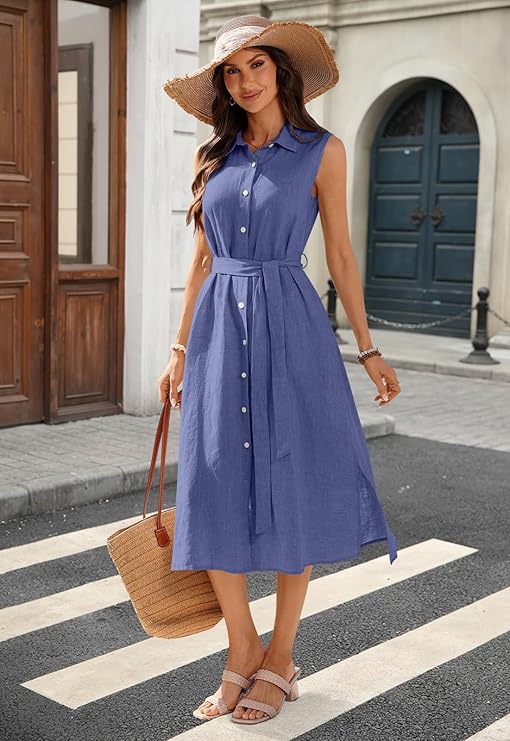
Dresses win, and they win by a mile. A loose, flowy midi dress in linen or cotton is possibly the most practical item you can pack for Venice in July. It’s one piece, it requires no thinking, it breathes, and — crucially — it looks effortlessly put-together in a city that rewards a bit of elegance.

If you love a more structured look, wide-leg linen trousers paired with a breezy top are the move. They’re cool, they drape beautifully in photos (important when you’re surrounded by canal backdrops), and they read as “stylish” rather than “tourist.” Cotton shorts are absolutely fine for daytime exploring, particularly if you’re island-hopping to Burano or Murano.
The dress code for churches is no bare shoulders or knees — but a midi dress or wide-leg trouser outfit sidesteps this entirely. You’ll walk right into Santa Maria della Salute or the Frari without stopping to buy a five-euro paper shawl from a street vendor.

Local tip: Italian women in Venice gravitate toward a single-colour, clean-lined dress rather than loud prints. A dusty terracotta, sage green, or warm white feels city-appropriate. Florals work too — just avoid anything that screams resort-catalogue.
The Shoe Question: This Is the Most Important Decision You’ll Make
I cannot stress this enough. Shoes will make or break your Venice trip. Not your outfits, not your bag — your shoes.
Venice is walking city. There are no taxis, no Ubers, no quick hops in the car when your feet give out. You will walk from 9am until midnight across bridges, down narrow lanes, along uneven stone waterfront paths. The wrong shoes are not just uncomfortable — they’re a ruined holiday.
Here’s what works: a well-broken-in leather sandal with a proper footbed (Birkenstock, a good Italian leather flat sandal, Naot — something with actual support). Or a pair of white leather sneakers with cushioned soles, kept clean-looking so they pass muster at nicer restaurants in the evening. I’ve done Venice successfully in both.

Here’s what doesn’t work: new sandals you haven’t worn in. Flip-flops (stylistically fine, structurally catastrophic after bridge three). Any kind of wedge heel on cobblestones (I’ve watched women genuinely struggle with these at the top of the Accademia Bridge). Pointed-toe flats with zero cushioning.

And a word on acqua alta — Venice’s seasonal flooding. July isn’t peak flooding season, but water can still appear on low-lying paths near San Marco unexpectedly. Wearing shoes you’d be gutted to ruin is a calculated risk.
Local tip: Pack a second pair of shoes — not heels, but a different flat or sandal — and alternate days. Your feet will thank you, and you’ll reduce the blisters significantly. A tiny tin of foot balm in your bag is peak self-care.
What NOT to Wear: Tourist Mistakes That Are Completely Avoidable
Let me be briefly opinionated, because someone should be.
Heavy backpacks on your back all day — Venice’s calle are genuinely narrow. A full hiking rucksack means you’re constantly knocking into people, brushing against walls, and struggling through crowds. It also screams “I have valuables in here” in a city that sees a lot of pickpocketing.
Matching activewear sets — again, totally fine in the abstract, but feels jarring against Venice’s Renaissance backdrop. Save the leggings-and-sports-bra combo for the hotel gym.
White trainers you care about deeply — the streets near the fish market and some of the outer islands can get messy. Wear white if you like, just go in at peace with potential casualty.
Anything that requires ironing — this one’s practical. You’ll be living out of a suitcase, possibly in a humid room. Linen wrinkles are acceptable (and sort of chic). Anything that needs to be crisp will look sad within an hour.
Socks with sandals — I realise this is now a fashion thing. In Venice it mostly just signals you didn’t know what you were getting into temperature-wise.
Local tip: Venetians have a quiet disdain for tourists in novelty “Venice” merchandise worn while in Venice. You don’t need to be fashionable, but aim for put-together. A clean, simple outfit always reads better than a loud, branded one.
Bags: Crossbody Always, Backpack Sometimes, Tote Rarely
Your bag is a practical and aesthetic decision simultaneously in Venice.
The crossbody wins. Every time. A small-to-medium crossbody bag keeps your hands free for gelato, vaporetto poles, and camera moments. It sits against your body in crowded squares, discouraging opportunistic pickpockets. It doesn’t drag your shoulder down after six hours of walking. It looks stylish with virtually every outfit.

Opt for leather or structured fabric — something that holds its shape. A floppy canvas tote sounds romantic but becomes genuinely annoying when it slides off your shoulder on a bridge, or when you’re digging through it for your vaporetto ticket while twelve people queue behind you.
Small backpacks are acceptable for day trips to Murano or the Lido when you need more stuff — sunscreen, a book, a change of clothes, water. But keep them small and keep them zipped. A 20L daypack is too much for central Venice.

Local tip: Venetian women carry small, structured bags — think slightly dressier than functional. Bringing your one nicer leather bag, used daily, elevates every single outfit instantly and is completely theft-deterrable with a crossbody strap.
Evening Outfits in Venice: Where the City Actually Gets Dressed
Something changes in Venice when the day-trippers leave. By 7pm, the light turns amber, the aperitivo hour begins, and the city exhales into something slower and more beautiful. This is when Venice rewards you for making a little effort.
Evenings call for a step up. Not formal — Venice isn’t Milan — but elevated. A linen or silk midi dress, a nice pair of wide-leg trousers with a tucked-in blouse, a cotton co-ord in a solid colour. Men: a short-sleeved linen or cotton shirt (actually ironed, or at least not visibly crumpled), tailored shorts or light chinos.
The restaurants worth booking in Venice — Osteria Alle Testiere, Trattoria da Romano on Burano, the wine bars along Fondamenta della Misericordia — won’t turn you away for being too casual, but you’ll feel more comfortable and more present in the experience if you’ve made the small effort of changing out of your day-exploration clothes.

July evenings stay warm — expect 24–27°C even at 10pm. You don’t need a jacket; your linen layer will do.
Local tip: Shoes matter in the evening too. Clean leather sandals or neat loafers transform a simple outfit. Wearing evening wear with beaten-up walking shoes breaks the spell entirely.
What to Wear for Churches: The Dress Code That Catches People Off Guard
You will want to go inside the churches. The Basilica di San Marco alone is worth an afternoon, and the Frari, the Gesuiti, San Zaccaria — all stunning. All with a dress code.
The rules are consistent: no bare shoulders, no exposed knees. That’s it. But in July, when everyone’s dressed for beach weather, this catches people out constantly. I’ve seen people turned away at the door of San Marco, or handed paper shawls by stern volunteers, looking genuinely embarrassed.
The elegant solution: wear what I’ve already described. A midi dress covers your knees. Wide-leg trousers cover your knees. A linen layer covers your shoulders. If you’re in a short dress or top and shorts, carry a sarong or large scarf — wrap it around your waist for the knees, drape it over your shoulders for that entrance.

Churches are also significantly cooler inside, which makes the cover-up dual-purpose: respect the rules and enjoy a few minutes of merciful shade.
Local tip: San Marco has bag-check lockers for large bags, which you’ll need anyway if you’re carrying a backpack. There’s a separate, less-crowded entrance for worshippers — worth knowing if the tourist queue is snaking out into the piazza.
Fabrics to Choose (and the Ones to Leave at Home)
This is where packing decisions get scientific. In 34°C humidity, fabric is everything.
Wear: Linen — breathes brilliantly, looks good slightly rumpled, dries fast when you sweat (and you will sweat). The ultimate Venice fabric. Cotton — a close second. Lighter weaves like voile or gauze are especially good. Silk and silk blends — surprisingly good in heat, temperature-regulating, and beautiful. Just handwash carefully. Bamboo and Tencel — newer fabrics that wick moisture and feel incredibly soft. Excellent options.
Avoid: Polyester — traps heat and smell aggressively. Even “breathable” sports polyester gets uncomfortable quickly in Venice’s ambient humidity. Synthetic blends — check labels. “Linen look” and “cotton feel” often mean 60% polyester in disguise. Viscose/rayon — it feels light but retains moisture and wrinkles instantly when damp. After a sweaty walk, it clings. Heavy denim — already covered, but worth repeating: leave the thick jeans at home.
Local tip: Italian linen clothing is everywhere in Venice — sold in small boutiques along the calle leading away from San Marco. If you forget something or discover mid-trip that you packed wrong, a local linen piece is both a practical fix and a lovely souvenir.
Rain Preparation: The Afternoon Storm No One Warns You About
July in Venice is not a guaranteed rain-free month, despite what the brochure implies.
The pattern goes like this: glorious, hot morning. Slightly oppressive early afternoon. Then, around 3–4pm, clouds build rapidly over the mainland and a short, heavy thunderstorm rolls in. It lasts 20–40 minutes. Everything steams and gleams. Then it’s sunny again, slightly cooler, and the evening light is spectacular.
This pattern doesn’t happen every day, but it happens enough. Being caught on a bridge in a downpour with no cover is not fun, especially with camera equipment or a suede bag.
The solution is small and light: a packable mini umbrella that fits in your crossbody. Not a poncho — ponchos in 30°C heat are miserable, and you’ll look like a tourist-shaped tent. Not a huge golf umbrella — there’s no room on Venice’s narrow pavements. Just a compact travel umbrella.

Your linen and cotton clothes will dry quickly. Your leather bag needs some protection.
Local tip: Venetians duck under the sottoporteghi — the low stone archways that run through city blocks — when rain starts. These covered passages are everywhere and make perfect brief shelters. If rain hits, don’t panic; find the nearest arch and wait it out.
Accessories That Do Real Work
Simple outfits with the right accessories look intentional. This is especially true in Italy.
Sunglasses — non-negotiable in July. Go for something with UV400 protection and a shape you love. Good sunglasses also photograph beautifully.

A sun hat — lightweight, packable, essential. Venice offers almost no shade in the open squares and along the Grand Canal. A wide-brimmed straw hat or a packable sun hat saves your face and your energy. Bonus: looks great in photos.

Simple jewellery — the Venetian aesthetic rewards understated elegance. A pair of earrings, a fine necklace, a simple bangle. Not a lot — just one piece that lifts an outfit from plain to considered.

A silk scarf — worn loosely around the neck, tied to your bag strap, or wrapped around your hair. Italians have been using this move for seventy years and it still works.
A good water bottle — not glamorous, but acqua in Venice is expensive and tourist-area hydration is important. Tuck a small, light bottle in your bag. Venice’s tap water (acqua del rubinetto) is perfectly drinkable and there are public drinking fountains (nasoni) across the city.

Local tip: Murano glass jewellery is a beautiful, specifically Venetian souvenir that you can actually wear on your trip. Small earrings or a delicate necklace from a quality glassmaker makes a meaningful purchase that goes straight onto your outfit.
The Capsule Wardrobe for a Week in Venice in July
If you’re going for 5–7 days and want to pack light (which you absolutely should — luggage on Venice’s bridges and vaporettos is nobody’s good time), here’s what I’d bring:
Tops/Dresses:
- 3 lightweight dresses (mix of midi and short — at least two that cover knees for churches)
- 2 loose linen or cotton tops
- 1 lightweight blouse for evenings
Bottoms:
- 1 pair wide-leg linen trousers (day and evening versatile)
- 1 pair tailored cotton shorts for daytime and island trips
Layers:
- 1 linen overshirt or lightweight kimono (the workhorse layer)
- 1 light cardigan or very fine knit for evening air-conditioned spaces
Shoes:
- 1 pair comfortable leather flat sandals (broken in before you go — crucial)
- 1 pair clean white leather sneakers
- 1 pair of nicer evening sandals (can be a flat if you prefer)
Bags:
- 1 crossbody bag for daily use
- 1 small foldable tote for markets and beach days
Accessories:
- Sunglasses
- Packable sun hat
- Compact umbrella
- 2–3 jewellery pieces
- Silk scarf or sarong (multi-use)
This fits in a carry-on. Comfortably. And you’ll wear all of it.
Local tip: Pack outfits that work across multiple days through mixing and matching rather than one outfit per day. A linen dress worn alone on day one, with a different sandal and accessories on day four, is a completely different look. Italians are masters of this — fewer pieces, more combinations.
Practical Packing: The Honest Version
Let me be real with you about a few things.
You will overpack if you’re not deliberate. The fantasy of “I might need options” collides hard with the reality of dragging a heavy suitcase down stone steps and across bridges in 33°C heat. Pack what you know you’ll wear.
Laundry is your friend. Most Venice hotels and apartments have a sink. Linen and cotton wash and dry overnight in July’s warmth. A tiny sachet of travel laundry soap extends your wardrobe significantly.
Leave space for shopping. Venetian boutiques along the quieter calle sell genuinely beautiful things — a linen dress, a Murano necklace, handmade paper goods. Coming with a full case leaves you no room for the things you’ll actually want to bring home.
Don’t pack for a different trip. Be honest about what you actually do on holiday. If you’ve never worn heels on a city break, don’t pack them for Venice. If you skip jackets in summer, you don’t need one here. Pack for who you actually are, not your most aspirational travel self.
Mistakes to avoid:
- Bringing seven pairs of shoes for a week (three is plenty)
- Packing “just in case” items that weigh a lot and serve a fantasy scenario
- Forgetting to break in walking shoes before arrival
- Not thinking through the church dress code until you’re standing at the entrance
A Final Word Before You Go
Venice in July asks something of you — patience with the heat, acceptance of the crowds, and a willingness to slow down and notice the small things. The way the canal light flickers across a stone wall at 6pm. The sound of a gondolier’s call echoing in a narrow passage. The cold shock of a gelato in your hand outside a hot church.
Dressing well for this city isn’t about fashion. It’s about comfort, respect for the place, and — honestly — feeling like you belong in one of the most beautiful cities on earth rather than just passing through it.
Pack light, pack smart, wear your most comfortable shoes, and leave the polyester at home. Venice will do the rest.
Buon viaggio.
