
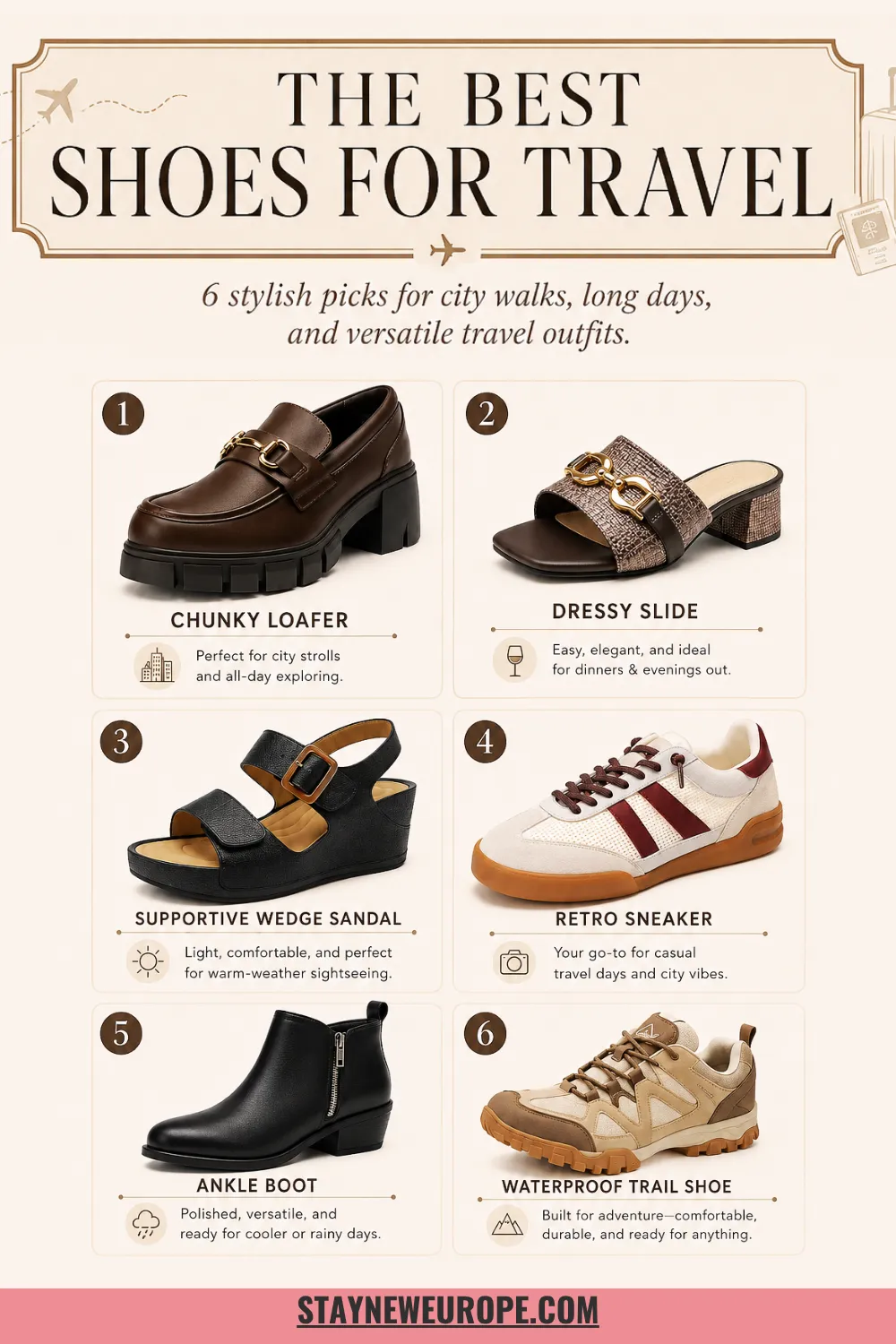
I’ve packed the wrong shoes more times than I want to admit. There was the pair of “comfortable” flats that left me limping through Lisbon by day two, the ballet flats that turned a cobblestone street in Rome into an ankle-twisting obstacle course, and — my personal low point — the brand-new white sneakers I broke in for the first time on a ten-mile walking day in Paris. Shoes are the single most underrated part of any packing list. You can survive a slightly wrong outfit. You cannot survive the wrong shoes on a trip built around walking, and almost every European trip is built around walking. So here’s everything I’ve learned, the hard way, about which shoes actually earn their place in your suitcase.
Before We Dive In
A few quick truths before we get into specific shoes.
First, comfort is non-negotiable — I don’t care how good something looks in the mirror at home, if it’s not comfortable after four hours of walking, it doesn’t make the cut.
Second, versatility matters more than variety. You want fewer pairs that each do more, not five pairs that are all slightly different versions of the same thing.
Third, the terrain matters as much as the weather. Cobblestones, marble church floors, uneven trails, and rain-slicked steps are just as much a factor in your shoe choice as the temperature is.
With that in mind, here’s how I actually build out a shoe lineup for a trip.
How Many Pairs of Shoes Do You Actually Need?
For most trips, three pairs is the sweet spot:
- one walking shoe,
- one dressier option,
- and one weather- or activity-specific pair (sandals, boots, or hiking shoes, depending on the season and destination).
Any more than that and you’re just carrying dead weight and eating into suitcase space you’ll want for souvenirs. Any fewer, and you’ll end up wearing your walking shoes to dinner, which — trust me — you’ll regret the moment you sit down at a nice restaurant and everyone else is in something a little more polished.
Local tip: Pack shoes in a color family that mixes with your whole wardrobe — neutral tones like tan, black, and white pull double or triple duty, while a bright statement shoe usually only works with one or two outfits.
The Everyday Walking Shoe (Your MVP)
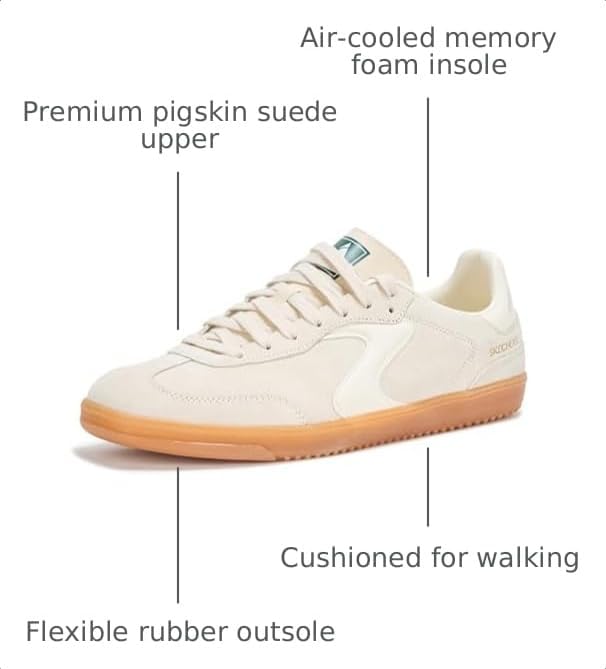
This is the pair you’ll wear more than all your other shoes combined, so it deserves the most thought. You want a shoe with real cushioning and arch support, a sole with some flexibility, and — critically — a pair that doesn’t scream “tourist” the second you step off the plane. The good news is that walking-shoe design has caught up with fashion in the last few years; there are genuinely stylish options from brands that specialize in comfort, so you no longer have to choose between your feet and your outfit.
For women

Look for a low-profile sneaker or a leather-look walking shoe rather than anything chunky or overtly athletic. If you’re doing a lot of city walking on uneven stone streets, some tread on the sole helps more than you’d expect.
For men
The Dressier Flat or Loafer
Every trip has at least one moment that calls for something a step up — a nice dinner, a night out, a museum gala you didn’t know you’d be invited to.

Its very comfortable for daily wear and office work.

A dressier flat, a loafer, or a low block-heel sandal covers this without taking up much suitcase space.

The trick is choosing one with enough cushioning that it can also survive a short walk to the restaurant, because you are not, under any circumstances, carrying a second pair of shoes in your bag for the evening.

Local tip: A loafer with a slight platform or wedge sole photographs just as well as a heel but survives an evening on cobblestones far better.
Sandals for Warm-Weather Destinations
If you’re heading somewhere warm — Greece in July, the Amalfi Coast, or Spain in high summer — sandals aren’t optional, they’re essential.

But not all sandals are created equal. Thin, flimsy sandals fall apart fast on stone streets and offer nothing in the way of arch support for a day of sightseeing. Look for a sandal with a proper footbed, even if that means sacrificing a little bit of the delicate, strappy look you had in mind.
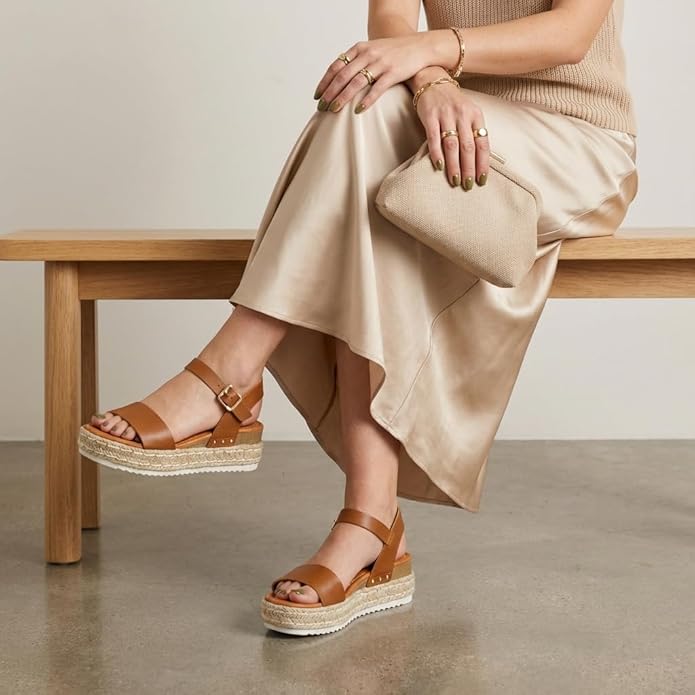
I’d pack one everyday sandal for daytime wear and, if the trip calls for it, one slightly dressier sandal for evenings — a low heel or a wedge works well here since it still feels elevated without being impractical on uneven ground.

For evenings, a slightly dressier flat sandal with good sole support earns its spot, but I wouldn’t trust anything with a delicate strap for daytime walking.

Comfortable Sneakers That Don’t Look Like Tourist Sneakers
There’s a real difference between “walking shoe” and “sneaker,” and if your trip includes long transit days, workout plans, or simply a preference for a more casual look, a genuine sneaker earns its spot.

Also if you are looking for something stylish amd also water proof this will be your best options

The key is choosing a clean, minimal silhouette —

white or neutral leather sneakers in a low-profile style read as put-together in a way that chunky trainers or brightly colored running shoes simply don’t, especially in cities where the local dress code skews more polished than casual.

Boots for Cooler Climates and Cobblestones
For shoulder-season or winter trips, a good ankle boot is one of the hardest-working items you’ll pack. It needs to handle rain, uneven cobblestones, and a full day of walking, while also looking finished enough for dinner.

Leather or a leather-look material with a low block heel or flat sole is the most versatile choice — avoid anything with a delicate heel that will get stuck in cobblestone gaps (it happens more often than you’d think, and it’s never at a convenient moment).

Local tip: Waterproof or water-resistant boots are worth the investment for cities with a reputation for rain or morning dew on cobblestones — think Amsterdam, London, or Edinburgh — even if the forecast looks clear.
Shoes for Hiking or Rugged Trails
If your itinerary includes anything like the Cinque Terre trails, mountain villages, or a countryside day trip, a proper pair of walking sandals or light hiking shoes with real grip is worth the suitcase space.

Regular sneakers or sandals with smooth soles are genuinely dangerous on steep, sometimes wet, stone paths, and I say that from firsthand experience of watching someone slide several feet down a trail in flip-flops.

This doesn’t need to be a heavy-duty hiking boot — a light trail shoe or a sports sandal with rubber tread is usually enough.
What to Avoid Packing
A few shoes that sound like a good idea and rarely are:
- flip-flops as an everyday shoe (fine for a hotel room or a beach, not for a ten-thousand-step day), brand-new shoes you haven’t worn at all before the trip,
- anything with a delicate heel for cities with cobblestones,
- and heavy boots for a summer city trip where you’ll be sweating through them by 10am.
If you’re unsure whether a shoe belongs in your bag, ask yourself honestly whether you’d want to wear it for four hours straight — if the answer is no, leave it home.
Breaking In New Shoes Before You Travel
If you’re buying anything new for the trip, give yourself at least two to three weeks to wear it around normally before you leave — running errands, walking the dog, anything that gets real mileage on the shoe. New shoes almost always feel fine in the store and then reveal every flaw after three hours of pavement. Blisters on day one of a trip are a genuinely miserable way to start, and they’re almost entirely avoidable with a bit of advance planning.
Local tip: Pack a small tin of blister balm or moleskin regardless of how broken-in your shoes are — new terrain and more walking than usual can cause friction even in shoes you’ve worn for years.
Packing Shoes Efficiently in a Carry-On
Shoes are some of the bulkiest, most awkward items to pack, so a little strategy goes a long way. Stuff socks, chargers, or other small items inside each shoe to use the space efficiently, and pack shoes along the bottom edge of your suitcase where they won’t crush anything else. A shoe bag or a repurposed shower cap keeps the soles from touching your clothes. If you’re trying to fit everything into one bag, the full method for packing a carry-on for ten days is worth reading before you start — the same space-saving logic applies whether you’re limiting yourself to two pairs of shoes or three.
Caring for Your Shoes Mid-Trip
A quick wipe-down each evening keeps leather and suede shoes looking presentable for the rest of the trip, and it takes thirty seconds. If you know you’ll be doing serious walking on wet or muddy terrain, a small packet of wipes or a travel-size shoe brush is worth the tiny bit of space it takes up. For sandals and sneakers, letting them fully air out overnight — rather than shoving them straight back in your suitcase — helps them last the whole trip without starting to smell.
Matching Shoes to Your Destination
City trips built around museums, cafés, and walking tours call for the walking-shoe-plus-dressy-flat combination above almost every time. Coastal and island trips shift the balance toward sandals, with one sturdier walking shoe kept in reserve for any cobblestone old towns along the way. Mountain or countryside trips need a genuine grip-soled shoe as the priority, with everything else considered secondary. If your trip covers more than one of these — a city stop followed by a few beach days, for instance — build your shoe lineup around the leg of the trip that has the strictest requirements, and let the rest adapt around it.
Final Shoe Packing Checklist
- One broken-in, comfortable walking shoe for everyday sightseeing
- One dressier flat, loafer, or low sandal for evenings
- One weather- or activity-specific pair: sandals, boots, or a light hiking shoe
- Blister balm or moleskin, just in case
- A shoe bag or similar to keep soles away from clothing
Get the shoes right and everything else about the trip gets easier — you walk further without noticing, you don’t spend an afternoon nursing a blister instead of sightseeing, and you actually enjoy the version of the trip you planned instead of the version your feet allow.


4 Responses