
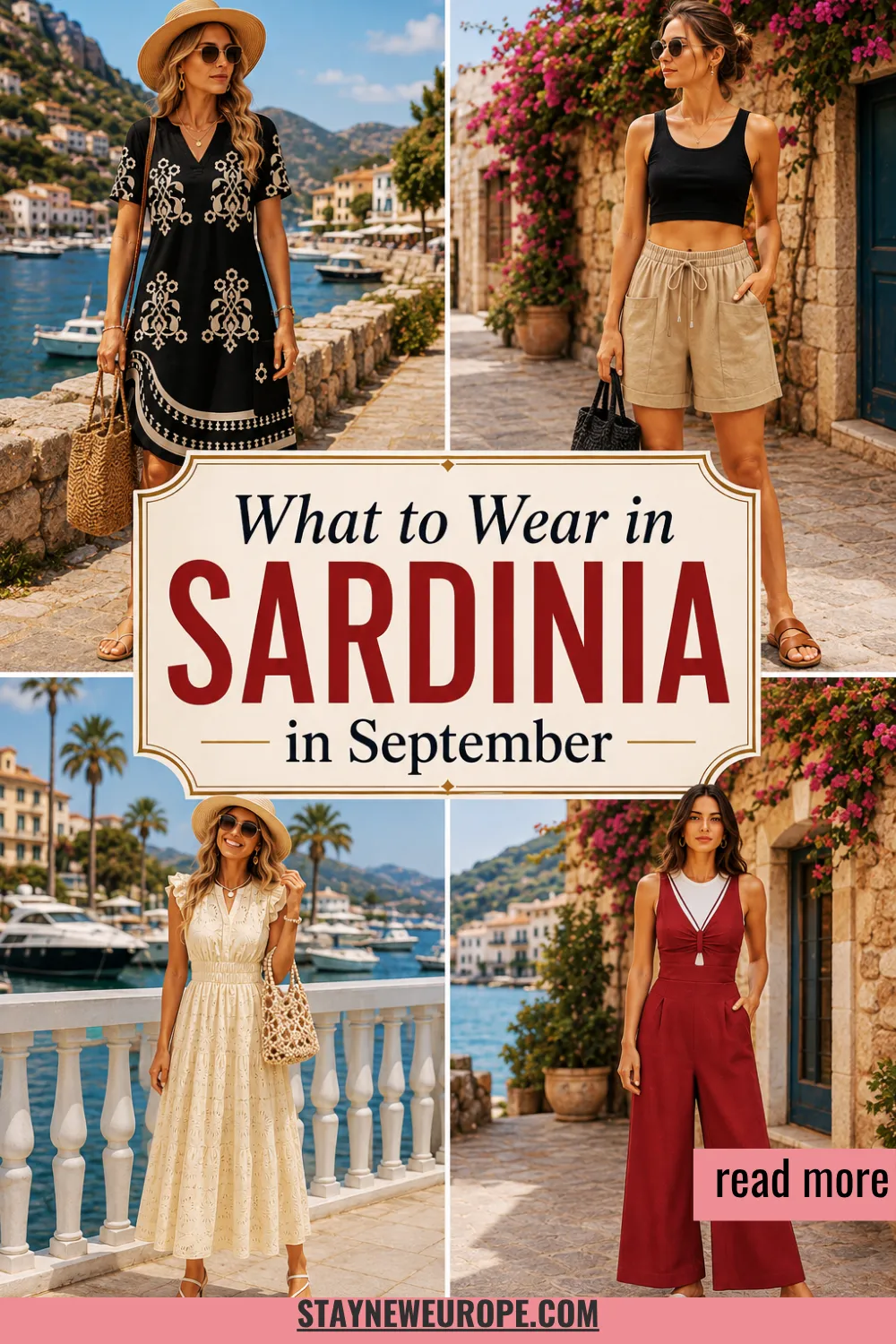
Let me be honest: I almost missed September in Sardinia entirely, because everyone told me to go in July. I’m so glad I didn’t listen. The beaches empty out, the sea is still warm enough to swim in for an hour without flinching, and the light turns this soft gold color by 6pm that makes every terrible camera phone photo look professional.
But I packed wrong the first time. I brought a suitcase built for August — swimsuits, tiny shorts, a single cardigan I optimistically assumed would cover “evening.” It didn’t. Sardinia in September is a shapeshifter: 28°C and glaring sun at 1pm, then a genuinely chilly wind off the water by 9pm that will have you regretting every packing decision you made.
This isn’t a “12 cute outfits for your grid” post. It’s what actually works when you’re walking cobblestones in Alghero, catching a boat to a beach with zero shade, and trying to look like you didn’t just wake up for a 9pm dinner reservation.
Before We Dive In
Weather in Sardinia in September: Days generally sit between 24–29°C (75–84°F), especially in the first half of the month — think late-summer heat, not autumn. By late September things ease off a few degrees, and mornings and evenings cool down noticeably, often dropping into the high teens Celsius. Rain is unlikely but not impossible, usually arriving as a short, dramatic downpour rather than an all-day soak. The maestrale wind can pick up out of nowhere, especially on the west coast, and it is stronger than it looks from your hotel window.
Walking conditions: Old town centers like Alghero, Bosa, and Cagliari’s Castello district are all cobblestones, uneven stone steps, and narrow alleys. Beach access on the west and south coasts is often rockier than the postcard shots suggest — you’ll want shoes that can handle both a pretty piazza and an unglamorous scramble down to the water.
Style culture: Italians dress with intention, even on holiday, and Sardinians are no exception. Beachwear stays on the beach. Away from the sand, you’ll see a lot of quietly put-together outfits — nothing flashy, just well-fitted basics, good sandals, and sunglasses that mean business. You don’t need to overdress, but showing up in a damp bikini cover-up to buy groceries will mark you as a tourist instantly.
The Bag You Actually Need
Here’s the thing nobody tells you: your suitcase matters less than the bag you carry every single day, because that’s the one doing the real work.
I went with a structured tote for the first two days and regretted it by day three — Sardinia’s terrain wants something hands-free.

A lightweight crossbody or a small structured backpack works far better for hopping between a beach visit, a lunch spot, and an afternoon of wandering a hill town. It needs to survive sand, hold sunscreen and a water bottle without becoming a brick, and not look completely out of place at a nicer dinner.

For the suitcase itself, don’t overthink it.

A carry-on-sized soft-sided duffel or spinner is genuinely all you need for a week to ten days here — Sardinia is not a destination that rewards heavy luggage on cobblestones and rental car trunks.

Local tip: if you’re island-hopping by ferry or doing day trips to smaller towns, a packable daypack that folds into your suitcase is worth the tiny bit of extra space. You’ll use it more than you expect.
Lightweight Layers (Why They Matter More Than You Think)
I underestimated this completely on my first trip. September in Sardinia isn’t cold, but the swing between midday heat and evening breeze is bigger than people plan for.
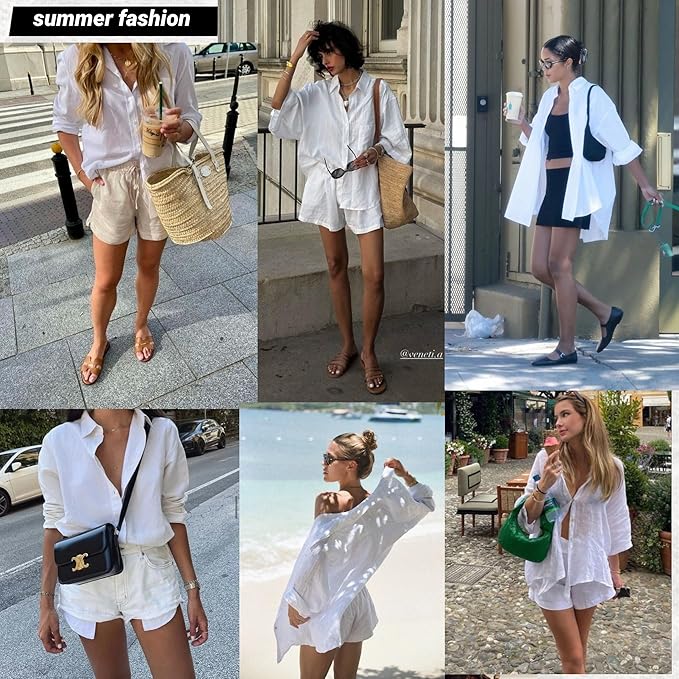
A light, breathable layer — think linen shirt, lightweight knit, or a cotton overshirt — is the single most-used item in a September Sardinia wardrobe.

You’ll throw it over a sundress at an outdoor dinner, tie it around your waist during a hot afternoon, and be grateful for it on a breezy evening ferry ride. It’s not about warmth so much as taking the edge off the wind.
Skip anything heavy or wool-based. You’re not layering for cold, you’re layering for wind and the occasional overcast morning. Two or three of these light pieces will get you through outfits all week without repeating anything obviously.

Local tip: pack layers in a color that works with everything — a warm white, sand, or soft olive will match every dress and short combo you bring, so you’re not doing complicated outfit math every morning.
Dresses That Match Sardinia’s Vibe
Sardinia isn’t Capri-glam and it isn’t rustic-Tuscany either — it has its own thing going on, somewhere between beach town and old fishing village, and your dresses should match that energy rather than fight it.
A midi dress in linen or a linen-cotton blend is the MVP here. It photographs beautifully against the whitewashed buildings of Alghero, it breathes in the heat, and it transitions from lunch to evening with barely any effort.
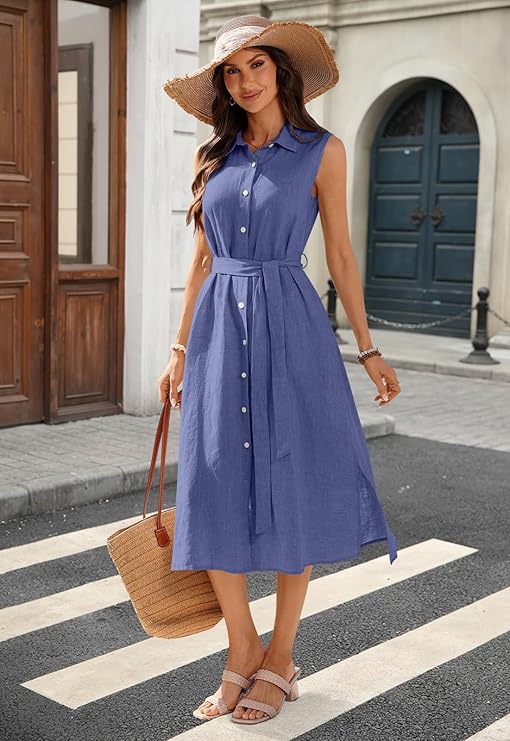
I wore the same navy linen midi dress four times on one trip and nobody — including me — noticed, because I changed the shoes and added a scarf each time.

Save your flowy maxi dresses for beach days and boat trips, where the extra fabric feels romantic rather than impractical.
For town, a knee-to-midi length in a sturdier fabric handles the wind (and the stares if you’re navigating uneven stone steps) far better than something that’s going to billow up every five seconds.

Local tip: bring one dress that can go from beach cover-up to dinner outfit with a shoe and jewelry change. It saves an enormous amount of suitcase space.
Jeans, Trousers, or Shorts — What Actually Works
By early evening in September, especially toward the end of the month, bare legs start to feel a little exposed once the sun drops. This is where a good pair of lightweight trousers earns its keep.
Linen trousers in a relaxed but not baggy cut are perfect for evenings — they read as put-together without trying too hard, and they don’t cling in the heat the way denim can.

I’d bring one pair, max two. Shorts are completely fine during the day, especially for beach towns and casual lunches, but choose a mid-length pair (just above or at the knee) over anything very short — it just moves more easily between “beach” and “café” without you having to think about it.

Jeans have a place too, mostly for cooler evenings or if the weather takes an unexpected turn — but leave the heavy denim at home and pack one lighter-weight pair instead.

Local tip: wide-leg linen trousers do double duty as both a daytime and evening piece, and they’re far more forgiving after a big plate of pasta than anything with a fitted waistband.
Comfortable but Stylish Walking Shoes
This is not the destination to test out brand-new sandals. I learned this the hard way on a walk along Bosa’s riverside — beautiful views, blistered heels, ruined afternoon.
You want two shoe categories here: something for genuine walking (cobblestones, hills, longer beach approaches) and something for evenings that still looks intentional.

A well-worn pair of leather sandals with actual arch support does most of the daytime work.

For evenings, a low block-heel sandal or a clean pair of leather flats will take you from dinner to an evening passeggiata without the ankle-turning risk of heels on stone streets.

Sneakers are fine and very common — just go for a clean, minimal pair rather than anything sporty-looking, which reads as gym wear rather than travel style here.

Local tip: if you’re visiting rockier beaches on the west or south coast, throw a pair of cheap water shoes in your bag. Flat sandals do not survive a rocky entry gracefully, and neither will your dignity.
What NOT to Wear (Tourist Mistakes)
A few things I either did myself or watched other visitors do, wincing the whole time:
Walking through town in beachwear is the biggest one — a bikini top and shorts might feel practical, but it reads as “just rolled off the sand” rather than “out for the evening,” and locals notice.
Full workout gear outside of, well, working out is another giveaway; leggings and a sports bra as a daytime outfit will mark you as a tourist fast. And very short shorts, while comfortable, tend to look more at-home on a beach towel than in a piazza or a church courtyard.
The other one: new shoes. I mentioned it above, but it deserves repeating — cobblestones will find every weakness in a shoe you haven’t broken in.
Jackets for Unpredictable Weather
You won’t need a real jacket for warmth most of September, but wind is a different story, especially near the coast or on a boat.

A lightweight denim jacket or a packable windbreaker earns its spot in your suitcase. It’s less about temperature and more about cutting the wind on an evening ferry, a boat trip, or a breezy dinner terrace.

Skip anything heavier — you genuinely won’t need it unless you’re visiting in the very last days of September and heading somewhere inland and higher up.

Local tip: a lightweight trench or utility jacket in a neutral tone works as both your “just in case” layer and an actual styling piece for evening outfits.
Evening Outfits in Sardinia
Evenings in Sardinia have their own rhythm — a slow aperitivo, a long dinner, a walk along the water after — and the outfit should match that pace rather than feel like a costume change.
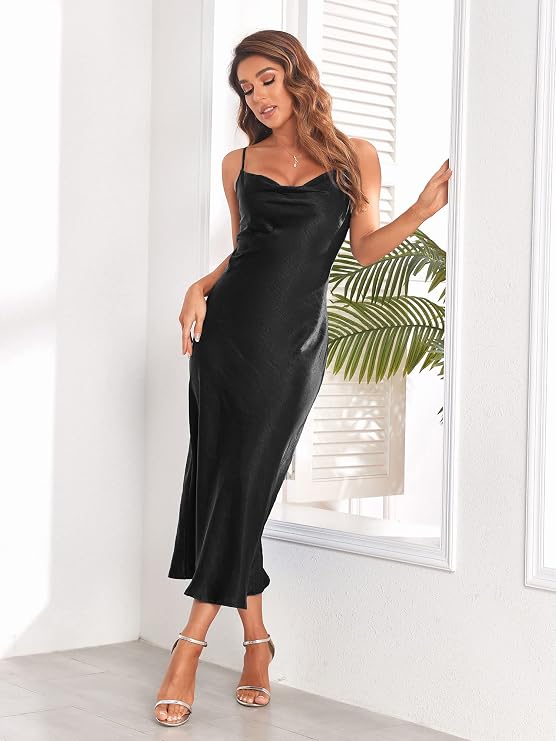
A linen jumpsuit or a simple slip dress with a light layer over it is an easy formula that works across most restaurants without overdressing.

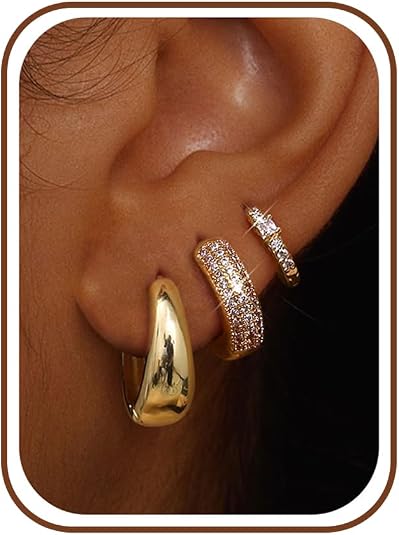
Add a pair of gold or silver hoops, sandals with a small heel, and you’re set for almost any evening in a coastal town.

Men tend to do well with a linen button-down, rolled sleeves, over lightweight trousers — smart but clearly on holiday.
Don’t feel pressure to dress up dramatically; Sardinia’s dinner culture is relaxed rather than formal, even at nicer restaurants. It’s more about looking finished than looking fancy.
What to Wear for Churches (Dress Codes)
If your itinerary includes any of Sardinia’s churches or cathedrals — and it probably will, even the small-town ones are worth ducking into — shoulders and knees need to be covered, no exceptions, at most sites.
A lightweight scarf thrown in your daytime bag solves this instantly; it can cover shoulders on the spot without you needing to carry a whole extra outfit. If you’re wearing shorts that day, swap in your linen trousers before visiting, or plan church stops for the parts of the day when you’re already dressed a little more covered.

Local tip: this rule gets enforced more strictly at Cagliari’s cathedral and some of the older churches in Alghero’s historic center than you might expect — don’t assume a smaller town means a more relaxed door policy.
Accessories That Elevate Simple Outfits
Sardinia rewards a slightly-more-than-basic approach to accessories, mostly because your outfits themselves are staying simple and breathable.
Gold hoops or a stack of thin bracelets do a lot of work with almost no effort.
A woven or straw bag adds texture against all the linen you’ll be wearing.

And sunglasses matter more here than almost anywhere else I’ve traveled — the coastal light is bright even on a slightly hazy day, so bring a pair you actually like wearing, not a backup pair you’ve been meaning to retire.

Local tip: a wide-brimmed straw hat isn’t just a photo prop here — midday sun on the beaches, especially the more exposed coves, is genuinely intense even in late September.
Rain Preparation (Unexpected but Important)
Rain isn’t the headline of a Sardinia September trip, but when it shows up, it tends to arrive fast and leave just as quickly — a short, sharp storm rather than a gray, drizzly day.
A compact umbrella that actually fits in your daily bag is worth the small space it takes up.

Skip the raincoat unless you’re traveling in the very final days of the month; a packable layer that can handle a light shower, paired with shoes that won’t be ruined by a sudden puddle, covers you for the rare occasion it happens.
Fabrics to Choose (and Avoid)
Linen and linen blends are doing almost all the heavy lifting in a September Sardinia wardrobe, and for good reason — they breathe, they handle heat and humidity, and they look intentionally relaxed rather than wrinkled and sad by 3pm (well, mostly).
Cotton is your reliable backup for anything linen can’t quite do — tees, casual dresses, layering pieces. Avoid synthetic blends that trap heat, and go easy on heavier denim, which will feel like overkill most days. A little stretch in your fabrics helps too, especially for anything you’re wearing through a long day of walking and boat trips.
A Simple Capsule for Sardinia in September
If you want the shortcut version, here’s roughly what earns a spot in the suitcase: two or three linen dresses, one pair of linen trousers, one pair of shorts, three or four breathable tops, one light layer (cardigan or overshirt), one packable jacket or windbreaker, walking sandals, evening sandals, sneakers, and a swimsuit or two. Everything in a tight, neutral-leaning color palette so it all mixes without much thought.
Packing It All: How Much Is Actually Enough
For a week to ten days, five to six full outfits is plenty if you’re building around a small color palette — you’re not going to need a different look for every single day, and nobody on this trip is tracking your repeats except you.
Overpacking usually comes from “just in case” thinking — the extra jacket for a cold snap that never comes, the third pair of shoes you never touch. Before you zip the suitcase, lay everything out and cut anything that only works with one single outfit. If a piece can’t pair with at least two or three other things you’ve packed, it’s dead weight.
The other mistake worth avoiding: packing your whole trip around swimwear and forgetting the wind. September Sardinia is warmer than people expect during the day and breezier than people expect at night — pack for both, not just the Instagram version of one.
If you’re planning to explore beyond the island, our guide on what to wear in Sardinia in summer is a useful comparison for how the wardrobe shifts once the season cools even slightly.
There’s a particular kind of golden evening light in Sardinia in September — the beaches are quieter, the sea is still warm, and the whole island feels like it’s exhaling after a busy summer. Pack light, pack for both the heat and the wind, and leave a little room in the suitcase for whatever you inevitably pick up in a market in Alghero. You’ll be glad you did.

