
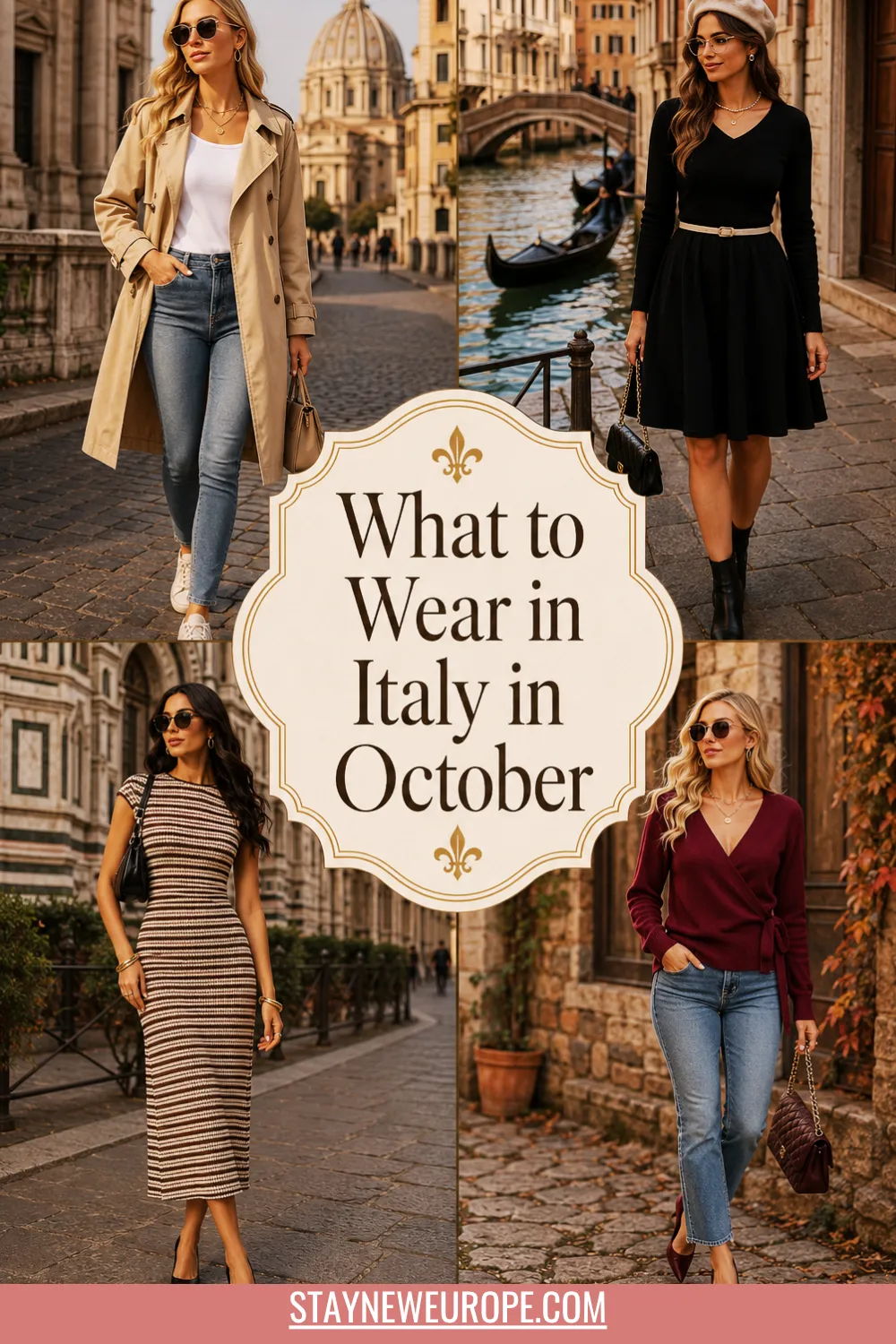
Let me be honest with you: October in Italy tricked me for years. I’d show up with a suitcase full of “just in case” sweaters, convinced I was headed into full autumn, and then find myself sweating through a 24°C afternoon in Rome with a wool cardigan tied uselessly around my waist. Then the sun would drop behind a building and I’d be genuinely cold within twenty minutes.
That’s the thing nobody tells you about Italy in October — it isn’t one season, it’s three of them happening in the same day. Cool mornings, warm middays, chilly nights, and the odd rain shower that shows up uninvited and ruins your suede boots if you weren’t ready for it.
So this isn’t a generic “pack layers” list. This is what I’ve actually learned wearing the wrong things in the wrong cities, and slowly figuring out what earns a spot in the suitcase and what just takes up space.
Before We Dive In
Weather condition: October in Italy runs a real temperature spread depending on where you land. Up north — Milan, Venice, Lake Como — you’re looking at highs around 16-19°C (60-66°F) and mornings that can dip into single digits Celsius, genuinely brisk. Central Italy, meaning Rome and Florence, sits a little kinder, often 12-22°C (54-72°F), with afternoons that can still feel like a proper summer if the sun’s out. Head south to Sicily, Puglia, or the Amalfi Coast and October can feel like borrowed summer, with days still comfortably in the low-to-mid 20s°C.
Rain: is the other variable. October is one of the wetter months in most of Italy, and when it rains, it tends to actually rain — not a gentle drizzle, a proper downpour that turns cobblestones into a hazard. Which brings me to the second thing: the walking. Italian cities are not built for comfort-first footwear decisions. You’ll cross uneven cobblestones, climb worn stone steps, and cover more distance on foot than you think, so whatever’s on your feet needs to actually work, not just look good in photos.
Style culture: And then there’s the culture piece, which matters more in Italy than almost anywhere else in Europe. Italians dress with intention, even running errands. You don’t need designer labels, but a slightly put-together approach — a real jacket instead of a hoodie, shoes that aren’t obviously athletic sneakers — will make you feel considerably less like a tourist and more like someone who belongs on that street.
Layering Is Doing More Work Than Any Single Item
Here’s the thing that took me embarrassingly long to learn: in October, no single piece of clothing is going to carry your whole day. The temperature swing between 8am and 8pm can be ten degrees or more, and that means your outfit needs to be built in pieces you can add and subtract, not one fixed look.
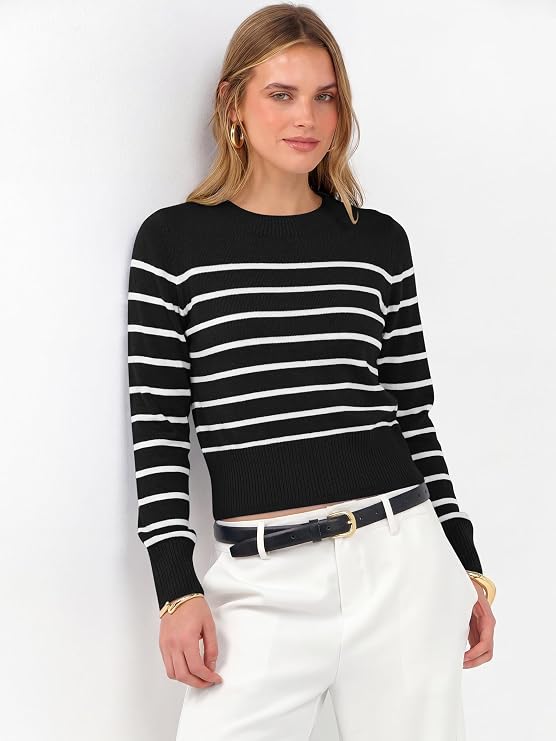
Think in terms of a base layer that works alone if it has to (a long-sleeve tee, a lightweight knit top), a mid-layer that adds real warmth (a cardigan, a light sweater), and an outer layer that handles wind and the occasional rain shower.

The trick is making sure each layer still looks intentional on its own — nobody wants to be visibly wearing three items just for warmth, it should read as an outfit at every stage.

I’ve started judging every piece I pack for October by one question: can this be worn alone, and can it be worn under something else? If the answer to both is yes, it earns a spot.
Local tip: Pack one genuinely warm mid-layer and rotate it daily rather than bringing three medium ones. It does more work, takes less space, and you’ll actually wear it every single day, which means it should be a piece you love.
A Lightweight Jacket or Trench for the Unpredictable Bits
This is the one item I will not travel to Italy in October without, and it’s usually the item people either forget or overpack the wrong version of.
You don’t need a heavy winter coat — you need something that blocks wind, handles a light rain, and still looks like an outfit choice rather than storm gear.

A trench coat is the obvious answer and it earns its reputation. It works over a dress for dinner, over jeans and a sweater for sightseeing, and it photographs beautifully against basically every backdrop Italy has to offer.
If trench coats aren’t your thing, a structured lightweight wool-blend jacket does the same job with a bit more warmth built in for the northern cities.

What I’d genuinely steer you away from is the puffer jacket. It’s warm, sure, but it reads as “I packed for the wrong country” in a place where even casual outerwear tends to have some shape to it. If you’re worried about cold nights in Milan or Venice, a jacket with a warm scarf underneath will outperform a bulky puffer every time.
Local tip: If you’re covering Rome, Florence, and Venice on the same trip, pack the slightly heavier jacket option — you’ll appreciate it in Venice’s damp evening air even if you don’t need it in Rome.
Jeans, Trousers, or That Skirt You Weren’t Sure About
Denim genuinely earns its place in an October Italy wardrobe in a way it doesn’t in July — the temperature finally supports it without you sweating through a piazza tour.

Dark, well-fitted jeans work for basically every situation short of a fancy dinner, and they pair easily with boots, sneakers, or loafers depending on the day.

Tailored trousers are the slightly more elevated option, particularly if you’re spending time in Milan, where the bar for “put together” sits a notch higher than the rest of the country.
A wide-leg trouser in wool or a heavier cotton blend reads as effortless without trying too hard.

And yes, a midi skirt still works in October — I was skeptical the first time I packed one for a fall trip, assuming it would feel wrong once the weather cooled. It doesn’t, as long as you pair it with tights or boots and a proper sweater on top. It’s actually one of the more versatile pieces for dinner-out situations.

Local tip: Bring at least one pair of dark trousers that can go from a museum morning to a dinner reservation without a full outfit change — it saves suitcase space and decision fatigue.
Dresses Still Work — You Just Build Them Differently
I used to assume dresses were a summer-only item, packed away once October hit. That’s wrong, but the approach genuinely changes.
Instead of a floaty, sleeveless summer dress, think about pieces that already carry some warmth — a sweater dress, a long-sleeve midi in a heavier knit fabric, something that functions as a near-complete outfit on its own.

A sweater dress paired with ankle boots and tights, topped with your trench, is one of my favorite October Italy formulas.

It photographs well, it’s genuinely comfortable for a full day of walking, and it transitions from sightseeing to a casual dinner without much effort. For the Amalfi Coast or Sicily, where October still runs warmer, a slightly lighter long-sleeve dress with a cardigan on standby will cover you without overheating.

Local tip: If a midi dress is doing double duty as a daytime and evening piece, pack one statement accessory — a belt or a scarf — that changes its character enough to not feel repetitive in photos.
Comfortable Walking Shoes That Don’t Look Like Gym Shoes
I’ll say this plainly: your shoes matter more than anything else in your suitcase in October. The cobblestones don’t care how good your outfit looks if your feet give out by 2pm, and rain-slicked stone streets are genuinely slippery in the wrong soles.
Ankle boots are the October MVP — they handle uneven ground, they layer well with tights or cropped jeans, and they read as intentional rather than purely practical.
For milder southern cities, a clean leather sneaker or a supportive loafer still works, especially paired with socks for the cooler mornings.

What I’d avoid is anything brand-new and unbroken-in. October is not the month to test a pair of boots for the first time on eight kilometers of Roman pavement — I learned that one the hard way, blisters and all, somewhere around the Spanish Steps.

Local tip: Pack a small tube of blister plasters regardless of how broken-in your shoes are. Even reliable boots misbehave after a dramatically longer walking day than usual.
What Not to Wear (The Tourist Tells)
There are a few things that will mark you as a tourist within about two seconds of stepping outside, and most of them are avoidable without sacrificing comfort.
Athletic wear worn as everyday clothing — leggings as pants, branded gym sneakers, oversized graphic hoodies — reads instantly as “just landed” rather than “lives here, or knows how to travel here.”
Flip-flops are another one, both for comfort reasons (cobblestones) and style ones.
Shorts, once October properly sets in outside the far south, tend to look mismatched with everyone else’s layered, put-together approach.
And the classic overpacked rain poncho, while functional, is one of those items you’ll actually be glad you left at home in favor of a proper compact umbrella and a water-resistant jacket.
None of this means dressing formally — Italians do casual very well, it’s just casual with intention, not casual as an afterthought.
Local tip: If in doubt, picture what a stylish local university student would throw on for a coffee run. That’s roughly the bar, and it’s more relaxed than people assume.
Dressing for Churches (This One Actually Gets Enforced)
This is the rule that trips up more travelers than any weather consideration, and October is prime church-and-basilica season since the crowds have thinned enough to actually get inside.
Shoulders and knees need to be covered, for both men and women, and this gets checked at the door of major sites — St. Mark’s, St. Peter’s, the Duomo — not just quietly suggested.
The good news is that October’s cooler weather makes this genuinely easy, since you’re already leaning on layers and longer hemlines anyway. A cardigan thrown over a sleeveless dress, or trousers instead of shorts, solves it without any extra planning.

I’ve written a full breakdown of what actually gets you turned away versus what’s fine in my guide to dress codes for churches in Italy, because the rules are stricter and more specific than most people expect.
Local tip: Keep a lightweight scarf in your daybag at all times during October sightseeing — it doubles as a shoulder cover for an unplanned church stop and as an extra layer if the wind picks up.
Evening Outfits: Slightly More Effort Than You Think
Dinner in Italy tends to warrant a small step up from your daytime look, especially in cities like Milan or Rome where a nice restaurant is genuinely part of the evening’s entertainment, not just a meal. You don’t need to change entirely — think of it as swapping one or two pieces rather than a full transformation.
Trade sneakers for boots or heeled loafers, add a blazer or your trench over the same dress you wore during the day, and you’ve covered it.

A silk or satin top under trousers works beautifully for a dressier dinner without requiring you to pack anything purely for evening use.

For what to wear in Milan in September or October evenings specifically, I’d lean slightly more polished than Rome or Florence — Milan’s dinner culture runs a touch more fashion-forward, and it shows.
Local tip: One statement piece of jewelry — a bold earring, a good watch — does more for an evening look than an entirely separate outfit. It’s the easiest way to elevate without extra suitcase weight.
Accessories That Elevate a Simple Outfit
A great scarf, a leather belt, and a pair of good sunglasses can turn the same three basic outfits into something that looks intentional every single day — which matters when you’re trying to pack light but still look put together across a week-long trip.
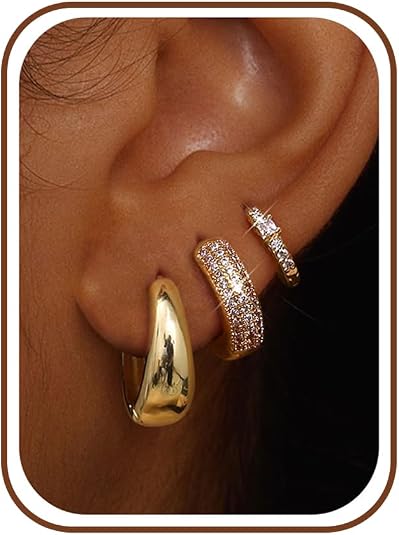
Gold or warm-toned jewelry tends to suit Florence’s ochre-and-terracotta color palette better than silver, though this is entirely a personal call.
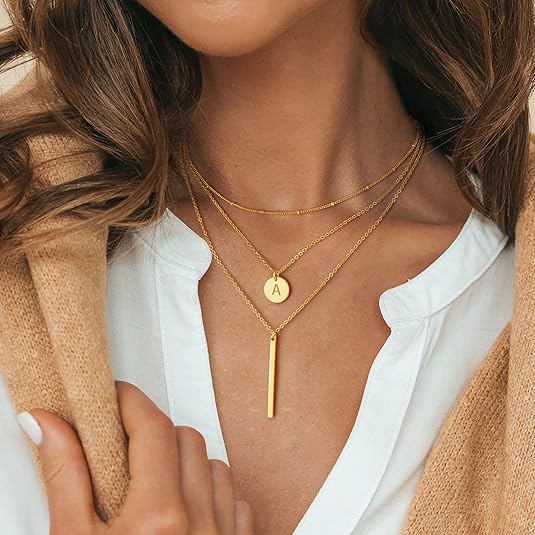
Belt are also very simple and convert a simple outfit into chic and elegant vibe.

A good scarf, a structured belt, and a pair of statement earrings can turn the same jeans-and-sweater combination into three visually different outfits across a week.

Bags: Crossbody Over Everything Else
Practically speaking, a crossbody bag is the single most useful accessory decision you’ll make for an October Italy trip. It keeps your hands free for the inevitable gelato, sits securely across crowded vaporetto stops or metro platforms, and doesn’t scream “tourist target” the way an oversized backpack sometimes can in denser city centers.

I pack one structured crossbody in a neutral leather or leather-look material that works with every outfit, sized to hold a phone, a wallet, a lipstick, and a folded scarf — enough for a full day out without needing to circle back to the hotel.
Local tip: Choose a bag with a zip closure rather than a magnetic snap or open top. Crowded piazzas and public transport are exactly where a secure closure earns its keep.
Rain Prep, the Unglamorous Essential
October rain in Italy has a habit of arriving fast and heavy rather than lingering as a light drizzle, so proper rain prep genuinely changes how much of your trip you enjoy versus spend sheltering in a café doorway.

A compact umbrella that actually fits in your daybag is non-negotiable, and it’s worth spending slightly more for one that survives a gust of wind off a canal.

Water-resistant boots or shoes matter more than people expect — suede looks lovely but does not survive an Italian downpour gracefully, and you’ll be nursing ruined shoes for the rest of the trip. A packable rain shell under your jacket is a smart backup for anyone spending real time in Venice or the Amalfi Coast, where sudden weather shifts are more common.

Local tip: Check the forecast the night before rather than the morning of — Italian weather apps tend to shift predictions quickly, and knowing the night before gives you time to actually plan around it instead of scrambling.
Packing It All: How Much Is Actually Enough
For a week-long October trip, I aim for roughly five to six tops, two to three bottoms, one dress, two sweaters, one jacket, and two pairs of shoes — everything mixing and matching into far more outfit combinations than the piece count suggests. That’s usually enough for ten to twelve distinct looks without repeating anything obviously.
The mistake I made for years was overpacking “just in case” items that never left the suitcase — a third jacket, a pair of shoes I wore once. Building around a tight color palette (neutrals plus one or two accent colors) does more to solve the overpacking instinct than any packing cube ever has, because everything is designed to work with everything else from the start.
Lay your outfits out by day before you pack, not after — it’s the single change that’s saved me the most suitcase space and the most decision-making energy once I’m actually in Italy and would rather be looking at the view than my closet.
There’s something genuinely satisfying about getting an October Italy wardrobe right — walking into a chilly morning piazza in a coat that actually works, watching the temperature climb through the afternoon without needing to detour back to the hotel, and still looking like you meant to be there. That’s really all this is about: fewer wardrobe headaches, more time looking up at the architecture instead of down at a suitcase. Pack smart, layer well, and let the month do what it does best — show you an Italy the summer crowds never get to see.

