
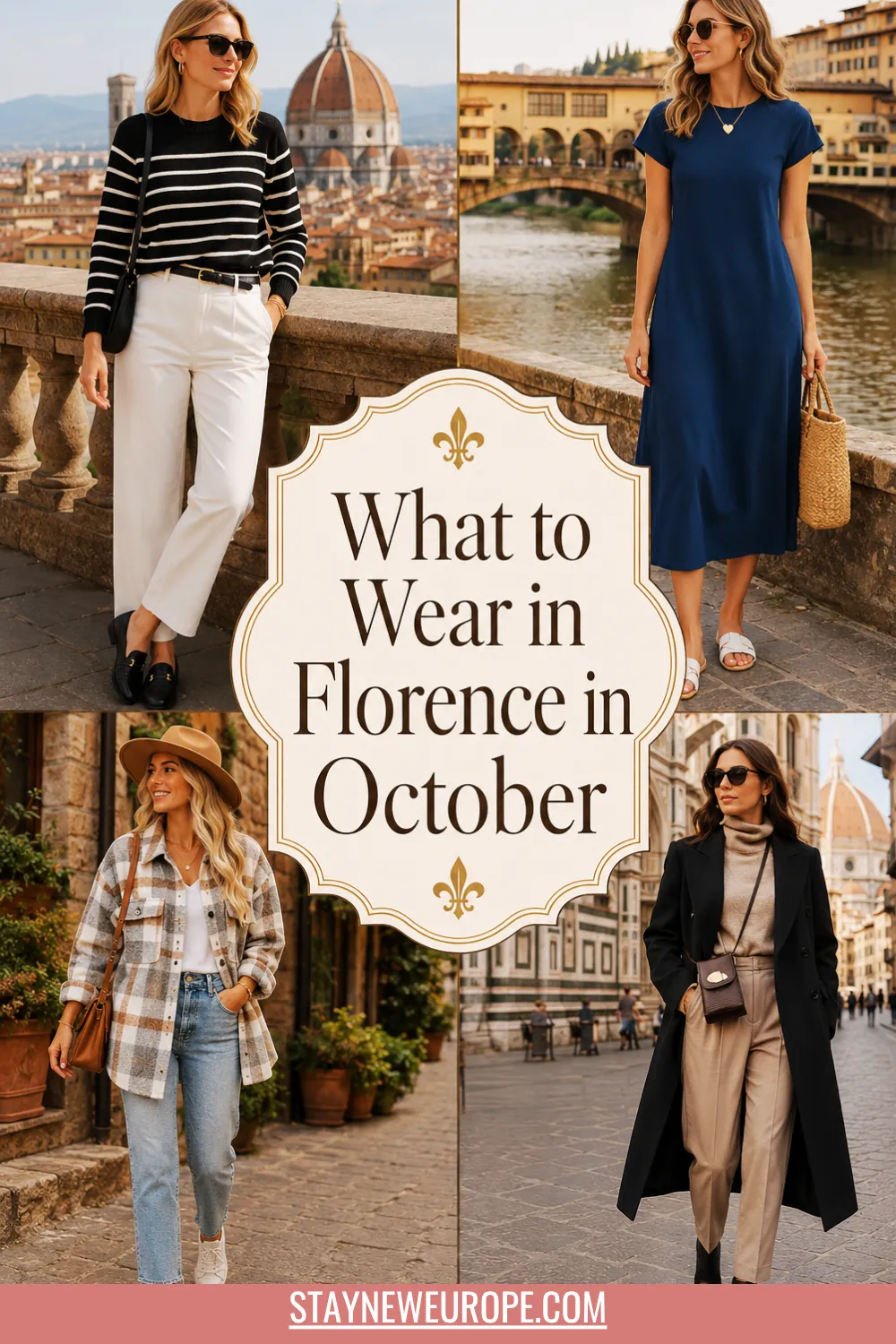
Florence in October is the city finally exhaling. The summer crowds have thinned, the light goes that deep honey-gold in the late afternoon, and for the first time all year you can actually hear your own footsteps on the Ponte Vecchio. It’s also — and I say this with love — one of the trickiest months to pack for.
You’ll start the morning in a light jacket, peel it off by eleven, and be reaching for it again the second the sun drops behind the Duomo. I learned this the hard way on my first October trip, when I packed like it was still September and spent three days cold on the Arno at sunset because I’d left every real layer at home.
So this isn’t a generic packing list. This is what actually works when you’re walking six miles a day on uneven stone, ducking into churches with strict dress codes, and trying not to look like the only tourist in Birkenstocks in a city where even the guy selling leather wallets on the street is dressed better than you.
Before We Dive In
The weather. October in Florence is genuinely mixed. Early in the month you can still get afternoons that hit 22-23°C (73°F), while by the end of October you’re looking at highs closer to 16-17°C (61-63°F) and mornings that dip into the low 50s Fahrenheit (around 10-11°C). Rain shows up more often than in summer — not constant downpours, but the kind of sudden, sideways shower that catches everyone without an umbrella. Humidity is moderate, not the thick, sticky mess of July.
The walking. Florence’s historic center is compact but brutal on footwear. The streets are paved in sampietrini — those smooth, rounded cobblestones that look charming in photos and feel like ball bearings under the wrong shoe. Add in the climb up to Piazzale Michelangelo for the sunset view everyone’s Instagram demands, and you’ve got a city that punishes bad shoe choices within about two hours.
The style culture. This matters more in Florence than almost anywhere else in Italy. This is the birthplace of Gucci, Ferragamo, and Pucci — a city where “well-dressed” isn’t an occasion thing, it’s a Tuesday. Locals aren’t wearing anything fussy, but everything fits properly, colors are considered, and nobody is in head-to-toe athletic wear unless they’re actually running. If you’ve read our guide to what to wear in Florence in May or what to wear in Florence in June, you’ll know the underlying rules don’t change much by season — it’s the layering that does.
The Bag: Crossbody Over Backpack, Every Time
You’ll hear conflicting advice on this, so let me settle it: in Florence, a structured crossbody or small leather tote beats a backpack nine times out of ten.
Florence’s centro storico is dense with narrow streets, tight museum queues, and crowded vaporetto-style buses where a backpack turns you into a walking hazard.
A crossbody bag with a zip closure keeps your hands free for gelato, your phone accessible for photos of the Duomo, and your valuables against your body in crowded spots like the Mercato Centrale or the queue outside the Uffizi.
I switched from backpack to crossbody halfway through a trip years ago and genuinely can’t go back — the difference in how easily you move through a crowd is night and day.

If you’re doing a day trip out to Siena or the Chianti countryside, a small foldable tote that packs into your crossbody is worth the extra ounce. You’ll thank yourself when you’re hauling home a bottle of Chianti Classico.

Local tip: Leather goods in Florence are genuinely excellent and not always more expensive than at home — if your current bag is falling apart, this is a reasonable place to actually replace it rather than just admire the shops.
Lightweight Layers (Why They Matter More Than a Heavy Coat)
October in Florence isn’t a “pack one warm coat and call it done” situation. The temperature swing between a 9am cappuccino and a 7pm aperitivo can be ten degrees or more, and that means your outfit needs to work in pieces, not as one fixed unit.
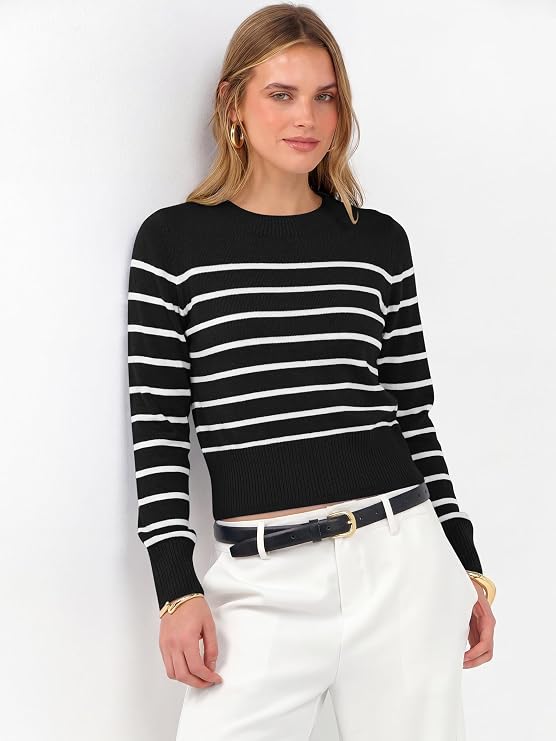
Think in terms of a base layer (a fine-knit long-sleeve top or a lightweight sweater), a mid layer (a cardigan or light knit), and an outer layer you can add or shed without completely changing your outfit.
This is the trick nobody tells you: you’re not dressing for “October,” you’re dressing for four different micro-seasons within the same day.

A merino wool or cotton-blend long-sleeve top is your MVP here — breathable enough for a warm afternoon walk, warm enough under a jacket for the evening chill. Avoid anything too heavy or bulky; you’ll be carrying it more than wearing it.
Local tip: Florentines layer with scarves as much as with jackets. A lightweight scarf takes up almost no suitcase space and can single-handedly upgrade a plain outfit while doubling as extra warmth for a cool evening on the Arno.
Dresses That Actually Match Florence’s Vibe
Florence isn’t Venice’s romantic drift or Rome’s chaotic energy — it’s more restrained, more Renaissance elegance than beach-adjacent breeziness.
A midi dress in a rich autumnal tone (terracotta, olive, burgundy, camel) reads exactly right against the city’s stone streets and warm ochre buildings.

What doesn’t work: flowy sundresses built for a beach holiday. They look out of place against Florence’s more architectural, tailored backdrop, and they leave you cold the second the sun dips.

What does work: a knit midi dress or a shirt dress in a slightly heavier fabric, paired with tights or opaque leggings once the temperature drops in the evening.

For museum days, a dress that already covers the shoulders solves the church dress code problem before you even think about it — more on that below.
Local tip: Add a thin leather belt to a shift dress and it instantly reads more “local” and less “just landed from the airport.” Florentines are subtle but precise about proportion.
Jeans, Trousers, or Something in Between
By October, shorts are largely off the table — not because of any dress code, but because they simply don’t suit the weather or the aesthetic once the temperature drops.
Straight or slightly wide-leg trousers in a mid-weight fabric are the most versatile lower-body option: comfortable enough for six hours of walking, smart enough for a nice dinner without changing.

Dark denim is a safe, easy choice and blends in far better than the light-wash, distressed styles you might wear at home. If you’re bringing jeans, go for a well-fitted straight or slightly tapered cut rather than anything baggy — fit matters more than the specific cut in a city this style-conscious.

Leggings work fine for long walking days but style them like real trousers — paired with boots and a structured jacket, not with athletic wear head to toe.

Local tip: Corduroy trousers have quietly become an October favorite among Florence’s shopkeepers and café staff — a texture that reads as intentional rather than casual, and warm enough to skip an extra layer underneath.
Comfortable but Stylish Walking Shoes
This is the section where I have to be blunt: your shoes will make or break this trip. Florence’s sampietrini cobblestones are unforgiving on flimsy soles, thin sandals, and anything without real arch support.
A leather sneaker (white, tan, or a muted color — not the neon gym kind) is the workhorse choice. It reads casually stylish, handles wet cobblestones after a rain shower, and survives a full day of walking without destroying your feet.

Ankle boots are the second-best option, particularly for evenings — a low block heel is manageable on cobblestones in a way stilettos simply are not, but keep the heel under two inches if you’re doing any real distance in them.

Whatever you bring, break it in before you land. October is not the month to discover a blister on day one.
Local tip: Avoid anything with a completely flat, smooth sole — the cobblestones get slick fast after rain, and a bit of tread genuinely makes a difference.
What NOT to Wear (The Mistakes I See Constantly)
A few things that mark you as underprepared rather than stylish:
flip-flops (brutal on cobblestones and a fast way to twist an ankle),
athletic wear as everyday clothing (fine for actual exercise, out of place everywhere else),
tank tops with spaghetti straps as your only top (you’ll need church-appropriate coverage more than once, and you’ll be cold by 6pm anyway), and anything visibly wrinkled straight from the suitcase — Florence notices this more than most cities.
I’d also gently steer you away from oversized “I heart Italy” merchandise-style clothing. It’s not a moral failing, it just doesn’t match the aesthetic you’re walking through, and locals do notice the contrast.
Local tip: If in doubt, dress slightly more put-together than you think you need to. Florence rewards a little effort — you’ll feel more at ease in restaurants and shops if you’re not the most casually dressed person in the room.
Jackets for Unpredictable Weather
Your jacket is doing the most work of any single item in your October suitcase, so choose carefully.
A mid-weight trench coat or a structured wool-blend jacket covers you for the majority of October days — warm enough for a cool morning, breathable enough that you won’t be sweating by noon.

Pack one genuinely weatherproof layer too — a light rain jacket or a trench with water resistance. October rain in Florence tends to arrive fast and leave fast, and an umbrella alone won’t help much when you’re navigating narrow streets with everyone else’s umbrellas at eye level.

Leather jackets work beautifully here too, both functionally and aesthetically — they handle a light drizzle fine and fit right into the city’s general mood.

Local tip: Skip the puffer coat unless you run genuinely cold. Florence in October rarely gets cold enough to need one, and a bulky puffer looks distinctly out of place against the city’s more tailored style.
Evening Outfits: Dinner, Aperitivo, and the Golden Hour
Evenings in Florence deserve a slightly elevated version of your daytime look — not a full outfit change, just an upgrade.
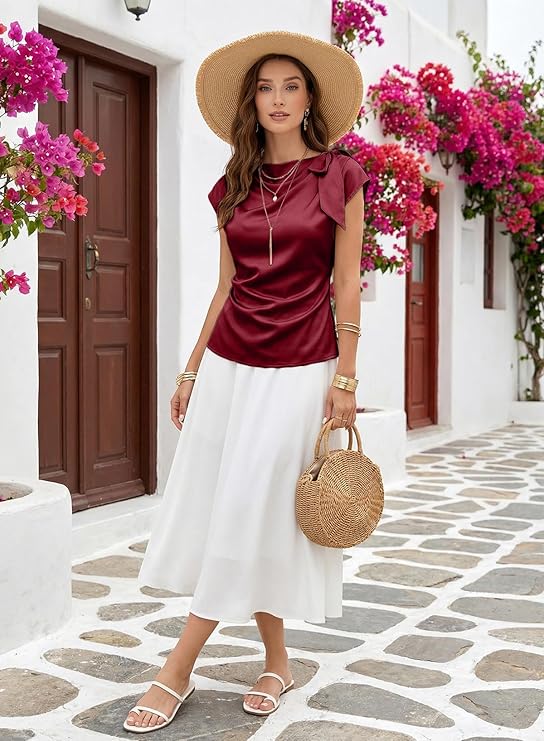
Swap sneakers for ankle boots or loafers, add a blazer or a nicer knit over your daytime top, and you’re set for an aperitivo at a wine bar near Santa Croce or a proper sit-down dinner.
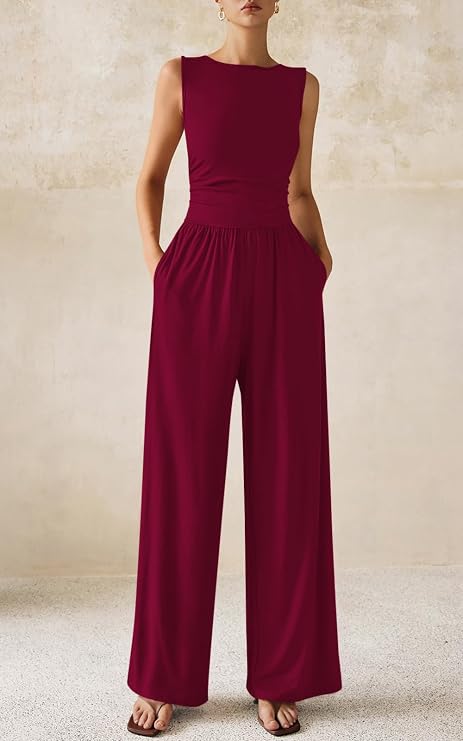
October evenings cool down fast once the sun sets around 6:30-7pm, so whatever you’re wearing needs a real layer, not just a light cardigan. A wool coat over a simple dress or trousers-and-blouse combination works for almost any restaurant in the city, from a casual trattoria to something more special.

Local tip: Florence doesn’t really do strict “smart casual” dress codes at restaurants the way some cities do, but showing up looking pulled-together will get you noticeably warmer service in the city’s better spots.
What to Wear for Churches (The Dress Code Nobody Warns You About)
Florence has an extraordinary number of churches worth visiting — the Duomo, Santa Croce, Santa Maria Novella, San Miniato al Monte above the city — and nearly all of them enforce a real dress code: shoulders and knees covered, no exceptions, regardless of how hot or tired you are.
The easiest fix is building this into your daily outfit rather than carrying a separate cover-up.
A midi dress or trousers paired with a top that already covers the shoulders means you can walk into any church without scrambling for a scarf at the door.

If you do wear something sleeveless, keep a lightweight scarf or shawl in your bag — you’ll need it more than once, and the volunteers checking at the entrance are not flexible about this.
Local tip: San Miniato al Monte, above Piazzale Michelangelo, is one of the most beautiful and least crowded churches in the city — worth the climb, and worth dressing properly for, since the monks there are notably strict about the dress code.
Accessories That Elevate a Simple Outfit
A great scarf, a leather belt, and a pair of good sunglasses can turn the same three basic outfits into something that looks intentional every single day — which matters when you’re trying to pack light but still look put together across a week-long trip.
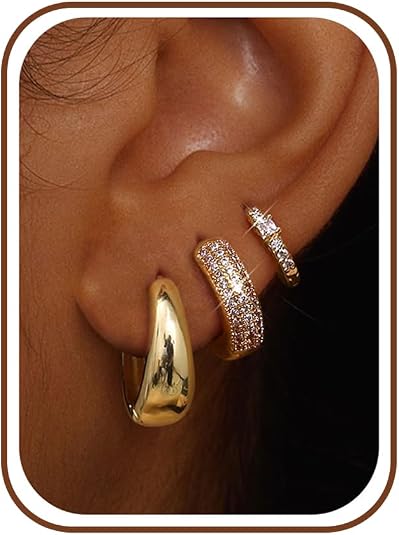
Gold or warm-toned jewelry tends to suit Florence’s ochre-and-terracotta color palette better than silver, though this is entirely a personal call.

Local tip: Florence’s San Lorenzo leather market is a genuinely good spot for an affordable leather belt or small accessory if you want to add something local into your outfit rotation mid-trip.
Rain Preparation (Because October Will Test You)
October rain in Florence isn’t the gentle, all-day drizzle you might be picturing — it tends to be short, sudden, and occasionally intense, followed by clear skies an hour later.
A compact umbrella that actually fits in your daily bag is worth its weight; the wide golf umbrellas sold to desperate tourists at inflated prices near the Duomo are not a good use of your ten euros.

Your outer layer should ideally have some water resistance built in — a treated trench or a light rain jacket rather than something that soaks through in five minutes.
Suede shoes are the one material I’d genuinely avoid this month; a sudden shower will ruin them fast, and Florence’s stone streets pool water quickly in low spots.
Local tip: If you get caught without an umbrella, duck into one of the covered loggias — the Loggia dei Lanzi off Piazza della Signoria is both a genuine rain shelter and an open-air sculpture gallery, so you’re not exactly losing time.
Fabrics to Choose (and Avoid)
Wool blends, cotton twill, corduroy, and mid-weight knits are your friends this month — breathable enough for a warm afternoon, structured enough to hold up against wind and light rain. Merino wool in particular is worth the investment if you don’t already own some; it regulates temperature far better than synthetic alternatives and takes up almost no packing space.
Linen, your best friend in a Florence summer, starts to feel thin and slightly wrong by October — not unwearable, but better as a base layer under something warmer than as your main fabric. Steer clear of anything purely synthetic and non-breathable for full days of walking; you’ll overheat indoors and then get chilly the second you step back outside.
Local tip: A wool-cotton blend cardigan is quietly the single most useful item in an October Florence suitcase — light enough for midday, warm enough layered for evening, and it looks intentional rather than purely functional.
A Capsule Wardrobe for Florence in October
If you want to pack genuinely light, build around a tight color palette — camel, black, olive, burgundy, and one neutral cream — so that every top works with every bottom. Roughly five tops, two-to-three bottoms, one dress, and two jackets (one structured, one weatherproof) gives you well over a dozen outfit combinations without overpacking.
This is where the Italy travel checklist comes in handy if you want a printable reference while you’re actually packing your suitcase — it’s built around exactly this kind of mix-and-match approach.
Local tip: Pack one item you genuinely love wearing, even if it doesn’t perfectly fit the capsule logic. You’ll be in photos all week — bring the thing that makes you feel like yourself.
Practical Packing: How Much to Actually Bring
For a week in Florence in October, aim for roughly five to seven tops, two to three bottoms, one versatile dress, two jackets, and two pairs of shoes — one walking-focused, one slightly dressier for evenings. That’s genuinely enough for daily outfit changes without repeating anything too obviously, especially if you’re mixing and layering pieces.
The biggest mistake I see (and made myself, more than once) is overpacking “just in case” heavy items — a second bulky coat, three pairs of jeans, shoes you’ll wear once. Every one of those is dead weight on cobblestones you’re personally hauling up four flights of stairs to an Airbnb with no elevator. If you’re also tackling a longer multi-city trip, our carry-on packing guide is worth a read before you even start laying clothes on the bed.
Plan your outfits loosely before you pack rather than throwing in everything you own — lay out five or six combinations, check that each piece works in at least two of them, and cut anything that only works once.
Florence in October has a particular kind of magic that the summer crowds never let you see properly — quieter piazzas, softer light, that first real chill in the evening air that makes a glass of Chianti taste even better. Pack in layers, choose shoes that can handle a few miles of cobblestone, and leave a little room in your suitcase for whatever beautiful leather thing you didn’t know you needed until you saw it in a shop window near Santa Croce. You’ve got this.

