
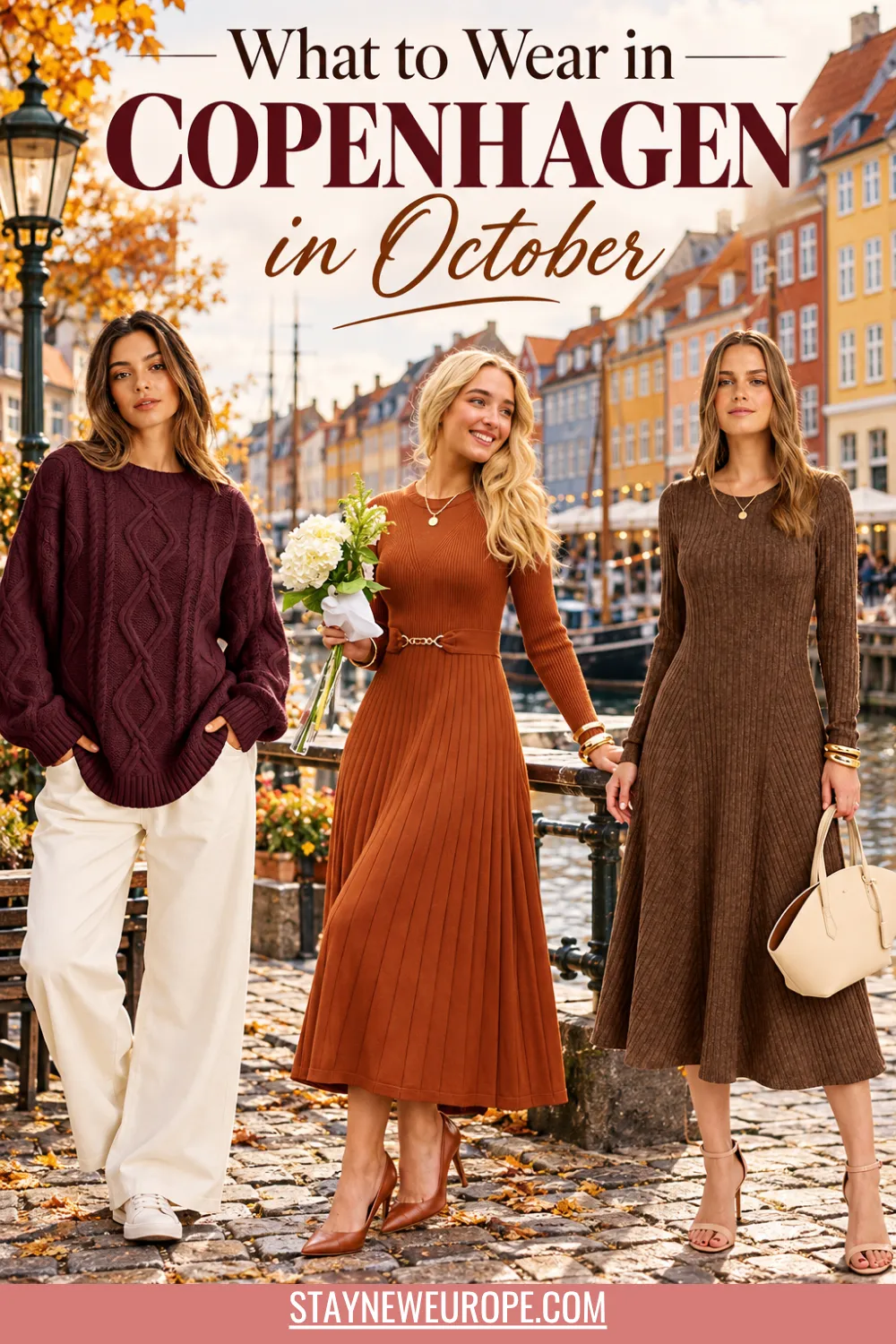
October in Copenhagen smells like wet cobblestones, cinnamon pastries and bicycle tyres. The light turns honey-gold around four in the afternoon, the canals go silver, and the whole city lights a thousand candles like it’s the most normal thing in the world. It’s cosy in a way that feels slightly unfair to every other capital.
It’s also windy, damp, and about 12°C on a good day. The wind comes straight off the water and gets into every gap in your outfit, and the rain doesn’t fall so much as hover. I watched a tourist outside Nyhavn lose a fight with an umbrella in under ten seconds. The umbrella won.
Most visitors pack for “autumn” in general and end up cold, damp, and the only person in sandals-with-socks in a city that dresses like a mood board. Here’s what I’d actually bring, and what I’d leave at home.
Before We Dive In
Let me save you some scrolling. This is the context that shapes every outfit choice below.
Weather: Expect highs of about 11–13°C (52–55°F) and lows of 5–8°C (41–46°F). Roughly a dozen days in the month see rain, humidity hangs high, and the wind makes it feel colder than the thermometer admits. The clocks go back on 25 October, so daylight drops from about 11 hours at the start of the month to nearer 9 by the end.
Walking conditions: Copenhagen is flat, which is lovely, but the old centre is full of uneven cobbles, and you will walk far more than you plan to. Bike lanes are not decorative. Step into one and you’ll learn Danish pronunciation very quickly.
Style culture: Danes dress in muted, considered, slightly oversized, never-trying-too-hard layers. Black, navy, grey, camel, cream, with a pop of rust or forest green. Logos are rare. Fit and fabric do the talking. You don’t need to look Danish, but if you want to blend in, this is the palette.
1. Lightweight Layers (Your Entire Strategy)
October in Copenhagen can serve you a chilly harbour breeze, a sunny café window and a heated shop in a single hour. Layers are how you win.
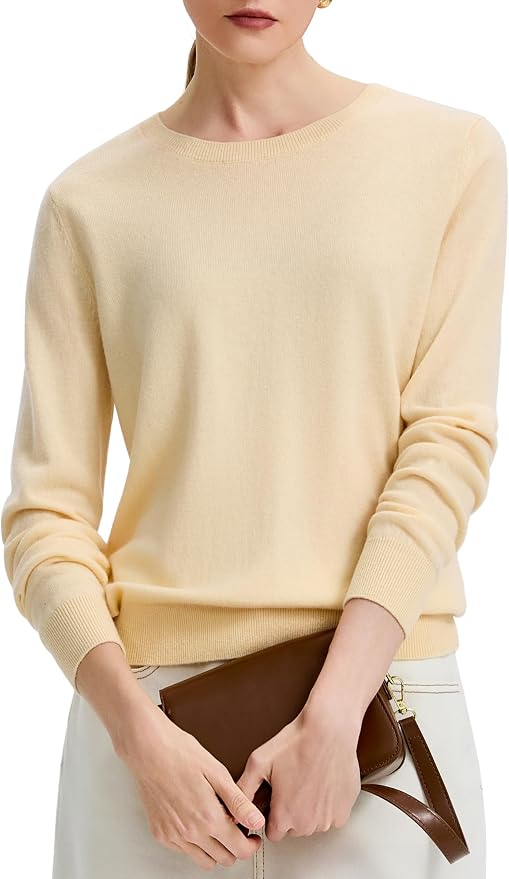
I learned this the hard way on my first afternoon. I wore one thick jumper, was sweating in Torvehallerne food market by 1 pm, and shivering on the waterfront by 3. Now I do three thin layers instead: a snug base, a mid-layer knit, and an outer coat. Each one works alone, which means you adapt without a suitcase on your back.
Try a fitted long-sleeve tee, a fine-knit or merino jumper over it, and a coat on top. When the café is warm, off comes the coat. When the wind picks up at the Little Mermaid, it goes right back on.
Local tip: Copenhagen interiors are often properly heated (and cosy). Your outer layer should come off in seconds without ruining the outfit underneath.
2. The Chunky Knit
If one item says “Copenhagen in autumn,” it’s an oversized wool or wool-blend jumper in a quiet colour.
A good knit does double duty: it keeps you warm and it makes simple jeans look intentional. I swear by a cream or oatmeal crew neck, but grey and deep green fit the city’s palette beautifully too. Roll the sleeves up slightly if you’re too warm and you still look polished.

For a morning wandering around Nørrebro’s cafés, I pair mine with straight jeans and white sneakers. For dinner, the same knit gets tucked into a tailored trouser with boots. One item, two completely different evenings. If you want more ideas for versatile pieces, my travel capsule wardrobe guide walks through how to build a whole suitcase around five or six of them.
Local tip: Danish knitwear brands are worth a browse if you want a souvenir you’ll wear for ten years. Pick wool or a wool blend, not acrylic.
3. Jeans and Trousers
Skip shorts. I know, I know, but October wind will humble you.
Straight-leg or relaxed-fit dark jeans are the Copenhagen uniform, and for good reason: they’re warm, they hide the odd rain splash, and they work from museum to bar.

Wide-leg trousers in wool or a wool blend are my second pick, because they look elegant and keep the wind from sneaking up your legs.

Hold on to one pair of trousers that dries quickly. Mine are a dark, slightly stretchy pair, and they’ve survived a surprise downpour on the way to Christianshavn with barely a crease. Skinny jeans work, but they’re colder and less comfortable on long walking days.

Local tip: If your jeans are bulky, they’ll take forever to dry in a humid hotel room. Choose a mid-weight denim instead.
4. Dresses and Skirts (Yes, Really)
A dress can absolutely work in October in Copenhagen, but only if you treat it like layering, not like summer.
The winners are midi or maxi lengths in knit, jersey or wool-blend fabrics, worn with opaque tights and boots. A slip dress with a knit over the top is a great evening option. Flowy chiffon and sundresses will freeze you out, and they’ll also look slightly lost against all that moody grey sky.

My favourite combo was a rust-coloured knit midi, black tights, ankle boots and a long camel coat. It looked like I’d planned it, which was the real triumph.

Local tip: Add fleece-lined or thick opaque tights and you can wear dresses almost comfortably all month. Thin sheer ones are decorative, not functional.
5. Comfortable Walking Shoes (Your Feet Will Vote on This)
Copenhagen’s cobbles will punish bad shoes with a slow, passive-aggressive burn.
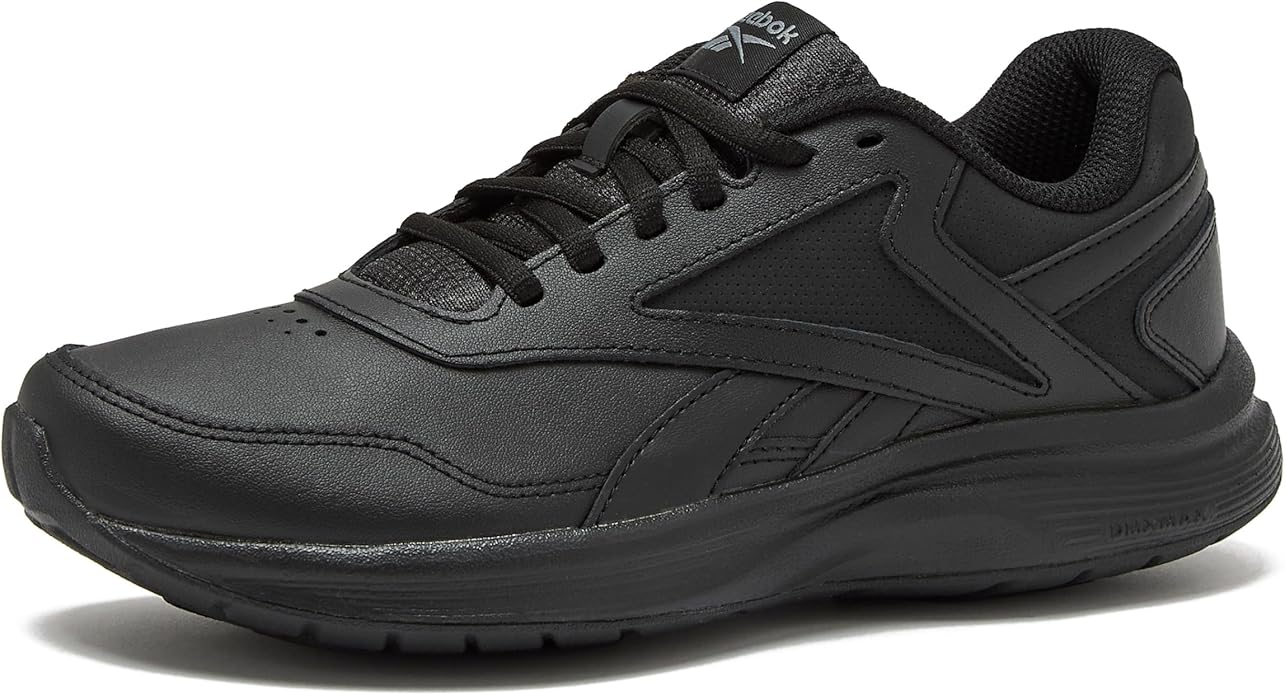
White or off-white leather sneakers are the local standard, and honestly, it’s the one trend I’d ask you to follow. Clean minimalist sneakers with a decent cushioned sole take you from a morning at Rosenborg Castle gardens to a late dinner without a change. Leather also wipes clean after a puddle, which canvas does not.

Pick something you’ve already broken in. I once wore brand-new shoes for a 16,000-step day and spent the evening negotiating with my own feet.
Local tip: Add a pair of cushioned insoles if you plan on 10+ km days. The cobbles are harder than they look.
6. Waterproof Boots
Your second pair of shoes is the one that rescues you when it rains. And it will.
Look for leather or rubberised Chelsea boots, or low ankle boots with a grippy sole. They look sleek enough for dinner, but a waterproof finish keeps your socks dry when you hit the standing puddles near the canals. I wore mine nearly every day, and they’ve honestly become my favourite travel shoe.

Avoid anything with a slick sole. Wet cobblestones are slippery in a way that makes you feel eighty. If your travels also include other cool-weather cities, the same boots will earn their luggage space in Edinburgh in October too.
Local tip: Spray your boots with waterproofing before you fly. Do it at home, not in the hotel bathroom at 11 pm.
7. The Coat
The coat is the main character of any October outfit here, so give it some thought.
A mid-length wool coat or a classic trench with a removable liner is my pick. Camel, black, grey and navy all fit right in. Mid-thigh to knee length blocks the wind properly, which a short jacket simply doesn’t. I’ll admit I was sceptical of the long coat, but it changed how warm I felt more than any other piece I packed.

If you’re a puffer person, a slim, matte, neutral version is fine, especially for the end of the month. Just avoid shiny or very bulky ones, which look more ski resort than harbour stroll. For comparison, Berlin in October calls for a similar coat, but Copenhagen’s wind makes it more important.
Local tip: Check the pockets. Deep ones save you from carrying a bag at the market.
8. A Packable Rain Shell
An umbrella in Copenhagen’s wind is basically a sail with ambitions.
Locals mostly skip umbrellas and wear a hooded, waterproof shell instead. A lightweight, windproof one in navy, olive or black folds into your daypack and goes over your knit when the sky opens. I’ve stood in drizzle outside Tivoli while umbrella-wielding strangers wrestled their gear, completely dry and smug in my hood.

If you’re running the layers system from section 1, a shell can even replace the coat on milder days. Don’t overthink it: seam-sealed or water-resistant, a hood that stays up, and a colour that doesn’t scream “outdoor shop.”
Local tip: If you still want an umbrella, buy a small vented one once you arrive. Cheap ones are sold everywhere, so you won’t cry when it dies.
9. Accessories That Do Real Work
A scarf, a hat and gloves aren’t just styling. In October they decide whether you enjoy the evening.
A big wool scarf is my number one accessory. It can be a collar, a headwrap against the wind, or a blanket on a chilly café terrace with heaters. Pick one in a colour that lifts your neutrals, like rust, mustard or forest green.

A beanie is a good idea too, mostly for evenings and especially at the end of the month.
Thin leather or knit gloves are worth the packing space if you’re prone to chilly hands.

Sunglasses might sound optimistic, but low autumn sun can be dazzling on water.
Local tip: Keep your scarf and gloves in your bag, not in the hotel. You’ll want them the minute the sun slips behind a building.
10. Bags: Crossbody vs Backpack
You’ll be on your feet and on public transport, so a bag that stays put is non-negotiable.
I vote for a zip-top crossbody. It sits in front, keeps your hands free for coffee and pastries, and looks tidy. Danes love structured leather or sleek nylon in black, tan or navy.

A backpack is better for long museum days, but a bulky hiker style looks out of place around design shops. Choose a small, minimal one.

On busy bridges and in Strøget crowds, keep your bag zipped and in front. Copenhagen is safe, but tourist hot spots attract pickpockets like anywhere else.
Local tip: A bag with a smooth lining and zip pocket is perfect for stashing your gloves and a compact rain cover for your phone.
11. The Right Carry-On or Duffel
Copenhagen is made for light travel, so a carry-on is all you need.
A soft-sided carry-on duffel or a four-wheel spinner works great: the airport train to the city centre is quick, and cobbled streets are rough on wheels. I’d pick a duffel with a shoulder strap and a compartment for shoes, since boots take up space. For a weekend, one medium duffel is enough.

If you’re stuck on what to put inside, my carry-on packing guide breaks down how to use every inch. And a quick tip I picked up: rolling instead of folding saves room for bulky knits.
Local tip: Leave a little free space. You’ll almost certainly buy a candle, a piece of ceramics or a wool scarf.
12. Evening Outfits
Danes dress for dinner without making a fuss about it, and you can too.
Think smart-casual: dark trousers or a midi skirt, a fine-knit top, polished boots, and a nice coat. Black, charcoal and deep jewel tones suit the candlelit restaurants. You won’t need a suit or a formal gown for most places, even the fancy ones, but a well-fitted outfit gets noticed.
One evening, I wore my usual day knit with a statement necklace and swapped sneakers for heeled ankle boots. It was instantly “dinner.” A bit of jewellery, a swipe of lipstick, and you’re done. If you want to see the same idea in another cool, stylish capital, look at what to wear in Stockholm.
Local tip: Bring a layer you can wear indoors. Cosy restaurants get warm, and a thin knit looks better than a bulky coat on the chair.
13. What to Wear for Churches and Towers
Copenhagen’s churches are relaxed, but they’re still places of worship.
At the Church of Our Saviour, with its spiral tower, or at the Marble Church, wear something modest: covered shoulders, trousers or a knee-length skirt, no beachwear. Your regular autumn outfit usually works. I once climbed the Our Saviour spire in wind that almost took my scarf, and I was very glad I’d worn flat shoes and a closed coat.

Skip heels and floaty scarves for the tower climb, because the outside stairs are exposed, steep and narrow. Grippy shoes and a zipped jacket are the right move.
Local tip: Remove hats inside churches, and keep the tower climb for a clear, calm morning if you can.
14. Fabrics to Choose (and Avoid)
The fabric matters more than the colour, especially in damp, windy weather.
Choose wool, merino, cashmere blends, thick cotton, and leather. They insulate when damp and feel premium. Merino base layers are lifesavers because they stay warm and don’t hold smells, which means fewer clothes in your bag. A wool-blend coat is far warmer than a thin polyester one.

Avoid thin cotton jersey, which gets cold and clammy in the damp, and shiny synthetics that trap sweat. Jeans that are too thick and heavy can also take ages to dry. A dress in thin chiffon looks pretty but disappears in the wind.
Local tip: Check the label. 70% wool or more usually means a noticeable difference in warmth.
15. What NOT to Wear (Tourist Mistakes)
I’ve made some of these, so there’s no judgement here. Just a gentle nudge.
Shorts and flip-flops. Even a sunny October morning in Copenhagen is cold in the shade. Brand-new shoes. The cobbles will expose them. A flimsy umbrella. See section 8. Heavy hiking gear. You’re on a city break, not summiting a peak. Loud logos. Not forbidden, just a bit out of step with the local vibe.
And finally, don’t pack for the weather you hope for. Pack for the weather you’ll get, and be pleasantly surprised if the sun shows up.
Local tip: Check the 3-day forecast before you leave, then pack your layers. The weather shifts fast and is rarely wrong about wind.
How Much Should You Pack?
Less than you think. I’m serious.
For a 4–5 day trip, I bring five tops, two pairs of bottoms, one dress or skirt, two jumpers, one coat, one shell, two pairs of shoes and a handful of accessories.
Everything fits in a carry-on. Stick to one colour palette (say black, cream, camel and one accent) so every piece mixes with every other piece, which is the basic idea behind a good capsule wardrobe.
To plan outfits, lay them out at home the night before and photograph each combination. Wear your bulkiest items (boots, coat, scarf) on the plane so they don’t eat suitcase space.
The mistakes I see most: packing for three weather scenarios at once, bringing shoes that don’t go with half your clothes, forgetting a scarf, and leaving no room for souvenirs. If you’re travelling more widely this season, Europe in fall is a handy overview for planning your suitcase.
Go and Be Cosy
Picture it: you’re holding a warm cardamom bun on a bench by the harbour, your scarf is wrapped just right, the sky is doing something dramatic, and you feel exactly like you belong there. That’s what the right outfit does. It takes the worry out, so you can notice the candlelit windows and the bikes gliding past.
Pack the layers, trust the boots, and let the wind do its worst. Copenhagen in October rewards people who show up a little bundled and a lot curious. You’ll be fine. Better than fine, actually. You’ll look great.

