

Berlin in November is grey in a way that somehow looks good on camera. The sky sits low, the wind comes straight across the open squares like it has somewhere to be, and by 4:30pm the city is already switching its lights on. Then you step into a candle-lit café, the radiators hit you, and you realise you’re wearing three layers too many.
It’s moody, atmospheric and brilliantly unfussy, which is exactly why the packing mistakes are so easy to make. People arrive in fashion boots that die on the cobblestones, one enormous puffer they can’t take off indoors, and zero plan for the drizzle that arrives sideways.
I’m going to save you from all of that. Here’s what actually works on the streets of Berlin in November, from the first foggy morning to your last currywurst at dusk.
Before We Dive In
Let me set the scene so you can pack with your eyes open.
Weather: Expect roughly 3–8°C (37–46°F), with the odd colder snap towards the end of the month. It’s damp more than it’s properly rainy, and the grey can last for days. The wind is the real troublemaker. It makes 6°C feel like 2°C.
Walking conditions: You’ll cover more ground than you expect. Berlin is huge and flat, and between U-Bahn changes, museum corridors and long walks along the Spree, 15,000+ steps is a normal day. Many streets still have bumpy cobblestones, and wet leaves make them slippery.
Daylight: Sunset lands around 4:30pm early in the month and closer to 4pm by the end. Plan outfits that work from a cold morning to a dark evening.
Style culture: Berliners dress for comfort first and attitude second. Think dark colours, clean lines, good boots, zero logos shouting. Nobody is judging you for a rain jacket, but a neon one will make you the most visible person on the platform. It’s a relaxed city, but a quietly put-together look fits right in.
Start With the Bag: Your Carry-On Strategy
Here’s my hook: every warm layer you pack takes up room, so your luggage decision matters more in November than in July.
I travel Europe with a carry-on only, even in cold months, and Berlin is easy for that because the city is super walkable and public transport is excellent. A soft-sided cabin bag around 40L is better than a hard shell here, because you can squash it into the overhead bin even when it’s stuffed with sweaters. If you want more tips on this, my carry-on packing guide covers the whole system.
A compact 40L carry-on duffle or weekender (Cabin Max and Osprey make good ones) is my pick for a long weekend. A rolling carry-on works if you’re staying a week or more, but remember you’ll be bumping it over cobblestones, so choose big wheels.

Wear your bulkiest items on the plane, meaning the boots and the coat. It sounds obvious, but it’s the single trick that makes a cold-weather carry-on possible.
Local tip: Airport trains into the centre are quick and frequent, so you rarely need to haul luggage far. Still, pack so you can lift your bag up a flight of U-Bahn stairs on your own.
Thermal Base Layers: The Secret Weapon
Nobody posts a photo of their long underwear, yet it’s the reason some people are happy at 5pm and others are hunting for a hot chocolate with chattering teeth.
A thin thermal base layer under your normal outfit gives you real warmth without bulk. I learned this the hard way on a windy afternoon by the Reichstag, when my “stylish” jeans-and-sweater combo wasn’t doing much against the gusts. Merino wool is the winner because it keeps you warm, breathes, and doesn’t smell after a day of walking.

Uniqlo HeatTech tops and leggings are the budget-friendly pick. They’re thin, cheap and genuinely effective, and they disappear under normal clothes. If you’d rather splurge, a merino long-sleeve from Icebreaker or Smartwool feels lovely and handles more days of wear between washes.

Outfit combo: thermal top, a simple knit, dark jeans, boots. Looks completely normal, feels twice as warm.
Local tip: Berlin indoors is warm. Cafés, shops and the U-Bahn can feel toasty, so thin base layers are better than one thick sweater, because you can actually adjust.
The Mid-Layer: Wool Sweaters That Earn Their Space
My rule: if a sweater can’t be worn three different ways, it doesn’t make the cut.
Berlin style loves simple, textured knits in grey, black, navy, cream and olive. A chunky roll-neck looks sharp and keeps your throat warm without needing a scarf every minute. I pack two sweaters and one fine-knit cardigan, and that’s enough for a week when mixed with my base layers.
A merino or lambswool crewneck is the all-rounder. It’s warm, lightweight and works with jeans for sightseeing or trousers for a nice dinner.
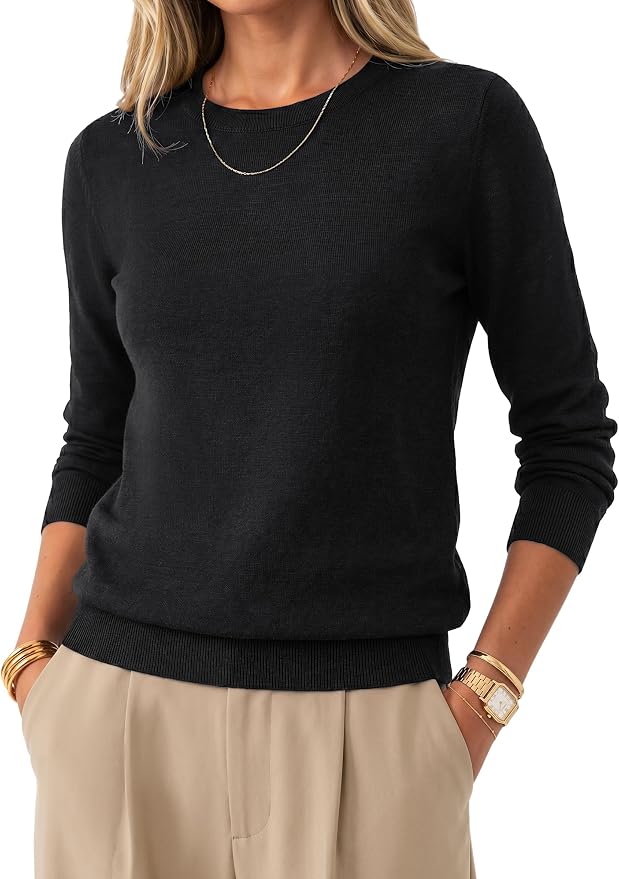
For a bit of contrast, a fine-knit turtleneck layered under a blazer or jacket feels very Berlin gallery crowd.
Outfit combo for a museum day: turtleneck, straight-leg trousers, ankle boots. Comfortable for hours, and still nice enough for dinner after.
Local tip: Skip bulky cotton hoodies as your main warmth. They soak up drizzle and take ages to dry in a hotel room.
The Coat: Where Berlin Is Won or Lost
If you only get one thing right, make it this. A good coat is the difference between enjoying Berlin and surviving it.
Berliners go for either a long wool coat or a sleek, not-too-puffy down jacket, usually in black, charcoal or camel. A knee-length coat blocks the wind where it counts. I’ve seen first-timers in thin fashion jackets shivering at tram stops, and you can spot them by their hunched shoulders.
A long wool-blend coat is the look. It dresses up jeans, handles dinners out, and layers well over a sweater. Go for something with a bit of weight, because thin wool won’t hold against the wind.

If you run cold, a lightweight down jacket or longer quilted coat with a hood is the practical option. It’s easier to pack, and it handles a drizzle better. For a slightly more polished look, pick one with a matte finish rather than a glossy shell.

Local tip: Check your coat has proper pockets. You’ll be reaching for your phone, transit ticket and gloves constantly, and cold hands are miserable.
Jeans and Trousers: Dark, Sturdy and Lined if You Can
Berlin is a dark-denim city, and thankfully dark denim is also the most forgiving pick for wet weather.
Light jeans show every splash from the puddles, and by day two they look like you’ve been on an expedition. I stick to dark indigo or black jeans, or wool-blend trousers that drop nicely over boots. For a long weekend, three bottoms is plenty: two pairs of jeans and one pair of smarter trousers.

Straight-leg or relaxed dark jeans are my go-to. They fit over thermals easily and look right in nearly every setting, from Kreuzberg cafés to classy dinners.
A pair of wool-blend or fleece-lined trousers is a clever extra if you’re sensitive to the cold, since they feel dressier than jeans and are far warmer.

Skip shorts completely. Even if you’re a “cold doesn’t bother me” person, the wind will change your mind in about nine minutes.
Local tip: Cropped trousers look cute but leave your ankles exposed. If you wear them, pair with tall socks or boots that cover the gap.
Dresses and Skirts: Yes, You Can, With Tights
Dresses in Berlin in November are absolutely doable, as long as you treat them as a layering project, not a summer outfit.
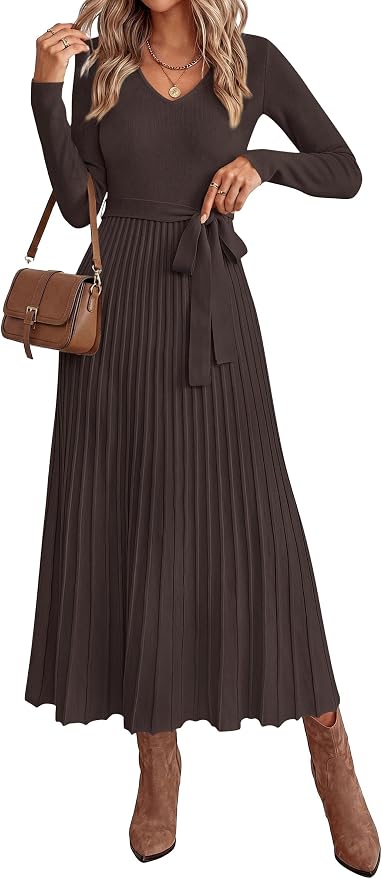
A midi or knee-length knit dress with opaque tights and boots gives you a polished look for dinner and still keeps you warm. I like darker colours and heavier fabrics, think wool, ribbed knit, corduroy. Berlin style is rarely overly feminine or fussy, so a simple silhouette with strong boots feels right.

A knit midi dress is the easiest. It’s comfortable, it looks intentional, and it travels well. A corduroy or leather-look skirt with a thick sweater and boots feels very in tune with the city’s creative edge.
For warmth, wear fleece-lined or thick opaque tights underneath. Cheap sheer ones won’t do much in the wind.

Local tip: Keep your hem at or below the knee for walking days. Gusts across open areas like Alexanderplatz will not be kind to anything shorter.
Shoes: Waterproof, Grippy and Actually Comfortable
Here’s the honest truth: your shoes will decide how much you enjoy Berlin, and white canvas sneakers are not the answer.
The cobblestones are uneven, the pavements are damp, and you’ll be on your feet for hours. I once wore flat leather loafers on a drizzly afternoon and slipped twice before lunch. Lesson learned.
Chelsea boots are my top pick. A pair from Blundstone or a similar waterproof leather style goes with jeans, trousers and even dresses, and slips on easily at airport security. They’re also very Berlin.

For something more casual, leather lace-up boots with a rubber sole like Dr. Martens-style or hiking-inspired city boots give you grip and ankle support.

If you prefer sneakers, choose dark leather trainers with thick soles (Veja or Adidas styles are common), and treat them with waterproof spray before you leave. They’re fine for dry days, not for puddle days.
Local tip: Break your shoes in before the trip. Blisters on day one will wreck a long weekend faster than any rain.
Socks, Tights and the Cold-Feet Fix
Cold feet can ruin an otherwise great outfit, and this is the cheapest fix in the whole guide.
Cotton socks hold moisture and turn cold fast. Wool or merino ones keep heat even when they’re a bit damp, and they stop that “my feet are cold and my boots are wet” misery. I bring one pair per day plus one spare, because nobody wants to put on damp socks twice.
Merino hiking-style socks (Smartwool is a reliable pick) are the best, especially for long days of walking. For dresses and skirts, thick opaque tights or wool tights do the same job.

Local tip: Hotel and Airbnb radiators are great for drying socks overnight, but don’t leave boots directly on them. Heat can crack leather.
Scarves, Hats and Gloves: The Accessories That Matter
This is where a simple outfit becomes a stylish one, and where warmth actually happens.
Berlin has a typical look: black or grey beanie, big knit scarf, simple leather or wool gloves. It isn’t flashy, and it works. I always say a scarf is the best-value item in your suitcase because it takes up almost no space and changes your whole look.
A wool or cashmere-blend scarf in a neutral colour is worth the money. It acts as a collar in the wind and doubles as a little blanket on a cold train.

A merino beanie keeps your head warm without hat hair,
and touchscreen-friendly gloves let you check maps without exposing your fingers.

For small extras, a plain crossbody bag in dark leather or nylon keeps your essentials safe and your hands free for gloves.

Local tip: Pack a spare pair of gloves. They’re the one thing that always gets lost on public transport.
Rain Prep: Berlin’s Sneaky Drizzle
Berlin rarely gives you a dramatic downpour. Instead, you get a persistent, damp, grey drizzle that creeps in while you’re not paying attention.
A big umbrella is annoying with wind and crowded pavements, so I prefer a hooded, water-resistant outer layer. If your coat isn’t waterproof, a lightweight packable rain shell can go over it on wet days without making you feel like a walking tent.

A compact windproof umbrella is still useful for those days you’re walking between museums, and it fits in a day bag easily. Look for a sturdy frame, since cheap ones flip inside out the second a gust hits.

Local tip: Spray your boots and coat with a waterproofing treatment before leaving home. It takes five minutes and makes a surprising difference.
Evening Outfits: Dressing for Dinner and Berlin Nights
Berlin evenings are relaxed, but “relaxed” doesn’t mean sloppy. It means effortless, and a few smart choices get you there.
Black is the unofficial uniform, especially if you’re heading to bars or music venues. A dark turtleneck, tailored trousers or dark jeans, a good coat and clean boots will carry you through a dinner in Mitte, a drink in Kreuzberg and a late U-Bahn home without any outfit change.

Add one small detail, like a leather belt, a silver necklace or interesting earrings. If you’re going to a club, remember Berlin’s door policy is famously about vibe. Dark, simple, comfortable clothes you can move in always beat anything flashy or too “dressed up”.

Local tip: Bring a small bag that closes securely, and carry only what you need. Dancing and crowded trains are not the time to lug a big tote.
Churches, Memorials and Museums: What to Wear
Berlin isn’t strict, but a few places deserve a bit of thought.
For the Berliner Dom and other churches, aim for covered shoulders and knees, though it’s less formal than in Italy. Memorial sites, like the Holocaust Memorial or Sachsenhausen if you visit, call for quiet, respectful clothes. I stay away from loud slogans or party outfits, and go for muted colours instead.
The good news is that November layering handles this naturally. A sweater over a thin top, trousers and a coat checks every box. Many sites also involve long outdoor walks, so you’ll appreciate the warm layers.
Local tip: Museums have cloakrooms (often a small fee or coin locker). Use them to drop your coat and bag, so you can wander comfortably without overheating.
What NOT to Wear in Berlin in November
A few mistakes I’ve seen over and over, so let me be blunt.
Skip heavy statement heels on cobblestones, since they’re painful and risky on wet ground. Avoid thin, non-waterproof sneakers, especially anything white. Leave your shorts and sandals in your drawer, even if your hotel feels warm. And don’t rely on one giant puffer jacket with nothing else, because you’ll roast indoors and freeze when it’s off.
One more thing: don’t overthink the “Berlin look”. You don’t need an all-black wardrobe or a perfect techno aesthetic. Clean, practical, and a bit understated is more than enough.
Local tip: If you’re unsure, ask yourself: “Could I walk 10km in this and still feel good?” If not, leave it at home.
Packing Smart: How Many Outfits You Actually Need
I’ll be honest, I’ve overpacked for cold trips more times than I’d like to admit, and I’ve regretted every extra sweater.
For a long weekend, pack 4–5 tops, 2–3 bottoms, 2 sweaters, 1 coat, 1 pair of boots and 1 pair of backup shoes. For a week, add a couple more tops and one extra layer, but resist the urge to double everything. Pick a simple colour palette, say black, grey, navy and cream, so everything mixes and matches. My travel capsule wardrobe guide goes deeper if you love a system.
For outfit planning, lay everything out before you pack and check each item makes at least three combinations. If it doesn’t, leave it behind. Rolling your knitwear and using packing cubes also saves space, which you’ll be grateful for with bulky layers.

The biggest mistakes: packing for a “best case” forecast, bringing shoes you haven’t worn in, and forgetting rain gear. Check the forecast a few days before you fly, and adjust.
Local tip: Leave a little space in your bag. Berlin’s flea markets and vintage shops are too good, and you’ll want room to bring something home.
Planning More Cold-Weather Trips?
If Berlin is part of a bigger German or Central European trip, these are worth a read next: what to wear in Germany in November, what to wear in Prague in November, what to wear in Vienna in November, and if you’re coming a little earlier in the season, what to wear in Berlin in October.
Go Get Cozy in Berlin
November Berlin is a city in its cosiest, most atmospheric mood. Think steaming mugs of glühwein in your gloved hands, golden light spilling from café windows, long walks past old buildings under a silver sky, and the first Christmas markets glowing from around the last week of the month.
You don’t need a perfect wardrobe. You just need warm layers, solid boots and a coat you love wearing. Get those right and the weather stops being something to endure and becomes part of the charm.
So pack your scarf, pull on those boots, and go wander. Berlin looks best when you’re out in it.

