
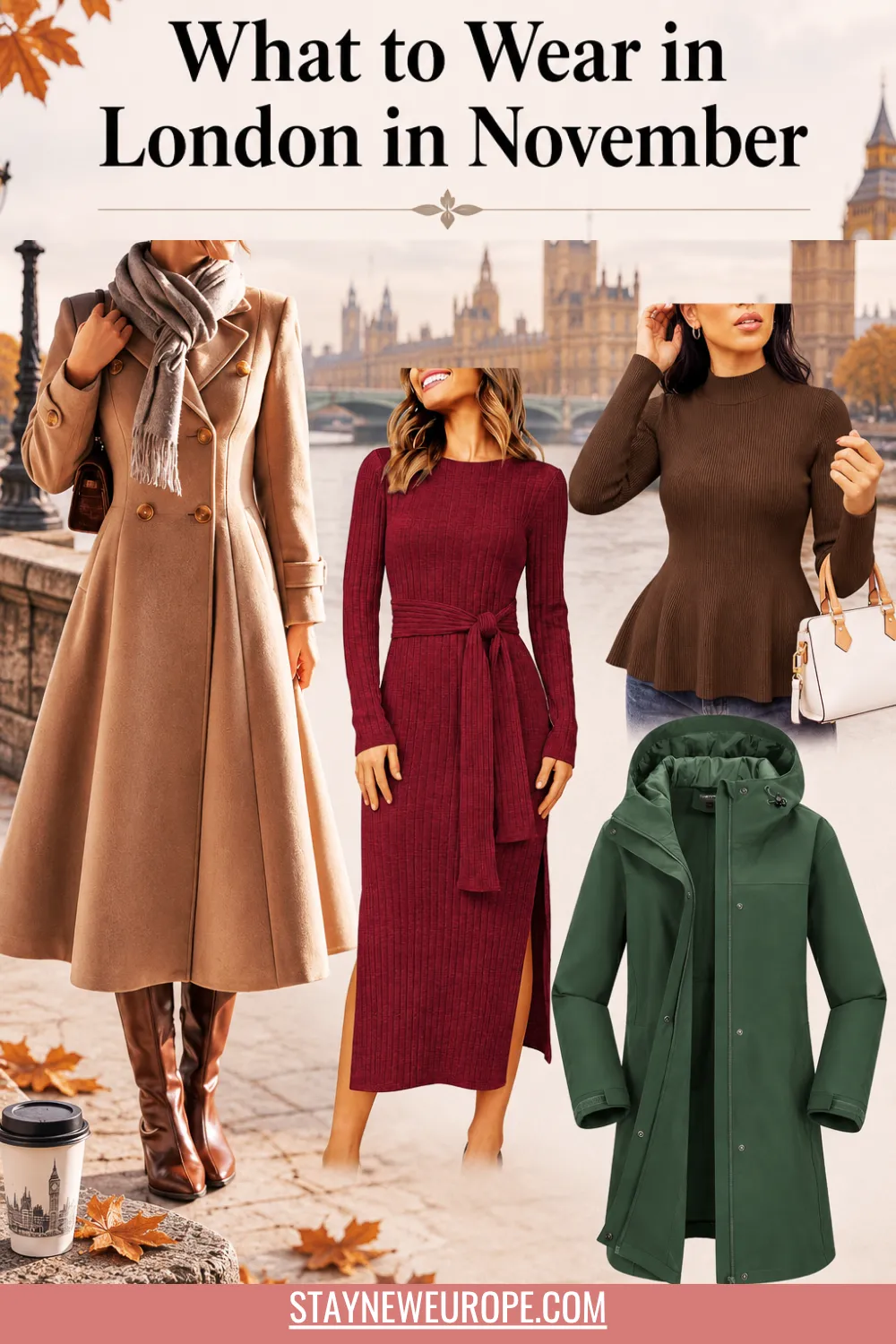
Let me be honest: the first time I did London in November, I packed like it was a mild autumn weekend. I own that mistake completely. By day two I was buying a scarf from a street stall near Covent Garden because my “light jacket” had officially given up.
London in November isn’t dramatic weather. It’s not snowing, it’s not freezing solid, it’s just… relentlessly grey, a little damp, and colder than it looks in photos. The sun sets around 4pm by the end of the month, the wind has an edge to it near the river, and you’ll go from a warm Tube carriage to a bone-chilling platform about six times a day. That contrast is what catches people out, not the actual temperature.
This surprised me too: Londoners don’t dress like it’s an emergency. No massive puffer jackets, no fifteen layers. It’s more about smart, warm basics that still look like you tried. So here’s what actually works — from someone who’s now done this city in November more than once and finally stopped shivering.
Before We Dive In
Weather: expect daytime highs around 9-10°C (48-50°F) and nights dropping to 4-5°C (39-41°F). Rain shows up on roughly half the days in the month, usually as light, persistent drizzle rather than dramatic downpours — but it adds up, and the damp cold feels colder than the number on your phone suggests.
Walking conditions: London is a walking-and-Tube city, and November adds wet pavements, slippery leaves in the parks, and a lot of standing around on cold platforms. Your feet and ankles will do more work than you expect, even on a “low-key” day.
Style culture: Londoners dress well without dressing loud. Think tailored, muted, a bit moody — navy, black, camel, forest green — with one interesting piece (a coat, a scarf, good boots) doing the talking. Nobody’s judging tourists, but showing up in shorts and a rain poncho will make you feel more like a tourist than you need to.
Your Carry-On or Weekender Bag
Here’s the thing nobody tells you: London in November eats suitcase space because everything you pack is bulkier than summer clothes.
A structured carry-on with some flex — a duffel that can squish under a train seat, or a soft-sided case with expansion room — works better here than a rigid hard-shell. You’ll be layering more than usual, and you’ll probably buy at least one thing (a scarf, a jumper, an umbrella you swore you didn’t need) along the way.

I’d pack a smaller daily tote or crossbody inside the main bag too, since you don’t want to be lugging your full suitcase around Borough Market. If you’re building out your full kit before the trip, our carry-on packing guide covers exactly how to fit a cold-weather wardrobe into limited space without checking a bag.

Local tip: Leave 20% of your bag empty on the way in. Between museum gift shops and Oxford Street, you will find something you didn’t plan for.
Lightweight Layers (Why They Matter More Than You Think)
Layers are the actual secret to London in November, more than any single “warm enough” coat.
The temperature difference between an overheated café and a windy street corner is bigger than you’d guess, and London buildings run warm indoors even in winter. If you’re wearing one heavy jumper with nothing underneath, you’ll be sweating on the bus and freezing the second you step off it.

A base layer, a mid layer, and an outer layer you can shed gives you actual control over your own comfort, which matters more than looking perfectly put together.
My go-to combination is a thin merino or cotton long-sleeve base, a knit jumper or cardigan over it, and then a coat that can handle both wind and light rain. On the coldest days, I’ll add a thermal layer under jeans too — nobody sees it, and it makes a genuine difference standing on an open-air platform.
Local tip: Merino wool base layers are worth the investment over cotton. They don’t trap dampness the way cotton does, so you’re not walking around in a slightly clammy shirt after a warm Tube ride.
Coats and Jackets for Unpredictable Weather
This is the one item where I’d tell you to genuinely spend money, because a bad coat will ruin an otherwise great trip.
You want something that handles wind, light rain, and cold without needing a separate umbrella-and-raincoat combo every single day. A wool overcoat looks brilliant but soaks through in real rain and gets heavy.

A proper waterproof or water-resistant coat — trench-style, parka, or a longer wool-blend with a water-resistant finish — is the more realistic choice for a full November week. Wax jackets (think Barbour) are a genuine London classic for a reason: they shrug off drizzle and look intentional rather than sporty.

I made the mistake of bringing a stylish but unlined wool coat on my first trip and wearing every layer I owned underneath it by day three. Now I bring one coat that’s warm enough on its own, so I’m not stacking five things just to survive the walk to the Tube.
Local tip: A packable rain shell as a backup, folded into your bag, saves you when the “50% chance of rain” turns into an actual downpour halfway through the day.
Jeans, Trousers, or Something in Between
Shorts are a non-starter here, obviously, but the jeans-versus-trousers question actually matters for comfort.
Straight or slightly wide-leg jeans in a heavier denim weight work well for daytime exploring — they hold up to wind and don’t cling uncomfortably when damp.

For a slightly more polished look (dinner, a show, a nicer museum visit), wool-blend trousers or corduroys read as more “put together” while still being warm. I’d avoid very skinny, thin denim; it looks fine but does nothing against the wind coming off the Thames.

If you run cold, thermal leggings under trousers or jeans is not a look anyone will see and it’s a genuine game-changer on the colder days, especially if you’re doing an outdoor market or a long walk through one of the parks.

Local tip: Corduroy has quietly become a London street-style staple in autumn and winter — it photographs beautifully against the city’s brick and stone backdrops if you’re taking photos for the trip.
Dresses That Actually Work for a London November
Dresses aren’t off the table, they just need backup.
A midi dress in a heavier knit or wool-blend fabric, worn over tights and under a substantial coat, works for daytime sightseeing and transitions easily into an evening look.

For evenings out, a knit dress with boots and a statement coat feels appropriate for most London restaurants and bars without being overdressed.
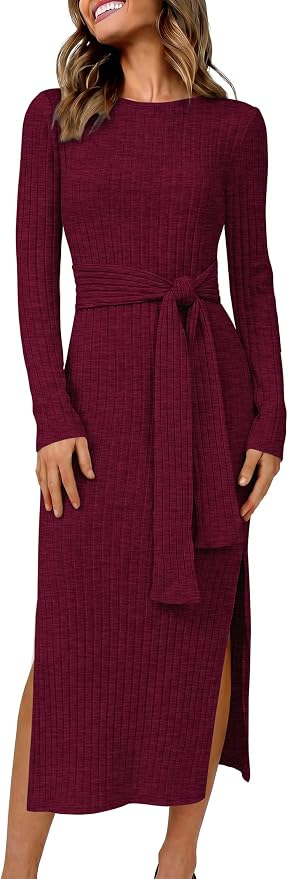
What doesn’t work is — anything thin, sleeveless, or floaty without serious layering underneath — you’ll spend the whole day cold and distracted instead of enjoying yourself. Think of the dress as one layer in a system, not the whole outfit.
Local tip: Opaque black tights (100 denier or heavier) are doing more work in your outfit than people realise — they’re the difference between a cute dress and a genuinely warm outfit.
Comfortable but Stylish Walking Shoes
I need to say this clearly: your feet will suffer if you get this wrong, and it will color your entire trip.
Leather or suede ankle boots with a proper sole are the London workhorse — they handle wet pavement, look appropriate almost everywhere, and keep your ankles warmer than trainers do. Chelsea boots specifically are everywhere in this city for good reason.

If you’re doing serious mileage (and you will — London racks up steps fast), make sure whatever you bring is already broken in. This is not the trip to debut new shoes.
I’d avoid pure canvas trainers and anything without real tread; wet leaves on cobblestones and park paths get slippery fast, and I’ve watched more than one person go down near St. James’s Park because of it.
Local tip: Bring a small pack of waterproofing spray or treat your boots before the trip. Untreated leather in London rain is a genuinely bad time.
What NOT to Wear (Tourist Mistakes I’ve Actually Seen)
Let’s talk about the outfits that mark you out instantly, because I’ve made a couple of these myself.
Full head-to-toe bright athleisure reads as “just landed” more than almost anything else.
Flip-flops or open sandals in November — yes, I have genuinely seen this — are asking for a miserable, cold, wet-footed day.
And the clear plastic rain poncho, while functional, is the single fastest way to look like you weren’t expecting British weather, which, let’s be honest, you should have been.
The bigger mistake, though, is underestimating layers because a forecast said “mild.” Mild in London-speak still means damp cold by evening.
Local tip: If you’re building a broader wardrobe for a longer European trip that includes London, our Europe in autumn packing guide is a good companion piece for figuring out what carries over between cities.
Evening Outfits in London
London evenings in November get cold fast once the sun’s gone, which is early, so evening dressing is really about warmth that doesn’t look like you gave up on style.
For dinner or drinks, I like a knit dress or tailored trousers with a silk or satin top, finished with a wool coat rather than anything puffer-style — it elevates the whole look without sacrificing warmth.

If you’re catching a West End show, this is where you can lean slightly dressier; Londoners do make a small effort for theatre nights, even if it’s smart-casual rather than formal.

One thing I underestimated the first time: the walk from the Tube to the restaurant or theatre matters. A gorgeous outfit under a coat that isn’t warm enough means you arrive cold and a little grumpy before the night’s even started.
Local tip: A cashmere or wool wrap in your bag doubles as an extra layer for outdoor terraces and as a nice throw if you end up somewhere with heated outdoor seating.
Dress Codes for Churches and Grand Interiors
Westminster Abbey, St. Paul’s, and similar sites do expect a bit more coverage than a casual sightseeing outfit.
Shoulders covered and nothing too short is the general rule, and in November this is honestly easy — you’re already layered up against the cold, so modesty mostly takes care of itself. The one thing to watch is hats; if you’re wearing a beanie or cap for warmth, be ready to take it off inside, which is standard etiquette in most of these spaces.
Local tip: Bring a lightweight scarf specifically for this purpose — it works as a warmth layer outside and a quick shoulder cover if you end up somewhere unexpectedly formal.
Bags: Crossbody vs. Backpack
For a city with this much walking and this much Tube-hopping, bag choice genuinely affects your day.
A crossbody bag keeps your hands free for coffee, umbrellas, and Oyster cards, and sits secure against pickpocket risk on crowded platforms. A structured backpack works well if you’re carrying a camera or extra layers, but be mindful on busy Tube carriages — wearing it on your front during rush hour is standard London etiquette, not paranoia.

I switch between the two depending on the day: crossbody for markets and museums, backpack on days when I know I’ll need to carry a spare jumper or two.

Local tip: Whatever you choose, make sure it closes properly. Zip-top over open-top, always, especially around Camden or Oxford Circus.
Accessories That Elevate a Simple Outfit
This is where London November dressing gets fun, honestly, because accessories are doing double duty as function and style.
A wool scarf in a rich color instantly upgrades a plain coat-and-jeans combo,

and a proper pair of leather gloves means you’re not fumbling with your phone with numb fingers at every photo stop.

A structured hat — beret, flat cap, or a simple wool beanie in a neutral color — reads as intentional rather than purely practical, which matters in a city this style-conscious.

I always bring one “statement” piece — usually a scarf — that I can rewear across multiple outfits without anyone noticing it’s the same scarf three days running.
Local tip: Skip anything too delicate or precious. Between rain, wind, and general city grime, November London is not gentle on accessories.
Rain Preparation (More Important Than You’d Think)
Nobody plans their outfit around rain until they’re standing in it, which is exactly the mistake to avoid here.
A compact umbrella that actually fits in your bag, not a golf umbrella you’ll abandon somewhere, is essential. Water-resistant footwear matters more than a waterproof coat, honestly, because wet feet ruin a day faster than a damp shoulder does.

I’d also think about fabric choice for your outer layers here — more on that next — since some materials handle London drizzle far better than others.
Local tip: Check the forecast the night before, not the morning of. London weather apps update fast, and knowing there’s an 80% chance of rain changes what shoes you grab.
Fabrics to Choose (and Avoid)
Fabric choice quietly makes or breaks a November London outfit, more than any single item does.
Wool, wool blends, and merino handle both cold and damp well, and they don’t hold onto moisture the way cotton does. Leather and suede work for boots and jackets as long as they’re treated.
What I’d avoid: pure cotton as an outer layer (it gets heavy and cold when wet), and anything too thin or breathable that’s designed more for summer travel — linen has no place in a November London suitcase.
Local tip: If you’re deciding between two similar jumpers, pick the one with more wool content. It’s a small difference that matters over a full week of wear.
A Simple Capsule Wardrobe for London in November
Here’s roughly what I’d actually pack for a five-to-seven-day trip, because a capsule approach saves both suitcase space and decision fatigue every morning.
One warm, weather-resistant coat, two jumpers, one cardigan, two pairs of trousers or jeans, one midi dress, a handful of base layers, one pair of ankle boots, one pair of comfortable trainers as backup, and a rotation of scarves and accessories to make each outfit feel different.
Everything should mix and match with everything else — that’s the actual test of a good capsule, not how many pieces you can justify bringing.
Packing It All In Without Overdoing It
A common mistake is packing one outfit per day like you’re going to a wedding each morning. You don’t need that many outfits — you need a smaller set of pieces that combine well and can be layered differently.
For a week-long trip, five to six tops, two bottoms, one dress, and a couple of layering pieces genuinely covers you, especially since you’ll be wearing a coat over most of it anyway. Plan two or three outfit combinations before you pack rather than packing item by item, and you’ll end up with less bulk and fewer “wait, what do I wear with this” mornings once you’re actually there.
The biggest mistake I still catch myself making is overpacking “just in case” outfits for weather that never shows up. London in November is consistent enough that you can pack for the actual forecast rather than every possible scenario.
London in November has this quiet, moody charm that people who only visit in summer never get to see — fairy lights going up early, steam rising off coffee cups on cold corners, that particular gold light right before it gets dark at 4pm. Dress for it properly and you stop thinking about being cold and actually get to enjoy that version of the city. Pack smart, layer like you mean it, and go have the trip.

