
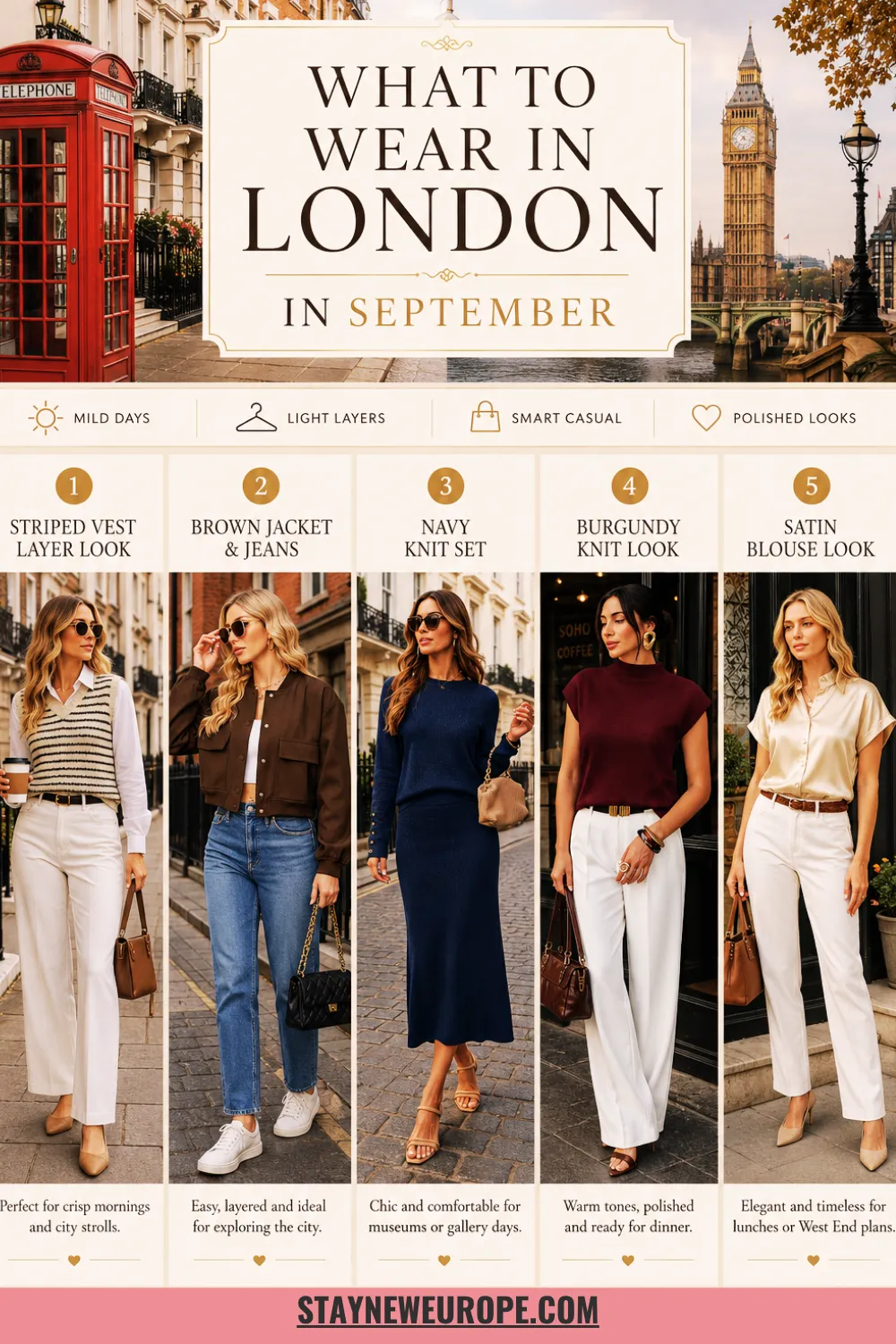
London in September is doing its best impression of summer, and most days it actually pulls it off — until it doesn’t. You’ll get a genuinely warm, golden afternoon in Hyde Park, and three hours later you’re standing at a bus stop wondering why nobody warned you the temperature would drop ten degrees the second the sun clears off.
This is the month that catches people out. Not because London’s weather is extreme — it isn’t — but because it refuses to commit to one thing. Early September can feel like the tail end of summer. Late September edges into proper autumn. And within a single day you might get sunshine, a stretch of grey drizzle, and a wind that comes straight off the Thames with an attitude problem.
What trips travellers up most is packing like it’s still July, or worse, packing like it’s already November. Both are wrong. This guide is about getting the actual balance right — what to bring, what to skip, and how to look like you know where you’re going, even on the days London itself doesn’t seem to know what season it’s in.
Before We Dive In
Weather: September in London runs mild by day and properly cool by night. Expect daytime highs somewhere around 18–21°C (64–70°F) early in the month, dropping toward 15–17°C by the end of it, with evenings regularly down around 10–12°C. It’s comfortable, not hot — you won’t be sweating through your outfit, but you’ll want more than a t-shirt after about 6pm.
Rain is a real factor, not a scare tactic. London gets roughly 10–12 rainy days across the month, and it’s rarely dramatic — mostly short, unpredictable showers rather than all-day downpours. The annoying part isn’t the amount of rain, it’s the timing. It shows up uninvited, usually right after you’ve decided not to bring a jacket.
Walking conditions— matter more than people think. London is a genuinely walkable city, but it’s also a city of Tube stairs, cobbled side streets in places like Covent Garden and Borough Market, and pavements that turn slick the second it rains. Comfortable, broken-in shoes aren’t optional here — they’re the single most important packing decision you’ll make.
Fashion culture: And then there’s the style culture. Londoners dress with a kind of understated confidence — good coats, well-fitted basics, neutral palettes with the occasional sharp colour thrown in. It’s less about polish for polish’s sake and more about looking put-together without looking like you tried too hard. Function and style aren’t separate categories here; the best London outfits do both at once.
The Bag You Actually Travel With
Before we even get to clothes, let’s talk about what’s carrying them. London is not a resort destination — it’s a city of stairs, escalators, luggage racks on trains, and cobbles that will punish a wheelie case with weak wheels.

A soft-structured duffle or a well-built carry-on with sturdy wheels beats a rigid oversized suitcase every time here, especially if your trip includes a train leg out to somewhere like Bath or the Cotswolds. You want something you can lift, not just roll, because at some point you probably will need to lift it.

For daily use, skip the giant backpack. A structured tote or a mid-size crossbody handles a day of museums, shopping, and a theatre show far better, and reads as considerably less “tourist” on the Tube.
Local tip: if your trip includes any countryside detours, our Best Museums in England guide is worth a read before you go — some of the smaller regional museums are genuinely worth the day trip, and knowing your route in advance saves you from over- or under-packing for it.
Layers Are the Whole Strategy, Not a Backup Plan
Here’s the thing that surprised me most the first time I did a proper September trip to London: I packed layers “just in case,” and ended up wearing every single one of them, sometimes within the same afternoon.

The temperature swing between an overcast morning, a genuinely warm early afternoon, and a chilly evening means a single outfit rarely works all day.

What does work is a base layer — a t-shirt or lightweight top — that you can build on and strip back as the day moves.
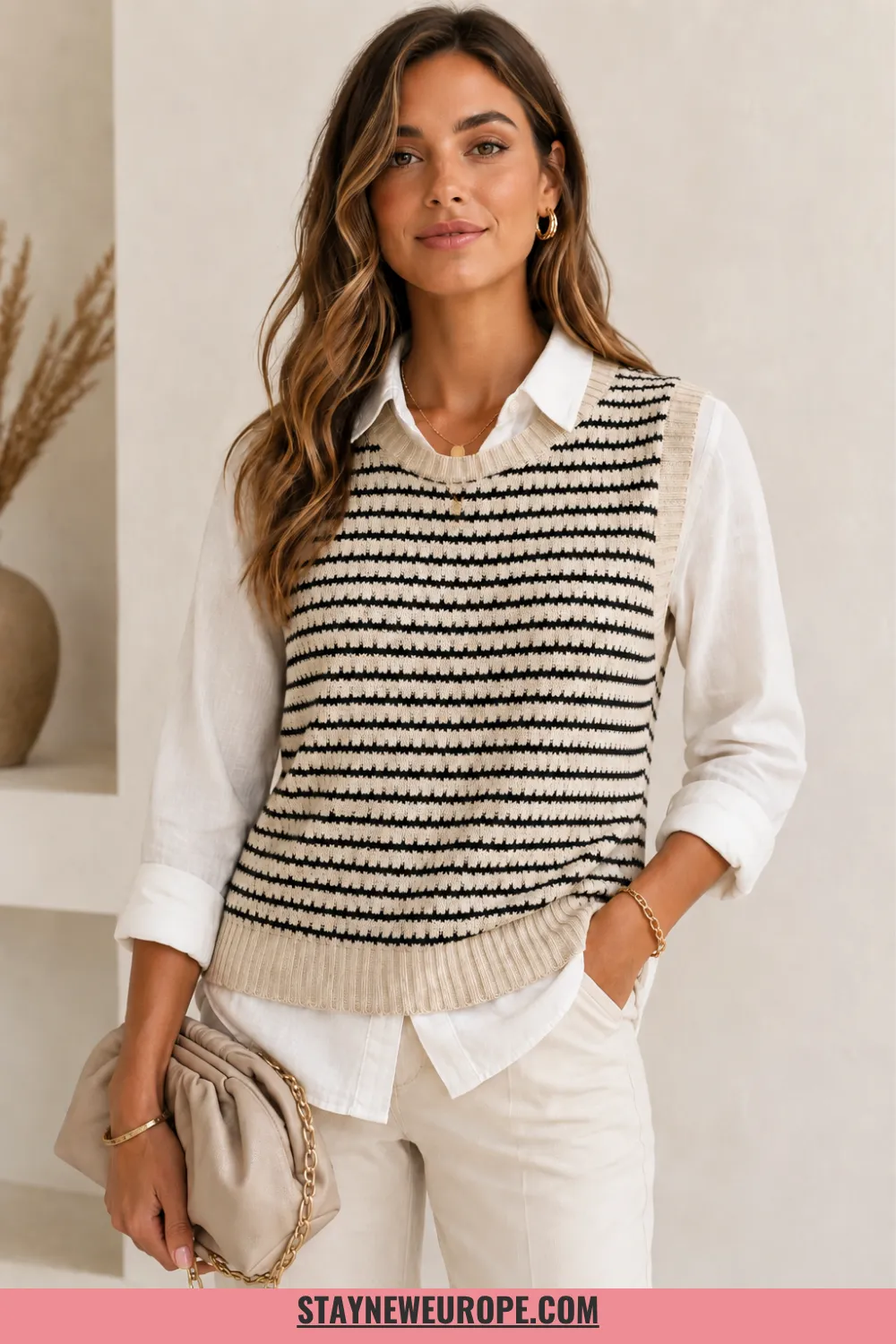
Think: cotton or merino base, a mid-layer like a fine knit or cardigan, and an outer layer that handles both wind and a light shower. None of these pieces need to be bulky. The whole point of layering well is that each piece is thin enough that three of them together don’t feel like a duvet.
Local tip: pack layers in colours that all coordinate with each other, so you’re not limited to one exact combination. A neutral palette — navy, cream, grey, camel — means any top works with any layer, which matters a lot when you’re deciding what to wear at 7am in a hotel room with bad lighting.
The Trench Coat Isn’t a Cliché, It’s Just Correct
I resisted packing a trench coat for London for years because it felt like a costume — like I was dressing as a tourist’s idea of a Londoner. I was wrong. It’s the single most useful outer layer for this exact weather.
A trench does three things well: it cuts wind, it handles light rain without you needing to commit to a full waterproof jacket, and it looks intentional over almost anything — jeans, a dress, trousers, even activewear on a travel day. Go for a knee-length, classic cut in a neutral tone like stone, black, or navy, and it becomes the one item that ties every other outfit together.

If a trench isn’t your style, a lightweight wool-blend jacket or a structured bomber does similar work, though it won’t handle rain quite as gracefully.

Outfit idea: dark jeans, a fine knit jumper, white sneakers, and a camel trench thrown over the top. Works for a morning at the market, a museum, or a casual lunch without changing a thing.
Jeans, Trousers, or the Skirt You Keep Debating
Shorts are largely a non-issue in London in September — the weather rarely justifies them, and they read as distinctly summer-holiday rather than city-appropriate. What you actually need is a rotation of jeans and trousers that can flex between casual and slightly dressed-up.
Dark, straight-leg or slightly wide-leg jeans are the most versatile single item you can pack. They work with trainers for a day of walking and with boots and a blazer for dinner.

Tailored trousers — wool-blend, not linen, given the cooler temperatures — do a similar job with a slightly more polished edge.

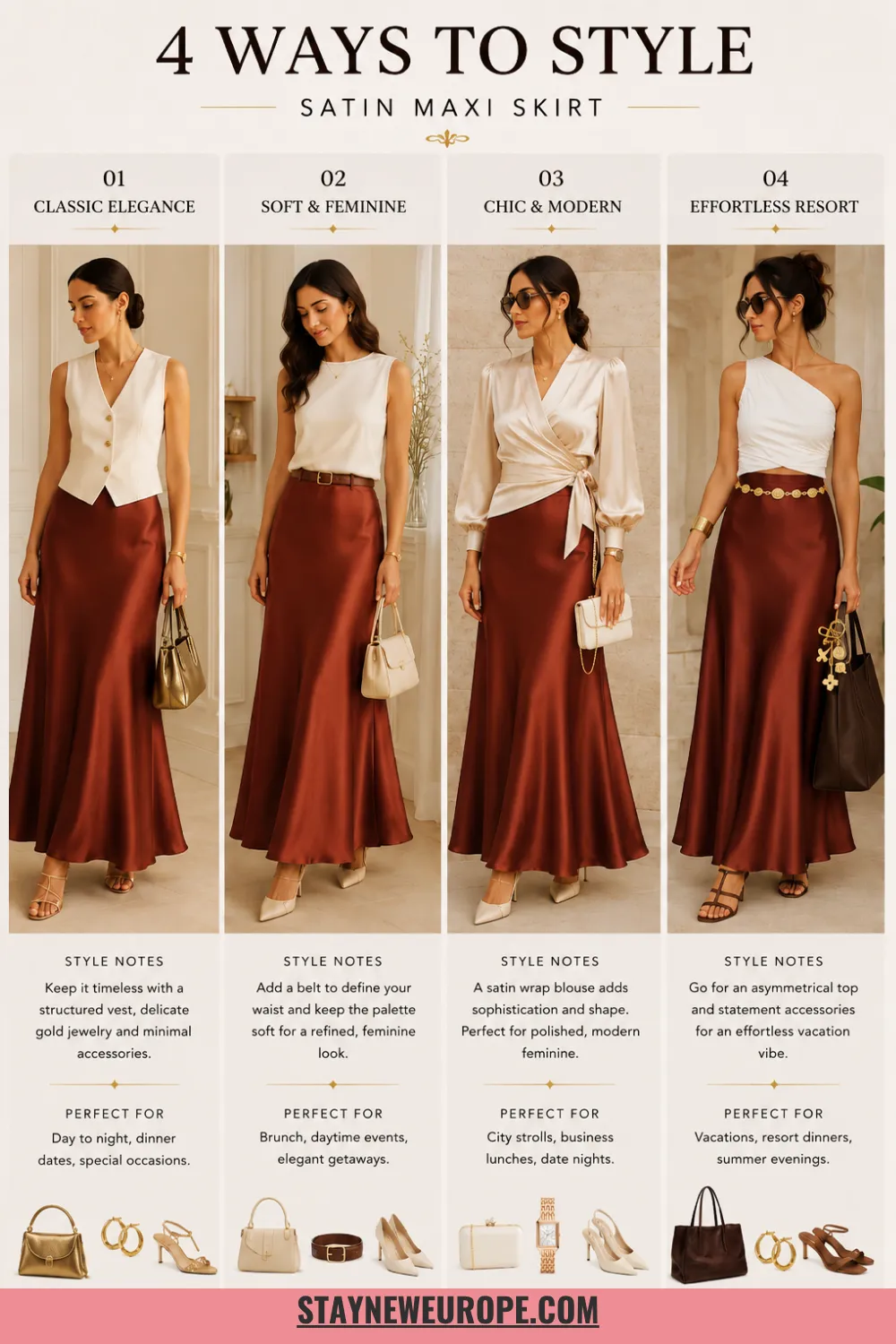
A midi skirt is worth the suitcase space if you like the look.

Paired with tights and boots, it’s genuinely practical for September and photographs a lot better than jeans do against London’s grey stone backdrops.
Local tip: skip white or very pale trousers. London pavements are wetter and grubbier than people expect this time of year, and pale fabric loses the fight by lunchtime.
Dresses That Work With a Jacket Over Them
A dress in September London only works if it’s designed to be layered, not worn alone. The dress itself is doing maybe sixty percent of the outfit — the coat and the shoes are doing the rest.

Midi-length dresses in a slightly heavier fabric — think a soft knit, a brushed cotton, or a viscose blend rather than anything sheer or summer-weight — handle the temperature swing far better than anything you’d pack for a Mediterranean trip. Long sleeves are your friend here, not a compromise.

Outfit idea: a knit midi dress, opaque tights, ankle boots, and the trench from earlier. That’s a full outfit that works for a gallery, a nice lunch, or an early dinner without a single change.
If you’re coming from somewhere warmer and comparing packing lists, it’s worth noting how differently this works from somewhere like our guide on what to wear in Italy in August — the linen-first approach that works beautifully in Mediterranean heat will leave you cold within an hour in London.
Shoes That Can Actually Handle the City
This is the section I’d tell you to read twice. London in September means a lot of walking — Tube platforms, station stairs, cobbled lanes, long museum floors — and the wrong shoes will end your trip by day two.

Comfortable, broken-in leather sneakers or loafers are the sweet spot: they handle the walking, they don’t look out of place at a nice dinner, and they’re not going to soak through the second it drizzles.

Ankle boots are the other strong option, especially with a bit of tread on the sole for wet pavement.

What to avoid: brand-new shoes of any kind, flip-flops or sandals (genuinely too cold most days), and anything with a smooth leather sole that turns into a liability on wet stone.
Local tip: bring one slightly dressier pair of flats or low boots for evenings, so you’re not stuck rewearing trainers to dinner.
What Not to Wear in London in September
A few honest tourist-mistake flags, because someone should say them plainly:
Head-to-toe activewear for sightseeing reads as very obviously visiting rather than local, and London’s slightly more polished dress culture makes it stand out more than it would elsewhere. Save the leggings for the flight.
A single heavy waterproof jacket as your only outer layer is a mistake too — you’ll overheat the moment the sun comes out, which happens more often in September than people expect. Bring the lighter layering system instead.
And skip the flimsy convenience-store umbrella you’re planning to buy at the airport. It will turn inside out on your first windy corner. If you’re bringing one, bring a genuinely sturdy compact umbrella from home.
The Rain Situation, Properly Addressed
London rain in September is rarely the dramatic, all-day kind — it’s the “fifteen minutes of drizzle, then nothing” kind, which is honestly more annoying because it means you can’t just write off a whole day.
A packable rain jacket that folds into your bag is worth more than almost anything else you pack this month. Pair it with the trench for colder, drier days, and switch to the rain jacket when the forecast looks unreliable — which, in September, is most days.

A sturdy compact umbrella earns its space too, particularly for evenings when you’re less likely to be wearing a hood-friendly outfit. Keep it in your bag at all times rather than deciding day by day; London rain doesn’t wait for you to check the forecast.

Evening Outfits: Theatre, Dinner, a Proper Pub
London evenings in September are genuinely cool, and the city’s evening dress code — for theatre, a nicer dinner, or even just a smart pub — leans slightly more polished than a lot of European cities.

For theatre or a proper dinner, think tailored trousers or a midi dress, a fine knit or blouse, and boots or heeled flats, finished with a blazer or coat given the evening chill. For a pub or casual dinner, dark jeans, a good jumper, and boots does the job without overdressing.

Outfit idea: black tailored trousers, a cream silk-blend blouse, ankle boots, and a wool coat. Works equally well for the West End or a nice restaurant in Marylebone.
Local tip: bring at least one properly warm layer specifically for evenings — the temperature drop after dark in September is sharper than most people plan for.
Church, Cathedral, and Formal Dress Codes
Westminster Abbey, St Paul’s Cathedral, and a handful of London’s older churches do still expect a level of coverage — shoulders and knees covered is the general rule, though it’s more loosely enforced than, say, Italian churches.
Given the September temperatures, this is rarely a stretch anyway.
Most of what you’re already packing — trousers, midi dresses, layered tops — clears the bar without any adjustment.

The one thing worth double-checking is sleeveless tops; carry a light cardigan or scarf to cover up if you’re wearing one and heading into a cathedral.
Bags: Crossbody, Tote, or Both
You genuinely need two bags for a London trip in September: something structured for day-to-day sightseeing, and something slightly dressier for evenings.
A crossbody in leather or a durable canvas handles daytime well — hands-free on the Tube, secure in busy areas like Borough Market or Camden, and roomy enough for a packable rain jacket and a water bottle.

For evenings, a smaller structured bag or clutch works, especially paired with the dressier outfits above.

Skip the oversized backpack for daily use unless you’re specifically doing a day trip out of the city — it reads as heavier and more touristy than the crossbody or tote alternative, and it’s genuinely less practical on a crowded Tube carriage.
Accessories That Earn Their Space
A few well-chosen accessories do a lot of work in a London September outfit, mostly because the base outfits themselves lean neutral and simple.
A lightweight wool or cashmere-blend scarf is the single best value item you can pack — it adds warmth on cold mornings, works as an instant outfit upgrade over a plain coat, and takes up almost no suitcase space.

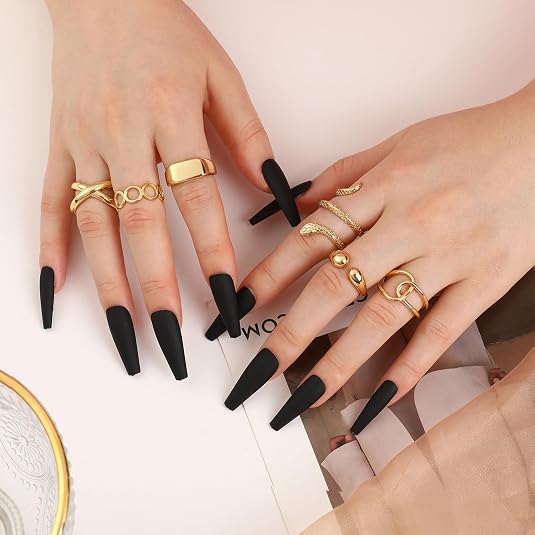
Simple gold or silver jewellery — a chain, small hoops — works better here than anything statement-sized;
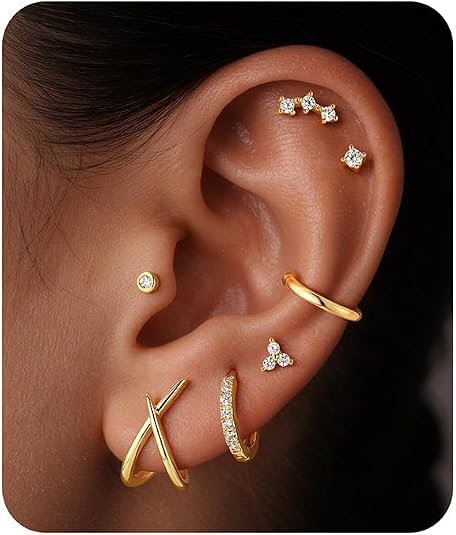
London’s aesthetic leans understated rather than maximalist.
And a pair of sunglasses is still worth packing, even for September — the low autumn sun can be surprisingly sharp on a clear afternoon.

I pack minimally on the clothing side specifically so I have room for accessories, because they weigh nothing and change everything.

Fabrics to Pack (and Ones to Leave at Home)
Fabric choice matters more in September London than in almost any warm-weather European destination, because you’re dressing for a range rather than a single temperature.
- Wool blends,
- fine-gauge knits,
- brushed cotton,
- and denim are your core fabrics — they handle the cool-to-mild range without overheating on a warmer afternoon. Merino wool in particular is worth the investment for a base layer;
it regulates temperature far better than plain cotton and doesn’t hold onto damp the way cotton does if you get caught in a shower.
Leave the linen at home, or at least most of it — it’s a beautiful fabric for somewhere like the destinations in our Spain packing list, but it reads as slightly out of place and feels genuinely cold in London’s September evenings. Pure cotton tees are fine as base layers but shouldn’t be your only layer at any point in the day.
How Many Outfits You Actually Need
For a week in London in September, you don’t need nearly as many outfits as you think — you need good building blocks that layer well together.
- Aim for roughly: 4–5 tops,
- 2 pairs of jeans or trousers,
- 1–2 dresses or skirts if that’s your style,
- 2 knitwear layers, one trench and one packable rain jacket, and
- 2 pairs of shoes plus one dressier evening pair.
That’s genuinely enough to build ten or more distinct outfits through mixing and layering, without hauling a suitcase that fights you at every Tube station.
The mistake most people make is overpacking “options” rather than packing pieces that combine. Before you pack anything, lay it all out and count how many different outfits each piece can realistically be part of — if something only works one way, it’s the first thing to cut.
Before You Go
London in September rewards the traveller who packs with a plan rather than a wish list. It’s not a dramatic climate to dress for — no extreme heat, no bitter cold — but it asks you to think in layers, in versatile neutrals, and in shoes that can actually do the job.
Get the base right and the rest takes care of itself. You’ll be the one comfortably walking from a morning market to an afternoon gallery to an evening show without once needing to go back to the hotel to change — and that, more than any single item on this list, is what makes a trip feel effortless instead of like a series of wardrobe emergencies.

