
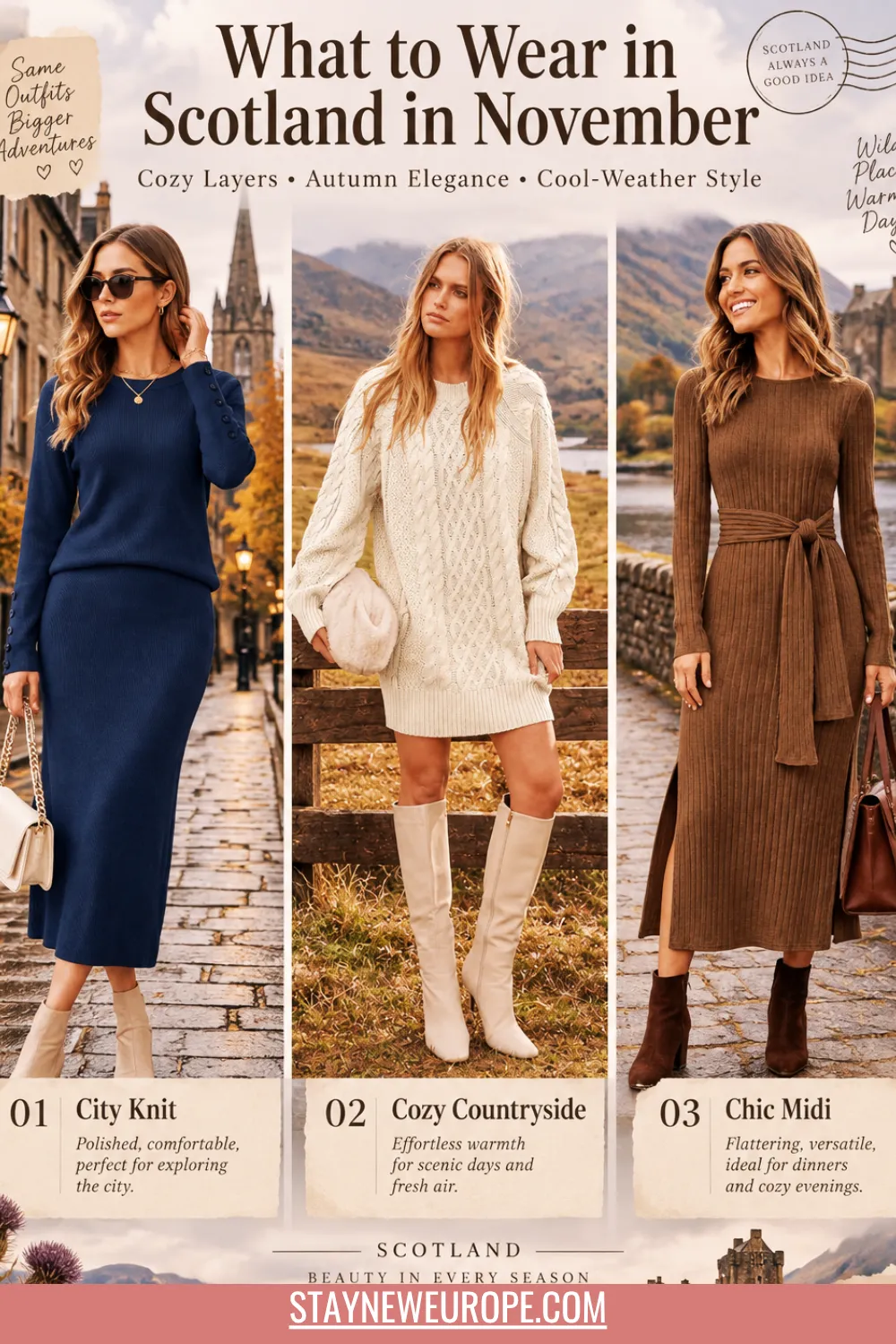
Let me be honest with you: the first time I visited Scotland in November, I packed like I was going somewhere merely “cold.” I was not prepared for wind that pushes you sideways on the Royal Mile, or for the sky to turn from bright to pitch black by 4pm like someone flipped a switch.
November in Scotland isn’t dramatic in the way people expect — no blizzards, no arctic freeze. It’s something sneakier: a damp, grey, wind-whipped chill that gets into your bones if you’re wearing the wrong fabric. The upside? Fewer tourists, cosy pubs with fires going, and that golden hour that somehow lasts all afternoon because the sun barely gets above the rooftops.
This is the part where tourists usually go wrong — either overpacking puffer coats meant for the Alps, or underestimating it because “it’s not winter yet.” Neither works. Here’s what actually does.
Before We Dive In
Weather: think 4°C to 9°C (39°F to 48°F) most days, grey skies more often than not, and rain that comes and goes without warning — sometimes four times before lunch. Wind is the real main character here, especially in Edinburgh and along the coast.
Walking conditions: cobblestones, closes, wynds, and sloped streets everywhere in Edinburgh’s Old Town. Add wet leaves and puddles into the mix and you’ve got a genuine slip risk if your shoes aren’t up to it.
Style culture: Scots dress practically, not flashily — think tailored coats, good boots, and knitwear rather than fast-fashion layers. Nobody’s judging you for a beanie, but a see-through rain poncho will absolutely get you clocked as a tourist in about two seconds.
Layers, Not One Big Coat
Here’s the thing nobody tells you: one heavy coat is actually the wrong strategy for Scotland in November.
You’ll walk into a heated café or museum and instantly regret it, then step back outside into the wind and regret leaving. The trick is building an outfit out of three thin-ish layers instead of one thick one — a base layer, a mid layer (this is where your jumpers live), and a weatherproof shell on top. You add or peel off as the day demands it, which in Scotland can mean four times before dinner.
I learned this the hard way on a walking tour of Edinburgh, sweating under a parka one minute and shivering the next because I had nothing to take off underneath it. A merino base layer under a knit, under a shell, solved that problem completely — and packs down to almost nothing in your case.

Local tip: pack layers you can actually tie around your waist or stuff in a tote — bulky fleece jackets that don’t fold small become dead weight fast.
The Waterproof Jacket Is Not Optional
If you only take one piece of advice from this whole guide, let it be this one.
Scotland doesn’t really do “light drizzle that passes” — it does sideways rain that a cute trench coat will not survive. A proper waterproof shell, ideally with a hood that doesn’t blow off in wind, is the single most important thing in your suitcase. Fashion-forward trench coats look lovely in photos and soak through in about four minutes here.

Go for something with taped seams if you can, in a neutral colour like navy, olive, or camel so it works over every outfit rather than just one. A longline waterproof coat also doubles as your “smart” jacket for dinner, so you’re not packing two bulky outerwear pieces.

Local tip: pair it with a windproof, packable layer underneath for days you’re out for hours — Edinburgh wind off the Firth of Forth is no joke.
Knitwear Is Doing More Work Than You Think
A good jumper is basically the backbone of every outfit you’ll wear this trip.
Chunky knits, turtlenecks, and cardigans aren’t just cosy — they’re your mid-layer, your photo outfit, and your pub-dinner outfit all at once. I’d rather have three great jumpers in different textures than five thin tops that all need a cardigan over them anyway.

A cream cable-knit under a wool coat looks properly put-together with almost zero effort, and a dark turtleneck works morning castle visits through to evening whisky bars without you changing at all.

Local tip: wool and merino actually keep you warm even slightly damp — cotton knits just go cold and stay that way.
Jeans, Trousers, or Leggings? Here’s What Actually Works
Shorts and skirts alone are a hard no this time of year — I mean that kindly, not as fashion policing, just physics.
Straight or slightly wide-leg jeans in a heavier denim handle the wind far better than skinny cotton ones, and they dry faster if you get caught in rain. Corduroy trousers are a genuinely underrated

Scotland-in-November pick — warm, textured, and they photograph beautifully against grey stone streets. If you want to wear a skirt or dress (and you should — it feels festive), just add thick tights or leggings underneath.

Local tip: thermal leggings under jeans on genuinely raw days aren’t cheating, they’re strategy.
Footwear That Can Handle Cobblestones and Puddles
This is where I’ve seen more travellers suffer than anywhere else on the trip.
Edinburgh’s Old Town is stunning and also actively hostile to cute-but-impractical shoes — wet cobblestones plus heeled boots is a recipe for a twisted ankle. You want a low, grippy sole and genuinely waterproof (not just water-resistant) uppers.

Leather ankle boots with a rubber sole are the sweet spot between stylish and sensible; if you’re heading to the Highlands, pack an actual pair of walking shoes too.

Local tip: break in new boots before the trip — Scotland in November is not the place to discover a blister two hours into day one.
What NOT to Wear (Save Yourself the Regret)
A few tourist mistakes I see on repeat:
Flimsy ballet flats, cotton hoodies as your only “warm” layer, and umbrellas in Edinburgh’s wind tunnels (they will turn inside out and you’ll be carrying a broken umbrella for the rest of the day).
Also skip pure white trainers unless you enjoy scrubbing mud off them nightly, and leave the going-out heels for indoor venues only — nobody’s walking cobblestones in stilettos here, tourist or local.
Evening Outfits for Pubs, Restaurants, and Whisky Bars
Scottish evenings lean smart-casual, warm, and unfussy rather than dressy.
A dark jumper with tailored trousers or a slip dress layered over a turtleneck both work well for dinner, especially with your daytime boots swapped for something slightly cleaner.

Whisky bars and cosy restaurants are usually candlelit and fireplace-heavy, so a soft knit or velvet blazer feels right at home.

Local tip: bring one slightly “dressier” outfit that still layers under your waterproof coat — you don’t want to be stuck choosing between warm and presentable on the walk over.
Dress Codes for Churches and Cathedrals
St Giles’ Cathedral and other historic kirks don’t enforce strict dress codes, but modest, covered shoulders and knees is the respectful default, especially if a service is happening.
A long cardigan or scarf thrown over your outfit solves this instantly without requiring a separate “church outfit” — genuinely useful given how many castles and cathedrals are on a typical Scotland itinerary.

Crossbody Bags Beat Backpacks Here
Between wind, rain, and cobblestone streets, you want a bag that stays put and keeps your hands free for balance (and coffee).
A crossbody bag with a zip closure keeps things dry-ish and secure, and sits comfortably under a coat when it’s really pouring. Backpacks are great for full-day Highlands excursions where you need extra layers and snacks, but for city days, crossbody wins every time.

A backpack has its place too, particularly on travel days between cities or if you’re carrying a camera and extra layers. Just be mindful in crowded spaces — a backpack worn on your back is an easy target in a packed metro carriage, so swing it to the front in tight spaces.

Accessories That Actually Earn Their Space in Your Bag
A proper wool or cashmere scarf, a beanie or wool hat, and real gloves (not the thin fashion kind) make a bigger comfort difference here than almost anywhere else in Europe.

Skip flimsy silk scarves as your only neck layer — they look lovely and do nothing against wind chill.

A tartan scarf, incidentally, is both a very Scotland souvenir and genuinely useful gear, so it’s worth buying one when you arrive rather than packing your own.

plus a beanie or beret for the colder days (yes, the beret cliché is a cliché because it genuinely works there).

Rain Prep Beyond “Just Bring a Jacket”
Waterproof doesn’t stop at outerwear — think about your bag, your shoes, and your phone too.
A small dry pouch or waterproof phone case is worth the tiny bit of extra weight, and waterproof spray on suede or leather boots before you leave home will save you a lot of regret.

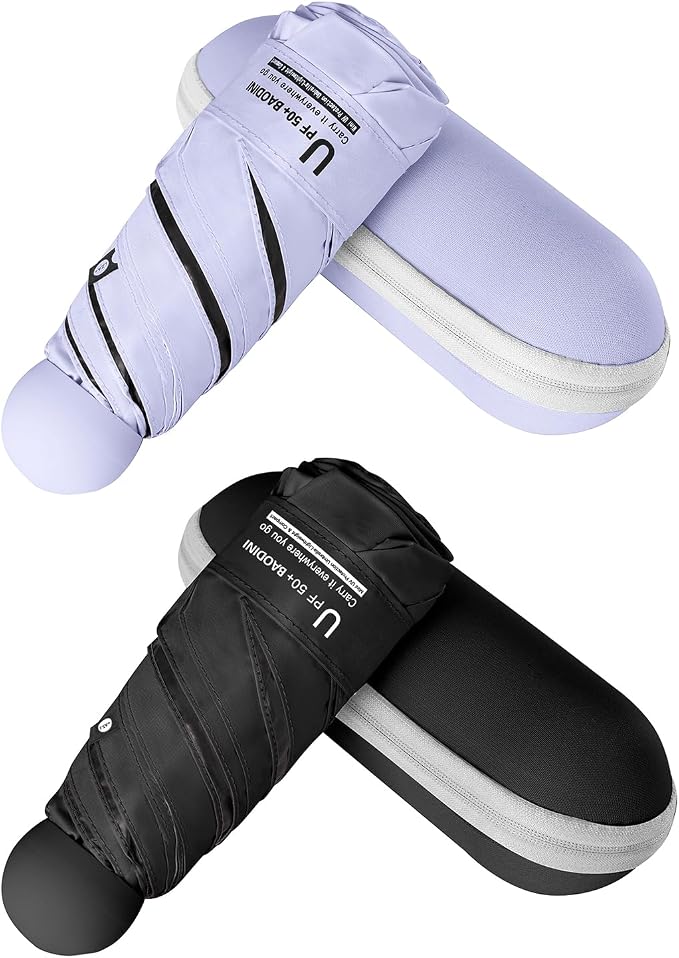
Compact umbrellas exist for genuinely still, rainy (non-windy) days — just don’t rely on one as your only rain plan.
I’d also treat your boots with a waterproofing spray before you leave — it takes five minutes and saves your feet for the whole trip.

Fabrics to Pack (and the Ones to Leave Home)
Wool, merino, fleece, and technical waterproof fabrics are your friends. Cotton — including cotton hoodies, jeans, and t-shirts as a base layer — is genuinely your enemy here, because it holds moisture and stays cold once wet.
If you’re building a capsule wardrobe for the trip, prioritise pieces in wool and technical blends over cotton basics, even if that means packing fewer items overall.
The Right Bag for a Scotland Trip
A soft-sided carry-on or a sturdy duffle handles Scotland’s cobblestones and unpredictable train platforms far better than a hard-shell case that clatters over every uneven surface.
If you’re combining Edinburgh with the Highlands, something with backpack straps as a backup carrying option is genuinely useful for train station stairs with no lifts.
Building a Scotland Capsule Wardrobe
For a five-to-seven-day trip, aim for two pairs of bottoms (jeans plus one warmer trouser or thermal-leggings-and-skirt combo), three to four knits you can mix and match, one waterproof coat, and one dressier top for evenings. Everything should layer with everything else — that’s the whole point of a capsule.
Practical Packing: What to Actually Bring
For a week-long trip, six to seven tops (mostly knits), two bottoms, one waterproof coat, and two pairs of shoes is genuinely enough — overpacking “just in case” outfits is the single most common mistake I see.
Plan outfits around your itinerary before you pack rather than packing everything you own and deciding later; it’s how you end up with a suitcase full of things you never wear.
The biggest mistake, honestly, is packing for the Scotland you’re imagining rather than the one that actually shows up — pack for grey, damp, and windy, and anything sunnier is a pleasant surprise rather than a scramble.
Scotland in November has a mood — moody skies, warm pubs, cobblestones slick with rain, and a kind of quiet magic that the summer crowds never get to see. Pack smart, dress warm, and you’ll actually get to enjoy all of it instead of white-knuckling your way through the wind. Slàinte, and safe travels.

