
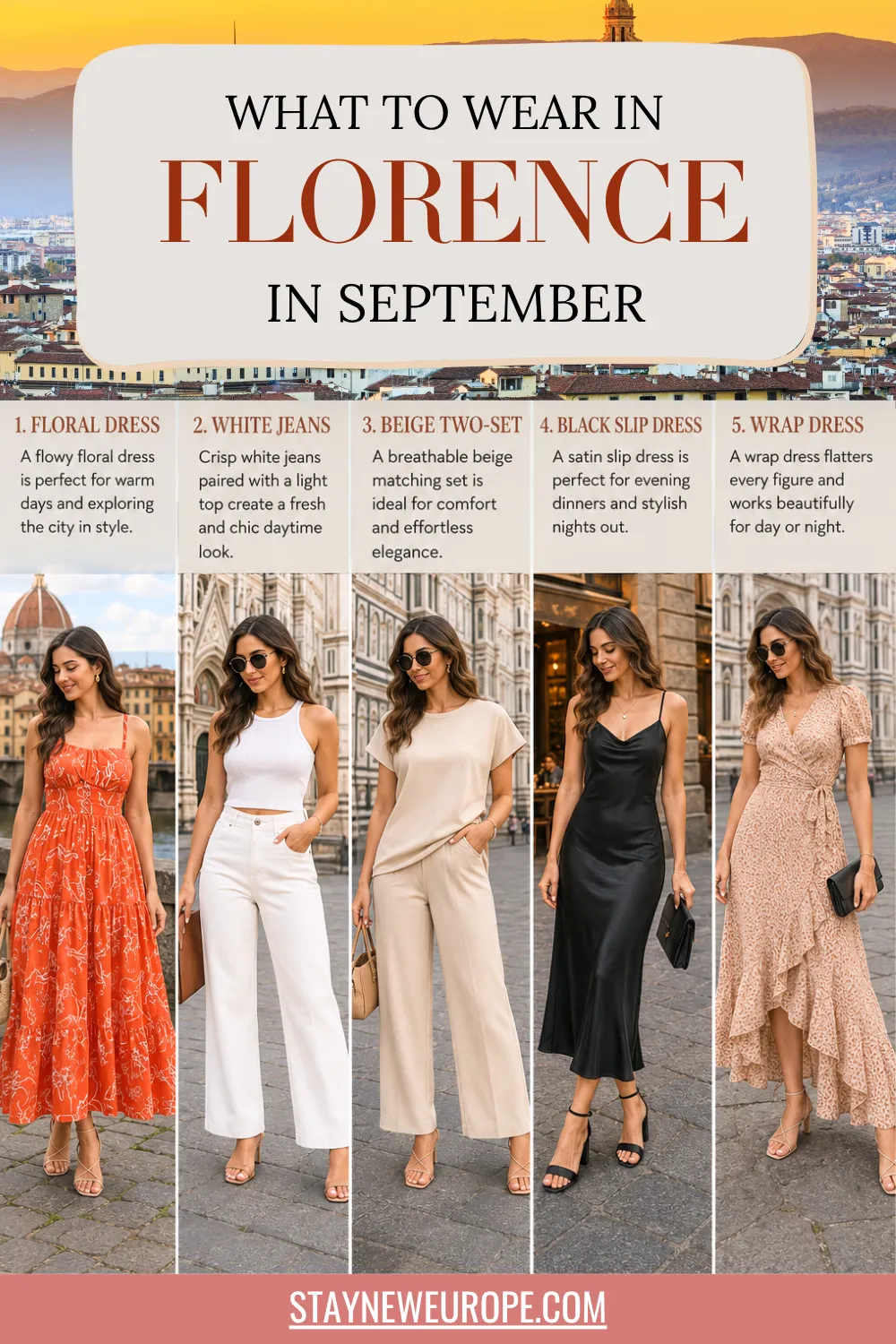
Florence in September is one of those travel experiences that ruins other cities for you. The summer heat is softening just enough to be bearable, the crowds from August have thinned, and the city — all golden stone and terracotta rooftops — looks like it was painted specifically to make you feel underdressed. I say that with love, but also with hard-won experience: Florence has a way of making you very aware of what you’re wearing, and not always in a comfortable way.
The weather is genuinely transitional — warm enough for sundresses in the afternoons, cool enough in the evenings to wish you’d brought a layer. The cobblestones around the Duomo will test any shoe with a heel above two centimetres. And the Florentines themselves, stylish in a quietly serious way, will make your oversized university hoodie feel like a personal failing.
Here’s everything I wish someone had told me before I packed for Florence in September — and a few mistakes I made so you don’t have to.
Before We Dive In: What September in Florence Is Actually Like
Weather: September is arguably Florence’s finest month. Temperatures sit between 18°C and 27°C — warm enough for summer clothes during the day, cool enough for the evenings to feel genuinely pleasant rather than suffocating. There’s occasional rain (September can bring short, sharp showers, particularly in the second half of the month), but nothing like northern Europe’s grey persistence.
The walking conditions: Florence is a walking city in a way that sounds romantic until your third day. The streets around Santa Croce, Oltrarno, and the historic centre are almost entirely cobblestoned — uneven, slightly slippery in the wet, and completely unforgiving of thin-soled footwear. You will cover 12,000–18,000 steps on a normal sightseeing day. Your feet will know this.
Style-wise: Florentines are the Italians who take it most seriously. This is the city that invented the Renaissance, the birthplace of Gucci, and the home of some of the finest leather artisans on the planet. People here dress with intention. They’re not intimidating about it — nobody is going to stop you at the door for wearing trainers — but you’ll feel it. Putting in even a small amount of effort will make your experience of the city measurably better.
Linen: The Fabric That Runs Florence in September
I am evangelical about linen in Italian cities in late summer, and I will not apologise for it.
September in Florence means temperatures that feel warm from about 10am until early evening. Linen handles this better than anything else in your wardrobe — it breathes, it wicks, and it has this particular quality where it looks more elegant the more it softens with wear. A linen blouse or linen wide-leg trousers in September Florence is not an attempt to dress well; it’s just the objectively correct choice.
The outfit formula that works hardest here: linen wide-leg trousers (cream, terracotta, or dusty green all look beautiful against Florence’s golden stone backdrop) with a simple fitted top tucked in. This works for morning museum visits, lunch in a trattoria, afternoon gelato by the Arno, and with a blazer thrown over, it works for dinner too. One pair of trousers, three or four different tops, one layer — you’ve covered most of your trip.
Local tip: Florence’s own fabric and leather markets sell beautiful linen by the metre if you want to pick something up as a souvenir. More practically, linen is the fabric Florentine women wear in September and it will help you fit in effortlessly.
Dresses That Work for Florence’s Particular Vibe
Florence has a specific aesthetic that rewards certain dresses and is quietly unkind to others. The city is formal in an old-world way — not stiff, but considered. A floaty boho maxi works in Florence in a way it might feel out of place in, say, Milan.

What doesn’t quite work: ultra-casual beach-style sundresses with spaghetti straps worn as a standalone outfit through the historic centre.

For daytime: wrap dresses in muted or earthy tones are excellent. They’re church-appropriate when you tie them closed (covered shoulders and knees are required at the Duomo and Santa Croce — more on that shortly), they work with flat sandals for hours of walking, and they look polished without requiring any effort. A midi wrap dress in rust, deep olive, or warm ochre photographed against Florence’s streets is, frankly, a very good image.

Local tip: Ponte Vecchio at golden hour in a proper outfit is one of the most photographed moments in Europe for a reason. Plan your nicest dress for that particular walk.
Jeans and Trousers: The September Balancing Act
Here’s the honest answer on jeans: they’re fine in September, and better than they’d be in July. The cooler evenings actually make them comfortable, and a well-fitting pair of jeans with a nice top is perfectly appropriate for Florence. What you want to avoid is dark, heavy denim on warm afternoons — by 2pm in direct sun it’s genuinely uncomfortable, and there’s nothing worse than being halfway up the Campanile in jeans you’re regretting.
Light-wash or white jeans are the smarter call if denim is important to your wardrobe identity. They read as intentional rather than default, they’re cooler in the heat, and they photograph beautifully in Florence’s warm light.
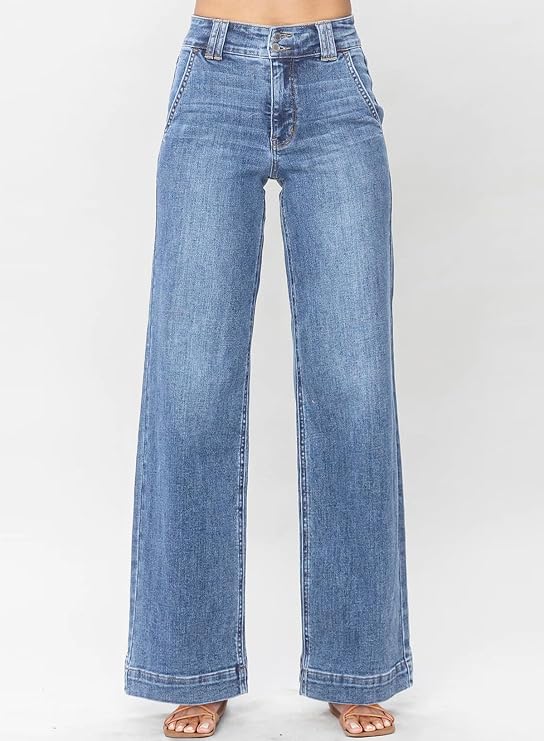
Wide-leg linen or cotton trousers, as I’ve already argued, are the better option for daytime exploring. But if you’re packing for evenings and cooler days too — and September’s second half can bring some genuinely cool evenings — a single pair of well-fitting jeans earns its place. Just don’t make them the backbone of your Florence wardrobe.

Local tip: September in Florence is Florentine fashion week adjacent — the city buzzes with style. You’ll see local women in impeccably cut straight-leg trousers with pointed-toe flats and a blazer looking more effortless than seems fair. Steal the formula shamelessly.
Walking Shoes: The Decision That Makes or Breaks Your Trip
Let me be extremely clear about this because I have seen it go wrong too many times: the streets of Florence will end your trip early if you bring the wrong shoes.
The cobblestones between the Piazza della Repubblica and the Duomo, the uneven stones of the Oltrarno neighbourhood, the steps up to Piazzale Michelangelo — all of it requires shoes with proper grip, proper cushioning, and crucially, shoes you’ve already worn in. New shoes, however beautiful, will have you limping by the end of day two.

For daytime: leather sandals with a proper footbed (Birkenstocks, Camper, or any sandal with contoured support), or well-worn white leather trainers. Both are genuinely stylish and both will serve you for 15,000-step days without destroying your feet. White leather trainers are everywhere in Italian cities right now and they look intentional in a way that dated fashion advice might not have told you.

For evenings: a low block heel or a kitten heel is manageable on Florence’s streets if you choose carefully. Stilettos are not. The cobblestones will catch a thin heel and the resulting stumble in front of a Florentine restaurant terrace is an experience I recommend avoiding.

Local tip: Florence is the leather shoe capital of the world. If you want to invest in a pair of genuinely excellent walking shoes while you’re here, the area around Via de’ Tornabuoni and the artisan workshops in Oltrarno are where to look. You’ll pay more than the market, but you’ll own them for a decade.
Lightweight Layers: Your September Non-Negotiable
This is the item that most first-time September visitors underpack. The temperature swing in Florence between 2pm and 9pm can be 8–10 degrees. You’ll be warm in a sundress at lunch and genuinely chilly at a rooftop aperitivo by 8pm.
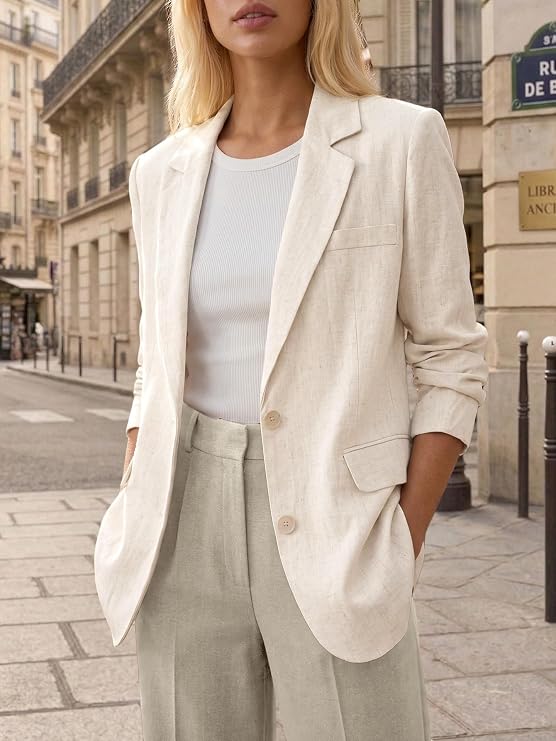
A linen or cotton blazer is the single most versatile layer you can bring. It turns any outfit into an evening outfit, covers your shoulders for churches without the awkward scarf-draping routine, and packs flat into a bag for the parts of the day when you don’t need it. In a neutral — camel, navy, or cream — it works over a dress, over trousers, over jeans.
A thin cotton cardigan does similar work for a softer, more relaxed look. A silk scarf does it with considerably more Florentine energy and takes up approximately zero suitcase space.

What you don’t need: a puffer jacket, a heavy cotton hoodie, or a proper winter coat. September in Florence is not that kind of cold. But without at least one proper layer, you will be the person buying an overpriced wrap from a tourist shop near the Uffizi because you misjudged the evening temperature. I’ve been that person. It’s not dignified.
Local tip: Early September you can leave your layer in your bag all day. By late September, particularly after dark, you’ll want it out before dinner.
Church Dress Code: What You Actually Need to Know
Florence has more significant churches per square kilometre than almost anywhere on earth, and most of them — including the Duomo, Santa Croce, Santa Maria Novella, and the Baptistery — require covered shoulders and knees to enter. This is not a suggestion; it’s enforced, and you will be turned away.

The practical solution is not to pack special church outfits — it’s to pack outfit pieces that naturally cover the right areas, and to carry a lightweight scarf or layer for the times they don’t.
- A midi wrap dress covers knees and can be adjusted to cover shoulders.
- Linen wide-leg trousers with any top covers knees; add your blazer or scarf for shoulders.
- A maxi dress in a non-sheer fabric often covers everything by itself.

What to avoid: shorts above the knee as your only lower-body option (you’ll be barred from every major church), sleeveless tops without a back-up layer, and anything sheer without something underneath.
The Uffizi Gallery has no dress code — but some of the smaller churches with extraordinary art inside are overlooked by visitors who get turned away at the door. The Brancacci Chapel in Oltrarno, which contains some of the most important frescoes in Western art, has a strict covered-clothing policy. Don’t miss it over a wardrobe issue.
Local tip: Keep a lightweight scarf in your bag specifically for this. It doubles as an evening layer, a sun cover-up for midday exploring, and a quick church-appropriate wrap in thirty seconds.
What NOT to Wear in Florence
I say this gently, because Florence is a welcoming city and nobody will be unkind to you — but there are outfits that will mark you very clearly as someone who didn’t think about this, and you’ll simply feel more comfortable if you avoid them.
Athletic gear as sightseeing attire is the main one. Running leggings, sports bras, compression shorts — these are for the gym and the morning run, not for the Uffizi or a trattoria in Oltrarno. Florence notices. It’s not offensive; it’s just out of place in a city that takes its visual culture extremely seriously.
Flip-flops for city sightseeing. Beach footwear is for the beach. The cobblestones will hurt your feet anyway, but beyond practicality, flip-flops in a Florentine restaurant or museum feel like a choice the city doesn’t quite understand.
Heavily branded logo streetwear. I know this is everywhere in global street style right now, but Florence’s fashion DNA is refined and subtle. Big logos read loudly in a city where quiet intentionality is the whole aesthetic.
Overly revealing clothing in the historic centre. Not because anyone will stop you, but because Florence’s neighbourhoods — particularly the more residential Oltrarno — are lived-in communities, not backdrop. A bit of consideration goes a long way.
Local tip: The fastest way to dress like a Florentine is to buy less, buy better, and choose neutral, earthy tones. The city’s palette — warm terracotta, sandy gold, deep green — should inform your wardrobe choices, not fight them.
Evening Outfits: Florence After Dark
Florence in the evening is a genuinely beautiful thing and you should dress for it accordingly.
The aperitivo culture here is real and social — people gather at bars around 6–8pm, properly dressed, for Negronis and small bites before dinner. This is not a casual affair. You don’t need to be formal, but you should look like you made a decision about what you were wearing.
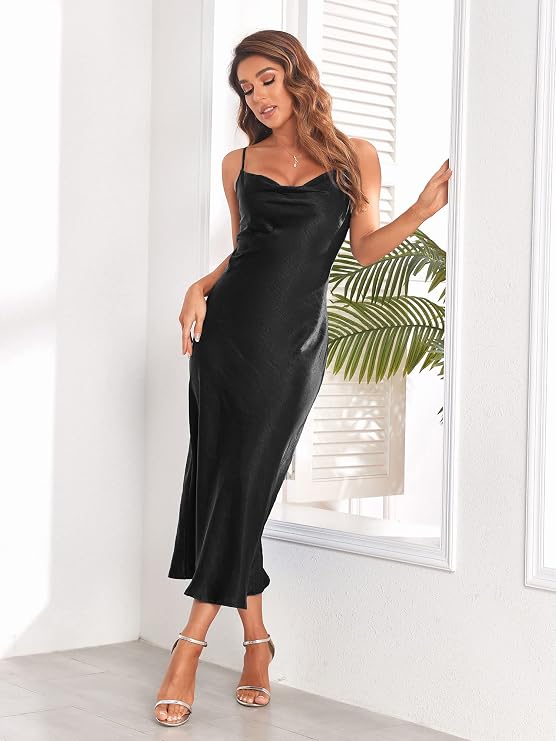
A slip dress, a blazer over trousers, a wrap dress with sandals and gold jewellery — all of these are right.
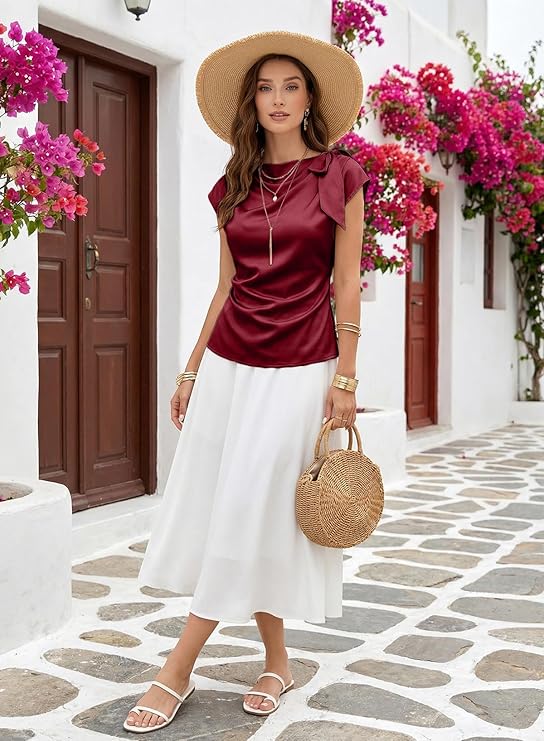
Dinner at a proper Florentine restaurant (and there are many, particularly in the Oltrarno neighbourhood across the river) has a similar energy. Smart-casual is the register. The Italians at the next table will be in something polished and you’ll feel better if you match their energy.

Outfit idea: Silk-effect midi slip dress in deep burgundy or forest green + gold hoop earrings + block-heeled sandals + small leather clutch. You’ll be perfectly dressed for aperitivo, dinner, and a walk across the Ponte Vecchio in the evening light. That’s three of Florence’s best experiences covered by one outfit.
Local tip: Book dinner early by Florentine standards — restaurants here fill up quickly, and the 8–9pm slot in popular Oltrarno spots gets taken fast, especially in September when the city is busy again after August.
Rain Preparation: The Bit Everyone Ignores
September in Florence is mostly beautiful. But the second half of the month can bring those sharp, sudden Mediterranean rain showers that arrive with very little warning and soak everything in twenty minutes before stopping completely.
A packable rain jacket that folds into its own pocket is genuinely worth the space it takes. Not a heavy waterproof — just something that can be pulled out of your bag quickly when the sky changes its mind. Alternatively, a silk-feel trench or light mac works as both a layer and rain protection and looks considerably more Florentine than a neon hiking jacket.

An umbrella is less necessary but if you want you can take a compact travel umbrella — the showers are usually short enough to wait out under a portico (Florence has excellent covered walkways), but if you like the security of having one, a compact flat-fold umbrella weighs almost nothing.

What you should also think about: your shoes. Leather sandals and suede anything do not enjoy heavy rain. If rain is forecast, save the delicate footwear and wear your trainers. Cobblestones are also slippery when wet in a way that requires confident, flat-soled shoes.
Local tip: Florence’s covered arcade along Via dei Calzaiuoli is a good emergency shelter during sudden showers. Also, a wet Florence smells extraordinary — petrichor on warm stone is one of the better travel experiences.
Bags: Crossbody vs Backpack (and Why Florence Has a Strong Opinion)
I touched on this at the top but it deserves its own section because the stakes are slightly higher in Florence than in most Italian cities.
Florence has a well-documented pickpocket issue around high-traffic tourist areas — the Piazza del Duomo, the Uffizi queue, the Ponte Vecchio, and the Mercato Centrale in particular. A backpack worn on your back is functionally invisible to you in a crowd. You will not feel someone opening it. A crossbody bag worn across your front, with the zip facing you and your hand loosely resting on it, is the practical answer.

Beyond security: Florence rewards looking intentional. A quality leather crossbody reads as thoughtful. A large hiking backpack reads as tourist. Neither is a crime — but one of them makes navigating Florentine restaurants and churches considerably easier.

If you need more carrying capacity for a day of serious sightseeing, a small leather tote that can be looped through your arm works well. Keep your valuables (phone, wallet, passport) in the crossbody; extras (water, scarf, camera) in the tote.

Local tip: If you’re buying a leather bag in Florence, avoid the stalls immediately around the Duomo and go instead to the artisan workshops in Oltrarno or the Santa Croce leather school, which produces genuinely excellent pieces at better prices.
Accessories That Do the Heavy Lifting
Florence is a city where a simple, well-chosen accessory transforms an ordinary outfit into something that fits. The Italian approach to accessories is minimal but precise — one good item worn with confidence beats five layered mediocre ones.
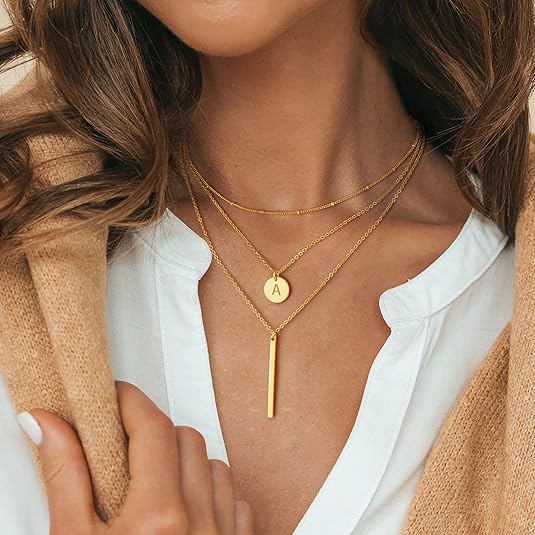
Gold jewellery is the move in September Florence. The warm light, the golden stone, the earthy palette of the city — everything here was designed to work with gold. A pair of good hoops, a simple chain, or a delicate ring or two is all you need. Leave the statement costume jewellery at home.
Sunglasses are non-negotiable — September sun in Tuscany is still serious, particularly around midday, and a good pair earns its place both practically and aesthetically. A tortoiseshell or olive-framed pair looks particularly right against the warm Florentine backdrop.

A silk or viscose scarf folded into your bag is, as I’ve already argued, the most versatile accessory you can pack. It’s a layer, a church cover-up, a sun shield, an impromptu bag liner, and an outfit upgrade when draped over a simple dress for evening.

Local tip: The Florentine aesthetic gravitates toward quality over quantity. One beautiful accessory bought here — a leather belt, a silk scarf, a pair of handmade earrings from an Oltrarno workshop — will serve you better than a dozen things from a fast-fashion chain.
Your Florence September Capsule Wardrobe
For a five-to-seven day trip, this is what actually earns its place in your suitcase:
Tops: 2–3 fitted or relaxed cotton/linen tops in neutrals (cream, white, soft terracotta), 1 slightly dressier silk or satin blouse for evenings
Bottoms: 1 pair wide-leg linen trousers, 1 pair light-wash or white jeans
Dresses: 1 midi wrap dress (day and casual evening), 1 slip-style midi dress (evenings and nicer dinners)
Layers: 1 linen or unlined cotton blazer, 1 lightweight silk or viscose scarf
Shoes: 1 pair supportive leather sandals, 1 pair broken-in white leather trainers, 1 pair low block-heeled sandals or pointed-toe kitten heels for evenings
Bags: 1 quality crossbody (worn daily), 1 small leather tote or clutch for evenings
Rain: 1 packable rain jacket or light trench
That’s it. If you’ve packed more than this, you’ve overpacked. Florence is a city that rewards travelling light — you’ll thank yourself for it on the cobblestones.
If you’re planning a broader Italian trip, our guides on what to wear in Italy in July and what to wear in Rome in July cover the summer wardrobe logic that carries forward into September. And if you’re heading to the coast before or after Florence, our Sardinia summer style guide has everything you need for the Italian island wardrobe.
Packing Tips: How to Get This Right Without Overpacking
The number one mistake people make packing for Florence in September is trying to cover every possible temperature scenario and ending up with a suitcase so full it becomes its own problem. The capsule above works because each piece crosses over with at least two or three others — you’re building outfits, not packing individual looks.
A few practical things: roll don’t fold linen (it prevents creasing and saves space), pack your blazer last so it sits flat on top, and put shoes at the bottom of your bag in dust bags or shower caps. Florence’s cobblestones will scuff the soles of anything exposed in transit.
Pack your most-worn shoes in your carry-on or personal item if you’re checking a bag — if your luggage is delayed, you’ll want your walking shoes immediately.

And finally: leave a little space for what you’ll find in Florence. The leather workshops in Oltrarno, the silk scarves in the covered markets, the beautifully wrapped Florentine paper goods — this is one of the best shopping cities in Europe. You’ll want room to bring something home.
Florence in September is one of the genuinely great travel experiences — a city at its most beautiful and most breathable, with crowds that have thinned from August’s peak and golden light that seems to follow you around. Go there dressed for the city it actually is: warm, considered, beautiful, and quietly unimpressed by people who didn’t think about what they were wearing. Pack well, walk everywhere, eat everything, and let the cobblestones tell you which shoes you should have worn.

