
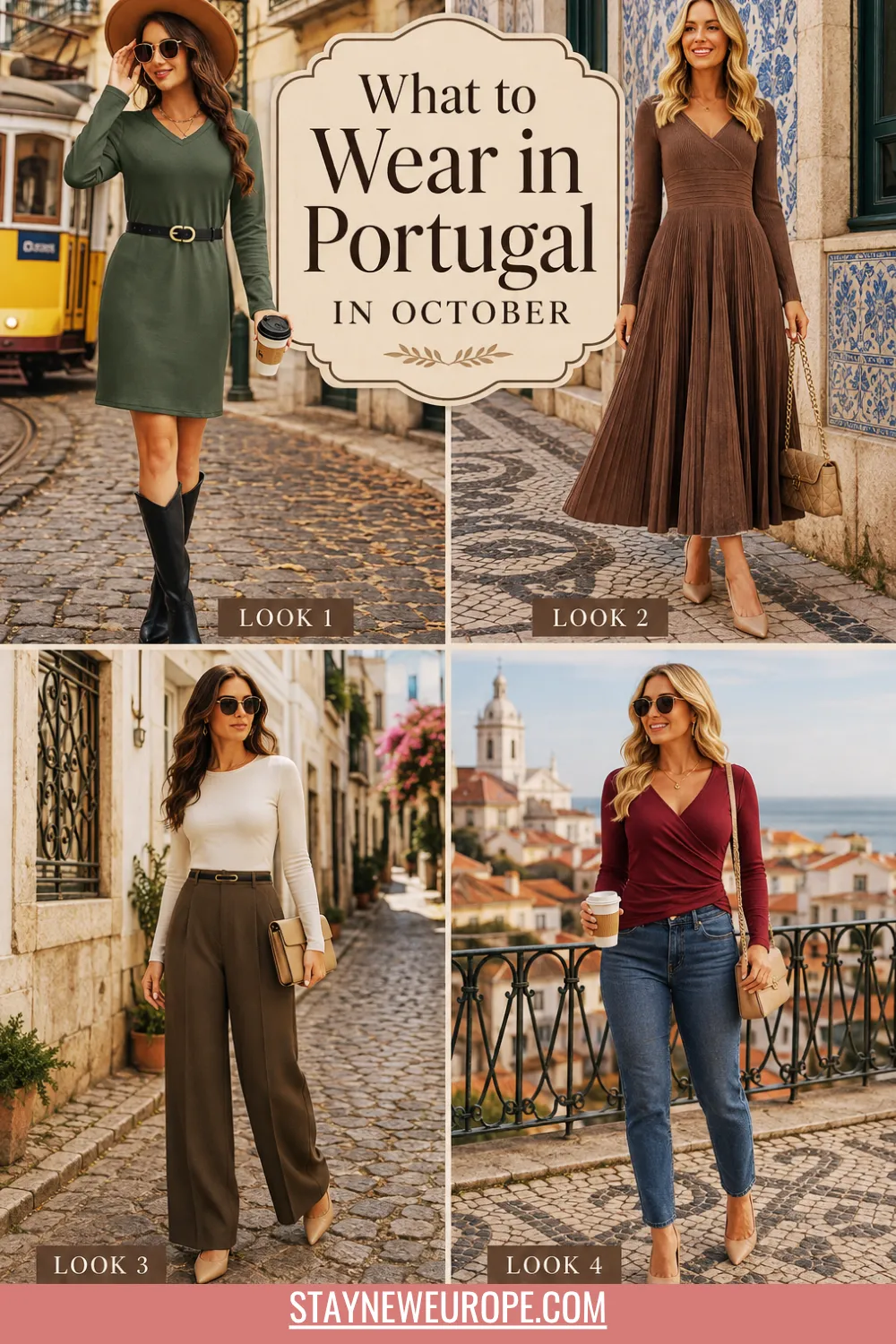
October in Portugal is the trick month. One afternoon you’re in a linen shirt sweating gently on a Lisbon miradouro, and the next morning you’re standing at a tram stop wondering why you didn’t pack a scarf. I learned this the hard way on my first trip — I packed like it was still summer, because everyone told me Portugal stays warm forever, and by day three in Porto I was buying an overpriced sweater from a tourist shop near the Ribeira just to survive dinner.
Here’s the thing nobody tells you: Portugal in October isn’t one climate, it’s three. Lisbon and the Algarve still hold onto summer’s edges. Porto and the north start cooling fast, especially once the sun drops. And everywhere, the light turns golden and a little dramatic, which honestly makes for the best photos of the whole year — if you’re dressed for it.
This isn’t a list of “10 must-pack items.” It’s what I actually wore, what actually worked, and what sat useless at the bottom of my suitcase the whole trip.
Before We Dive In
Weather: October temperatures in Portugal typically sit somewhere between 14°C and 23°C (57–73°F), depending on where you are. Lisbon and the Algarve run warmer, often hitting the low-to-mid 20s in early October before cooling toward the end of the month. Porto and the north are noticeably chillier, especially in the mornings and evenings, and rain becomes far more likely as October progresses — it’s the start of the wet season up there.
Walking and standing conditions: Walking is non-negotiable in Portugal, and it’s not gentle walking. Lisbon is built on seven hills, and the pavement — that beautiful black-and-white calçada portuguesa — turns slick and genuinely dangerous the second it rains. Porto has its own steep climbs down to the Douro. Comfortable shoes aren’t a suggestion here, they’re survival gear.
Style culture: And then there’s the style factor. The Portuguese, like most southern Europeans, dress with quiet intention. You won’t see much athleisure on the streets of Chiado or Baixa. Nobody expects you to dress like a local, but showing up in gym shorts and a branded tank top does mark you as a tourist fairly instantly — and it also means you’ll be underdressed for the many churches, monasteries, and slightly formal restaurants you’ll probably want to see.
The Right Bag for Portugal (Not the One You’re Thinking Of)
Your bag choice matters more in Portugal than almost anywhere else in Europe, purely because of the hills and cobblestones.
A structured suitcase with tiny wheels will genuinely suffer on Lisbon’s inclines and uneven stone streets — I’ve watched people drag suitcases up Alfama’s alleys looking like they regretted every life choice that led them there. A soft-structured duffle or a wheeled bag with large, sturdy wheels handles the terrain far better. For day-to-day exploring, skip the rolling carry-on entirely and go with a lightweight daypack instead.

If you’re travelling for a week to ten days, aim to fit everything into a carry-on. Portugal’s train and bus stations aren’t always elevator-friendly, and you’ll thank yourself every single time you have to haul your bag up a staircase in Porto’s São Bento station.

Local tip: if you’re building out your whole suitcase strategy, this guide on how to pack a carry-on for 10 days is worth a read before you even start folding clothes.
Lightweight Layers (Your Actual MVP)
Nothing single-handedly saves an October trip to Portugal like layers, and I mean that more literally than most packing guides do.
The temperature swing between a Lisbon midday and a Porto evening can be 10 degrees or more. What you want is a base layer that works alone in the warm hours — a lightweight cotton or linen top — plus a mid-layer you can add without overheating, like a fine-knit cardigan or a light sweater. This isn’t about bulk, it’s about flexibility. I wore the same three tops the entire trip, just changed what went over them.

Avoid anything heavy or wool-thick unless you’re heading specifically into the mountains. Portugal’s October cold is damp and breezy, not Alpine.
Local tip: a merino wool tee is quietly the best travel layer that exists — it doesn’t smell after a day of walking, and it works under a jacket or alone in the sun.
Dresses That Actually Suit the Vibe
Portugal has a relaxed, sun-worn elegance to it — think faded blue tiles, terracotta rooftops, salt air — and dresses that lean simple and flowing suit that mood far better than anything structured or stiff.

A midi dress in a breathable fabric works beautifully for daytime sightseeing and transitions easily into evening with a jacket thrown over it. I wore a rust-colored linen dress almost every other day because it photographed well against Lisbon’s tiled walls and didn’t wrinkle into oblivion in my bag. Avoid anything too short or too sheer for daytime — not because of strict rules, but because you’ll want it for the many churches and monasteries you’ll likely wander into.

For evenings, a slightly more fitted dress with a cardigan or blazer over it strikes the right note for dinner in Porto or a night out in Lisbon’s Bairro Alto.

Local tip: for outfit inspiration specific to warmer Portuguese months, this piece on what to wear in Portugal in August shows how the same dresses can be styled lighter when the heat is higher.
Jeans, Trousers, or Shorts — What Actually Works
Shorts have their place in October Portugal, but a narrower one than you’d think.
In the Algarve or on an unusually warm Lisbon afternoon, shorts are fine for casual daytime wear. But once you’re heading into churches, formal restaurants, or the cooler evening hours, they stop making sense.

Trousers — wide-leg linen or lightweight cotton ones — are the better everyday choice for October. They keep you covered enough for religious sites, look more put-together for dinner, and still breathe well in the mild afternoon heat.

Jeans are genuinely useful too, especially for Porto and the north where the air has more bite. A mid-wash straight or slightly relaxed pair works with almost everything else you’ll pack.

Local tip: I’d bring one pair of trousers, one pair of jeans, and one pair of shorts, and let the weather that day decide which one gets worn.
Comfortable, Stylish Walking Shoes
This is the section where I beg you: do not bring brand-new shoes to Portugal.

Between Lisbon’s hills, Porto’s steep river descents, and cobblestones that seem custom-designed to twist an ankle, your shoes need to already be broken in and genuinely comfortable.

That said, comfortable doesn’t have to mean ugly. A pair of leather sneakers, suede loafers, or sturdy ankle boots all work well and look far more intentional than bright white running shoes.

I wore a pair of tan leather sneakers for nearly the entire trip and saved a slightly dressier flat for dinners. Heels are, frankly, a bad idea here unless you’re only stepping out of a taxi directly into a restaurant.

Local tip: wet cobblestones are genuinely slippery, so if rain is forecast, prioritize shoes with some grip over anything with a smooth leather sole.
What NOT to Wear (Tourist Mistakes I’ve Watched — and Made)
A few things stand out immediately as “just landed” outfits in Portugal.
Flip-flops for city walking are a common one — they offer zero support on uneven stone streets and mark you as someone who packed for a beach trip and nothing else.
Head-to-toe athleisure is another; matching branded tracksuits are comfortable, sure, but they read as very casual in a country where even grabbing coffee tends to involve a slightly put-together outfit.
And bright, oversized branded logos tend to stand out in a way that’s more “tourist target” than “fashion statement.”
The other mistake is under-packing for rain. October is genuinely wet in parts of the country, and showing up without any rain protection at all leads to some very soggy, miserable sightseeing days.
Local tip: for a broader sense of cultural norms and small local habits that shape how people dress and behave, things to know before traveling to Portugal is a genuinely useful primer.
Jackets for Unpredictable Weather
If I had to choose one item that earns its suitcase space the most in October, it’s the jacket.
A lightweight trench or a structured denim jacket handles the mild, dry days.

But you’ll also want something slightly heavier — a wool-blend coat or a warm bomber — for evenings, especially in Porto or if your trip runs into late October. Layer these over your base outfits rather than treating them as an afterthought; a good jacket can single-handedly make an otherwise plain outfit look finished.
I brought a camel-colored trench and genuinely wore it more than half the trip, both for warmth and because it looked good in every photo against Lisbon’s pastel buildings.

Local tip: skip puffer jackets unless you’re prone to being cold — they read as very casual and are honestly overkill for Portugal’s mild autumn temperatures.
Evening Outfits in Portugal
Portuguese dinner culture runs later and a touch more polished than a lot of tourists expect, particularly in Lisbon and Porto.
For women, a slip dress or a fitted top with tailored trousers works well, paired with a light jacket for the walk there and back.

For men, a button-down shirt with chinos or dark jeans hits the right note — collared shirts are a small but noticeable step up from t-shirts in most sit-down restaurants. Nobody’s enforcing a dress code at your average tasca, but you’ll feel distinctly more comfortable dressed slightly up than slightly down.

Local tip: if you’re doing a proper night out with dinner in Porto, pair your evening look with recommendations from best brunch in Porto for the next morning — it’s worth planning your outfit around a full day, not just one meal.
What to Wear for Churches (Dress Codes That Actually Matter)
Portugal has an extraordinary number of churches and monasteries worth visiting, and most of them do enforce a modest dress code, even if it’s not always posted clearly.
Shoulders and knees covered is the general rule — this applies to both men and women. A light cardigan or scarf tossed over a sleeveless dress solves this instantly, and it’s genuinely worth carrying one even on hot days if a church is on your itinerary. Shorts above the knee and very short skirts can get you turned away at some of the more significant sites, like Jerónimos Monastery.

Local tip: keep a lightweight scarf in your daypack at all times in October — it works as a shoulder cover, a light layer against wind, and honestly just photographs beautifully against the tiled walls.
Bags: Crossbody vs. Backpack
For daily sightseeing, a crossbody bag is the better choice in Portugal’s busier tourist areas, purely for security — pickpocketing does happen in crowded spots like Lisbon’s trams and Porto’s Ribeira district, and a bag worn across the body is simply harder to grab.

Backpacks are more useful if you’re doing a full day trip — Sintra, the Douro Valley, longer hikes — where you need to carry water, a jacket, and snacks. For a standard day in the city, though, a smaller crossbody keeps you light and looks more intentional than a backpack does with a dressier outfit.

Local tip: whichever you choose, make sure it zips closed completely — open-top totes are an easy target in tram queues.
Accessories That Elevate a Simple Outfit
October is the season where accessories do real work, not just decorative work.
A structured scarf adds warmth and doubles as a church cover-up.

Sunglasses are still essential — Portugal’s light stays bright well into autumn.

Gold or warm-toned jewelry tends to suit the golden light and terracotta backdrops better than anything too cold or silver-heavy.
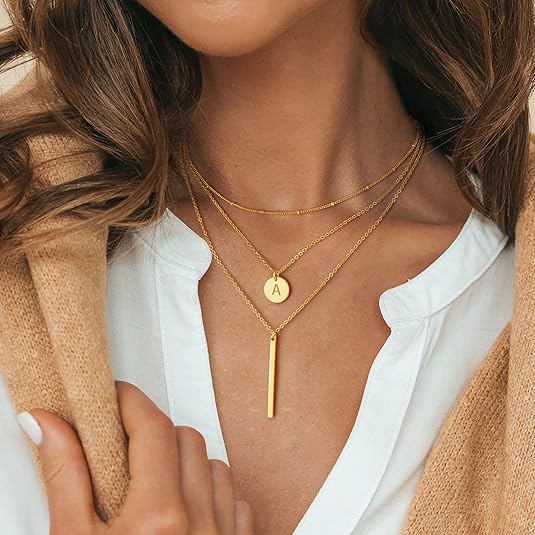
Local tip: one good scarf and one pair of sunglasses can genuinely make five different outfits look considered rather than thrown together.
Rain Preparation (Don’t Skip This)
Rain sneaks up on people in Portugal, especially heading into late October, and it catches a surprising number of visitors off guard.
A packable rain jacket is worth the suitcase space, especially if you’re spending time in Porto or the north. Skip the umbrella if you’re walking hilly streets — it’s genuinely more hassle than it’s worth when you also need a hand free for balance on wet cobblestones. Water-resistant shoes make a bigger difference than people expect too; nothing ruins a day of sightseeing faster than soaked socks.

Local tip: check the forecast city by city rather than assuming it applies nationwide — I’ve had sunny mornings in Lisbon and rainy ones in Porto on the very same day.
Fabrics to Choose (and Avoid)
Breathable, natural fabrics are your best friends in October Portugal — think linen, cotton, and lightweight wool blends. They handle the daytime warmth without trapping heat and layer well once the temperature drops in the evening.
Avoid heavy synthetics that don’t breathe, and be cautious with pure linen for anything you’ll be wearing all day walking — it wrinkles fast and can look a little too rumpled by mid-afternoon. A linen-cotton blend solves this nicely, holding its shape better while still staying cool.
Local tip: darker, richer tones — rust, olive, terracotta, navy — photograph beautifully against Portugal’s tiled buildings and don’t show travel-day creasing the way pale colors do.
Capsule Wardrobe for Portugal in October
Building a small, interchangeable wardrobe saves you from overpacking and decision fatigue every single morning.
A workable capsule looks something like: two pairs of trousers or jeans, one pair of shorts, three to four tops, one midi dress, one cardigan, one jacket, and a pair of walking shoes plus one dressier pair. Everything should be able to mix with everything else — that’s the whole point. I built mine around a neutral base of navy, cream, and rust, which meant every top worked with every bottom without a single “does this even go together” moment.
Local tip: for a full breakdown of building a mix-and-match wardrobe from scratch, travel capsule wardrobe for summer gives a great framework you can adapt down for cooler October weather.
How Many Outfits to Actually Pack
For a week-long trip, five to six tops, two to three bottoms, one dress, and two jackets is genuinely plenty if everything mixes and matches. Doing laundry mid-trip, even just handwashing a top or two in the sink, stretches this further and keeps your bag light for all that hill-climbing.
Overpacking is the single most common mistake I see — and made myself the first time. You will not wear that fourth “just in case” outfit. You will, however, wish you’d packed one more warm layer if the weather turns.
Local tip: the rolling vs. folding clothes debate genuinely matters for a trip like this — rolling saves noticeable space when you’re trying to fit layers for three different microclimates into one bag.
Mistakes to Avoid When Packing for October
Packing only for warm weather because “it’s still technically summer-ish” is the biggest trap. So is skipping rain gear entirely, or bringing shoes that haven’t been broken in. Overpacking shorts and underpacking layers is another classic — the shorts get worn twice, the layers get worn daily.
The other quiet mistake is not accounting for regional differences. What works perfectly in the Algarve can leave you underdressed and cold in Porto three days later.
Local tip: for more general packing logic that applies well beyond Portugal, packing tips and hacks that actually work is a solid last-minute check before you zip the suitcase shut.
Portugal in October rewards a little planning more than it punishes you for skipping it. Pack the layers, break in the shoes, throw a scarf in your bag just in case, and you’ll spend far less time thinking about the weather and far more time actually looking up — at the tiles, the rooftops, the light hitting the river at golden hour. That’s the whole point of being there. Go enjoy it.

