
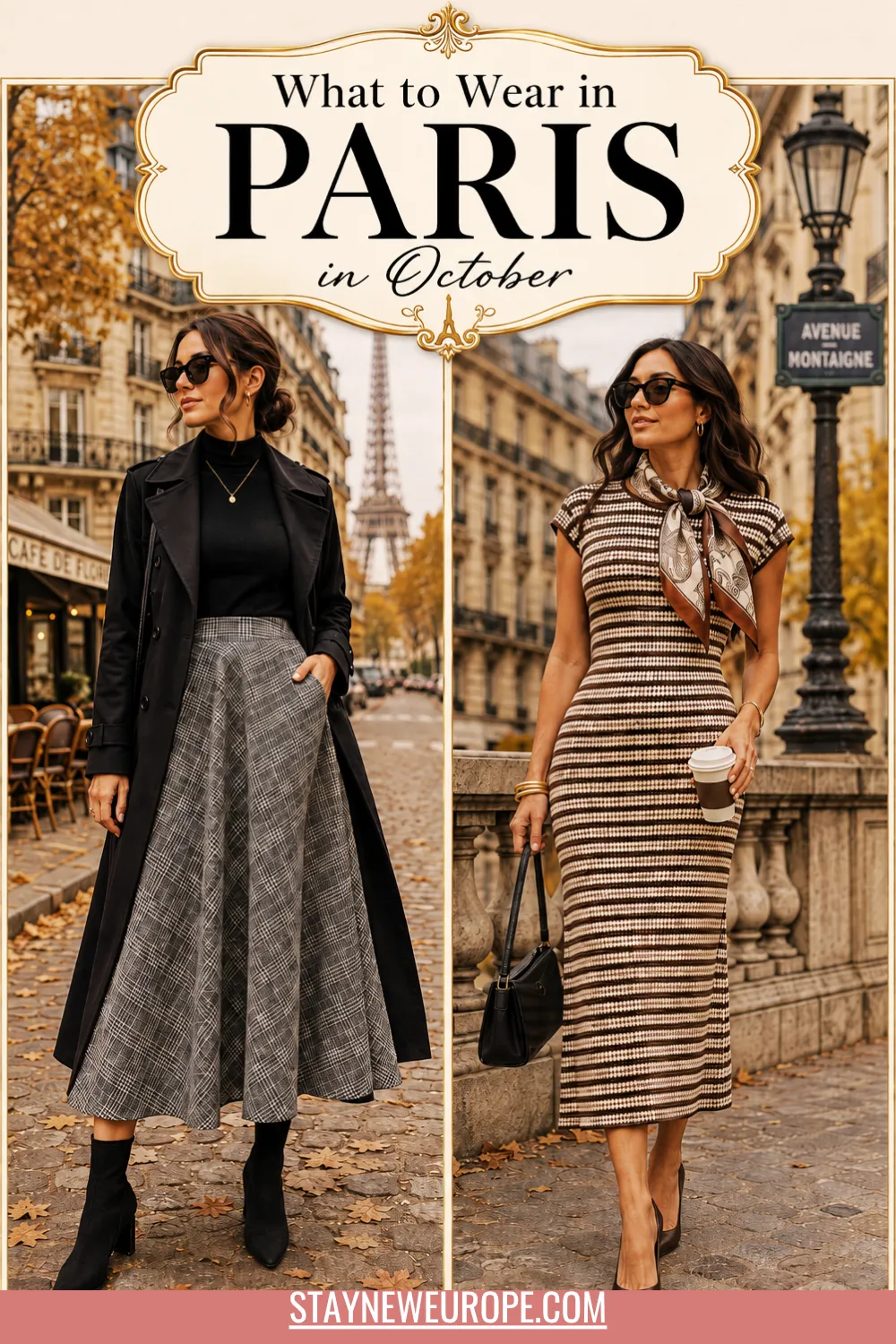
Let me be honest: I packed for Paris in October once thinking I’d “layer it out” with a hoodie and a windbreaker. I looked like I was about to go camping, not have coffee on a zinc bar counter. Everyone else was in a trench and ankle boots looking effortlessly put-together, and I was the one visibly regretting my choices by hour two.
October in Paris is one of my favorite times to visit — the crowds thin out, the light goes gold and low by 5pm, and the cafés pull their heat lamps out onto the terraces so you can still sit outside with a coffee even when it’s properly chilly. But the weather flips fast. You can start the morning in a light drizzle, get a warm, almost golden afternoon, and end the night needing gloves.
This isn’t a “pack these 20 items” checklist. It’s what actually works when you’re walking six miles a day on uneven streets, ducking into churches, and trying not to look like you just got off a long-haul flight.
Before We Dive In
Weather condition: October in Paris usually sits somewhere between 9°C and 17°C (48°F to 63°F), and it rains often — not dramatic downpours, just that fine, persistent mist that soaks through anything not actually waterproof. Mornings are cool, afternoons can be pleasant enough for just a sweater, and evenings drop fast once the sun’s gone by early evening.
Walking is constant. The Metro covers a lot of ground, but you’ll still be on your feet for hours between stops — cobblestones in the Marais, gravel paths in the Tuileries, uneven sidewalks everywhere. Comfortable shoes aren’t optional here.
Style culture: And then there’s the style thing. Parisians dress with intention even for a quick baguette run — nothing flashy, just well-fitted, coordinated, and usually built around three or four colors max. You don’t need to buy a new wardrobe to fit in, but leaving the head-to-toe athleisure at home will genuinely change how your trip feels.
The Trench Coat Is Not Optional
This one surprised me the first time — I thought the trench coat thing was a cliché. It’s not. It’s just the right coat for this exact weather.
A trench works because it’s water-resistant enough for that misty rain, breathable enough that you won’t overheat walking between the Louvre and Palais Royal, and structured enough to look intentional over almost any outfit underneath.

Beige is the classic, but a navy or black trench disappears into more outfits if you’re only bringing one.

Wear it over a sweater and jeans in the morning, then it becomes your evening layer over a dress later that same day. That’s the whole appeal — one coat, two completely different looks.
Local tip: if you’re worried about rain specifically, look for a trench with a water-repellent finish rather than a purely decorative cotton one. You’ll actually stay dry, not just look like you might.
Layer Light, Not Bulky
Here’s the mistake I made: I packed one heavy coat instead of a few thin layers. A single thick coat means you’re either too hot on the Metro or too cold the second you step outside — there’s no in-between.

What actually works is a base layer (a long-sleeve top or lightweight sweater), a mid layer (a cardigan or light knit), and an outer layer (your trench or a jacket). You add and remove pieces as the temperature swings through the day, which in October it will, more than once.

This is also just more practical for packing — three thin pieces take up less suitcase space than one bulky coat, and you get far more outfit combinations out of them.
Local tip: merino wool base layers are worth the investment if you run cold. They’re thin, don’t smell after a day of wear, and pack down to almost nothing.
Sweaters That Actually Earn Their Space
A good sweater in October Paris is doing more work than almost anything else in your suitcase. Turtlenecks, fine-knit crewnecks, and lightweight cardigans all pull their weight because they layer easily and photograph well against basically every Parisian backdrop — stone buildings, café awnings, the Seine at golden hour.

I’d skip anything chunky or oversized as your only option. It looks great in a single outfit photo, but it doesn’t layer under a coat, and it takes up a third of your suitcase for one look.

Stick to two or three sweaters in neutral or muted tones — cream, camel, black, forest green — and they’ll mix into nearly every outfit you build for the trip.

Local tip: a fine-knit turtleneck under the trench, with just a scarf added, reads as a complete outfit without any extra effort.
Jeans, Trousers, or a Skirt — What Actually Works
Dark, straight or slightly wide-leg jeans are the easiest option for October in Paris — they handle the cold better than anything lighter, and they go with literally everything else you’re packing.

Tailored trousers are the elevated alternative, especially for dinner or museum days, and they’re honestly not much less comfortable than jeans once you’re a few blocks in.

A midi skirt with opaque tights works too, and it’s a nice way to break up an otherwise jeans-heavy trip, but it needs the tights — bare legs in a Paris October wind is a decision you’ll regret by the second Metro stop.

Local tip: avoid shorts entirely unless you genuinely run hot. October days rarely get warm enough to make them worth the suitcase space.
Comfortable But Stylish Walking Shoes
This is the one category where “cute but painful” will actively ruin your trip. You’re walking on cobblestones, tile, gravel, and worn stone steps for hours a day, often in the rain.

Ankle boots are the easy answer — leather or suede with a low block heel or flat sole, broken in before you leave home, not on day one in Paris. Chelsea boots and combat-style boots both work and both handle wet pavement better than sneakers do.

If you want a sneaker option, go for a clean, minimal leather sneaker rather than anything sporty or overly branded — it reads as intentional rather than “I’m about to jog to the airport.”

Local tip: whatever shoes you bring, wear them around your own city for at least a few days before the trip. Cobblestones find every weak spot in a new shoe within the first hour.
What NOT to Wear (Tourist Mistakes)
I’ll be honest about my own mistakes here too.
Bright white sneakers, full athleisure sets, and anything with a giant logo across the chest are the fastest way to read as “just arrived.” It’s not about being judged — it’s that these pieces genuinely don’t hold up to a full day of Parisian walking and weather the way better-built basics do.
Baseball caps, large branded backpacks, and clear plastic rain ponchos fall into the same category — practical in theory, but there are better versions of all three that don’t sacrifice how you look in every photo you take.
The fix isn’t complicated: neutral colors, well-fitted basics, and one or two accessories instead of five competing ones.
Rain Preparation (Genuinely Necessary)
October rain in Paris isn’t dramatic, but it’s frequent, and it will catch you without warning between one Metro stop and the next.
A compact umbrella that actually fits in your bag is worth more than you’d think — not the golf-sized one from your hall closet, a proper travel umbrella that survives being shoved in and out of a tote all day. Beyond that, water-resistant boots and a trench with some rain resistance cover most of what you need.

Local tip: check the forecast the night before, but don’t fully trust it. Bring the umbrella regardless — Paris weather changes its mind more than the forecast does.
Scarves and Accessories That Do the Most
A scarf is genuinely the single highest-impact item you can pack for October Paris. It adds warmth exactly where you need it, and it instantly makes a simple sweater-and-jeans outfit look finished rather than thrown together.
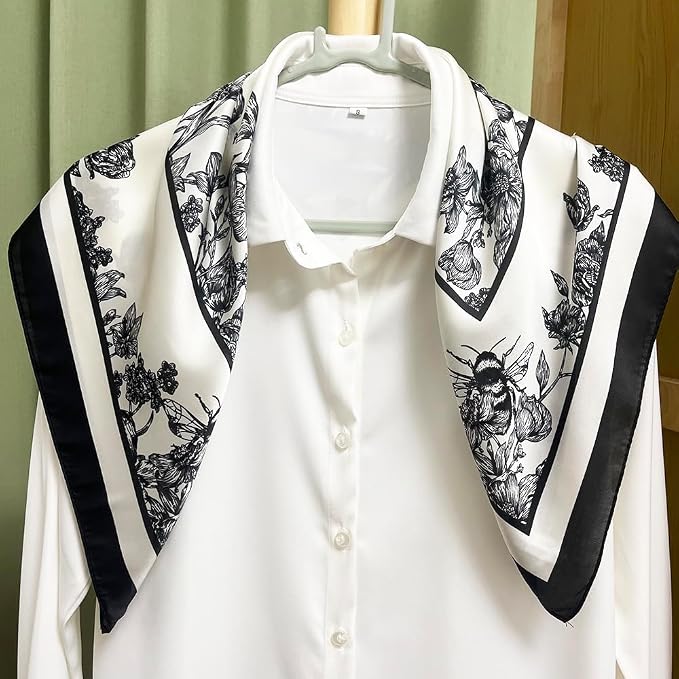
Beyond the scarf, keep accessories minimal — a structured bag,

a pair of sunglasses for the (surprisingly frequent) sunny mornings,

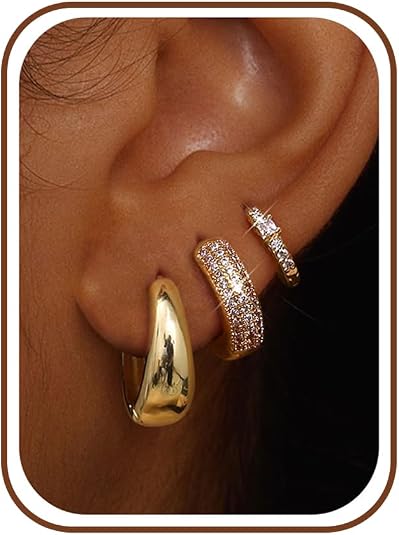
and maybe one statement piece like a good watch or a pair of gold hoops. You don’t need much else.
Belt are also very simple and convert a simple outfit into chic and elegant vibe.

Local tip: a wool or cashmere-blend scarf in a neutral tone works with every single outfit you pack, so it’s worth spending a little more on just this one item.
Evening Outfits for Dinner in Paris
Parisian dinners run a little more polished than a casual lunch, even at a neighborhood bistro. You don’t need to overdress, but jeans-and-a-sweater from your museum day probably won’t feel quite right at 8pm.

Swap in the tailored trousers or a midi dress, add a blazer or your trench over it, and finish with slightly dressier shoes than your daytime boots if you packed a second pair. It’s a small shift, not a full outfit change from scratch.

Local tip: darker, richer tones — burgundy, deep green, black — read as more “evening” than the lighter neutrals you might wear during the day, without needing anything actually formal.
What to Wear for Churches and Museums
Notre-Dame, Sacré-Cœur, and most of the older churches expect shoulders covered and, ideally, knees covered too — this isn’t strictly enforced everywhere, but it’s respectful, and in October you’ll have your layers on anyway, so it’s rarely an issue.

For museums like the Louvre or Musée d’Orsay, there’s no real dress code beyond comfortable shoes, since you’ll be on your feet for hours moving between galleries.
Local tip: if you’re headed straight from a museum to a church, keep a light scarf in your bag specifically to cover your shoulders if needed — it saves you from having to plan the whole day’s outfit around one stop.
Bags: Crossbody vs. Tote
A crossbody bag is the practical choice for most of the day — it keeps your hands free on cobblestones, sits securely on crowded Metro cars, and it’s genuinely harder for anyone to pickpocket than an open tote.

A structured tote works well for museum days or if you’re carrying a scarf, a water bottle, and a guidebook, but it’s not what I’d want to be holding onto through a packed Metro car at rush hour.

If you can, bring one of each and switch depending on the day rather than trying to make one bag do everything.
Local tip: a bag with a zip closure, not just a magnetic snap or open top, is worth it in crowded tourist areas.
Fabrics to Choose (and Avoid)
Wool, cashmere blends, and merino handle October’s temperature swings far better than cotton, which holds onto damp and takes forever to dry if it gets caught in the rain. Leather and suede for shoes and bags are more weather-resistant than canvas.
Skip anything linen — beautiful for a June trip, genuinely the wrong fabric for October’s damp, cooler days. It wrinkles fast and offers zero warmth when the temperature drops in the evening.
Practical Packing: How Much to Actually Bring
For a week in Paris in October, I’d pack two to three sweaters, two pairs of bottoms (jeans plus trousers or a skirt), one dress if you like having the option, the trench, a scarf, and two pairs of shoes — boots and one dressier or backup pair. That’s genuinely enough to mix into ten-plus outfits without repeating a look exactly.
The biggest mistake isn’t underpacking, it’s overpacking single-use items — the “just in case” outfit you never wear, or a third pair of shoes that stays in the suitcase the whole trip. Stick to one color palette (I’d go camel, black, cream, and one deeper accent color) so every piece works with every other piece.
If you want the full breakdown on building a lighter, smarter suitcase in general, my guide to packing a carry-on for 10 days walks through exactly how I get everything into one bag without the stress.
Before You Go
Paris in October rewards a little planning, but it’s genuinely one of the best months to visit — fewer crowds, softer light, and just enough chill in the air to make a good coat and a proper scarf feel like the whole point of the trip rather than an inconvenience. Pack the trench, break in the boots, and let the rest of the trip take care of itself. If you want a broader sense of what else to know before you land, here’s what I wish I’d known before my first trip to Paris — it’ll save you a few first-timer mistakes beyond just the outfits.

