
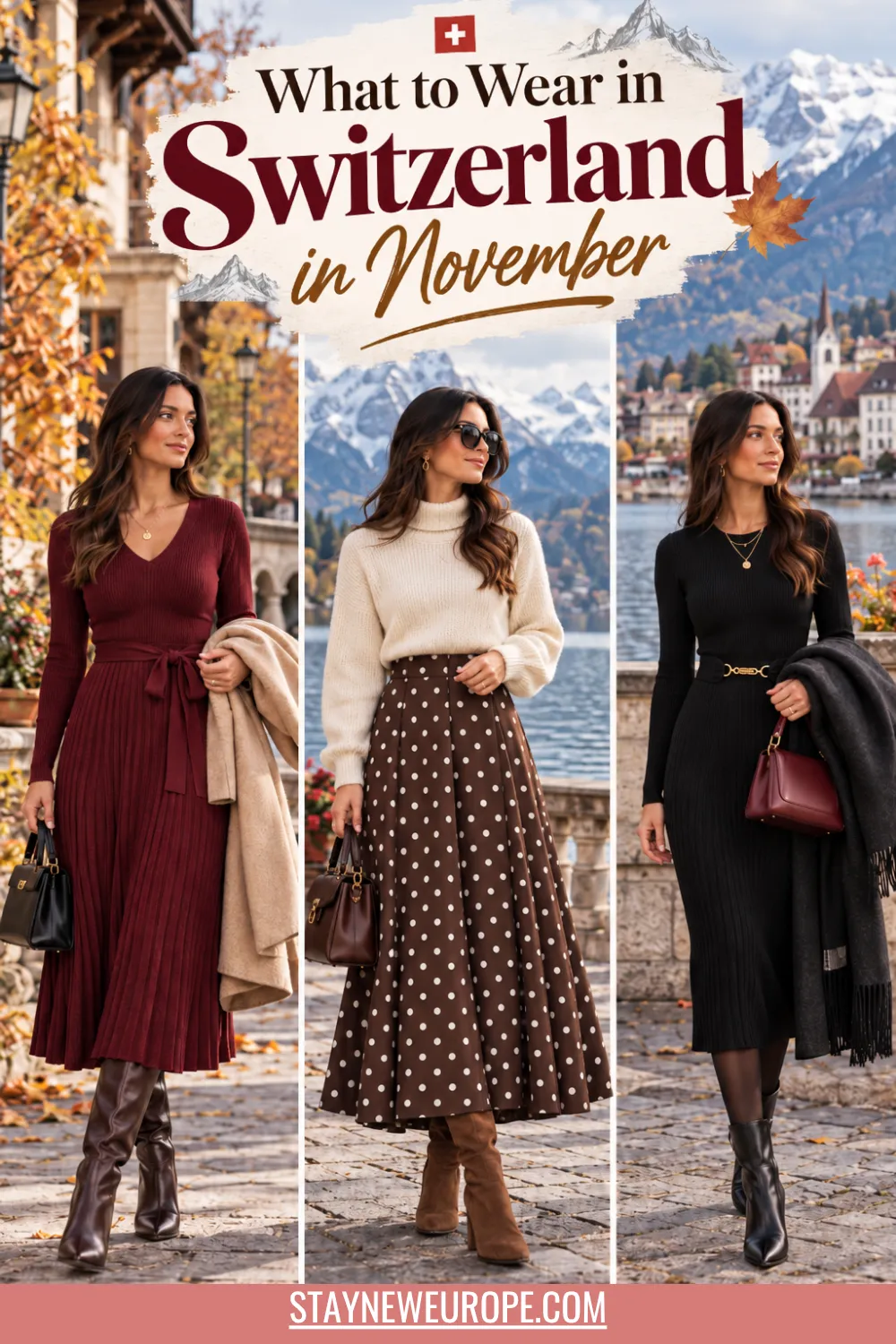
Let me set the scene. It’s 8 a.m. in Zurich, the lake has vanished into a wall of fog, and a woman in a perfectly tailored camel coat is gliding past me on the tram platform looking like she was born warm. I, meanwhile, am wearing a cute-but-useless fashion jacket and quietly regretting my life choices.
November in Switzerland is a mood. The mountains get their first proper snow, the cities glow with early Christmas lights, and the weather can swing from crisp blue sky to damp grey drizzle before your coffee cools. The crowds are gone, the trains are calm, and the fondue is, frankly, medicinal.
Most visitors pack either for a ski holiday or for “autumn in Paris” and get both wrong. I did too. So here’s what I’d actually put in your suitcase, and what I’d leave at home.
Before We Dive In
Weather: Expect roughly 2–9°C (36–48°F) in Zurich, Bern, Lucerne and Geneva, with colder days creeping in as the month goes on. Fog is common on the lowlands, rain comes and goes, and it gets dark by about 5 p.m. Up in the mountains (Zermatt, Grindelwald, Interlaken’s higher viewpoints) it’s properly wintry, with snow and temperatures below freezing.
Walking conditions: You’ll walk more than you think. Swiss old towns are full of cobblestones, steep lanes and wet bridges, and train stations involve sprinting with luggage. Grip matters more than glamour.
Style culture: The Swiss dress understated, neutral and well made. Think quality coats, clean boots, no logos and no neon. Nobody will judge you, but you’ll feel better blending in with the polished-practical look.
1. The Carry-On or Duffle (Yes, It Matters Here)
Swiss trains are so efficient that you’ll be hopping on and off with your bag constantly.
I’m firmly Team Soft Carry-On or Duffle for Switzerland. Hard-shell cases rattle on cobblestones and refuse to cooperate on narrow train steps. A medium duffle with a shoulder strap or a soft carry-on with decent wheels will make your life so much easier.

Pick a neutral colour (black, navy, olive) so you look put together even when you’re hauling it up a hill in the rain. Packing rules I swear by are in my carry-on packing guide.
Local tip: Swiss trains have overhead racks and luggage areas, so smaller bags are far easier to manage. Don’t bring the giant suitcase.
2. Thermal Base Layers: The Secret Weapon
Nobody tells you the real work happens under your clothes.
A thin merino or thermal long-sleeve is the most underrated piece in my bag. It’s slim enough to disappear under a sweater, yet it takes the edge off that damp morning chill. I wear one almost daily in November.
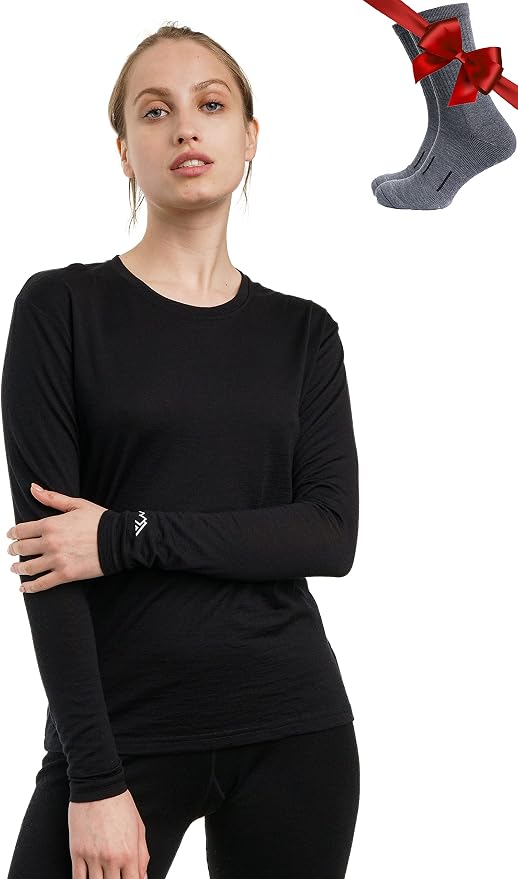
Merino beats cotton here because it stays warm even if you get a bit damp and doesn’t smell after day two (a gift when you’re packing light). Affordable thermals like Uniqlo’s Heattech do the job too, if you prefer.
Local tip: Pack two base layers: one to wear, one to wash and dry overnight. Swiss hotel radiators are excellent drying racks.
3. The Coat: Spend Your Money Here
If you’re going to splurge on one thing, make it your coat.
A knee-length wool coat or a sleek, hip-length puffer in black, navy, camel or grey works beautifully in cities. I’ve seen locals in both, and both look right. The puffer wins if you’ll be outside a lot or heading up any hill.

Fit matters: leave room for a sweater plus a thermal underneath. Hood or no hood? Hood. Fog drizzle is real.
Heading to the mountains too? A packable down jacket under a waterproof shell is more versatile than one giant parka. For ideas, my what to wear in Switzerland in October guide shows how I’d adjust everything for a slightly milder month.

Local tip: Swiss trains and cafés are warmly heated. A coat that unbuttons easily beats a heavy one you’ll sweat in.
4. Sweaters and Knits: Your Cozy Backbone
Think of sweaters as your daily outfit anchor.
Chunky wool jumpers, turtlenecks and fine-gauge merino knits do the heavy lifting. I’d bring three: one thick, one fitted, one in a fun colour or texture for photos.

Mix them with the same two pairs of trousers and nobody notices. Honestly, a turtleneck and a good scarf make you look like you live in Lucerne.

Local tip: Go for layers you can peel off easily. Swiss interiors can be toasty, and nobody wants to be the person sweating in a ski-lift queue.
5. Jeans, Trousers and (Sorry) No Shorts
Skip the shorts. I mean it.
Dark jeans, warm wool-blend trousers and lined chinos are perfect for city days. I live in dark straight-leg jeans with ankle boots. Leggings or thermal tights under trousers are a smart trick for mountain days or windy lakeside walks in Geneva.

White jeans, ripped knees and thin summer trousers are a bad idea. If it rains, you’ll look like you fell in the lake.

Local tip: Water-resistant or lined trousers make a real difference if you’re doing anything outdoorsy, like boat rides or mountain trains.
6. Dresses and Skirts: Yes, They Work (With Tricks)
Yes, you can still wear dresses. You just have to engineer them.
A midi sweater dress or a long knit skirt with opaque tights and tall boots looks gorgeous in Bern or Zurich, and it’s surprisingly warm. Wool tights or fleece-lined ones are the quiet heroes here.

I wouldn’t bother with light, floaty summer dresses. They just won’t work in November, however good they look on your Pinterest board.
Local tip: Add a long cardigan or blazer over a dress for dinners. It layers well and passes the “Swiss restaurant stylish” test.
7. Walking Shoes and Boots: Grip Over Glamour
Cobblestones plus rain plus hills equals one unforgettable lesson.
I wore suede sneakers on my first trip and spent the whole of Lucerne tiptoeing like a cat. My new rule is waterproof leather ankle boots with a proper rubber sole. They’re comfy for 20,000 steps and smart enough for dinner.

Water-resistant sneakers work for milder city days, but they’ll struggle if it snows. Hiking boots are great for mountain trips but look a bit much in Zurich’s Bahnhofstrasse. Pack one good pair and wear them in before you leave.
Local tip: Bring a spare pair of insoles or warm socks. Wet feet ruin a day faster than anything.
8. What NOT to Wear: The Tourist Mistakes
Let me be honest, I’ve made most of these.
Big puffy ski suits in the city (save them for the slopes), thin fashion sneakers, cotton-only layers, bright athletic gear head to toe, and umbrellas that flip inside out at the first gust. Also: skipping gloves. Your phone-holding hand will hate you.
Looking like you’re heading to a ski resort while strolling around Basel is the most common giveaway. Keep it neutral, polished and practical, and you’ll fit right in. If you’re also visiting Italy’s lakes nearby, my Lake Como outfit guide shows how the style shifts just across the border.
Local tip: If in doubt, copy the locals: dark colours, clean lines, one interesting accessory.
9. Rain and Fog Preparation (Because It Will Happen)
Grey November drizzle is practically a Swiss tradition.
A compact, sturdy umbrella saves your day, but a waterproof jacket with a hood saves your whole trip. I now pack both. In fog, everything feels colder and damper than the thermometer says.
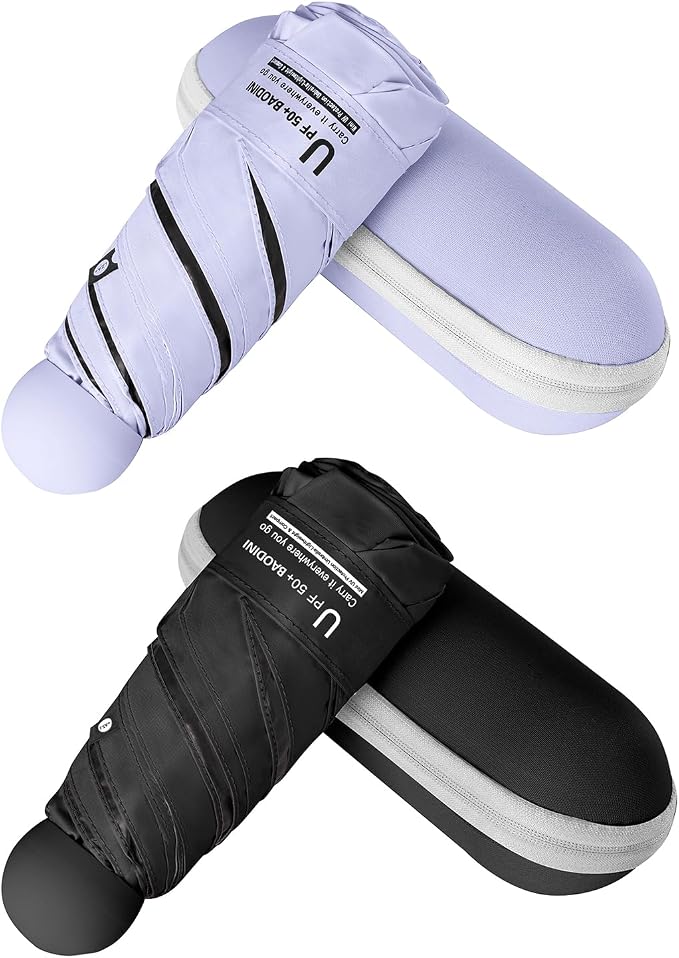
Waterproof boots, a spare pair of socks in your day bag, and a small tote for wet gear help too. It sounds fussy, but it’s the difference between enjoying that lake view and squelching around cranky.

Local tip: Lakes create their own microclimates. Geneva and Lucerne can feel colder and windier by the water than the forecast suggests.
10. Evening Outfits: Fondue-Ready Style
Dinner in Switzerland is cosy and smart-casual, never flashy.
My go-to evening look is dark jeans or tailored trousers, a fine knit or silk-blend blouse, a blazer and ankle boots. Add a statement necklace or earrings and you’re done. Swiss restaurants lean relaxed, but they notice effort.

And yes, fondue is heavy on cheese and heat, so layers you can adjust are your friend. If your plans include Italy too, my what to wear in Milan in November post goes full chic.
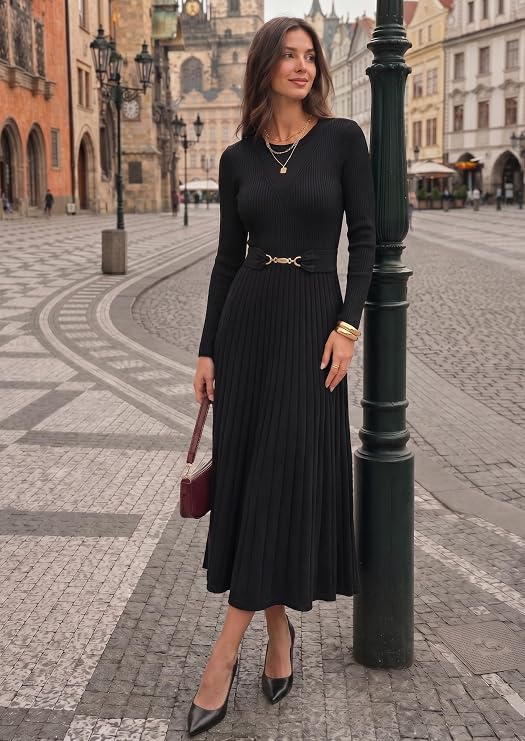
Local tip: Many restaurants are small and cosy. A bulky coat and a huge bag will be a squeeze, so keep accessories streamlined.
11. Churches, Abbeys and Old Town Sightseeing
Swiss churches don’t have strict dress codes like some Italian ones, but respect still matters.
For places like the Grossmünster in Zurich, Bern Minster or Einsiedeln Abbey, I keep shoulders and knees covered and remove my hat inside. In November that’s easy: you’ll be in sweaters anyway.
Carry a light scarf in your bag. It doubles as an extra layer and a cover-up if you need it. Old-town cobblestones plus church stairs mean those good boots again.

Local tip: Some churches are unheated and chilly inside. Keep your coat on and your gloves handy.
12. Your Day Bag: Crossbody vs Backpack
Choose the bag that suits your day.
A zip-top crossbody is brilliant for city exploring, markets and train hopping. It keeps your hands free and your valuables close. For mountain trips or long train days, a small backpack carries your water, spare layer and snacks more comfortably.

I carry a crossbody in Zurich and swap to a compact backpack for Interlaken. A waterproof lining or rain cover is worth its weight in gold.

Local tip: Choose a bag that fits your layers. You’ll be peeling them off and stuffing them in all day.
13. Accessories That Make Simple Outfits Look Expensive
The little things make the biggest difference in November.
A wool or cashmere-blend scarf in a muted colour does more for your outfit than another top.

Add a beanie or knit hat, lined leather gloves (touchscreen-friendly, please) and warm socks, and you’re a different person at 7 a.m.

My favourite trick is a bold scarf with an otherwise neutral outfit. It’s practical, warm and photographs beautifully against snowy backdrops.
Local tip: Pack gloves in your coat pocket from day one. Cold hands arrive faster than you expect on lake ferries and mountain platforms.
14. Fabrics to Choose (and Avoid)
Think wool, merino, cashmere blends, fleece and tightly woven synthetics.
These keep you warm, handle moisture well and travel without wrinkling. Avoid thin cotton, flimsy linen and anything that soaks up water and stays wet. Denim is fine, but heavy jeans take forever to dry if you get caught in rain.
If you want a deeper dive into smart packing, my travel capsule wardrobe guide shows how fabric choice stretches your outfits further.
Local tip: Check labels before you pack. Natural fibres mixed with a little stretch are the sweet spot for comfort and wrinkle resistance.
Practical Packing: How Much Do You Really Need?
For a week, I’d bring 5–6 tops, 2 pairs of trousers or jeans, 1 dress or skirt, 2–3 sweaters, 2 thermal base layers, 1 coat, 1 waterproof layer, 1 pair of boots, 1 backup pair of shoes and your accessories. That’s it.
The trick is repeating: the same trousers, with different sweaters and scarves, look totally different in photos. Lay out outfits at home and cut anything that doesn’t mix with at least three other items. Learn how to pack it all efficiently with my rolling vs folding clothes comparison.
The biggest mistakes? Overpacking “just in case” outfits, forgetting gloves, bringing shoes you haven’t broken in, and underestimating how cold the mountains get. Pack for layers, not for every possible weather scenario.
Go Pack Your Bag
Picture it: steam rising from a cup of hot chocolate, the first snow dusting the Alps, church bells echoing across a quiet square, and you, wrapped in a good coat, looking like the most put-together person on the platform.
Switzerland in November rewards the people who dress with a little intention. Pack your layers, lace up those boots and go meet the mountains while the crowds are away. Trust me, you’ll thank yourself in that first sip of cheese-pot warmth.

