
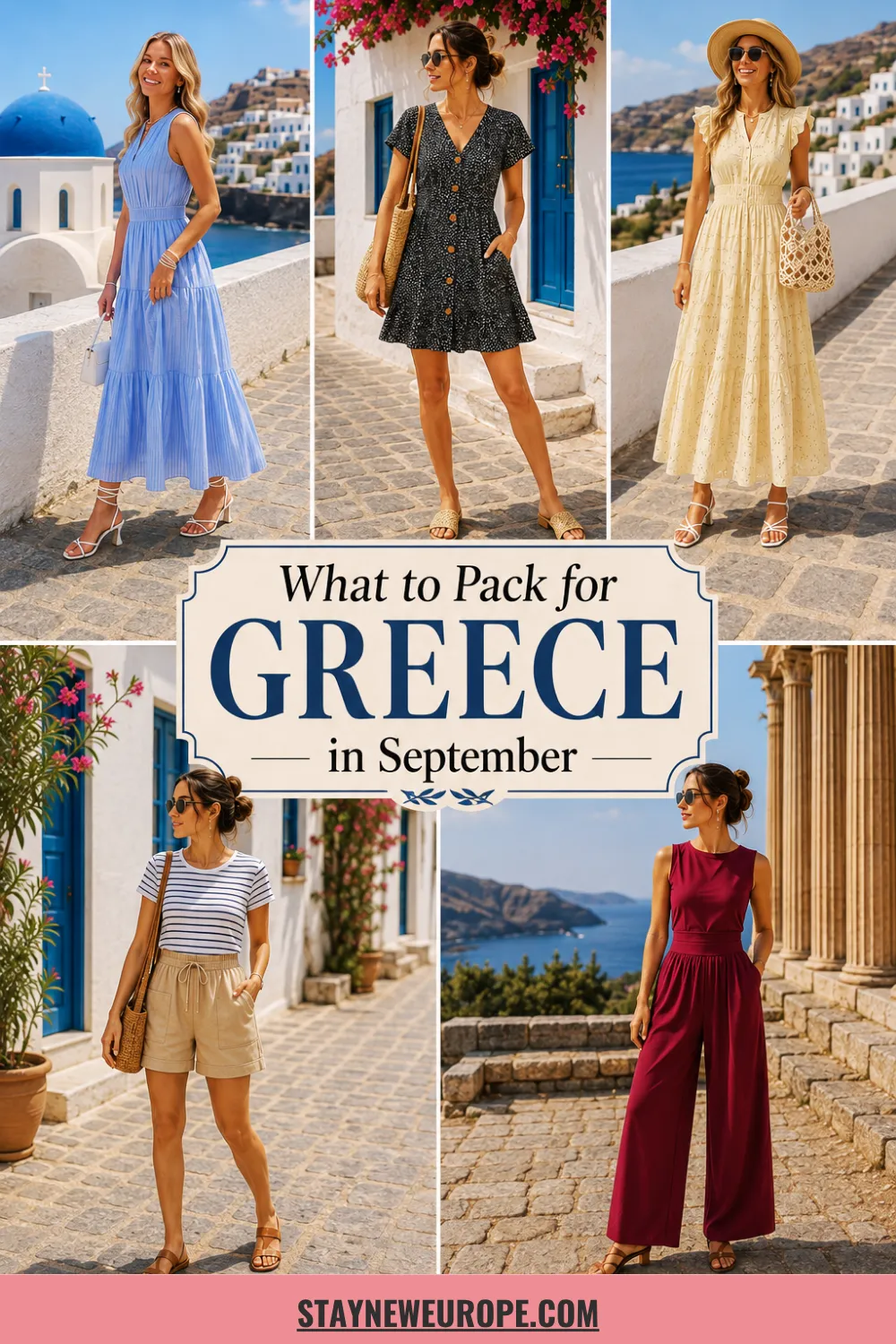
Let me be honest — I went to Greece in September thinking it would basically be a quieter version of August. I was wrong on both counts. The islands were still warm enough to swim every single day, but the second the sun dropped behind the caldera, I was standing on a terrace in Oia in a tank top, arms crossed, regretting every packing decision I’d made.
September in Greece is a shoulder-season sweet spot — the crowds thin out, the light goes gold and soft by 6pm, and locals finally get their tavernas back. But it’s also a month of two temperatures: blazing midday sun and a genuinely cool, wind-whipped evening, especially on the Cyclades where the meltemi wind doesn’t care that it’s technically still summer.
Most people either pack like it’s still July (hello, sunburned shoulders at dinner) or pack like autumn has arrived (hello, unnecessary sweaters taking up suitcase space). This guide is the outfit list I wish someone had handed me before my first September trip — specific, a little opinionated, and built for actual island life, not a fashion shoot.
Before We Dive In
Weather: Expect daytime highs around 26–30°C (79–86°F) in the first half of September, easing toward 22–26°C by late month. Athens holds onto heat longer than the islands. The sea is still warm from summer, so swimming is very much on the table. Rain is rare but not impossible toward the very end of the month — pack for it lightly, not seriously.
Wind: This is the part nobody warns you about. The meltemi, a strong northerly wind, is common across the Cyclades (Santorini, Mykonos, Paros, Naxos) in September. It can make a 28°C afternoon feel breezy and cool an evening down fast. Layers aren’t optional here — they’re the whole strategy.
Walking conditions: Santorini’s caldera steps, Mykonos’s marble-paved lanes (slippery when wet or even slightly damp), and Athens’s uneven, sun-baked pavements all demand shoes with actual grip, not just cute sandals. If you’re still mapping out where you’re headed, our guide to the best places to visit in Greece is a good starting point before you plan outfits around a specific island’s terrain.
Style culture: Greeks dress simply but rarely sloppily — think clean lines, neutral or earthy colors, quality basics. Beachwear stays on the beach; the moment you’re back on a street or in a taverna, a cover-up goes on. Evenings, especially in Athens or Mykonos Town, lean smart-casual rather than “resort costume.”
The Bag You Actually Need for Island Hopping
You’ll regret a hard-shell suitcase the moment you’re hauling it up a Santorini staircase or squeezing it into a tiny ferry cabin.

A soft-structured duffle or a 40–45L backpack is the honest answer for anyone island-hopping by ferry. It compresses, it doesn’t have wheels to snap on cobblestones, and it fits into the boat storage areas that laugh at rigid suitcases.

If you’re doing a single-base trip (just Athens, or just one island), a carry-on roller is fine — our breakdown on packing a carry-on for 10 days still holds up well for a Greek itinerary.
Local tip: Whatever you bring, make sure it has a strap you can sling over one shoulder. Ferry gangways and stone steps are not the place to be dragging wheels.
Lightweight Layers (Why They Matter More Than You Think)
Here’s the mistake I made: I packed for heat and nothing else. By evening two, I was buying an overpriced cardigan from a Mykonos boutique out of pure necessity.

A thin, breathable layer — a linen shirt worn open, a lightweight knit cardigan, or a cotton overshirt — earns its spot in your bag more than almost anything else on this list. September evenings on the islands can drop 8–10 degrees once the sun and the wind team up against you. You want something that packs flat, doesn’t wrinkle into oblivion, and looks intentional rather than like an emergency purchase.

Local tip: Neutral linen layers double as your church cover-up and your dinner jacket — pack one that does both jobs.
Linen Dresses That Actually Earn Their Spot
A good linen dress in Greece isn’t a luxury — it’s basically a uniform, and there’s a reason for that.

Linen breathes in a way cotton blends simply don’t manage in Mediterranean heat, and a loose, midi-length dress transitions effortlessly from a morning at the ruins to a sunset spritz. Go for earthy tones — terracotta, olive, white, dusty blue — that don’t scream tourist and photograph beautifully against whitewashed walls.

One or two dresses, styled differently with sandals versus a heeled slide and gold jewelry, will outperform five separate outfits.

Local tip: A midi length (below the knee) means you’re already dressed appropriately for the churches and monasteries you’ll likely wander into on impulse.
Shorts, Trousers, or Skirts — What Actually Works
The honest answer: bring all three, in small quantities, and let the day dictate.
Linen shorts are ideal for ferry days and beach-adjacent towns like Naxos or Paros.

Wide-leg linen trousers do double duty — cool enough for the heat, polished enough for a proper dinner, and they cover your knees if you duck into a chapel unplanned.

A flowy midi skirt is the most versatile single item you can pack; it works with a bikini top by day and a blouse by night.

Denim shorts are fine for casual beach towns but read a little too casual for evenings in Athens or Mykonos Town.

Local tip: Skip anything too short for daytime sightseeing — many monasteries (including the big ones on Santorini and in Athens) will turn you away or hand you a wrap-around cloth if your knees are showing.
Comfortable, Grippy Walking Shoes
This is not the trip to break in new sandals.

You need one pair of genuinely comfortable walking shoes with actual tread — think leather slides with a real sole, sporty sandals, or a low sneaker — because Santorini’s caldera steps and Mykonos’s polished marble streets are both deceptively hard on feet and ankles.

A second, dressier sandal for evenings is worth the extra weight in your bag; flip-flops read as beachwear only, not dinner-appropriate footwear almost anywhere in Greece.

Local tip: If you’re doing the Santorini caldera walk from Fira to Oia, wear the sturdiest shoes you packed — the path is dusty, uneven, and unforgiving in flimsy sandals.
What NOT to Wear (The Tourist Giveaways)
A few patterns show up again and again on the ferry docks, and they’re worth avoiding.
Skip the head-to-toe athleisure outside of actual hiking or gym contexts — it reads as very “cruise excursion” rather than “local café.”
Avoid anything sheer or overly revealing for daytime sightseeing, particularly near churches, where you may simply be asked to cover up. And leave the stiletto heels at home entirely; between cobblestones, marble, and volcanic gravel paths, they’re more hazard than accessory.
Local tip: Loud, branded logo-wear also tends to mark you as a first-timer — Greek style leans toward quiet quality over visible labels.
A Light Jacket for the Meltemi Evenings
I want to underline this one because it’s the item most people leave home entirely: a genuinely windproof, lightweight jacket.
Not a heavy coat — September doesn’t call for that — but something that cuts wind on a ferry deck or a rooftop bar in Mykonos when the meltemi decides to show up uninvited.

A packable windbreaker or a structured denim jacket both work; the goal is blocking wind without adding bulk to your bag.

Local tip: If you’re taking a ferry between islands, wear this jacket rather than pack it — outdoor deck seating is often the only option, and it gets genuinely cold moving at speed.
Evening Outfits for Sunset and Dinner
Sunset in Oia deserves better than the shorts you wore to the beach that morning, and honestly, so does a good plate of grilled octopus.

A flowy dress with delicate gold jewelry, or wide-leg trousers with a fitted top and a statement earring, both hit the mark without feeling overdressed.

Athens dinners in particular lean slightly more polished than the islands — think a linen jumpsuit or a well-cut midi skirt rather than beach-casual pieces.
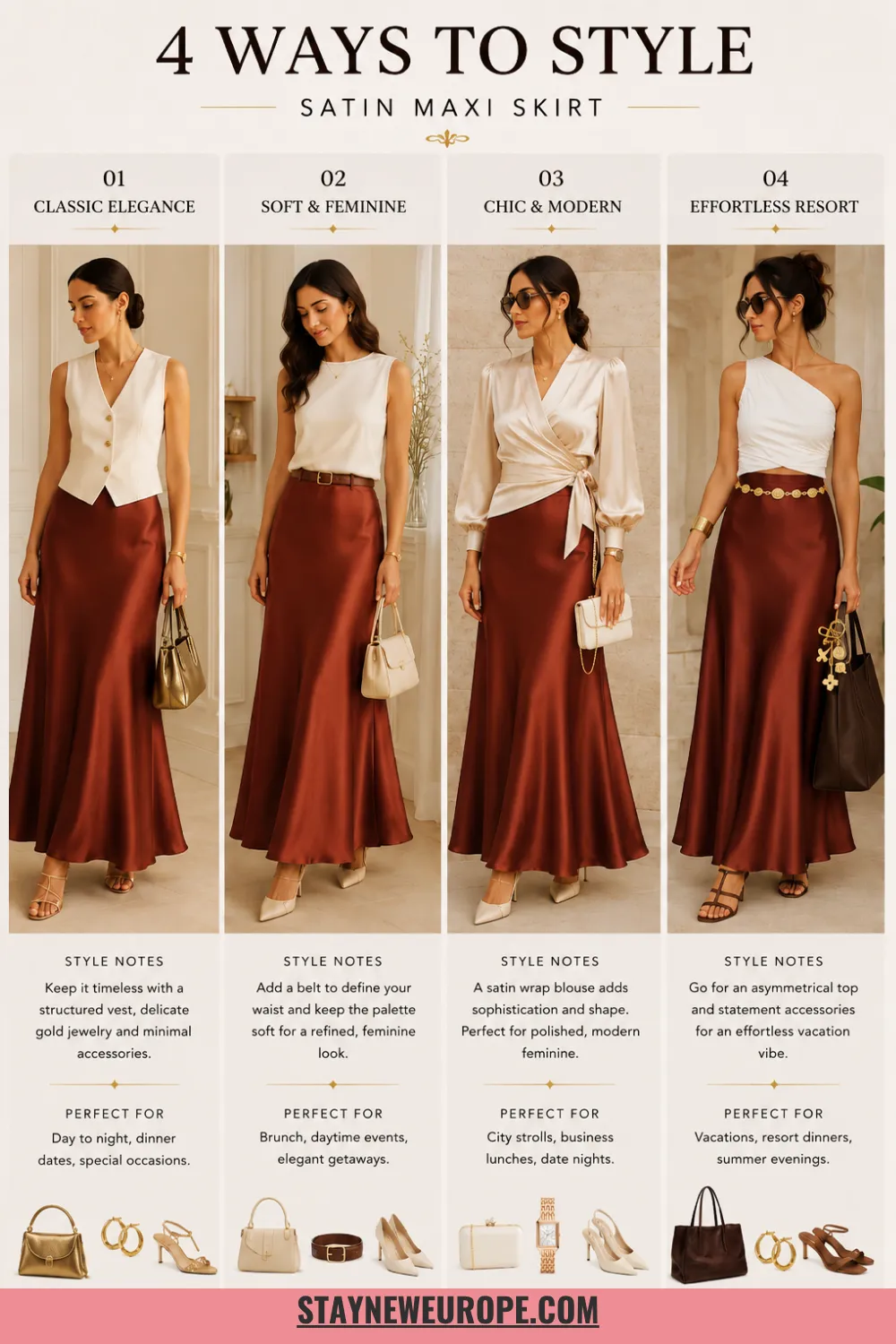
Bring one slightly dressier outfit for a special dinner; you’ll be glad you have it the first time you see a candlelit terrace over the caldera.
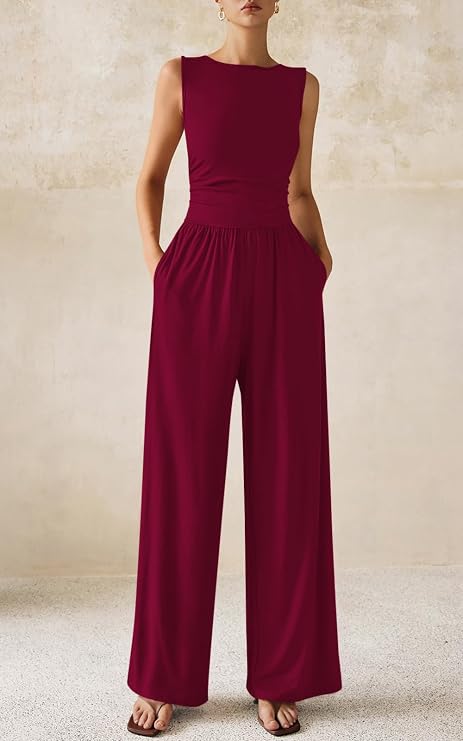
And also slik type tops also works well.

Local tip: A single gold cuff or layered necklace does more for an outfit here than an entire extra dress would.
What to Wear for Churches and Monasteries
Greece is dotted with blue-domed chapels and working monasteries, and most have a real, enforced dress code.
Shoulders and knees covered is the standard rule — for both women and men. A lightweight scarf or shawl thrown over a sundress solves this instantly, as does the linen trousers you’re already packing. Some of the more visited sites, like certain monasteries on Santorini, keep wraps on hand for underdressed visitors, but you’ll move faster and feel more prepared bringing your own.
Local tip: Keep a small scarf in your daybag at all times in September — you’ll duck into more chapels on impulse than you’d expect.
Crossbody vs. Backpack — Choosing Your Daily Bag
For daily wandering, a crossbody bag beats a backpack in almost every Greek town.
The lanes in Mykonos and the caldera paths in Santorini are narrow, crowded, and full of tight turns — a backpack gets awkward fast, while a crossbody sits close to your body and keeps your hands free for gelato, cameras, and church-scarf negotiations.

Choose one with a zip closure for the ferry crowds and markets, where pickpocketing, while not rampant, isn’t unheard of.

Local tip: A structured straw bag looks the part but isn’t practical for daily use — bring it for one beach day, not the whole trip.
Accessories That Elevate Simple Outfits
Greek style leans minimal, so accessories do a lot of the visual work.
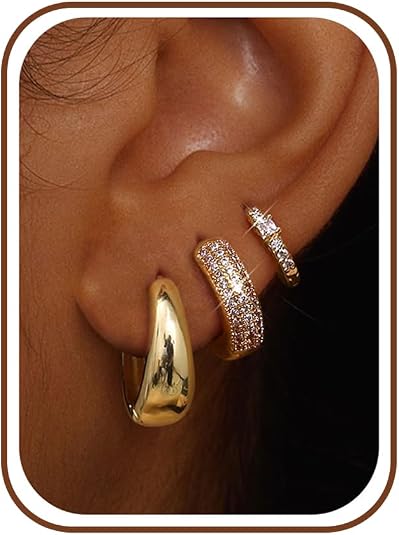
Gold jewelry — hoops, a simple chain, a cuff — pairs beautifully with the white-and-blue color palette you’ll be surrounded by constantly.
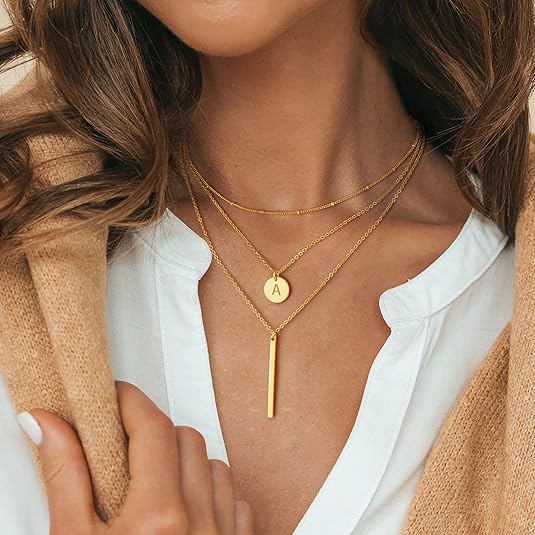
A woven or straw hat isn’t just decorative; September sun is still strong enough at midday to need real protection.

And a good pair of sunglasses earns its keep on ferry decks, cliffside walks, and basically every waterfront café you’ll sit at.

Local tip: Pack one hero accessory (a statement hat, a bold sunglasses frame) and let it repeat across multiple outfits rather than bringing several forgettable ones.
Fabrics to Choose (and Avoid)
Fabric choice makes or breaks a September Greece trip more than any single item on this list.
Linen, lightweight cotton, and viscose all breathe well and handle heat gracefully, even if they wrinkle — a little texture actually reads as intentional here.
Avoid synthetic blends and anything heavy or non-breathable; polyester in particular turns miserable fast once you’re climbing caldera steps at midday. For the cooler evening layer, a light merino or cotton knit resists both wind and wrinkling better than synthetic knits.
Local tip: A wrinkled linen dress in Greece just looks like you’re on holiday. Nobody’s judging the creases.
Swimwear and Cover-Ups for Late-Season Swimming
Don’t assume September means the swimsuit stays in the bag — the sea is often at its warmest this month, after a full summer of sun.

Pack two swimsuits so one can dry while you wear the other, plus a proper cover-up (a linen shirt or a sarong) for the walk between beach and town, since bare swimwear on the streets is a fast way to feel out of place. If you’re planning any boat days or snorkeling, a quick-dry rash vest is worth the space it takes up.

Local tip: Evening swims are still very possible in September — pack a cover-up you’d also wear to a casual dinner, and you’ve solved two problems with one item.
A Simple Capsule Wardrobe for Greece in September
If you want the shortcut version of everything above, build around a tight color palette — white, terracotta, olive, and denim blue all mix freely — and repeat pieces rather than packing something new for every day.
Two dresses, one skirt, one pair of trousers, one pair of shorts, three tops, one light jacket, and two swimsuits will comfortably carry a 10-day trip with room to spare, especially once you factor in mixing and re-wearing. Everything should be able to go from beach to dinner with one accessory swap, not a full outfit change.
The Practical Packing Section
A few honest rules before you zip the bag shut.
How many outfits: Plan for roughly one outfit per two days on a week-plus trip, not one per day — laundry is easy to find on most islands, and you’ll be re-wearing pieces anyway once you see how repetitive island life actually looks in photos (in the best way).
Packing light vs. overpacking: If you’re island-hopping by ferry, every extra bag becomes a genuine physical burden on gangways and stone steps. Err lighter than feels comfortable; you can always buy a scarf or sandals locally if you’re truly short something.
Outfit planning: Lay everything out before you pack and mentally run it through three scenarios — beach day, sightseeing day, dinner out. If a piece doesn’t fit at least two of those, leave it home.
Mistakes to avoid: Overpacking shoes (three pairs is genuinely plenty), skipping the wind layer, and packing only white — it photographs beautifully but shows every bit of dust from those caldera paths by afternoon.
Go Pack (You’ve Got This)
Greece in September rewards a bag that’s light, a little flexible, and unbothered by wrinkles. You’ll wear less than you think, repeat outfits more than you planned, and still end up with better photos than you expected — mostly because the light does most of the work for you. Pack the layer you’ll be tempted to skip, bring shoes that can handle a staircase, and let the rest sort itself out over a plate of tomatoes and a glass of something cold on a terrace somewhere. That’s really all Greece asks of you.

