
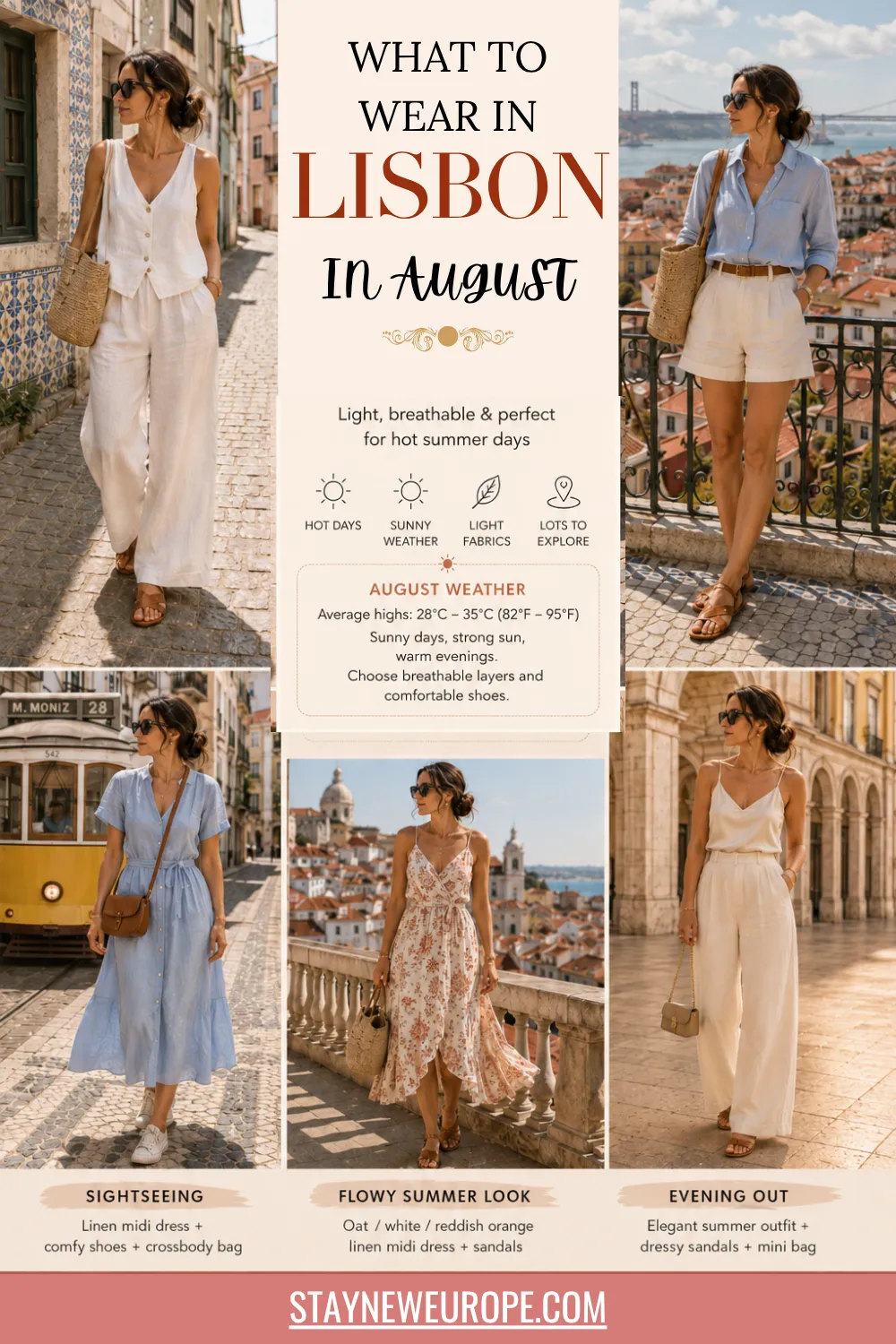
Let me be honest with you: Lisbon in August is hot in a way that surprises people who think they’ve “done Mediterranean heat” before. It’s not Rome-hot, it’s not Seville-hot — it’s its own thing, a dry, sun-baked, hill-climbing kind of heat that sneaks up on you somewhere around the third flight of steps up to Alfama.
I learned this the hard way on my first trip, wearing exactly the wrong shoes on exactly the wrong stones, sweating through a top I thought was “breathable” by 10am. Lisbon doesn’t punish you for bad style choices the way Paris might raise an eyebrow at you. It punishes you physically — blistered heels, sunstroke headaches, a top stuck to your back in every photo.
This guide is everything I wish someone had told me before I packed for a city built on seven hills, paved in slippery limestone, and lit up by a sun that doesn’t quit until nearly 9pm.
There are many beautiful places you can visit in lisbon. You can visit our other two full guides about lisbon, Portugal.
- The Best 2 Days in Lisbon, Portugal Itinerary (That Actually Works)
- Lisbon Bucket List & Travel Guide: Everything You Need for the Perfect Trip

Before We Dive In:
August in Lisbon usually sits between 28-32°C (82-90°F) during the day, though heatwaves pushing past 35°C aren’t rare. Mornings start mild and almost pleasant, evenings cool down nicely once the Atlantic breeze rolls in, but the midday stretch — roughly 1pm to 6pm — is brutal, especially with almost zero rain to break it up. Humidity stays relatively low compared to somewhere like Lisbon’s Mediterranean cousins, which helps, but the sun itself is intense and reflects hard off the white-tiled buildings.
Walking conditions: deserve their own warning label. Lisbon is hilly, properly hilly, and much of the historic centre — Alfama, Bairro Alto, Chiado — is paved in calçada portuguesa, those beautiful black-and-white mosaic stones that turn into ice rinks the second they’re slightly worn or damp. Add steep inclines and old tram tracks, and your shoe choice becomes the single most consequential packing decision you’ll make.
As for style: Lisboetas dress with an understated, slightly bohemian elegance — linen, muted colours, good leather sandals, nothing flashy. It’s less polished than Milan, less colour-forward than Spain, more relaxed and sun-faded in the best way. You’ll fit right in if you lean into that rather than fighting the heat in clothes built for somewhere colder.
Linen Everything (Yes, Even More Than You Think)
I used to think one linen dress was enough for a summer trip. Lisbon corrected me fast.
Linen isn’t just a nice-to-have here, it’s structural to surviving the day. Cotton works too, but linen breathes better, dries faster if you sweat through it, and somehow looks intentionally rumpled rather than just wrinkled. By day three of high heat, you’ll understand why every other tourist around you is suddenly wearing linen too — it’s not a trend, it’s triage.
Pack linen trousers, a linen shirt or two, and at least one linen dress if you wear dresses. The trick is choosing pieces in lighter colours — sand, white, pale blue — since dark linen still absorbs heat even though the fabric itself breathes well.
Outfit idea: oversized linen shirt, loose linen trousers, leather sandals, and a straw bag for a morning walking Alfama’s back streets, where the shade is patchy and the climbs are real.
Local tip: buy a cheap linen scarf or pashmina once you’re there — it works as sun protection on your shoulders during the walk and doubles as a church cover-up later. For more on building a full warm-weather wardrobe, our Sardinia summer style guide covers a lot of the same linen logic.
Dresses vs Shorts (The Real Answer)
People ask me this constantly, and the honest answer is: both, but for different parts of the day.
Dresses are the easier choice in Lisbon’s heat because they’re one decision instead of two, they allow more airflow, and they photograph beautifully against the tiled buildings and miradouro viewpoints.

A loose midi dress in linen or a breathable cotton-blend takes you from morning sightseeing to an evening glass of wine without any real effort.
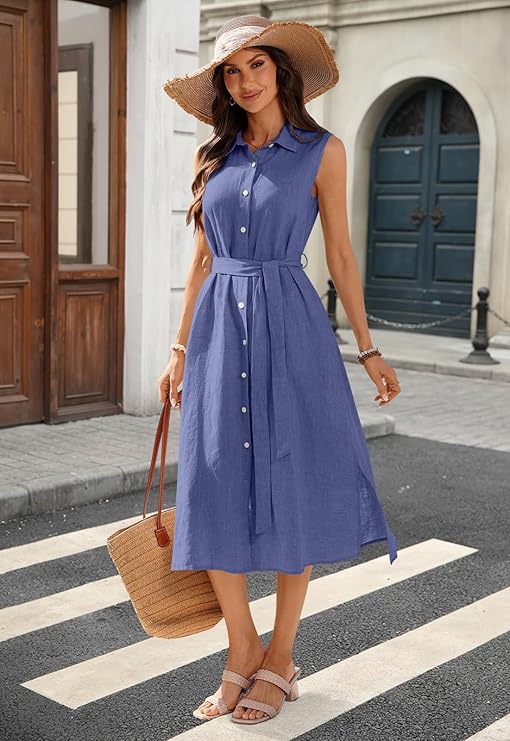
Shorts work too, especially for the steepest hill days where you want maximum mobility,
but choose tailored or wide-leg linen shorts rather than tight denim ones — denim in August heat here is genuinely miserable, and you’ll regret it by early afternoon climbing toward São Jorge Castle.

Lightweight, wide-leg linen or viscose pants or trousers are a great alternative if shorts aren’t your thing, especially for days you want pockets or a bit more coverage for church visits. Just steer clear of anything fitted or made from heavier fabric.

Outfit combo for a castle day: linen shorts, a loose tank, comfortable sandals, sunglasses, and a small crossbody bag that doesn’t bounce around on the climb.
Local tip: skip white shorts unless you enjoy worrying about every gelato drip — Lisbon’s pastel de nata crumbs are not forgiving.
Walking Shoes That Actually Work on Calçada
This is the section that matters more than any other, so let me be blunt: your cute sandals from home are probably going to betray you.
Calçada portuguesa is gorgeous and genuinely dangerous when worn smooth, wet, or even just dusty. Flat, flexible-soled sandals with good grip are non-negotiable, and honestly a pair of broken-in trainers in a neutral colour might serve you better than anything strappy, especially for Alfama and the tram 28 route, which involves more stairs than you’d expect from public transport.

I made the mistake once of wearing leather-soled sandals down a hill near Graça and nearly went down twice in ten minutes. Since then I travel with rubber-soled walking sandals or trainers exclusively for European hill cities, and Lisbon is the city that taught me why.
For evenings: a slightly dressier flat sandal works fine —

Espadrilles are gorgeous but can get slippery on smooth marble floors (museums, hotel lobbies) and don’t love sudden rain. I always pack one pair of sandals for daytime and one slightly dressier flat — a ballet flat or a simple loafer — for evenings when sandals feel too casual.
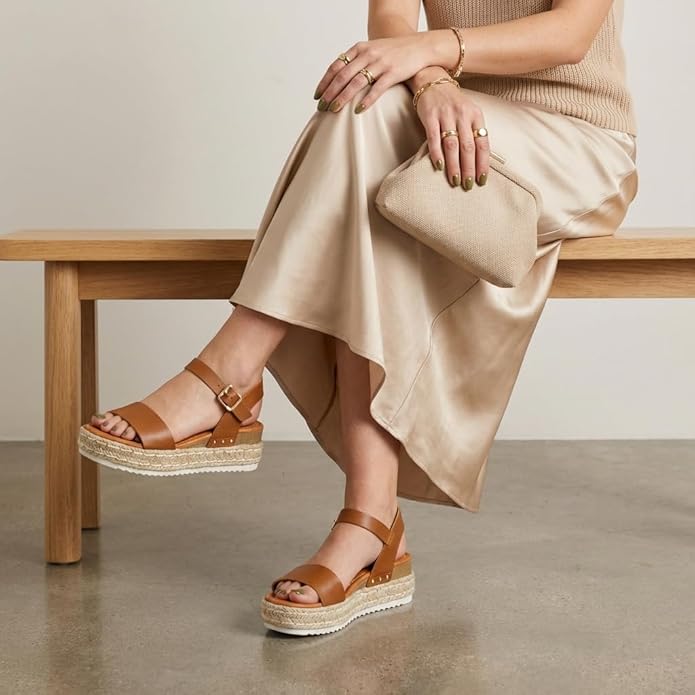
I always pack one pair of sandals for daytime and one slightly dressier flat — a ballet flat or a simple loafer — for evenings when sandals feel too casual.

Local tip: locals often wear espadrilles with proper rubber soles — they look stylish but still grip the stone. Worth seeking out before you go rather than buying overpriced ones near a tourist trap once you’re there.
What NOT to Wear (Tourist Mistakes I See Constantly)
Heavy denim is mistake number one — jeans in August Lisbon heat by 2pm is a genuine endurance test, not a style statement.
Flip-flops are mistake number two, purely for safety reasons on the calçada; they offer zero grip and even less ankle support on inclines.
And synthetic fabrics — polyester blends, anything “athleisure” that doesn’t breathe — will leave you sweaty and uncomfortable within an hour of leaving your accommodation. Save the leggings and gym gear for actual exercise, not sightseeing in 30°C heat.
A Light Layer for Evening (Yes, Really)
This surprised me the first time: Lisbon evenings cool down more than you’d expect once the sun drops and the Atlantic wind picks up, especially near the river or up on the miradouros.

A lightweight cardigan, a linen overshirt, or even just a cotton button-down thrown over your shoulders covers you for dinner on a breezy terrace or a sunset spot like Miradouro de Santa Catarina, where the wind off the Tejo can be sharper than the daytime heat suggests.
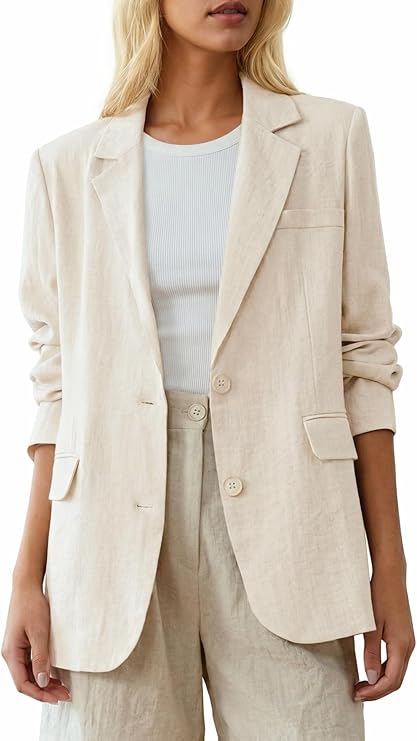
It doesn’t need to be heavy — think more “just in case” than “actual jacket.” Pack one and you’ll likely use it most nights; skip it and you’ll regret it at least once.
Local tip: the wind near Cais do Sodré and along the riverfront promenade is noticeably stronger than inland — keep your layer accessible if you’re heading that way for sunset drinks.
Evening Outfits in Lisbon
Lisbon’s dinner culture is relaxed but still put-together — smart-casual rather than dressy, with a slightly elevated bohemian edge after dark.
For women: a linen dress with sandals swapped for something slightly nicer, gold jewellery, and that light layer from the section above covers most restaurants comfortably.

Or you can also wear two linen set if you are eating outdoor. Its not just look classy but also breathable and comfortable. You can style it with leather flats and minimal jewellery.

For men: linen trousers with a short-sleeve button-up and loafers reads as effortlessly appropriate without trying too hard.

Bairro Alto’s bar-hopping scene is more casual still — think elevated sneakers, breathable trousers, nothing you’d be afraid to spill a ginjinha on.
Local tip: many of the best fado restaurants in Alfama are tiny and informal despite feeling special — you don’t need to overdress, just look like you made an effort.
Church and Monastery Dress Codes
Lisbon’s churches and monasteries — particularly Jerónimos Monastery and Lisbon Cathedral — still expect covered shoulders and knees, and they will turn you away if you show up in a tank top and shorts.

This is where that linen scarf or pashmina earns its place in your bag again.

Drape it over bare shoulders, or carry a light long-sleeve shirt you can throw on for the five minutes you’re inside. It’s a small adjustment that saves you from standing outside Jerónimos in the August sun while your travel companions go in without you.
Outfit fix: linen dress plus a scarf you can wrap around your shoulders at the entrance, removed again once you’re back outside in the heat.
Bags: Crossbody Over Backpack
Lisbon’s tram and metro routes, particularly tram 28 and crowded Baixa streets, are known pickpocket spots, and a crossbody bag worn in front is genuinely safer and more practical than a backpack you can’t see.
A crossbody bag worn in front of your body, not swinging at your hip, is the safest and most practical option for a day of sightseeing — it keeps your hands free and your valuables visible to you at all times.

It also matters for the hills — a backpack shifts your balance climbing the steepest streets in a way a flat crossbody doesn’t. Choose something water-resistant if you can, since sudden August downpours, while rare, aren’t impossible, and a quick rain shower is more likely than you’d think for a destination known mostly for dry heat.
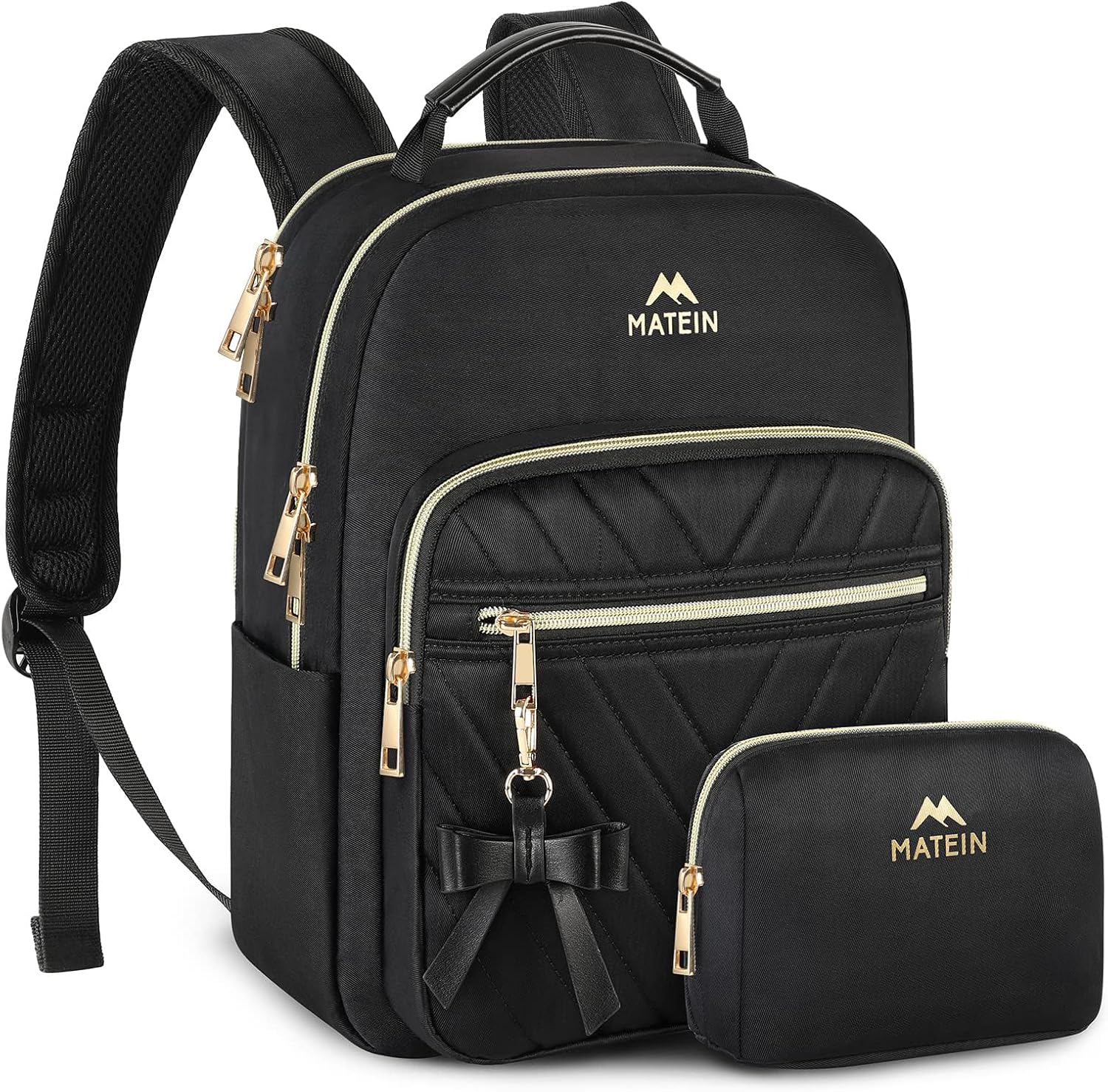
Local tip: keep your bag zipped and angled toward your body on tram 28 specifically — it’s beautiful, it’s also the single most targeted route in the city for opportunistic theft.
Accessories That Actually Earn Their Weight
A good wide-brim hat or structured cap isn’t optional in Lisbon’s August sun — it’s protection, and it photographs well against the tiled facades everywhere you turn.

Sunglasses with real UV protection matter more here than in cloudier destinations, given how reflective the white buildings and stone pavements are.

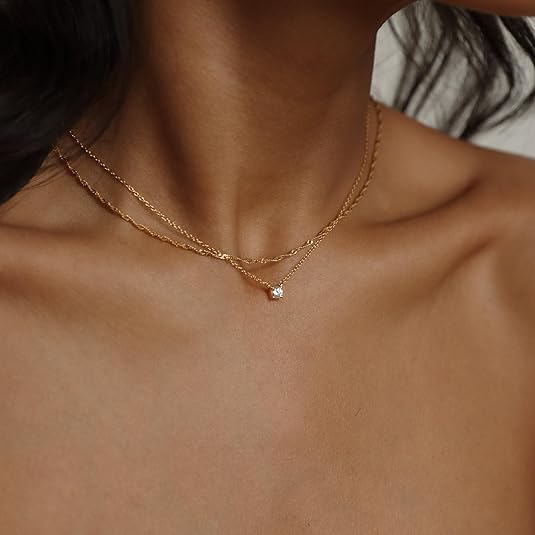
A simple gold or silver layered necklace elevates a basic linen outfit without adding heat or weight, which matters when every gram in your bag feels heavier by hour four of walking.
Rain Preparation (Unlikely, But Worth a Line)
August is Lisbon’s driest month, so don’t pack a full rain jacket, but a small packable umbrella or a light rain shell takes up almost no space and saves you if a freak shower rolls through, which does happen occasionally even in peak summer.

Fabrics to Choose (and Avoid)
Choose: linen, breathable cotton, lightweight chambray, anything with natural fibres that move air across your skin.
Avoid: polyester, rayon blends that cling, anything described as “wrinkle-resistant” on the label, because that usually means synthetic and synthetic means sweat. The slightly crumpled look is part of the Lisbon aesthetic anyway — lean into it rather than fighting it with stiff, treated fabrics.
A Capsule Wardrobe for Lisbon in August
If you’re trying to pack light, here’s roughly what covers a week:
- two linen dresses, one pair of linen trousers, one pair of linen or cotton shorts, three breathable tops, one light cardigan or overshirt, swimwear if you’re doing a beach day trip, and one slightly elevated outfit for a nicer dinner.
Mix and match across ten days easily with that base, adding accessories rather than entirely new outfits to create variety. For a broader sense of how this approach scales across an Iberian trip, our Spain packing list walks through the same minimal-but-versatile logic in more depth.
Practical Packing: How Much Is Actually Enough
For a week in Lisbon, five to seven daytime outfits, two evening options, and one swimwear set if you’re planning a Cascais or Sintra coast day trip is genuinely plenty.
Overpacking is the easiest mistake to make for a hot-weather city, because the instinct is to bring “options,” but heat narrows your actual choices fast — you’ll wear the breathable, comfortable pieces on repeat and barely touch anything else. Plan outfits loosely around two or three colour palettes that all mix together, pack one pair of broken-in walking shoes and one slightly dressier pair, and resist the urge to bring a third “just in case” pair of shoes you’ll never actually wear on these hills.
Lisbon in August will test your feet, your patience with the sun, and possibly your relationship with denim — but get the basics right and it becomes one of the most rewarding cities in Europe to wander through, golden light bouncing off tiled walls, the smell of grilled sardines drifting up from some corner café, a glass of vinho verde waiting at the end of a long, hot, completely worthwhile day. Pack smart, dress light, and let the city do the rest.

