
June in Sardinia hits differently. The sun is already fierce by 9am, the sea is that impossible shade of turquoise you thought only existed in screensavers, and the whole island feels like it’s waking up from a beautiful dream. It’s the sweet spot of summer — warm enough to spend whole days at the beach, cool enough in the evenings to actually enjoy dinner outside without melting into your chair.
But here’s the thing nobody tells you before you pack: Sardinia in June is not just a beach holiday. It’s ancient hilltop towns, cobblestone streets older than most countries, nuraghi ruins baking in the afternoon sun, and restaurants where the locals are effortlessly chic in a way that makes your festival-packing instincts feel very wrong very fast.
Most people either overpack (four pairs of jeans for a week of 28°C weather — yes, I’ve done it) or underpack (one wrap dress and flip flops, which gets uncomfortable by day three when you want to explore Cagliari properly). This guide is about getting it exactly right.
Before We Dive In: Understanding Sardinia in June
Let me be honest with you about the weather first, because it changes everything.
June in Sardinia is genuinely warm — daytime temperatures typically sit between 25°C and 30°C, occasionally pushing higher in the interior or during a particularly sunny spell on the coast. The mistral wind, the maestrale, can roll in from the northwest and drop the temperature noticeably, especially in the evenings. You might go from feeling sun-roasted at the beach to reaching for a layer over dinner within the span of a few hours. That’s not a flaw in the forecast — it’s just Sardinia.
Rain is relatively rare in June, but not impossible. The sea water is warm enough to swim comfortably, hovering around 22–24°C. UV levels are high — genuinely, concerningly high — which means sun protection isn’t optional, it’s structural.
As for style culture: Sardinians dress with quiet confidence. It’s not the loud fashion of Milan or the theatrical flair of Rome. It’s understated, quality-led, and effortlessly put-together. Linen is everywhere. So are clean white cotton shirts on men and breezy midi dresses on women. Showing up in athleisure or sloppy tourist gear isn’t going to get you arrested, obviously, but you might find yourself feeling a bit out of place at a good restaurant or in one of the prettier towns. Dressing with a little care goes a long way here.
Lightweight Linen: Your Best Friend on This Island
If there’s one fabric that was practically invented for Sardinia in June, it’s linen. And yes, I know what you’re thinking — linen wrinkles the moment you look at it. That’s true. But here’s the thing I learned the hard way: in Sardinia, wrinkled linen looks intentional. It looks like you’ve been enjoying yourself rather than rushing between Instagram spots.
A linen shirt — in white, sage, sand, or a soft terracotta — is genuinely the workhorse of this trip. Worn open over a swimsuit on the beach, buttoned up for an afternoon wandering through Alghero’s old quarter, or tucked loosely into wide-leg trousers for dinner — it does everything. Men and women can both lean fully into this.
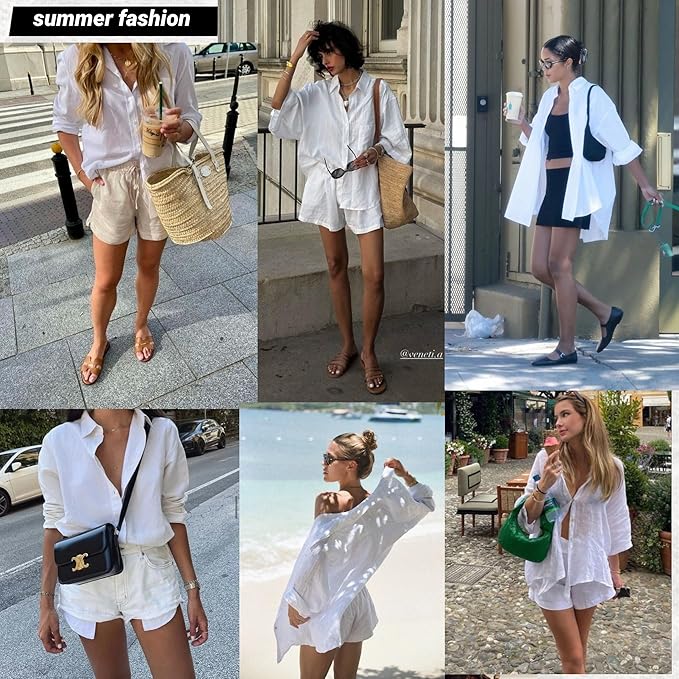
Women might consider a linen set: wide-leg trousers and a matching short-sleeved top. It photographs beautifully, it’s cool, and it reads as put-together without trying too hard. Men: a linen shirt in a muted tone with chino-cut shorts will carry you through most of the day’s situations without a wardrobe change.
Local tip: Sardinian artisan markets often sell beautiful locally-made linen pieces. If you have room in your bag on the way home, picking up a linen shirt or scarf is a far better souvenir than a ceramic donkey.
Dresses That Actually Work (Not Just Look Good on the Hanger)
I have a complicated history with packing dresses for Italian island trips. I once brought a gorgeous structured wrap dress that spent the entire week hanging in the wardrobe because it was too formal for the beach and too impractical for hiking to sea caves. Learn from my mistakes.
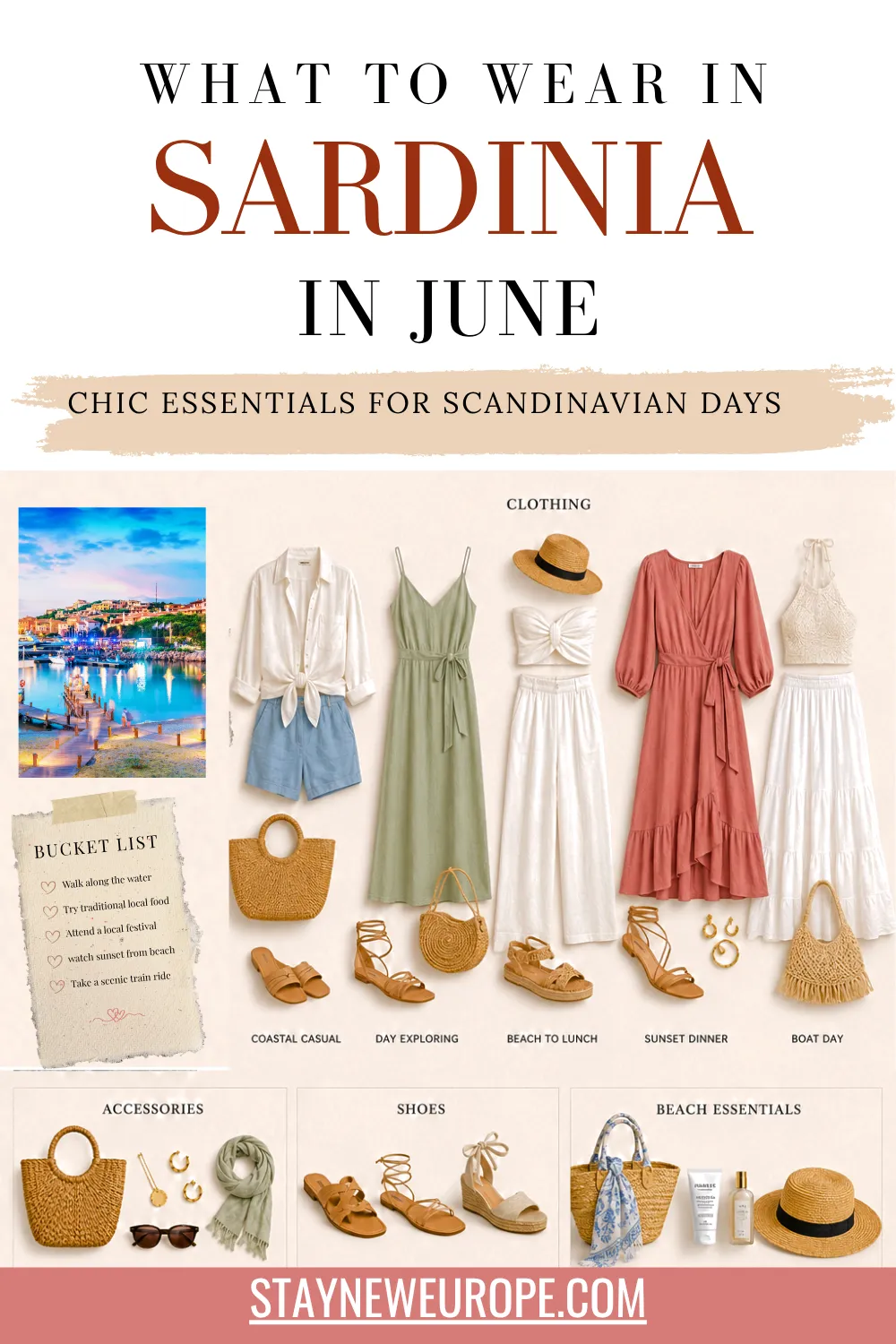
For Sardinia in June, the dresses that earn their luggage space are floaty, breathable, and versatile. Think a midi-length cotton or linen sundress in a solid colour or small print — something you can wear over your swimsuit to lunch at a beach bar, then change your shoes and bag for, and suddenly you’re walking into a restaurant in Bosa looking like you belong there. That’s the magic formula.
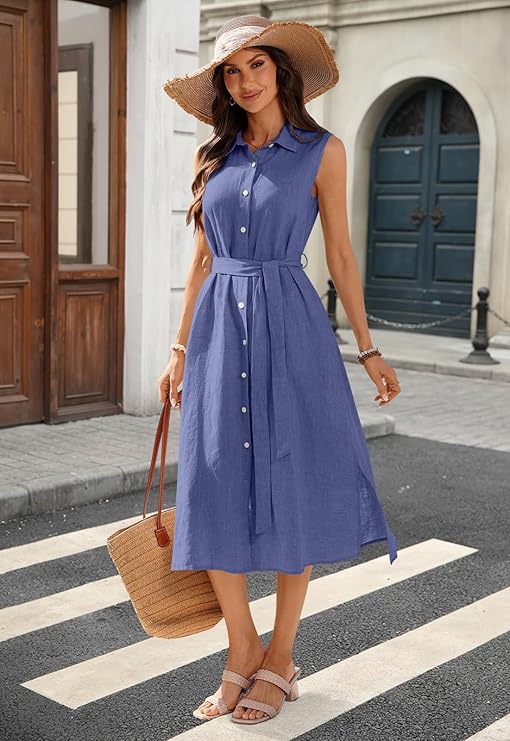
Maxi dresses work well too, particularly for evenings. A simple, sleeveless linen maxi in white or navy is both church-appropriate (with a scarf thrown over your shoulders) and dinner-ready with a pair of sandals and some gold jewellery.

Mini dresses are perfectly fine for the beach and casual situations — just pack a wrap or light layer for cooler evenings and for entering any churches or sacred sites. If you’re planning a day trip to explore what to wear in Italy in June, the same dress principles apply across the mainland too.
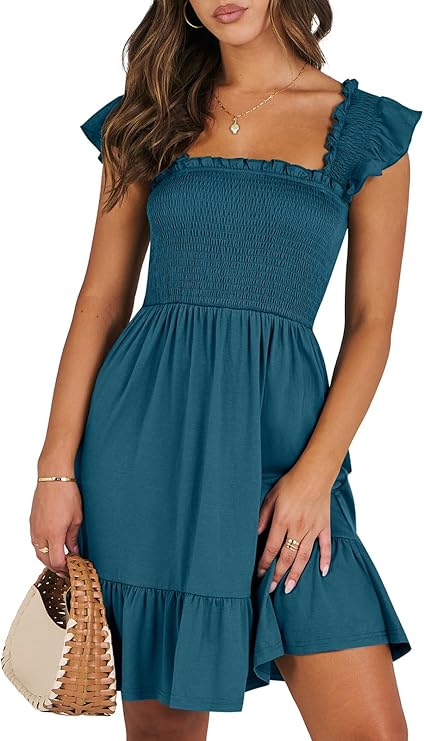
Local tip: Avoid dresses with complicated back fastenings or tiny buttons when you’re packing for Sardinia. You’ll be getting in and out of them multiple times a day at beach clubs, and fiddly closures become irritating fast.
Swimwear That Doubles as Outfit Foundations
Here’s where Sardinia genuinely differs from, say, a city break in Florence. Your swimwear isn’t just for swimming — it’s a base layer. You’ll wear your swimsuit or bikini top under practically everything during beach days, and the right choices make the whole system work.
A good bikini or one-piece that looks intentional rather than purely functional is worth prioritising. A black or navy swimsuit with clean lines reads as almost elevated — throw a linen shirt over it and you’ve got a beach lunch outfit that wouldn’t look out of place at a proper restaurant.

A bikini top in a solid colour (terracotta, sage, navy, white) works with high-waisted linen trousers or a breezy skirt for that transitional moment when you leave the beach for the afternoon.

Bring two swimsuits minimum. One is never enough when you’re spending multiple consecutive days at the beach — they take time to dry properly, and there’s nothing quite as unpleasant as pulling on a damp swimsuit in the morning.

Local tip: Sardinian beaches have strict rules at many locations about changing outside of designated areas. Beach wraps and pareos are not just stylish — they’re genuinely practical. A large cotton pareo is possibly the single most versatile item you’ll pack.
Shoes: The Decision That Can Make or Break Your Trip
Let me be blunt: the wrong shoes will ruin Sardinia for you. The island has everything from silky-smooth beach sand to ancient cobblestone streets in hilltop towns that were clearly designed before anyone considered footwear comfort. Your feet need to be able to handle both.

The non-negotiable is a sandal with actual support. Not thin-strapped flat sandals that have zero arch support (I learned this in Cagliari’s Castello district, which is basically a stairmaster disguised as a neighbourhood). What you want is a leather sandal with a low footbed and ankle strap — something like a quality flat leather sandal from an Italian brand. They look elegant, they go with dresses and linen trousers alike, and your feet will actually thank you at the end of a long day.

For beach days: simple flip flops or slides are fine for getting from the car park to the sand. But don’t plan on doing any meaningful walking in them.
If you’re planning any hiking — to sea caves, along coastal paths, or inland to see the nuraghi — bring one pair of proper walking shoes or trainers. They don’t have to be chunky hiking boots, but something with grip and support matters when you’re on rocky terrain.

For evenings and nicer dinners, a strappy flat sandal or a low block heel (if you’re comfortable in one on uneven surfaces) elevates a simple dress without the agony of stilettos on cobblestones.

Local tip: Break in any new sandals before you go. Blisters in week one of a Sardinia trip are a special kind of holiday misery, particularly when you’re trying to walk to a remote beach.
What NOT to Wear: The Tourist Mistakes That Stand Out
Look, I’m not here to police anyone’s wardrobe choices — but some things I genuinely wish someone had warned me about before my first Italian island trip.
Heavy denim is the big one. Full-length jeans in 28°C heat on a day of exploring? You’ll be uncomfortable within an hour. If you really can’t travel without denim, bring one pair of lightweight denim shorts at most. Leave the skinny jeans at home entirely.
Sports logos and athleisure sets are practical for flights and travel days, but wearing them into a restaurant or a church in a Sardinian town is conspicuous in a way that makes you feel like a tourist even when you’re trying not to be.
Shoes without any grip on wet surfaces — specifically smooth-soled sandals or mules near the sea. The rocks around Sardinia’s coastline are beautiful and extremely slippery when wet. This is not the moment to prioritise aesthetics over grip.
Overly revealing outfits in town centres and churches. Sardinia is warm and beautiful and you should absolutely enjoy wearing summer clothes — but small towns and religious sites have genuine expectations around covered shoulders and knees. A scarf in your bag solves this instantly.
Local tip: White clothing is gorgeous in Sardinia photos and feels wonderfully fresh in the heat — but be prepared for it to pick up everything from sunscreen to olive oil with alarming efficiency. Pack one white piece as a deliberate choice, not as your go-to default.
Lightweight Layers: More Important Than You’d Think
I almost didn’t bother packing any layers for my first Sardinia trip in June. It turned out to be one of the bigger wardrobe miscalculations I’ve made, and I’ve made some spectacular ones.
The mistrale wind can drop the temperature quite suddenly, particularly in the evenings and mornings. After a long day in the sun, your skin is warm-to-the-touch and you might feel fine — but after 45 minutes at an outdoor restaurant watching the sun dip into the sea, you’ll reach for something with sleeves.
A thin cotton cardigan, a linen blazer, or a lightweight overshirt in a neutral tone is genuinely worth the packing space. It doesn’t need to be substantial — just enough to cut the evening wind. A linen blazer is particularly useful because it reads as stylish rather than practical, which means it works for dinner just as well as it does for a windy boat trip.
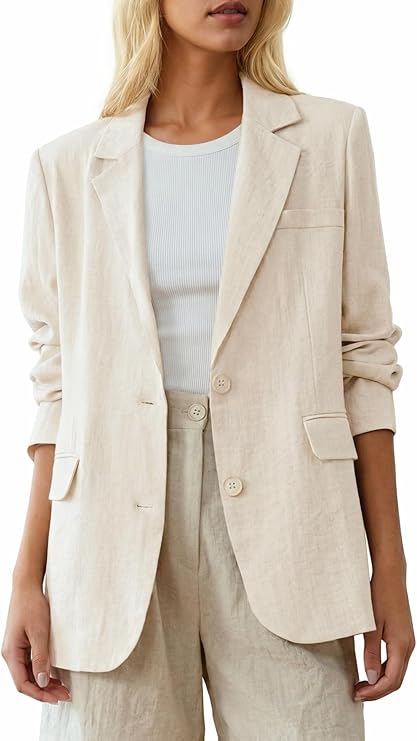
If you’re travelling to other parts of Italy before or after Sardinia, check out what to wear in Rome in June — the same layering logic applies across Italy in early summer.
Local tip: A thin cotton long-sleeved top is one of those invisible workhorses that suddenly becomes your most-worn item. Tied around your shoulders during the day, worn properly in the evening — it packs flat and weighs nothing.
Trousers and Shorts: Getting the Balance Right
Here’s my honest packing philosophy for Sardinia in June: you probably need one pair of proper trousers and the rest of your “bottom” packing should be shorts, skirts, and swimwear.

For trousers, wide-leg linen or cotton in a neutral — white, sand, olive — hits that sweet spot between beach-casual and restaurant-appropriate. They’re cool, they look considered, and they work with everything from a simple vest top to a silk camisole for evening.

Shorts-wise: bring two or three pairs. Linen shorts in a longer length (mid-thigh to knee) are versatile enough for exploring, casual lunches, and beach bars. If you’re a man packing for this trip, two pairs of well-fitting chino-style shorts in neutral tones will take you almost everywhere.

Denim cut-offs are genuinely fine for very casual beach days but they’re heavy, slow to dry if they get wet, and can feel restrictive in the heat. If you pack them, don’t pack much else in the bottom category.
Local tip: Elastic-waist linen trousers or shorts are not just for people who’ve eaten too much pasta (though they do accommodate that). The comfort on long driving days around the island is real, and they photograph well enough that nobody needs to know.
Evening Outfits: Sardinia After Sundown
Sardinia’s evenings are genuinely lovely — the light goes soft and golden, everyone emerges from their afternoon rest looking fresh and elegant, and dinner is an event rather than a refuelling stop. This is worth dressing for.
The good news is that you don’t need to overpack for evenings. The same pieces that work during the day — with a wardrobe refresh and a swap of accessories — work perfectly at night.
A woman: in a linen midi dress with gold sandals, a simple gold necklace, and a linen cardigan over her shoulders is exactly right for a nice dinner in Cagliari or Alghero.

A man: in chino shorts, a clean linen shirt (maybe in a slightly crisper colour than the daytime version), and leather sandals is perfectly dressed for the same occasion.

Where people tend to go wrong in the evening is either over-dressing (bringing a formal cocktail dress to a holiday island when the vibe is actually relaxed-elegant) or under-dressing (thinking beach casual translates to evening casual, which it usually doesn’t at the better restaurants).
Local tip: Sardinians tend to eat late — 8:30pm or even 9pm is considered perfectly reasonable dinner timing. This actually works in your favour because the temperature drops pleasantly by then, so an outfit that felt slightly too warm in the afternoon becomes exactly right by the time you sit down.
Bags: Crossbody or Tote?
The bag question matters more than people give it credit for, and I have opinions.
For daytime exploring: a lightweight crossbody bag is the answer. It keeps your hands free (essential for navigating rocky beaches and cobblestone streets), it’s harder to snatch than a tote, and it sits flat enough that it doesn’t get in the way. Leather or canvas in a neutral tone works.

For beach days: a roomy tote or a proper beach bag is non-negotiable. You need space for towel, sunscreen, water, snacks, your book, and the assorted debris that accumulates at the beach. A woven straw tote is the Sardinian aesthetic choice and it folds flat for packing.

For evenings: a small clutch or minimal crossbody is enough. You don’t need to carry much — phone, card, lip balm, keys.

The mistake I see constantly is people trying to use one bag for everything, which usually means lugging an overstuffed tote through markets in the heat, which is both uncomfortable and a pickpocket’s dream.
Local tip: Leave anything you’re not willing to lose in the safe at your accommodation on beach days. Phones, wallets, and cameras left on beach towels while you swim are vulnerable in busy beach season.
What to Wear for Churches and Cultural Sites
This surprised me the first time I visited Sardinia: some of the churches and nuraghi sites have genuine dress code expectations, and being turned away because your shoulders are bare is a very avoidable disappointment.
The rule is consistent across Italy: covered shoulders and knees when entering any church or monastery. In practice, this means keeping a light scarf or wrap in your bag at all times. A thin cotton or muslin scarf is essentially weightless and takes up no space, and it will save you from standing outside a beautiful baroque church feeling irritated.

For the nuraghi and archaeological sites, the bigger concern is practical rather than cultural: you’ll be walking on uneven terrain in direct sun with limited shade.
A lightweight long-sleeved layer.a hat, and serious sun protection are more important than what you’re wearing underneath.
Local tip: There are vendors selling scarves near most tourist churches in Sardinia, but they’re overpriced and often quite synthetic. Bring your own from home — a large cotton or linen square in a neutral tone doubles as a beach pareo, a scarf, and a picnic blanket.
Accessories That Elevate Simple Outfits
This is where the Sardinian aesthetic really comes together, and it’s something the Italians generally understand better than the rest of us: simple outfits + considered accessories = looking very put-together with very little effort.
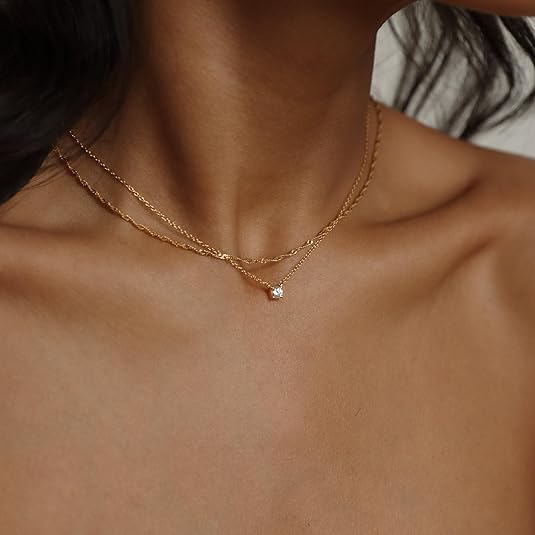
Gold jewellery is the move for Sardinia. Simple gold hoops, a thin gold chain, a delicate bracelet. Nothing elaborate, nothing costume-y. The sun catches warm metal beautifully, and it looks right against bronzed skin and linen.
A wide-brimmed hat is both stylish and genuinely necessary in the June sun. Not just for the beach — for any outdoor activity. Straw hats are the obvious aesthetic choice and they pack reasonably well if you’re not too precious about them. If you’re not a hat person in ordinary life, Sardinia in June might be the place to reconsider that position.

Sunglasses with UV400 protection are non-negotiable. Good ones. The light bouncing off the sea and the pale limestone rocks is intense, and squinting for a week straight is both uncomfortable and ageing.

Local tip: A simple silk or satin scrunchie in a neutral colour is somehow one of the most useful accessories you can pack for a hot climate trip. Hair up while exploring, down for evening — it takes up zero space and looks decidedly less tourist-y than a plain elastic.
Rain Preparation: Unexpected but Worth Thinking About
June in Sardinia is dry, statistically. But “dry” doesn’t mean “rain-impossible,” and getting caught in a proper Sardinian downpour without any protection is a genuinely soggy experience that I don’t recommend.
The good news is that this doesn’t mean packing a full waterproof jacket. A packable rain layer — something that folds into its own pocket and weighs practically nothing — is enough. It’ll also double as a wind layer on breezy boat trips or evenings on the terrace.

If you’re planning any serious hiking, a proper waterproof outer layer is worth the luggage space. But for most visitors who are splitting their time between beaches and town exploration, a light packable jacket is entirely sufficient.
Local tip: Sardinian storms, when they happen, tend to come and go with more drama than duration. Finding a café, ordering a coffee, and waiting 30 minutes is often the most pleasant response. Think of it as an excuse to eat an additional pastry.
Fabrics to Choose (and Avoid)
This deserves its own section because it genuinely makes a significant difference to your comfort levels.
Choose: Linen (wrinkles but breathes beautifully), cotton (lightweight cotton is your friend in every format from t-shirts to midi dresses), bamboo fabric (surprisingly good moisture-wicking properties), and silk for evenings (lightweight, packs small, and photographs beautifully).
Avoid: Heavy polyester (traps heat and starts to smell in warm weather embarrassingly quickly), thick denim (heavy, slow to dry, uncomfortable in heat), nylon athletic fabrics unless you’re actually exercising in them, and anything with a lot of structure or padding, which will just make you hot.
The test I now apply before packing anything for a hot Mediterranean trip: scrunch it in your hand. Does it breathe? Does it release the wrinkles within a few minutes? Then it can come. Does it feel like holding a plastic bag? Leave it at home.
Local tip: Many Italian brands and local Sardinian boutiques sell clothing specifically designed for Mediterranean summers — beautifully made in the right fabrics at reasonable prices. Budget a little for picking up a piece or two on the island itself rather than buying everything before you go.
Your Sardinia June Capsule Wardrobe
Let me be honest: you do not need as many clothes as you think. Sardinia in June is a sun, sea, and simple pleasures kind of holiday, and a well-chosen capsule works infinitely better than a suitcase that won’t close.
Here’s what I’d actually pack for a 7–10 day trip, without padding or wishful thinking:
Tops: 2 linen shirts (one white, one in a colour), 2–3 lightweight vest tops or camisoles, 1 thin long-sleeved cotton layer
Bottoms: 1 pair wide-leg linen trousers, 2 pairs of shorts (linen or cotton), 1 skirt (midi length, breezy)
Dresses: 2 (one casual sundress, one slightly elevated midi for evenings)
Swimwear: 2 swimsuits or bikinis + 1 rash vest if you burn easily
Outerwear: 1 linen blazer or cardigan, 1 packable rain layer
Shoes: 1 pair supportive flat leather sandals, 1 pair beach flip flops, 1 pair comfortable trainers or walking shoes, 1 pair evening sandals
Accessories: 1 wide-brim hat, quality sunglasses, a selection of simple gold jewellery, 1 large cotton scarf
Bags: 1 crossbody for day, 1 straw tote for beach, 1 small evening bag
That’s it. I genuinely mean that. Wear things more than once, lean on your laundry service or a quick sink wash for anything that needs freshening, and resist the temptation to pack “just in case” options you never end up wearing.
For those heading beyond Sardinia during summer travels, the same capsule logic works well — check out our full what to wear in Italy in June guide and the what to wear in Sardinia in summer piece for wardrobe ideas that carry you through the full season.
Practical Packing Section
How many outfits to bring: For 7–10 days, aim for 5–6 core “outfits” that you mix, layer, and repeat. Nobody is keeping track, and in a hot climate people understand that you’re not going to wear something once and fold it back into the suitcase.
Packing light vs. overpacking: Let me be blunt — overpacking for Sardinia is a specific kind of self-sabotage. You’ll be getting in and out of cars, navigating beach parking, possibly taking a ferry to smaller islands. A heavy, overstuffed case is genuinely stressful in a way that a small, well-organised one is not.
Outfit planning tips: Stick to a colour palette. Three neutral base colours (white, sand, olive, or navy — pick your three) plus one accent colour means everything works with everything else. This sounds restrictive in the planning phase and feels liberating in practice.
Mistakes to avoid: Packing anything that requires dry cleaning. Packing multiple pairs of “smart” shoes that you won’t actually wear because the cobblestones and heat make them impractical. Forgetting that sun protection, after-sun, and insect repellent for evenings take up bag space and weigh something — factor this in.
One Last Thing Before You Go
Sardinia in June is the kind of place that gets under your skin in the best possible way. The light is outrageous — all golden and salt-washed. The food is remarkable. The landscape is genuinely unlike anything else in the Mediterranean.
What you wear there matters only insofar as it makes you feel good and lets you move freely through the days. The best outfit for Sardinia is ultimately the one you don’t have to think about too much — because you’re too busy watching the water turn from blue to green to that impossible shade somewhere in between, eating your body weight in bottarga and fresh pasta, and wondering why you ever thought any other holiday could compare.
Pack lightly, choose well, and go get gloriously, happily sun-kissed.

