
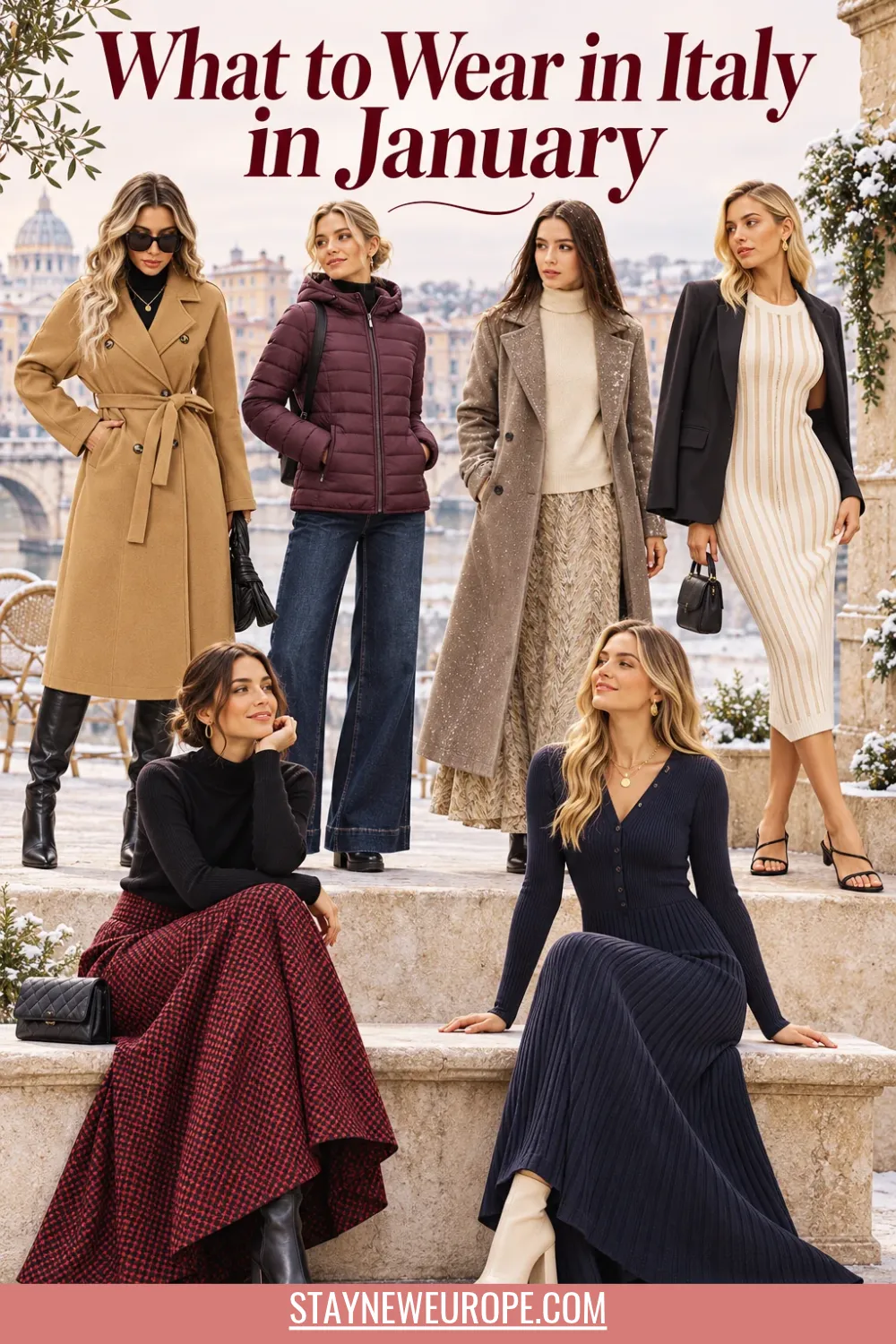
January in Italy is the quiet, honest version of the country. No queues snaking round the Colosseum, no 35°C afternoons, just steaming espresso, misty piazzas and locals in long dark coats nipping between cafés like they were born in them. Which, to be fair, they were.
But here’s the surprise: Italy in January is not one climate. Milan can be foggy and near freezing while Rome is sunny and mild enough for a long lunch outside, and Sicily laughs at both of them. Pack for one city and you might spend the trip either sweating or shivering.
The classic tourist mistakes? Bringing a giant ski jacket to Florence, wearing thin ballet flats on wet cobbles, and trusting a pretty denim jacket to do a coat’s job. Let me save you from all three.
Before We Dive In
Let me break Italy down so you can pack for the right version of January.
North (Milan, Turin, Venice, Lake Como): Roughly 0–6°C (32–43°F). Milan is famous for fog, Venice is damp and bone-chilling by the lagoon, and snow is possible. Pack your warmest layers.
Centre (Florence, Rome, Tuscany): Roughly 3–13°C (37–55°F). Florence is crisp and cold in the mornings, while Rome often has bright, mild afternoons and sudden showers.
South and islands (Naples, Amalfi Coast, Sicily): Roughly 8–15°C (46–59°F). Milder, but rainy and windy by the sea. Some coastal places are quiet or shut for the season.
The Alps and Dolomites: Properly cold, well below freezing. If you’re heading up, you need ski-style gear on top of everything here.
Walking conditions: Cobblestones everywhere, wet marble steps in churches and plenty of hills. Grip matters more than you think.
Style culture: Italians dress well in winter, and the formula is simple: dark or neutral colours, quality fabrics, a good coat and a scarf. Nobody leaves the house looking sloppy.
Heading to specific cities? Check our other Italy guides: What to Wear in Italy in November, What to Wear in Venice in November, What to Wear in Milan in November and What to Wear in Florence in November.
A Carry-On Bag That Survives Italy’s Stairs
Italy is beautiful and extremely unfriendly to wheeled suitcases.
Between cobbles, train steps, hotel staircases (lift? ha) and narrow Venetian bridges, I’m fully Team Carry-On in January. A soft-sided carry-on or a sturdy duffle with a shoulder strap is easier to lift than a hard-shell spinner. Winter clothes are bulky, but packing cubes and a compression bag help.

Plan to buy things, too: January is the start of the saldi (winter sales), and you’ll want room for a scarf, leather gloves or a knit you couldn’t resist. Pack a foldable tote so you have somewhere to put them.

Local tip: Wear your bulkiest items (coat, boots, scarf) on the plane. It saves suitcase space and keeps you warm in chilly airports and trains.
Lightweight Layers: The Secret to Italy in January
Let me be honest: this is the single most useful thing in this article.
Italian interiors are heated well, trains are warm and cafés are cosy, while the streets can be freezing. I learned this the hard way in Florence, where I wore one thick jumper and spent a whole museum visit cooking. You want thin layers you can add or remove in seconds.
A merino or thermal long-sleeve top is your base. Brands like Icebreaker and Uniqlo’s Heattech range are popular for a reason: they’re thin, warm and don’t smell after a day of walking. On top, add a cotton or silk shirt and a fine knit, then your coat.

Morning in Milan: thermal tee, shirt, jumper, coat, scarf. Afternoon in a warm restaurant: jumper off, scarf off, perfectly comfortable.
Local tip: Italians layer thin pieces rather than wearing one chunky item. It looks sleeker and is far easier to adjust.
The Coat: Choose Wisely
If you only spend money on one thing, spend it here.
The Italian winter look is a long wool coat or a sleek, fitted puffer in black, navy, camel or grey. A knee-length wool coat looks right everywhere, from a gallery to a dinner, and goes with every outfit in your bag. If you’re heading to the north, the mountains or Venice’s windy lagoon, a long down coat is warmer and just as stylish when it’s slim and plain.

I’d pick one main coat and one backup. A packable lightweight down jacket, like the Uniqlo Ultra Light Down style, goes under a wool coat on the coldest days. A hooded, water-resistant long coat is a great one-piece solution for rainy Rome or Naples.

Local tip: Go for a dark, plain coat with a collar you can turn up. Bright puffers and logos are the quickest way to look like a tourist.
Dress Code: What Actually Works in Italy
Here’s the thing about Italian style in January: it’s about polish, not effort.
You’ll see locals in dark jeans or tailored trousers, a fine knit, a good coat, leather boots and a scarf. Everything fits well, colours are muted and nothing is covered in slogans. Even the person grabbing a coffee at the counter looks like they’ve dressed on purpose.
A simple formula: build everything around black, navy, grey, camel and cream, then add one small colour in a scarf or sweater. It looks stylish, mixes together and means you need far fewer clothes.
Morning exploring, museum afternoon, aperitivo, dinner: the same outfit works for all four if you swap a scarf or add a dressier top.
Local tip: Italians dress up slightly for dinner even in casual places. A nicer knit and clean boots will get you better service and fewer sideways glances.
What NOT to Wear (Tourist Mistakes)
Some things make you stand out immediately, and not in a good way.
Skip the full ski outfit in cities, the bright waterproof poncho, the huge branded sweatshirt, running leggings as trousers and white trainers that turn grey by lunchtime. Shorts, flip-flops and thin canvas shoes won’t survive an Italian January either.
The bigger mistake is packing for the temperature on your app. A 7°C day in a damp, foggy city feels far colder than 7°C in a dry one, and standing still at a station platform makes it worse.
Also avoid anything that needs ironing. You won’t have time, and creased clothes under a coat look sad.
Local tip: If you want to blend in, ditch the large bright backpack and the matching waterproof set. A dark coat, simple scarf and neat boots do it instantly.
Jeans, Trousers and Skirts: What Works in the Cold
Your legs get cold fast, so pick fabrics that actually block the wind.
Dark, well-fitting jeans in a straight or slim cut are completely normal in Italy and work almost everywhere. Light-wash and heavily distressed styles look too summery in January. Wool-blend trousers, tailored cords or lined trousers are even better and feel dressier at dinner.

For skirts, go midi or longer in wool or heavy knit with opaque or fleece-lined tights and boots. Thin sheer tights look elegant but do nothing in cold fog. I wear thermal tights under trousers in Milan and Venice, and no one has ever noticed.

Outfit idea: dark jeans, a cream roll-neck, camel coat and leather ankle boots. Swap in a long wool skirt and thick tights for dinner.
Local tip: Skip leggings as trousers. They look fine on a plane but flimsy against Italian chilly drizzle.
Tops, Knits and Blouses for Women
Think texture over trend, and think layers that look good on their own.
Fine-gauge merino or cashmere-blend jumpers, roll-necks and turtlenecks in neutral colours are the Italian winter basics. Add a silky blouse or crisp shirt underneath and you can peel off layers when a restaurant is overheated. A thin long-sleeve tee under everything adds warmth without bulk.

Italians love a tonal look: all-cream, all-camel or all-grey in different textures. It looks expensive, even when it isn’t, and it’s very easy to pack.
Try this: a silk-feel blouse, a chunky cream jumper, tailored trousers and ankle boots. It works for a gallery visit and a glass of wine at six.

Local tip: Pack one dressier top for evenings, such as a dark satin blouse. It takes almost no room and lifts a basic jumper-and-trousers look.
Comfortable but Stylish Walking Shoes
You’ll walk miles on stone, so this is where you don’t compromise.
I’d bring one pair of waterproof leather ankle boots with a grippy rubber sole. Chelsea boots, like the classic Blundstone style, slip on easily, look neat with trousers or skirts and handle puddles without a fuss. Wet marble and cobbles are slippery, so sole grip is not optional.
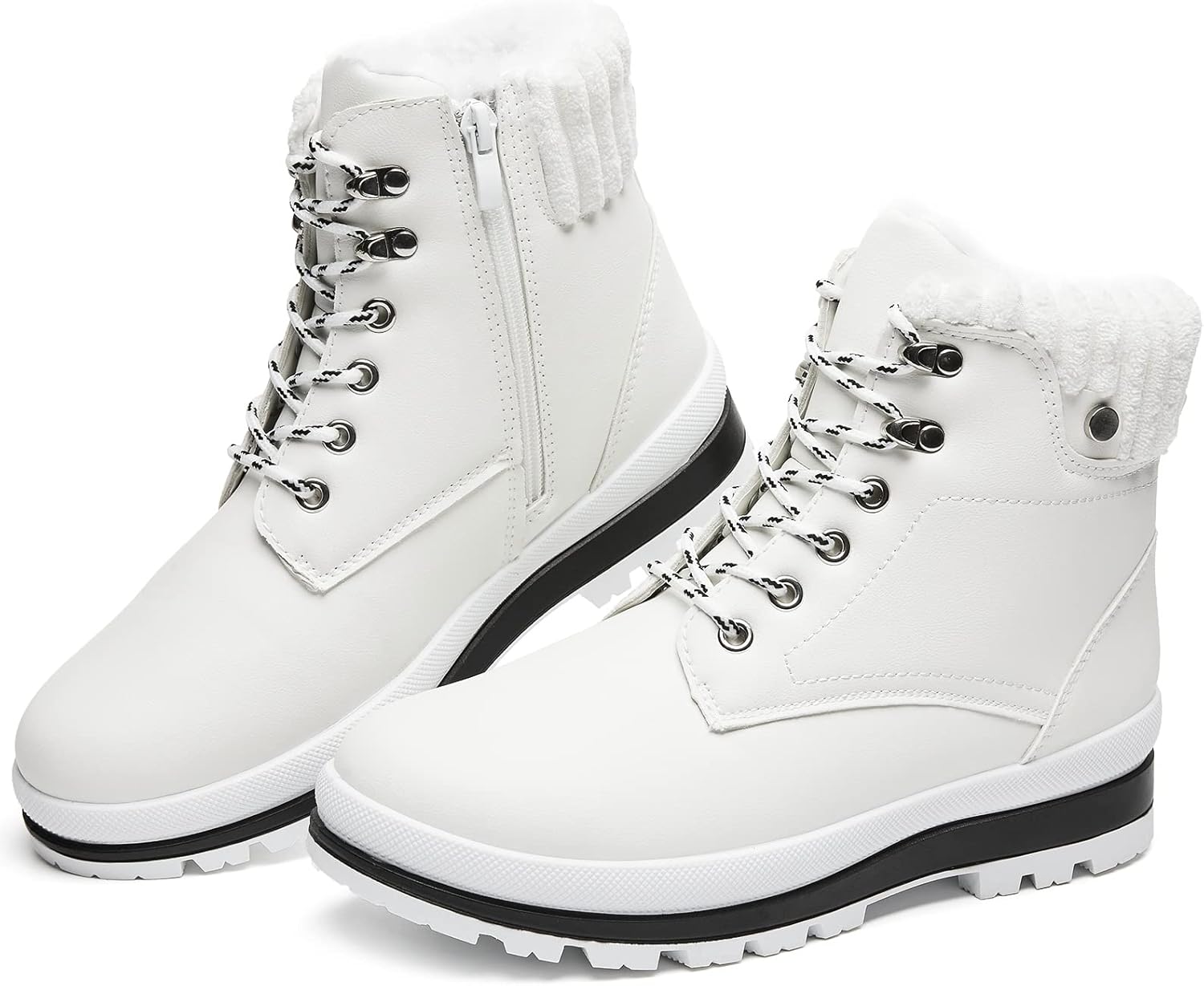
A second pair for dry days could be dark leather sneakers. Clean, minimal and comfortable, they blend in with Italian streetwear, and a waterproofing spray makes them far more rain-ready.

Break them in before you travel. Blisters on cobbles are no fun.
Local tip: Rome’s sampietrini cobbles are brutal on thin soles and heels. Leave the stilettos at home and bring thick-soled boots.
Jackets and Outer Layers for Unpredictable Weather
January weather in Italy can change completely between cities, and sometimes between morning and afternoon.
A waterproof layer is your safety net. A light rain jacket in a dark colour that packs into your bag is handy for Rome, Naples and Sicily, where mild days turn showery fast. In the north, your wool or down coat does the job, but add a hood or umbrella.

I also love a slim quilted vest or thin cardigan for warm afternoons in the south. It’s easy to take off and tuck into your bag.
Local tip: If you’re visiting multiple regions, plan your outerwear for the coldest stop and add layers for the warmer ones. It’s easier to remove clothes than to find a warm coat mid-trip.
Rain Preparation (Unexpected but Important)
January is one of Italy’s wetter months, and it can catch you off guard.
A compact, sturdy umbrella is a must. Pick one that handles wind (a vented design helps) and keep it in your bag. Winds along the coast and on Venice’s lagoon can flip a cheap umbrella in seconds, and street sellers know it. I once paid triple the price for a flimsy one in Rome. Learn from me.

Waterproofing spray for shoes and bags takes two minutes before you leave home and saves you a soggy first day. If you’re visiting Venice, keep an eye on the tide forecast, as the lowest streets can still flood occasionally in winter, and waterproof boots help.
Local tip: Many Italian hotels lend umbrellas. Ask at reception before buying one.
Evening Outfits That Don’t Scream Tourist
Italian evenings are made for dressing up a little, and January is the perfect time.
For women, a knit dress or midi skirt with warm tights, boots and a statement scarf is perfect. For men, dark trousers, a fine knit or shirt and polished boots look sharp. Add your best coat and you’re ready for aperitivo or a long, slow dinner.

Keep your palette low-key: black, navy, burgundy, forest green. Simple jewellery, a classic watch and a good scarf do the rest. Italians don’t wear glitter at dinner; they wear confidence.

Local tip: Restaurants are usually warm, so wear layers you can remove. Always bring a scarf, because the walk home is cold.
What to Wear for Churches
Italy’s churches are some of its most breathtaking sights, and the dress code is simple.
Cover your shoulders and knees, particularly in famous ones like St. Peter’s Basilica, where guards can and do turn people away. In January you’re likely wearing sleeves and long trousers anyway, so you’re mostly covered, but it’s worth double-checking your outfit.
A large scarf or wrap is the easiest fix: it covers shoulders if you take off your coat and keeps you warm in cold stone interiors.

Local tip: Churches can be freezing inside. Keep your coat on, and keep your hat in your pocket, as men and women are expected to remove them indoors.
Bags: Crossbody vs. Backpack
In Italy, a crossbody wins nearly every time.
A leather or sturdy fabric crossbody keeps your hands free for an umbrella, a coffee and a gelato (yes, even in January), and it’s easy to access on crowded trains and buses. Choose one with a zip and enough room for your phone, wallet, gloves and a small umbrella. It’s also safer against pickpockets in busy stations.

A backpack is fine for day trips, but in crowded places like Rome’s metro or Venice’s alleys it’s awkward and a pickpocket target. If you bring one, keep it small and plain and wear it on your front in busy spots.
Local tip: Keep bags zipped and in front of you in stations and on public transport. Pickpockets love tourists who are distracted by maps.
Accessories That Elevate Simple Outfits
Accessories are where Italians turn a basic outfit into a look, and where you can do it cheaply.
A wool or cashmere-blend scarf is non-negotiable. Pick a neutral colour such as camel, grey or navy and you’ll wear it daily; an Italian sciarpa is as much a part of winter as espresso. Add a knit beanie, plus leather or touchscreen-friendly gloves, and you’re sorted for windy walks.

A leather belt, a simple watch and small earrings dress up any outfit quickly.

Sunglasses are also surprisingly useful, because January sun in Rome or the south can be bright and low.

Thermal socks are the unsung hero: merino blends keep your feet warm and dry and pack down to nothing.

Local tip: Tie your scarf loosely in a simple loop or fold. Fussy knots look touristy, and loose drapes look effortless.
Fabrics to Choose (and Avoid)
Fabric matters more than style in damp, cold weather.
Choose wool, merino, cashmere blends, leather and down. They hold warmth even when slightly damp and look elegant. Fleece-lined tights and thermal base layers sit invisibly under your clothes. Silk blouses layer well and add polish without bulk.

Avoid thick cotton jumpers, thin jersey and anything that absorbs moisture and stays cold. Cotton socks are the classic trap: when they get wet, they stay wet. Also skip stiff, thin synthetic fabrics that trap sweat in hot trains and shops.
When buying new, check labels: a coat or knit with at least 50% real wool will keep you far warmer.
Local tip: Natural fibres also hide wear much better, which is handy when you’re re-wearing outfits on a carry-on-only trip.
What to Pack for Italy in January (Non-Clothing)
A few extras make the trip much smoother.
Pack a Type L plug adapter (Italy uses this style, and it’s not the same as the usual European one), a power bank because cold drains phone batteries, and a reusable water bottle (Italian fountains are plentiful and the water is fine to drink in most places). Add lip balm and hand cream, because cold air and heated rooms dry you out.
A small first-aid kit with blister plasters is wise, and bring your train and museum bookings in your phone, ideally with offline copies. Check opening hours too: some attractions have shorter winter schedules, and shops and many restaurants close on January 6 for Epiphany.
Local tip: Keep a small zip bag of coins and cash for station toilets and small cafés. It saves a lot of awkward fumbling in the cold.
Practical Packing: How Many Outfits to Bring
You need far fewer clothes than you think. For a one-week trip, I’d pack:
- 1 main coat (wool or long down) and 1 light backup layer
- 2 pairs of trousers or jeans, plus 1 midi skirt if you like
- 4–5 tops: two fine knits, two shirts or blouses, one thermal base layer
- 1 dressier top for dinners
- 1 pair of waterproof boots and 1 pair of dark sneakers
- A scarf, hat, gloves and thermal socks
Mix and match within one colour palette (black, navy, grey, camel, cream) and everything works with everything else. That’s a mini capsule wardrobe in a single carry-on.
Packing light vs overpacking: Overpacking is the biggest mistake. Heavy winter clothes eat space, and you’ll end up wearing the same coat and boots daily anyway. Plan one outfit per day, add one spare, and stop. Laundry is easy to find in most Italian cities.
Outfit planning tip: Lay everything out on the bed before you pack. If a piece doesn’t go with at least three other things, leave it at home.
Mistakes to avoid:
- Packing for one city’s climate and visiting four
- Bringing only one pair of shoes
- Forgetting an umbrella
- Choosing style over warmth and then freezing
- Leaving no space for sales shopping
FAQs About Packing for Italy in January
Is Italy cold in January? It depends where you are. The north is cold and foggy, the centre is crisp with mild afternoons, and the south is milder but wet.
Do I need a winter coat? Yes, a warm wool coat or long down jacket is essential almost everywhere, particularly in the north and in cities like Florence.
Will it snow? Possibly in the north and in the mountains. In cities like Milan and Turin snow can happen, but it’s rare in Rome and the south.
What shoes are best? Waterproof leather ankle boots with a grippy sole. Avoid thin soles, high heels and white trainers.
Are jeans okay? Absolutely. Dark, well-fitting jeans are fine almost anywhere in Italy, including nicer restaurants, when paired with a smart top and boots.
Do I need to dress up for dinner? A little. Smart casual is the sweet spot: a good knit, dark trousers or a skirt, and clean boots.
Should I bring an umbrella? Yes. January is rainy in much of Italy, and a compact umbrella is worth the space.
One Last Thing
Here’s what I love about Italy in January: it feels like yours. Steam rising off a cappuccino, church bells over a misty piazza, a warm trattoria after a cold walk, and no one rushing you through any of it.
Pack a coat you love, boots you trust and a scarf that makes you feel a bit more Italian, and you’ll walk those cobbled streets like you were born there. You won’t be thinking about the cold. You’ll be thinking about the next plate of pasta.
So go. Wrap up, step out into the winter light and let Italy surprise you. You’re going to look great doing it.

